On 4 June 2026, former Afghan Deputy Speaker Mohammad Asif Siddiqi led a demonstration outside the European Parliament Office in Madrid, joined by Afghan expatriates, women’s rights activists, human rights advocates, and Spanish supporters. The protesters submitted a formal resolution urging European institutions to deny the Taliban political legitimacy, refrain from inviting Taliban representatives to official forums, avoid establishing formal relations with the Taliban administration, and prevent Afghan diplomatic missions abroad from being handed over to Taliban control.
The protest reflects growing concern among segments of the Afghan diaspora that international engagement with Kabul is gradually evolving into a process of normalization despite the absence of meaningful improvements in governance, human rights, political inclusion, and accountability. While many governments continue to engage with Afghanistan for humanitarian, economic, migration, and security reasons, Afghan opposition voices argue that engagement without conditions risks conferring legitimacy on a regime that remains internationally unrecognized.
The demonstration also served as a reminder that nearly four years after the Taliban’s return to power in August 2021, concerns regarding women’s rights remain central to international debates on Afghanistan. Independent monitoring data reinforces many of the issues highlighted by protesters. According to UN Women, nearly eight out of every ten young Afghan women are now excluded from education, employment, or training opportunities. UNESCO estimates that approximately 2.2 million girls remain barred from secondary education, leaving Afghanistan as the only country in the world where girls face a blanket prohibition at this level of schooling.
Human Rights Watch has further documented the expansion and enforcement of restrictions affecting women’s mobility, employment, access to public spaces, healthcare services, and participation in public life. The implementation of the Law on the Propagation of Virtue and Prevention of Vice has deepened concerns regarding the institutionalization of gender-based restrictions across Afghan society.
Beyond the humanitarian dimension, these policies carry substantial economic consequences. Assessments by UNDP and the International Labour Organization estimate that excluding women from economic participation costs Afghanistan roughly USD 1 billion annually, equivalent to approximately five percent of national GDP. Female labour-force participation in Afghanistan now ranks among the lowest globally, limiting prospects for sustainable economic recovery and long-term stability.
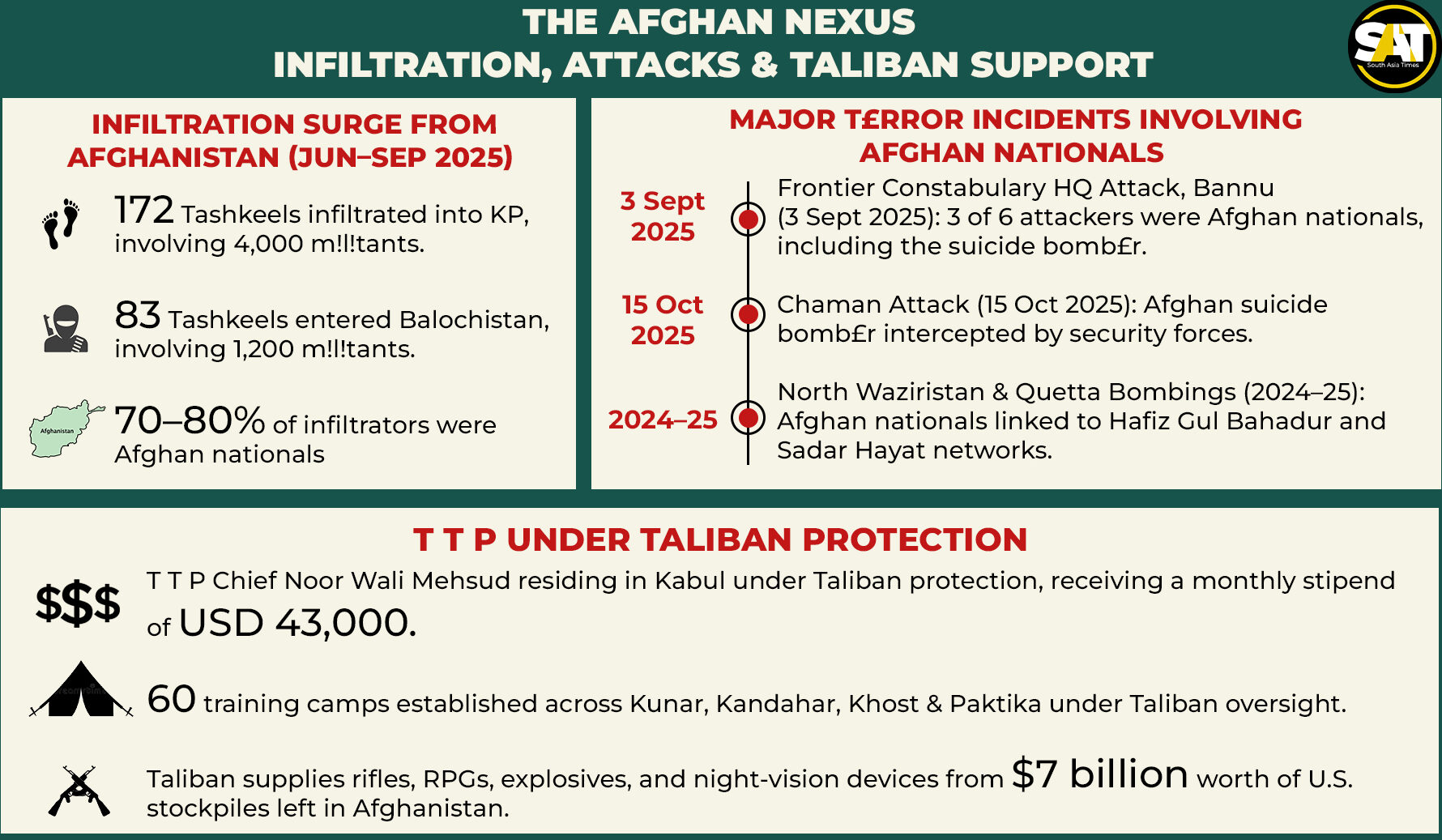
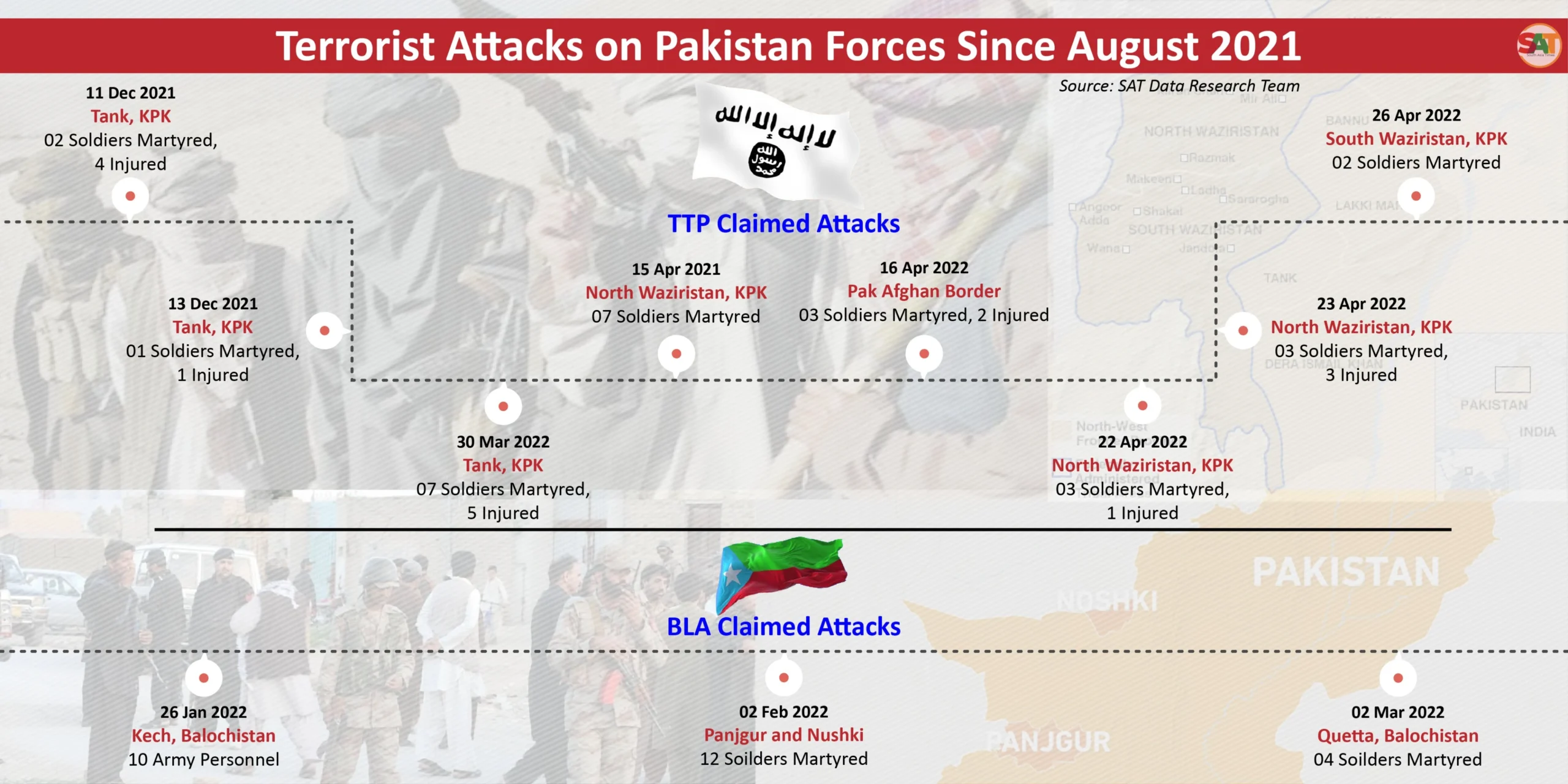
The Madrid protest also highlighted concerns regarding regional security. Siddiqi accused the Taliban of facilitating militant organizations, including Tehrik-i-Taliban Pakistan (TTP), and called for Taliban leaders to face scrutiny before the International Criminal Court over alleged crimes against humanity. While such allegations remain subject to legal processes and evidentiary review, recent United Nations Security Council monitoring reports have continued to express concern regarding links between Taliban elements and TTP networks. UN assessments indicate that operational, logistical, and support structures benefiting TTP remain present inside Afghanistan, contributing to instability along the Pakistan-Afghanistan border and posing wider regional security challenges.
The protest therefore represented more than opposition to Taliban governance. It signaled an increasingly coordinated effort by the Afghan diaspora to influence international policymaking on Afghanistan through sustained advocacy, public mobilization, and engagement with Western institutions. Calls for ICC investigations, continued diplomatic isolation of the Taliban, and reassessment of international financial flows to Kabul demonstrate a broader effort to ensure that human rights and accountability remain central to international policy discussions.
For South Asia, where the consequences of instability in Afghanistan are felt most directly, the issues raised in Madrid carry strategic significance. The intersection of governance failures, restrictions on women, economic decline, and the persistence of militant networks continues to shape regional security calculations. As governments balance practical engagement with Kabul against normative concerns, the debate increasingly revolves around whether international legitimacy should be linked to verifiable improvements in human rights, political inclusion, and counterterrorism commitments.
The Madrid demonstration underscores that for many Afghans in exile, the question is no longer simply engagement versus isolation. Rather, it is whether international engagement can occur without legitimising policies that they believe have contributed to political exclusion, human rights deterioration, and regional insecurity. This debate is likely to remain a defining feature of international policy toward Afghanistan in the years ahead.
Afghan Diaspora Rejects Taliban Legitimacy Drive
On 4 June 2026, former Afghan Deputy Speaker Mohammad Asif Siddiqi led a demonstration outside the European Parliament Office in Madrid, joined by Afghan expatriates, women’s rights activists, human rights advocates, and Spanish supporters. The protesters submitted a formal resolution urging European institutions to deny the Taliban political legitimacy, refrain from inviting Taliban representatives to official forums, avoid establishing formal relations with the Taliban administration, and prevent Afghan diplomatic missions abroad from being handed over to Taliban control.
The protest reflects growing concern among segments of the Afghan diaspora that international engagement with Kabul is gradually evolving into a process of normalization despite the absence of meaningful improvements in governance, human rights, political inclusion, and accountability. While many governments continue to engage with Afghanistan for humanitarian, economic, migration, and security reasons, Afghan opposition voices argue that engagement without conditions risks conferring legitimacy on a regime that remains internationally unrecognized.
The demonstration also served as a reminder that nearly four years after the Taliban’s return to power in August 2021, concerns regarding women’s rights remain central to international debates on Afghanistan. Independent monitoring data reinforces many of the issues highlighted by protesters. According to UN Women, nearly eight out of every ten young Afghan women are now excluded from education, employment, or training opportunities. UNESCO estimates that approximately 2.2 million girls remain barred from secondary education, leaving Afghanistan as the only country in the world where girls face a blanket prohibition at this level of schooling.
Human Rights Watch has further documented the expansion and enforcement of restrictions affecting women’s mobility, employment, access to public spaces, healthcare services, and participation in public life. The implementation of the Law on the Propagation of Virtue and Prevention of Vice has deepened concerns regarding the institutionalization of gender-based restrictions across Afghan society.
Beyond the humanitarian dimension, these policies carry substantial economic consequences. Assessments by UNDP and the International Labour Organization estimate that excluding women from economic participation costs Afghanistan roughly USD 1 billion annually, equivalent to approximately five percent of national GDP. Female labour-force participation in Afghanistan now ranks among the lowest globally, limiting prospects for sustainable economic recovery and long-term stability.
The Madrid protest also highlighted concerns regarding regional security. Siddiqi accused the Taliban of facilitating militant organizations, including Tehrik-i-Taliban Pakistan (TTP), and called for Taliban leaders to face scrutiny before the International Criminal Court over alleged crimes against humanity. While such allegations remain subject to legal processes and evidentiary review, recent United Nations Security Council monitoring reports have continued to express concern regarding links between Taliban elements and TTP networks. UN assessments indicate that operational, logistical, and support structures benefiting TTP remain present inside Afghanistan, contributing to instability along the Pakistan-Afghanistan border and posing wider regional security challenges.
The protest therefore represented more than opposition to Taliban governance. It signaled an increasingly coordinated effort by the Afghan diaspora to influence international policymaking on Afghanistan through sustained advocacy, public mobilization, and engagement with Western institutions. Calls for ICC investigations, continued diplomatic isolation of the Taliban, and reassessment of international financial flows to Kabul demonstrate a broader effort to ensure that human rights and accountability remain central to international policy discussions.
For South Asia, where the consequences of instability in Afghanistan are felt most directly, the issues raised in Madrid carry strategic significance. The intersection of governance failures, restrictions on women, economic decline, and the persistence of militant networks continues to shape regional security calculations. As governments balance practical engagement with Kabul against normative concerns, the debate increasingly revolves around whether international legitimacy should be linked to verifiable improvements in human rights, political inclusion, and counterterrorism commitments.
The Madrid demonstration underscores that for many Afghans in exile, the question is no longer simply engagement versus isolation. Rather, it is whether international engagement can occur without legitimising policies that they believe have contributed to political exclusion, human rights deterioration, and regional insecurity. This debate is likely to remain a defining feature of international policy toward Afghanistan in the years ahead.
hamza shahid
SAT Commentary
SAT Commentaries, a collection of insightful social media threads on current events and social issues, featuring diverse perspectives from various authors.
Recent
Afghan Diaspora Rejects Taliban Legitimacy Drive
On 4 June 2026, former Afghan Deputy Speaker Mohammad Asif Siddiqi led a demonstration outside the European Parliament Office in Madrid, joined by Afghan expatriates,
The Unlikely Broker: How Pakistan Rewrote Its Place in Washington’s World
There is a particular irony in watching Pakistan , a country Donald Trump once accused of harbouring terrorists while pocketing American aid, emerge as one
Pakistan Rejects Iran’s Intelligence Sharing Allegations and Calls Them Disinformation Amid Diplomatic Engagements
Last week, a cluster of social media accounts began circulating a specific claim that Pakistan’s Deputy Prime Minister and Foreign Minister Ishaq Dar had conveyed
Who is Behind PPDN and What Does It Actually Want?
In early 2026, a previously unknown organization called Pakistan Policy and Development Network quietly registered itself in the United Kingdom. Two months later, it had
Six years in the making, Pakistan’s justice has spoken and the world has noticed.
On the night of September 9, 2020, a woman traveling with her children on the Sialkot-Lahore Motorway found herself stranded after her car ran out