India has a long-standing history of orchestrating incidents to shift blame toward Pakistan, a pattern of “false flag operations” that often precedes increased crackdowns and the torture of civilians in Kashmir. The 2001 Indian Parliament attack remains a primary example of this lack of transparency; decades later, the government still has not answered the critical questions compiled by writer Arundhati Roy in the book 13 Questions about 13 December, including the basic mystery of the true identities and origins of the five attackers
This strategic timing of tragedies is further evidenced by the Chittisinghpura massacre, which occurred during President Bill Clinton’s visit to India. The former U.S. Secretary of State Madeleine Albright wrote a book that features a foreword written by Bill Clinton. In this foreword, Clinton stated that if his high-profile visit to India had not been taking place, the lives of the Sikhs killed in the Chittisinghpura massacre would have been saved.
The recent Pahalgam incident and the subsequent military standoff have exposed India more than any previous event because the logic of the Indian narrative that “terrorists” could travel 200 kilometers through a territory occupied by 900,000 soldiers without being detected fails under basic scrutiny. During the conflict, the Indian media’s propagation of “extreme lies,” such as false claims of capturing Lahore or Karachi, were easily debunked by international journalists on the ground further damaging India’s global credibility.
Pakistan’s recent successes are the result of its proactive and consistent diplomatic campaign, which effectively established a truth-based narrative that the international community eventually accepted. To maintain this momentum, Pakistani leadership and the public must remain vigilant. It is vital to continue this proactive trajectory, setting a sovereign agenda and following a consistent path forward rather than merely reacting to external pressure.
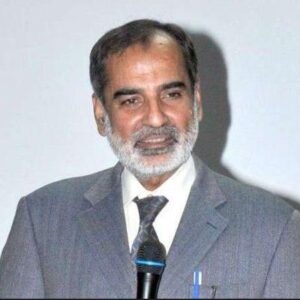
Khalid Rehman is the Chairman of the Institute of Policy Studies and a prominent expert in regional security and strategic analysis.