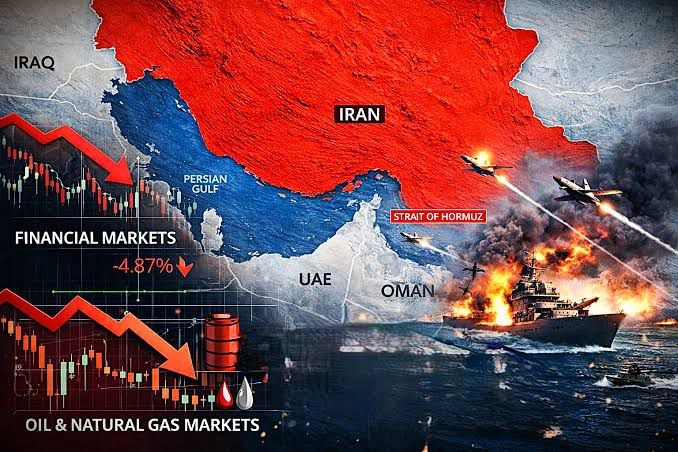
The missiles that streaked across the Iranian sky in early 2026 targeted military silos, but their impact landed squarely on the kitchen tables of the world’s poorest. This war has triggered a “triple shock” that is systematically dismantling global stability: first, an energy shock as oil prices skyrocket; second, a production shock as fertilizer supplies vanish; and third, a logistical shock as maritime trade routes freeze.
Together, these forces are driving a primary engine of global destitution. The World Food Programme (WFP) projects that these disruptions will push an additional 45 million people into acute food insecurity by mid-2026, bringing the global total to a staggering 363 million.
By disrupting the Strait of Hormuz—where daily transit plummeted from 135 to just 15 ships—the conflict has sent Brent crude surging past $100 per barrel. For low-income nations, a 10% rise in energy costs acts as an immediate 7% cut in real income for families who already spend the majority of their earnings on basic survival.
Furthermore, the collapse of nitrogen-based fertilizer exports from the Gulf threatens to diminish crop yields across the developing world, turning a short-term war into a multi-year famine.
For Pakistan, the proximity to the furnace has made the economic heat unbearable. Structurally vulnerable, the nation relies on the Strait of Hormuz for 81.6% of its energy imports, and the current blockage has driven a $4.5 billion spike in the national import bill. This fiscal pressure is compounded by a projected 17% inflation rate, hollowing out the purchasing power of the working class.
Furthermore, the conflict has triggered a “remittance recession.” The IMF’s 2.4 percentage point downgrade of regional GDP reflects a stalling of the Gulf economies—the source of over 55% of Pakistan’s $27 billion remittance lifeline. As jobs in Saudi Arabia and the UAE face uncertainty, this vital income is drying up, stripping away the last social safety net for millions and dragging middle-class families into absolute desperation.
Amidst this wreckage, women and girls bear a disproportionate burden. UN Women estimates that 1.6 million women have been displaced in Iran alone, while across the region, 24 million women and girls face deepening food insecurity. In rural Pakistan, women are the traditional “shock absorbers” of poverty, often the first to skip meals as food prices climb. Beyond hunger, the destruction of infrastructure has left over 1.6 million pregnant women in the conflict zone without access to maternal care. The psychological and physical toll is immense; in one strike on the first day of escalation, 168 girls were killed at a single school in Minab.
The international community must recognize that there is no “surgical” strike that avoids the stomach of a child. A ceasefire is only the first step; the call to action must be a global push to stabilize energy markets and provide immediate, targeted cash transfers to female-headed households. We must demand that the reopening of trade routes and the restoration of fertilizer supplies be prioritized before the 2026 harvest fails. If we do not act to decouple global survival from regional geopolitics, the legacy of this war will not be “containment,” but the abandonment of an entire generation to hunger.