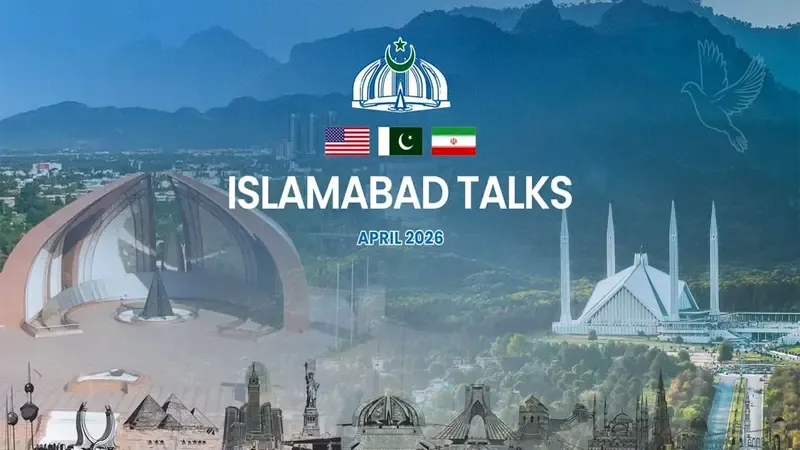
On April 8, Pakistan achieved a critical diplomatic breakthrough when it successfully brokered a two-week immediate ceasefire between the United States and Iran, temporarily halting a trajectory toward what could have been a regional and global conflict. This mediation paved the way for the historic “Islamabad Talks,” with high-level delegations arriving in the Pakistani capital between April 10 and 11. While the immediate outcome of these negotiations did not yield a comprehensive peace settlement, analysing the event reveals profound strategic implications, particularly regarding the reopening of direct dialogue and Pakistan’s emergence as a pivotal peacemaker.
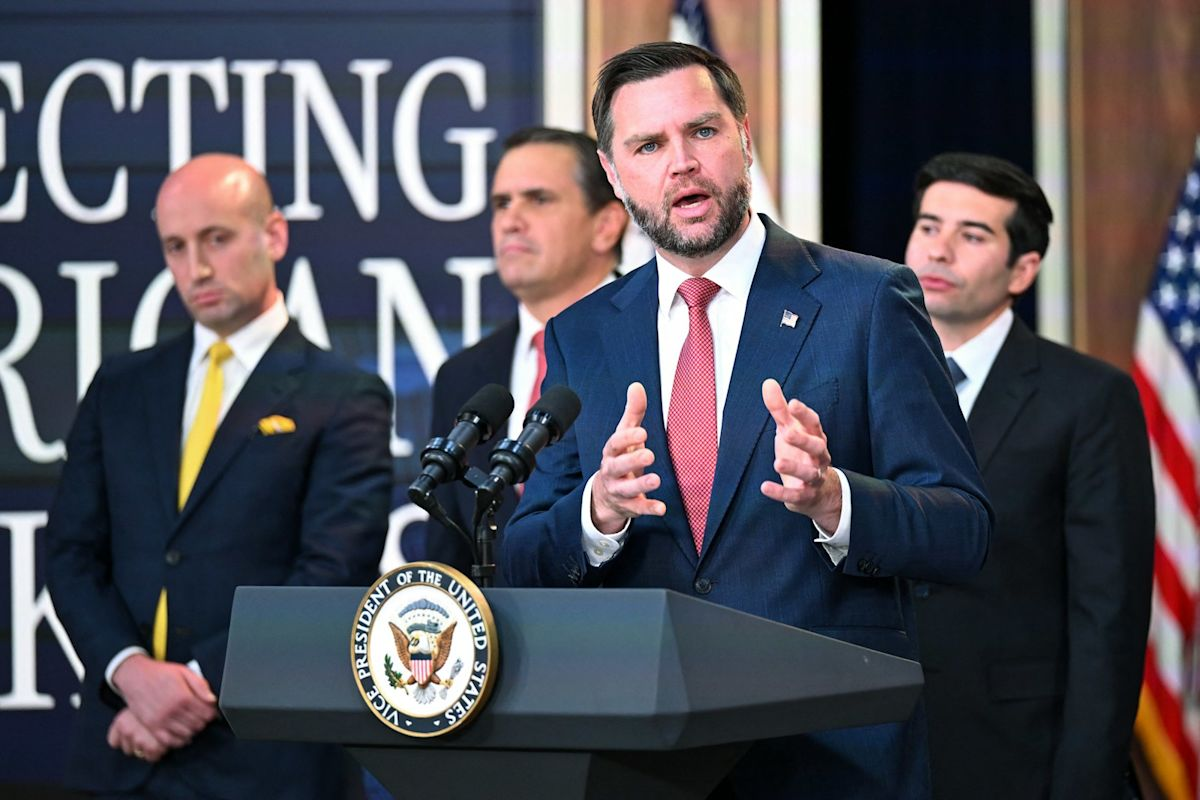
The scale and composition of the delegations from both sides underscored the gravity and importance of the talks. The Iranian delegation consisted of 86 members, which included representatives from the government, academia, and the media, led by Iranian Parliament Speaker Mohammad Baqer Ghalibaf. Conversely, the United States delegation was led by Vice President JD Vance and notably included Special Envoy Steve Witkoff and Jared Kushner. Following their arrival, the two sides engaged in an intensive, 21-hour marathon of negotiations aimed at finding common ground amid decades of entrenched hostility.
Despite reaching tentative agreements on several peripheral issues, the core strategic divides remained insurmountable in the short term. On April 11, Vice President Vance formally announced that no deal had been reached. The deadlock centered primarily on two crucial points: the Strait of Hormuz and uranium enrichment. The United States maintained a rigid stance on keeping the vital maritime chokepoint of the Strait of Hormuz free and open to global trade. Conversely, Iran demanded sovereign control and exclusive rights over the strait.
It is worth mentioning here that in the context of this ongoing war, the Strait of Hormuz has effectively functioned as Tehran’s ultimate leverage, an asymmetric, geopolitical “nuclear weapon.” Relinquishing this advantage at the opening table of negotiations was fundamentally incompatible with Iranian strategic interests; it was entirely expected that they would adopt a maximalist posture on this issue.
Furthermore, the United States sought definitive, credible guarantees that Iran would permanently halt uranium enrichment and categorically abandon any pursuit of nuclear weapons, a demand that struck at the heart of Iran’s domestic defense and energy policies.
While the negotiations hit an apparent block end, it would be misleading to characterise the talks as a failure. It should be kept in mind that resolving the Iranian nuclear issue, a subject that has defied decades of complex international maneuvering, was never going to be achieved in a single session. Realistically, the talks fulfilled their foundational objective: bringing two historic adversaries face-to-face. Both sides clearly articulated their maximalist positions, mapping the boundaries of acceptable compromise, and identified areas of potential flexibility to provide a framework for future technical discussions. Delegations can now return to their respective capitals to reevaluate their relative positions and political pressures.
Furthermore, it is crucial to recognize that this summit marked the first direct, high-level engagement between the United States and Iran since the 1979 Islamic Revolution, barring the brief 2013 telephone call between Barack Obama and Hassan Rouhani. Expecting an immediate breakthrough was inherently unrealistic. In entrenched rivalries, process often precedes outcome. The mere act of sitting across the table signals a mutual willingness to engage, thereby reducing the immediate risk of further military escalation. Diplomacy must be understood as an iterative process, not a dramatic, in-and-out episode.
Another critical question, which arises from the summit’s conclusion: does the failure to secure a final agreement equate to a failure of Pakistani diplomacy? The answer is an unequivocal no. Islamabad’s role as a mediator has solidified its geopolitical relevance. As Professor C. Christine Fair, a renowned academic and frequent critic of Pakistan, astutely observed, “Whether or not the agreement happens, it is a win for Pakistan. If some kind of even remotely durable peace comes out of this, this is a huge victory for Islamabad.”
History will likely evaluate Pakistan’s intervention as a defining moment of global crisis management. By securing the April 8 ceasefire, Pakistan effectively stood between the international community and a multifaceted catastrophe. The intervention successfully averted the potential loss of millions of lives in a widened regional war, a chaotic collapse of the global oil market, and a systemic global economic shock that would have taken decades to recover from. Ultimately, while the Islamabad talks are just the beginning of a long and arduous diplomatic journey, they provided the world with a vital glimmer of hope against overwhelming odds, and Pakistan’s fingerprints are undeniably imprinted everywhere on this peace effort.
Azhar Zeeshan is a researcher at the Centre for Aerospace and Security Studies (CASS) Lahore, Pakistan. He can be reached at [email protected]