The recent assassination of Maulana Sultan in South Waziristan and the subsequent sequence of conflicting claims, characterized by initial denials from the Tehrik-e-Taliban Pakistan (TTP) and the Hafiz Gul Bahadur Group, followed by a delayed claim of responsibility by the Islamic State Khorasan Province (ISKP), represents an in narrative management. This phenomenon necessitates an academic deconstruction of the terror ecosystem currently flourishing within Afghan territory. The claim of denial by TTP and its affiliates regarding this assassination is not a reflection of innocence, but rather a calculated maneuver within a shared operational framework designed to obscure accountability while maintaining regional instability. This tactical ambiguity allows various factions to navigate the complex landscape of international pressure and domestic legitimacy without compromising their shared ultimate objectives.
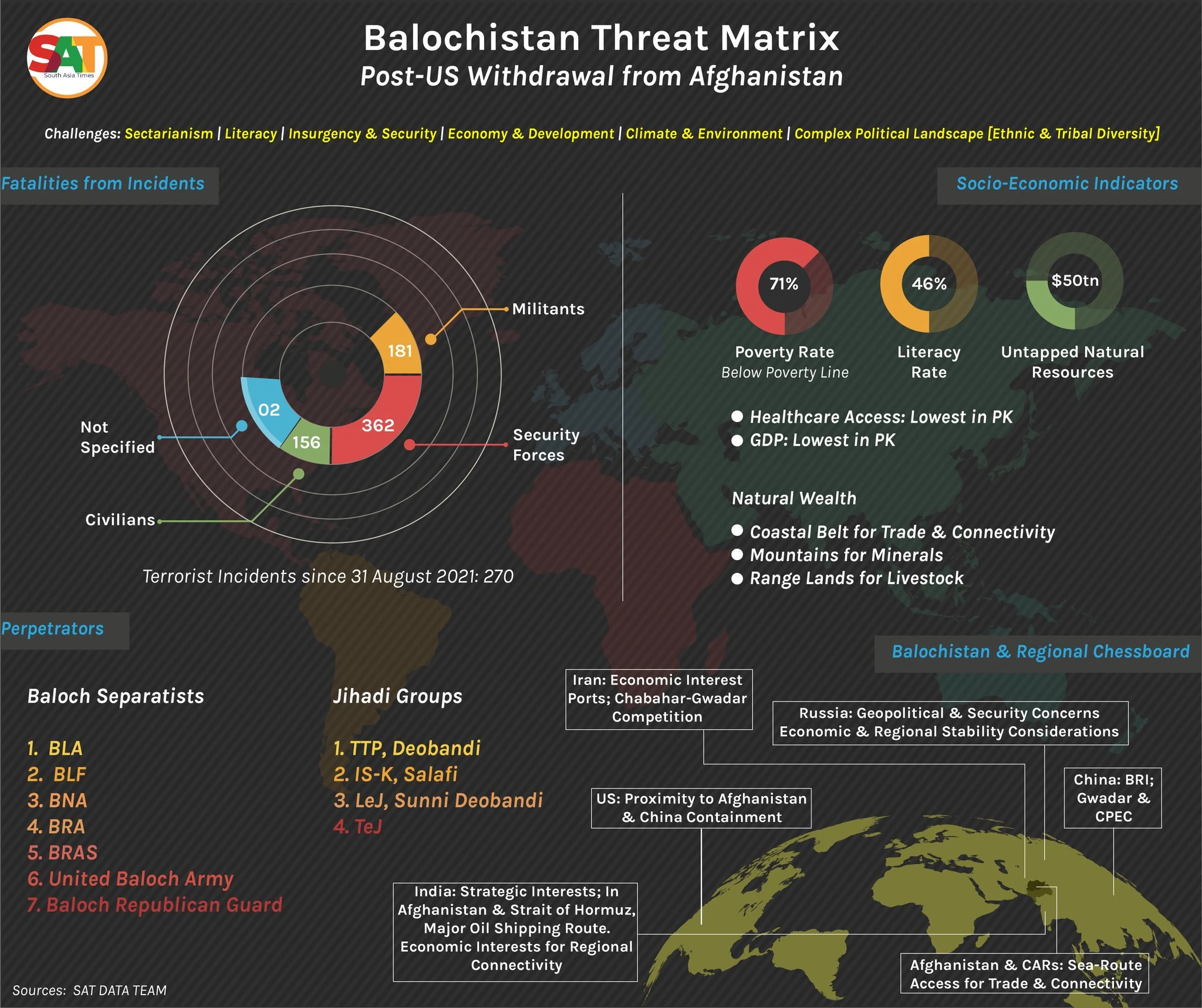
The temporal disconnect between the kinetic event and the subsequent media releases is highly instructive in this regard. Neither ISKP nor TTP offered immediate commentary when Maulana Sultan was initially injured or upon his eventual death. The emergence of statements only after significant media scrutiny and public pressure suggests a centralized coordination of messaging rather than spontaneous reporting. This role-assigned narrative management indicates the presence of a shared information handler, likely operating from a single command point. In the landscape of irregular warfare, such tactics serve to protect the political capital of specific groups like the TTP while allowing more radical labels like ISKP to absorb international condemnation. By distancing themselves from the killing of a mainstream religious leader, the TTP seeks to maintain a veneer of localized legitimacy, while the ISKP claim ensures the objective of psychological terror is achieved. This model of interchangeable labeling is a hallmark of contemporary information warfare, facilitated by the permissive environment and intelligence structures currently active in Afghanistan.
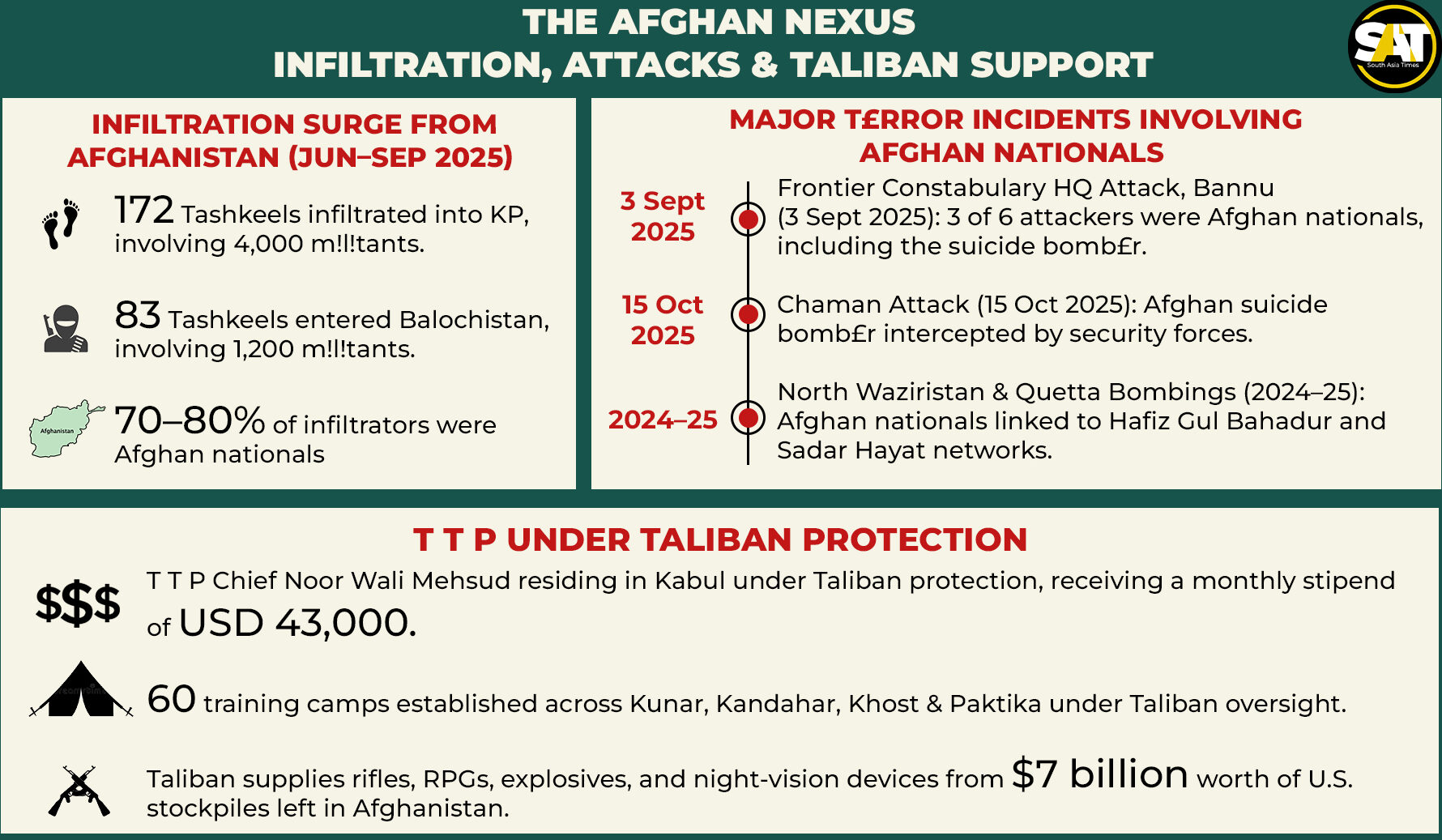
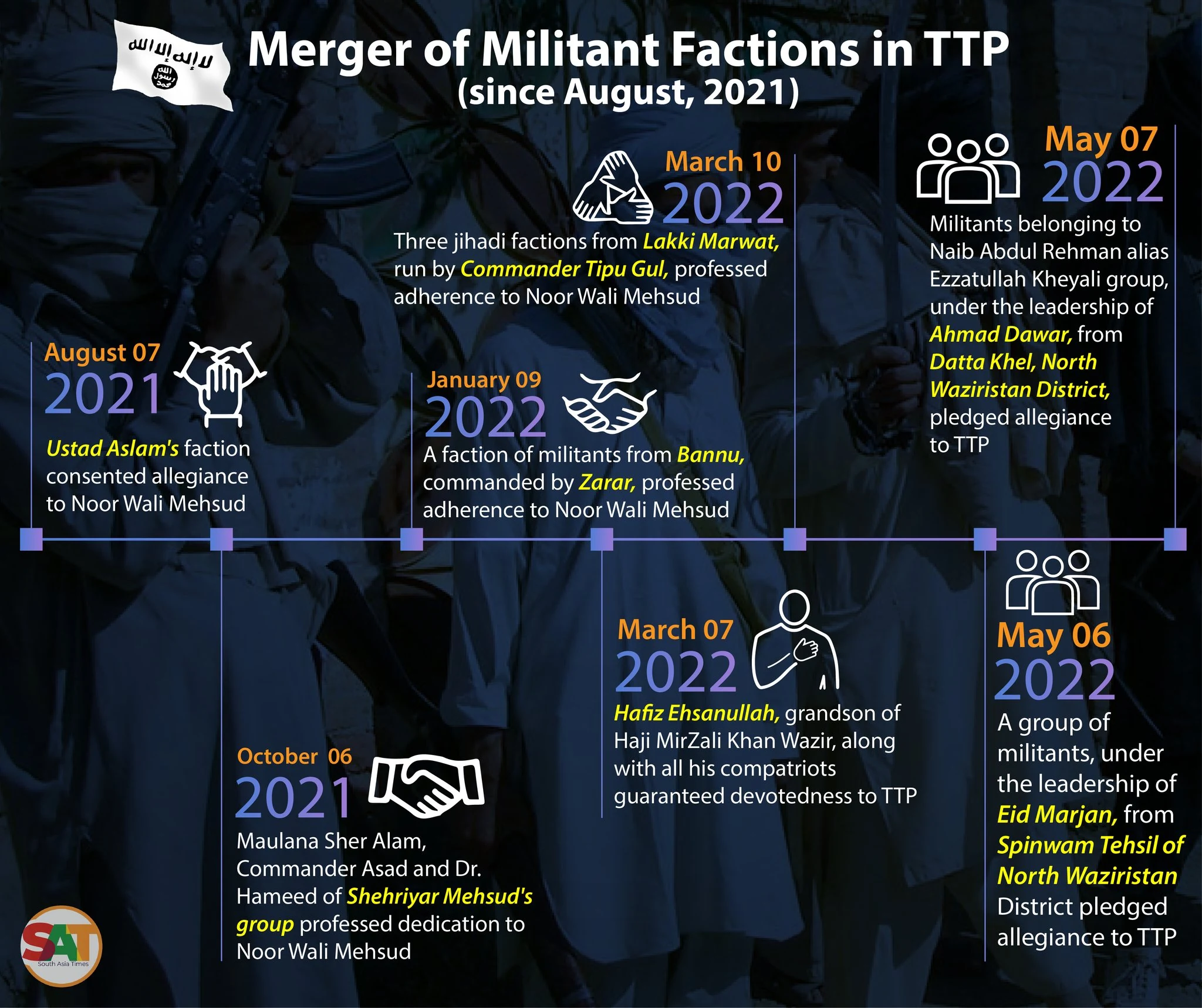
To fully understand the current synergy, one must examine the historical and structural evolution of these groups within the region. Following the fall of Kabul in 2021, the Afghan Taliban (TTA) released numerous ISKP commanders and fighters from detention, many of whom were former TTP cadres displaced by Pakistan’s Operation Zarb-e-Azb. Consequently, ISKP in its current iteration is effectively a TTP 2.0. The fighters, commanders, and operational logic remain consistent; only the ideological branding has been altered to suit specific tactical requirements. The coexistence of these groups, rather than any genuine rivalry, allows for a rotation of responsibility for high-profile assassinations. The targeting of religious scholars, including Mufti Abdul Shakoor, Maulana Hassan Jan, and Maulvi Izzatullah, reveals a consistent logic of eliminating moderate or influential voices that challenge the militants’ monopoly on religious discourse. Whether an attack is claimed by ISKP or TTP, the underlying objective remains the same: the erosion of Pakistan’s social and religious fabric under the direction of Afghan-based handlers.
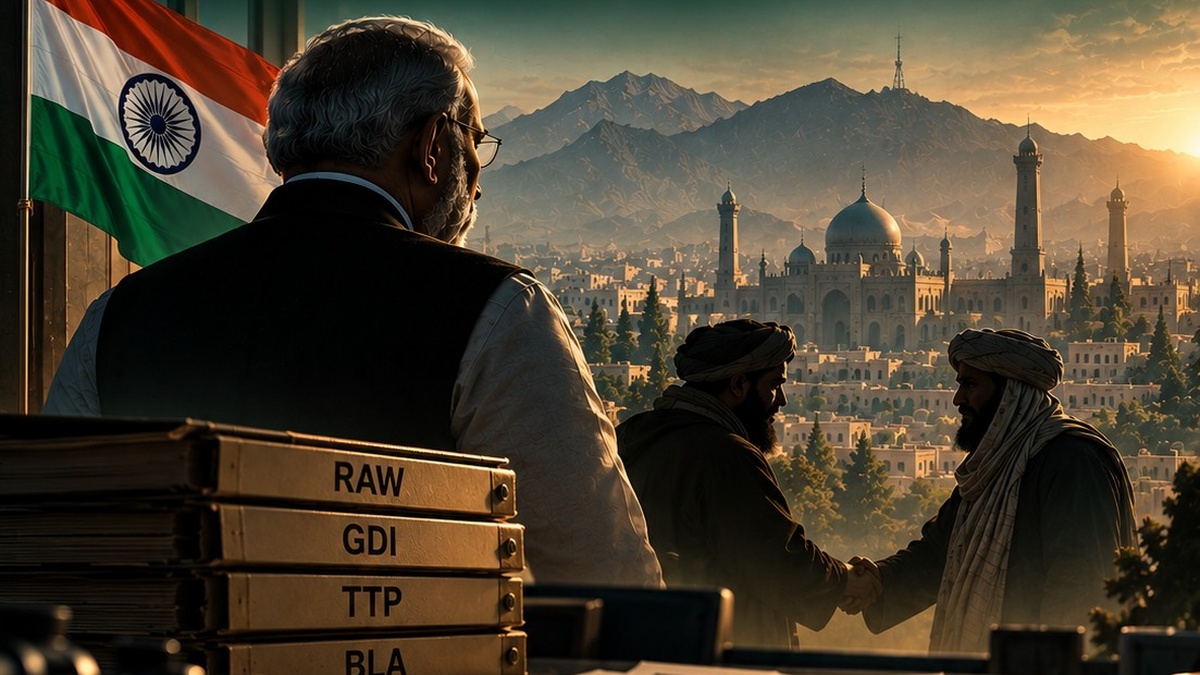
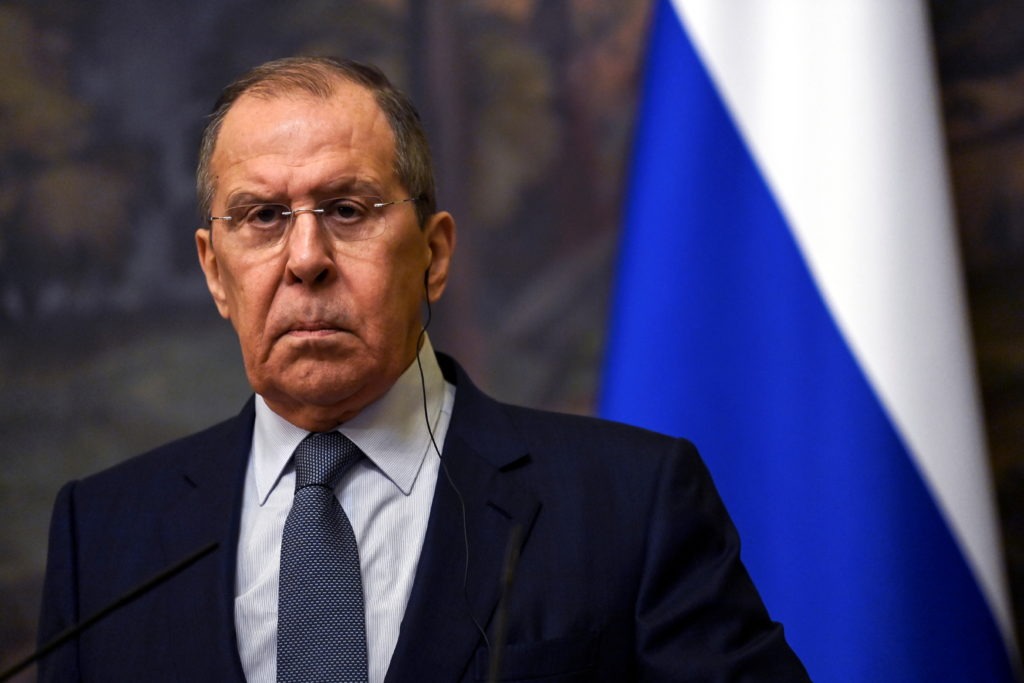
Furthermore, the international community has increasingly recognized that Afghan soil serves as a sanctuary for these interlocking entities. Testimony at the UN Security Council by representatives from Denmark and Russia has highlighted the expanding influence and growing threat posed by both the TTP and ISKP. These warnings validate the long-standing position that the current Afghan administration provides a permissive safe haven that enables these groups to launch cross-border operations with impunity. The threat is no longer contained within Pakistan’s borders, the regional spillover effect is evident in terror plots affecting neighboring countries and interests, including attacks on Chinese nationals and regional infrastructure. The use of Afghan territory as a launchpad for these operations suggests a degree of complicity, or at the very least, a strategic blind eye from the Afghan General Directorate of Intelligence (GDI). The GDI’s role in providing direction and sanctuary to these groups is the linchpin that allows this terror ecosystem to survive and adapt.
Ultimately, the denial of involvement by the TTP and the Hafiz Gul Bahadur Group in the killing of Maulana Sultan must be viewed with extreme skepticism. When analyzed through the lens of structural continuity and narrative coordination, the subsequent ISKP claim appears to be a move on a larger chessboard. These organizations operate with different flags but share the same fighters, the same sanctuaries, and a unified objective: the sustainment of instability across Pakistan and the wider region under Afghan patronage. The assassination of Maulana Sultan is a case study in how militant groups exploit tactical ambiguity to evade international pressure while fulfilling their operational mandates. As long as Afghan soil remains a sanctuary and the GDI continues its current trajectory of patronage, the region will remain trapped in a cycle of interchangeable terror labels. Addressing this threat requires an international acknowledgment that the ISKP-TTP-TTA triad is not a collection of disparate rivals, but a singular, coordinated threat to regional peace.
Narrative Management and the ISKP–TTP Ecosystem
The recent assassination of Maulana Sultan in South Waziristan and the subsequent sequence of conflicting claims, characterized by initial denials from the Tehrik-e-Taliban Pakistan (TTP) and the Hafiz Gul Bahadur Group, followed by a delayed claim of responsibility by the Islamic State Khorasan Province (ISKP), represents an in narrative management. This phenomenon necessitates an academic deconstruction of the terror ecosystem currently flourishing within Afghan territory. The claim of denial by TTP and its affiliates regarding this assassination is not a reflection of innocence, but rather a calculated maneuver within a shared operational framework designed to obscure accountability while maintaining regional instability. This tactical ambiguity allows various factions to navigate the complex landscape of international pressure and domestic legitimacy without compromising their shared ultimate objectives.
The temporal disconnect between the kinetic event and the subsequent media releases is highly instructive in this regard. Neither ISKP nor TTP offered immediate commentary when Maulana Sultan was initially injured or upon his eventual death. The emergence of statements only after significant media scrutiny and public pressure suggests a centralized coordination of messaging rather than spontaneous reporting. This role-assigned narrative management indicates the presence of a shared information handler, likely operating from a single command point. In the landscape of irregular warfare, such tactics serve to protect the political capital of specific groups like the TTP while allowing more radical labels like ISKP to absorb international condemnation. By distancing themselves from the killing of a mainstream religious leader, the TTP seeks to maintain a veneer of localized legitimacy, while the ISKP claim ensures the objective of psychological terror is achieved. This model of interchangeable labeling is a hallmark of contemporary information warfare, facilitated by the permissive environment and intelligence structures currently active in Afghanistan.
To fully understand the current synergy, one must examine the historical and structural evolution of these groups within the region. Following the fall of Kabul in 2021, the Afghan Taliban (TTA) released numerous ISKP commanders and fighters from detention, many of whom were former TTP cadres displaced by Pakistan’s Operation Zarb-e-Azb. Consequently, ISKP in its current iteration is effectively a TTP 2.0. The fighters, commanders, and operational logic remain consistent; only the ideological branding has been altered to suit specific tactical requirements. The coexistence of these groups, rather than any genuine rivalry, allows for a rotation of responsibility for high-profile assassinations. The targeting of religious scholars, including Mufti Abdul Shakoor, Maulana Hassan Jan, and Maulvi Izzatullah, reveals a consistent logic of eliminating moderate or influential voices that challenge the militants’ monopoly on religious discourse. Whether an attack is claimed by ISKP or TTP, the underlying objective remains the same: the erosion of Pakistan’s social and religious fabric under the direction of Afghan-based handlers.
Furthermore, the international community has increasingly recognized that Afghan soil serves as a sanctuary for these interlocking entities. Testimony at the UN Security Council by representatives from Denmark and Russia has highlighted the expanding influence and growing threat posed by both the TTP and ISKP. These warnings validate the long-standing position that the current Afghan administration provides a permissive safe haven that enables these groups to launch cross-border operations with impunity. The threat is no longer contained within Pakistan’s borders, the regional spillover effect is evident in terror plots affecting neighboring countries and interests, including attacks on Chinese nationals and regional infrastructure. The use of Afghan territory as a launchpad for these operations suggests a degree of complicity, or at the very least, a strategic blind eye from the Afghan General Directorate of Intelligence (GDI). The GDI’s role in providing direction and sanctuary to these groups is the linchpin that allows this terror ecosystem to survive and adapt.
Ultimately, the denial of involvement by the TTP and the Hafiz Gul Bahadur Group in the killing of Maulana Sultan must be viewed with extreme skepticism. When analyzed through the lens of structural continuity and narrative coordination, the subsequent ISKP claim appears to be a move on a larger chessboard. These organizations operate with different flags but share the same fighters, the same sanctuaries, and a unified objective: the sustainment of instability across Pakistan and the wider region under Afghan patronage. The assassination of Maulana Sultan is a case study in how militant groups exploit tactical ambiguity to evade international pressure while fulfilling their operational mandates. As long as Afghan soil remains a sanctuary and the GDI continues its current trajectory of patronage, the region will remain trapped in a cycle of interchangeable terror labels. Addressing this threat requires an international acknowledgment that the ISKP-TTP-TTA triad is not a collection of disparate rivals, but a singular, coordinated threat to regional peace.
SAT Commentary
SAT Commentary
SAT Commentaries, a collection of insightful social media threads on current events and social issues, featuring diverse perspectives from various authors.
Recent
Narrative Management and the ISKP–TTP Ecosystem
The assassination of Maulana Sultan reveals how ISKP and TTP deploy narrative coordination, delayed claims, and interchangeable branding to obscure accountability and sustain regional instability from Afghan soil.
Pakistan’s Defense Industrial Breakout
As the liberal international order fragments, Pakistan has executed a decisive shift from defense dependency to indigenous production. Through exports, combat validation, and joint industrialization, Islamabad is redefining sovereignty as an industrial and diplomatic asset.
Rethinking Afghan Repatriation from Pakistan
Amnesty International’s call to halt Afghan repatriation overlooks the limits of long-term hospitality. For Pakistan, the issue is less about abandoning rights than reasserting sovereign immigration control amid shifting realities in Afghanistan.
Iran’s Current Crisis: Structural Pressures and Political Trajectories
Iran’s 2025–26 unrest reflects simultaneous pressure on economic stability, political legitimacy, and state coercive capacity, marking a critical juncture for the Islamic Republic.
The New Architecture of US–Pakistan Relations
Andy Halus’s interview signals a strategic shift in US–Pakistan relations from security-centric ties to a multidimensional partnership centered on minerals, education, and soft power. Projects like Reko Diq now stand as the key test of this new architecture.