UN Committee Notes Blasphemy Law Abuse in Pakistan

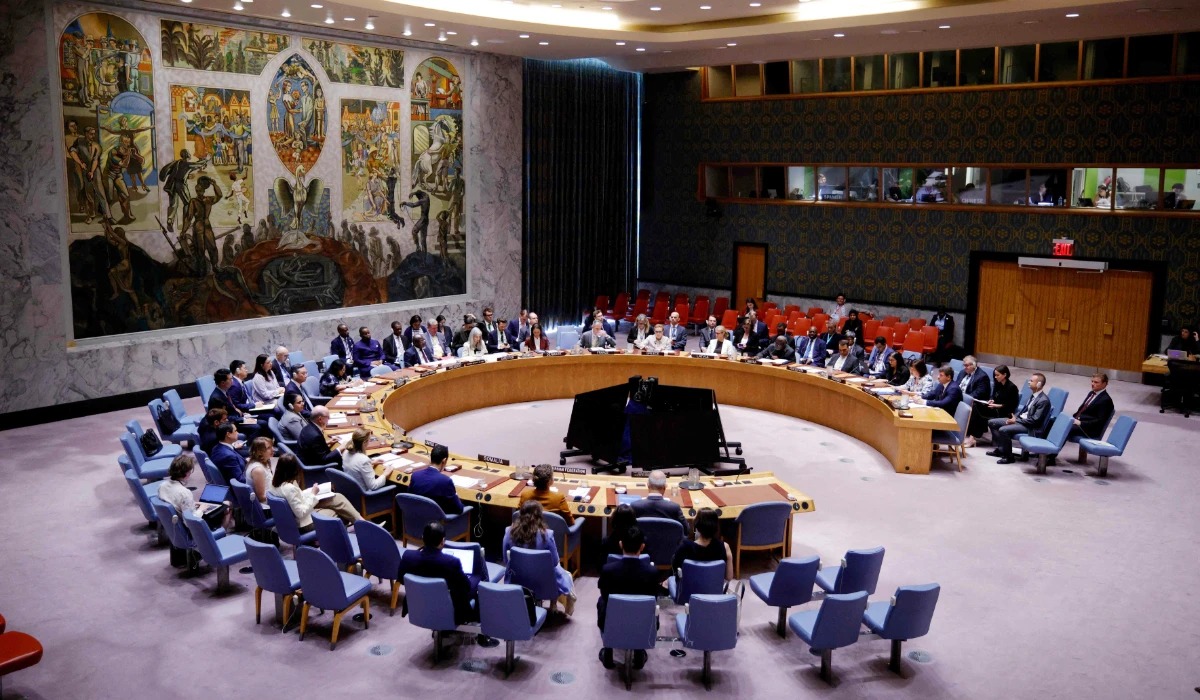
The UN urges Pakistan to amend its blasphemy law amid rising violence, with false accusations fueling mob attacks and persecution. [Representational Image via Mission Network News]

The United Nations Human Rights Committee last month urged Pakistan to amend or repeal the country’s blasphemy laws. The committee noted an increase in false blasphemy accusations under the Blasphemy Law in Pakistan, with dire consequences.

Nehemiah with FMI says, “The problem is not really a blasphemy law or the Constitution of Pakistan. The problem is that the people of Pakistan, the Muslims of Pakistan, they have become extremists.

“The ‘mobism’ where a mob just goes [to] burn Christian houses or kill Christians in Pakistan? This is the major problem because critics urge that the laws are frequently exploited for personal vendettas, leading to false accusations and mob violence.”

FMI supports Pakistani church planters representing Jesus in their communities. Yet, these believers face daily dangers for their faith.

“Life for a Christian in Pakistan is walking-on-a-sword situation or sitting-on-the-gun-powder situation…. You never know when a mob or an individual is just simply [going to] approach you and try to kill you or burn down your house or persecute you for any reason.”

Legal reform is good, but true change in Pakistan will only come through transformed hearts in the Gospel.

Nehemiah asks, “Please pray for spiritual awakening in Pakistan that fosters mutual respect, understanding, and peace among all communities, breaking the cycle of fear and oppression caused by these laws.

“And I request to please pray for FMI church planters, that God would grant them discernment and guidance to navigate these complex and sensitive situations with grace and love.”

Also See: From Tolerance to Tragedy: Blasphemy Weaponised in Pakistan

This news is sourced from Mission Network News and is intended for informational purposes only.

News Desk

Your trusted source for insightful journalism. Stay informed with our compelling coverage of global affairs, business, technology, and more.

Recent

Beyond the Rhetoric: What Muttaqi’s Address Reveals About Afghan Policy

Beyond the Rhetoric: What Muttaqi’s Address Reveals About Afghan Policy

Interim Foreign Minister Amir Khan Muttaqi’s recent address sought to reframe Afghanistan’s strained ties with Pakistan through a narrative of victimhood and denial. From dismissing cross-border militancy to overstating economic resilience, his claims contradict on-ground realities and historical patterns. A closer examination reveals strategic deflection rather than accountability, with serious implications for regional peace and security.

Read More »
We Want Deliverance

We Want Deliverance

Political mobilization in South Asia is not rooted in policy or institutions but in a profound yearning for deliverance. From Modi’s civilizational aura in India to Imran Khan’s revolutionary moral narrative in Pakistan, voters seek not managers of the state but messianic figures who promise total transformation. This “Messiah Complex” fuels a cycle of charismatic rise, institutional erosion, and eventual democratic breakdown, a pattern embedded in the region’s political psychology and historical imagination.

Read More »
Pakistan-Only? The TTP’s Transnational Reality

Pakistan-Only? The TTP’s Transnational Reality

While the TTP publicly claims its insurgency targets only Pakistan, evidence reveals a transnational reality. Supported by Afghan fighters and resources, and shaped by the Afghan Taliban’s strategic interests, the TTP exemplifies cross-border proxy warfare. Understanding its structure, motivations, and operational networks challenges simplistic “Pakistan-only” narratives and underscores the enduring complexities of South Asian security.

Read More »
Pakistan’s Heritage and Rights Ethos: Unlocking Cultural Diplomacy

Pakistan’s Heritage and Rights Ethos: Unlocking Cultural Diplomacy

Pakistan’s diverse cultural heritage, from the hospitality of Pashtunwali and Sufi music in Sindh to folk traditions in Punjab, Balochistan, and Gilgit–Baltistan, reflects an enduring rights-based ethos. These living practices promote dignity, justice, and social inclusion. By integrating these traditions into cultural diplomacy, Pakistan can showcase its soft power while supporting custodians of heritage, artisans, and local communities.

Read More »