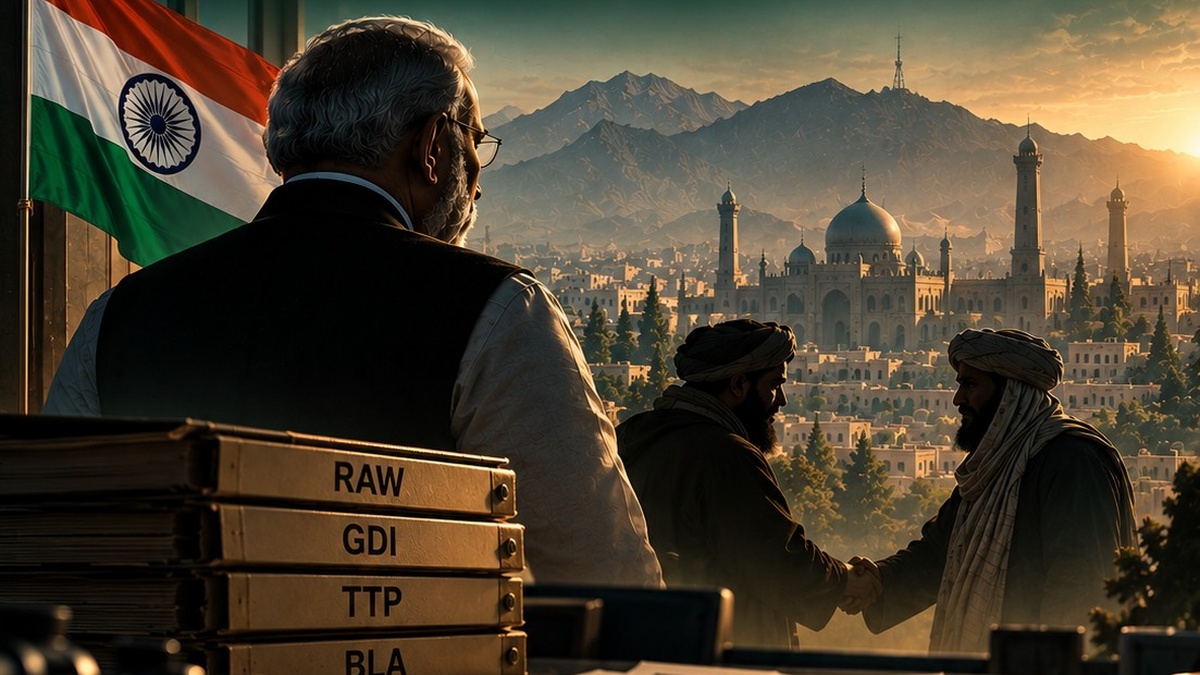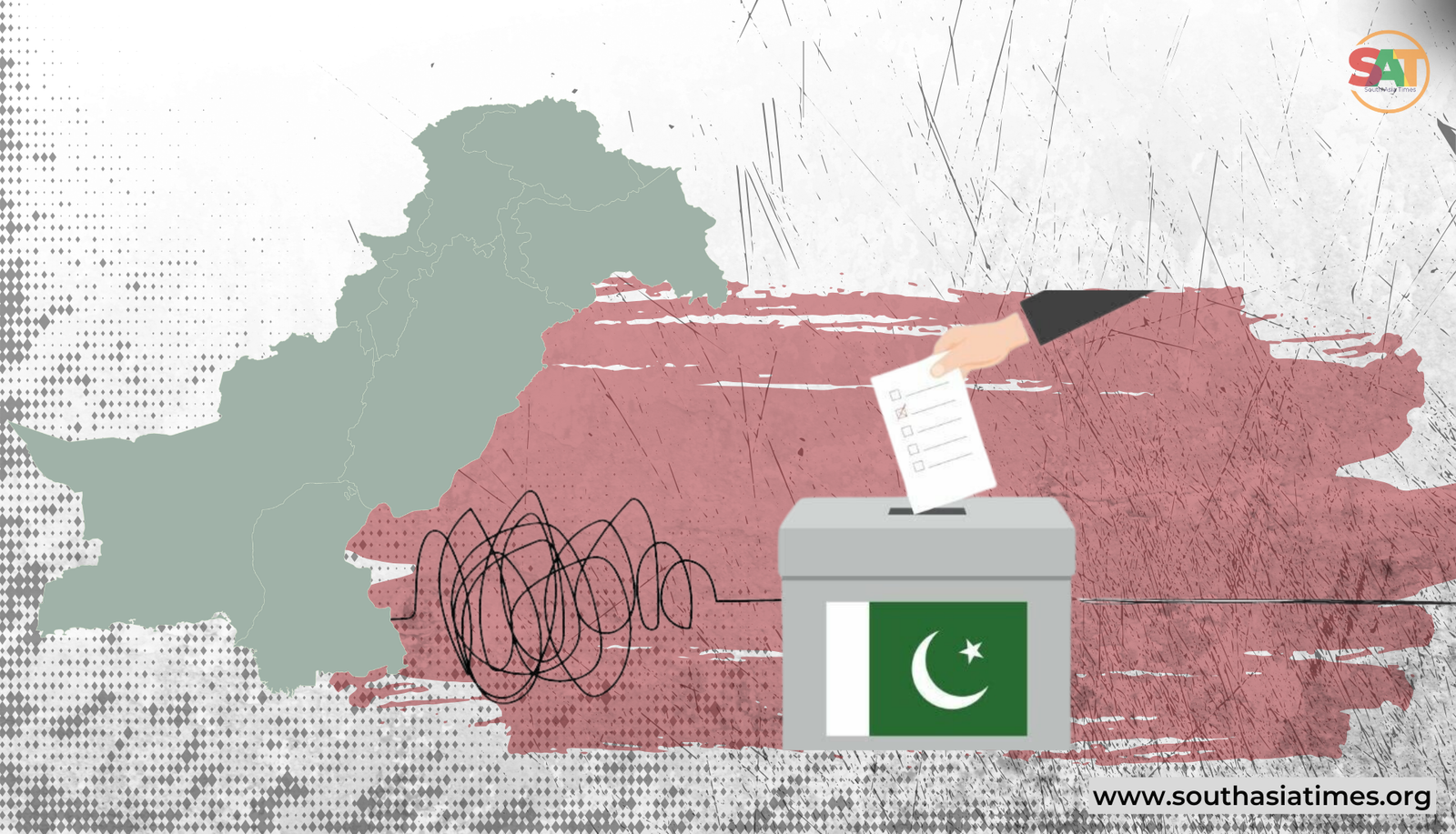
As Pakistan inches closer to crucial general elections, a pervasive threat casts a long shadow over the nation – the unwelcome resurgence of terrorism. This unsettling surge in militant activities during January 2024, documented by the Pakistan Institute for Conflict and Security Studies (PICSS), underscores the challenges faced by the people and the democratic process itself.
In the midst of this surge, Balochistan bears the brunt, experiencing 33 reported attacks resulting in 31 deaths and 50 injuries. Meanwhile, Mainland Khyber Pakhtunkhwa faces 30 attacks, causing 17 fatalities and 21 injuries, while the newly merged districts of KP witness 24 attacks, with 36 lives lost and 57 injured. Other regions, including Sindh, Punjab, and Islamabad, also grapple with the consequences of this wave of violence.
As the electoral fervor intensifies, a worrying trend emerges with a spike in attacks targeting candidates.
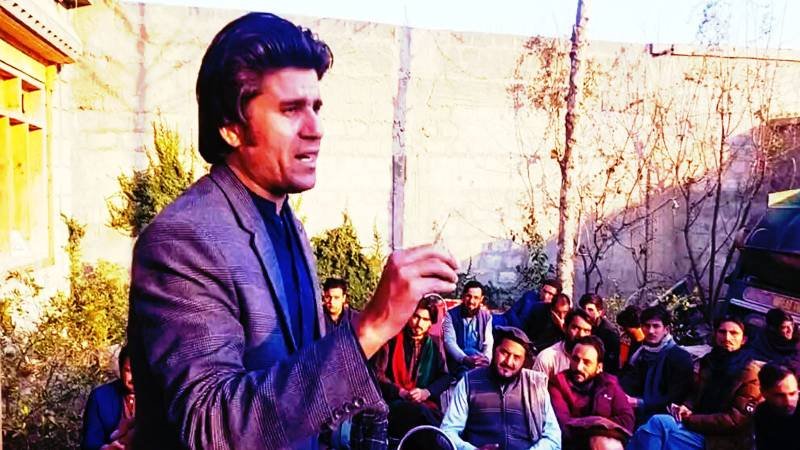
The recent loss of notable figures like Rehan Zeb Khan, a youth leader from Bajaur, and an independent candidate from Mir Ali in North Waziristan not only raise eyebrows but also propel a host of pressing questions.
Adding further complexity to the situation are the claims by terrorist groups, namely the Islamic State of Khorasan Province (ISKP) and the Islamic State Pakistan Province (ISPP), who unabashedly take responsibility for the deadly attacks on election candidates and rallies. With propaganda pamphlets distributed across Pakistani cities, their involvement is not just a cause for concern; it underscores a deliberate and systematic effort to hinder civic engagement and disrupt the democratic process.
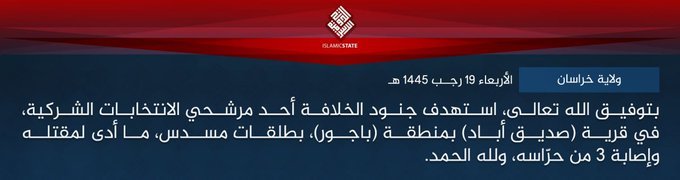
Such a scenario prompts critical queries. Why are political candidates becoming the primary targets? What might be the motives behind such deliberate and targeted attacks?
Notably, Balochistan, despite bearing the brunt of ruthless terrorist assaults, displays a commendable resilience among its people. They defy intimidation tactics, exhibiting remarkable courage by actively participating in the electoral process and thwarting the terrorists’ agenda. Yet, one cannot help but question the deeper roots of violence in this region.
Is the strategic positioning of Balochistan, perched at the crossroads of geopolitical interests and the gateway to the Old Silk Road routes, a driving force behind its vulnerability?
In the face of these challenges, security agencies stand on the frontlines, navigating perilous terrains at greater risk. The recent triumph over terrorist forces by the Pakistan Army in Machh, Balochistan, sends an unequivocal message – any attempt to undermine the democratic process will encounter fierce resistance. However, this success story raises additional questions. What fuels the persistent resurgence of terrorist activities, despite the robust efforts of security forces? Are there systemic issues that need addressing beyond the military victories?

What’s more is a fact that the pre-election resurgence of terrorism prompts diverse narratives. Some suggest a nefarious conspiracy orchestrated to hinder the continuation of democracy in Pakistan. Others view it through a broader lens, framing it as a strategic ploy in the shifting global power dynamics.
As global gravity shifts from the Atlantic to the Pacific, does Pakistan, strategically positioned in the heart of Asia, become a pawn in a larger geopolitical game?
Despite the rising threats, the Pakistani people cling steadfastly to their democratic aspirations. The power of their votes, perceived as a potent force capable of transcending societal divisions, becomes a formidable weapon against the disruptive forces of terrorism. However, amidst this complex landscape, more questions emerge. Why does terrorism intensify as elections approach? Who might be the unseen beneficiaries, reaping chaos amid the democratic process? The western regions of Pakistan, grappling with violence, become strategic epicenters of concern. Could their location along pivotal land and sea trade routes, vital for regional connectivity, render them geopolitical pawns?
Also Read: Azerbaijan Election: Deciding the Future
In a world undergoing a seismic shift in global dynamics, Pakistan finds itself at a crossroads. The nation grapples not only with the pursuit of its democratic future but also with the complexities of a geopolitical chessboard. The enigma of terrorism unfolds, compelling the nation to reflect on the motives that propel chaos in the quest for stability and democracy.

Your go-to editorial hub for policy perspectives and informed analysis on pressing regional and global issues.