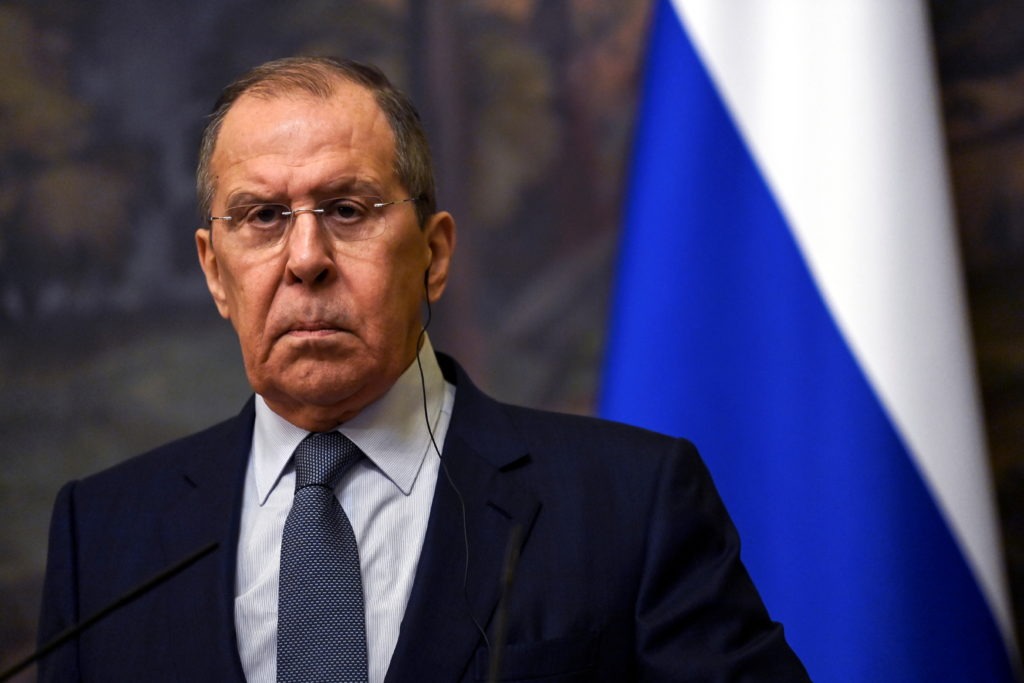
![Security forces eliminated 13 terrorists in five operations across KP, reinforcing efforts to curb militancy in the region. [Image via Pakistan Today]](https://southasiatimes.org/wp-content/uploads/2025/02/IBOs-.webp)
RAWALPINDI: As many 13 terrorists were eliminated during fire exchange with the security forces in five separate operations carried out across Khyber Pakhtunkhwa (KP) on Thursday night, the military’s media wing reported on Thursday.
In a statement the Inter-Services Public Relations (ISPR) said that the first operation took place in the Dera Ismail Khan area.
“During the conduct of the operation, own troops effectively engaged the khwarij location, resultantly, five khwarij including Kharji Shah Gul @ Rohani were sent to hell,” the ISPR said, using a term designating members of the banned Tehreek-i-Taliban Pakistan (TTP).
The statement added that two other encounters took place in North Waziristan, where security forces engaged terrorists in the Dosali and Tappi areas. “Resultantly, five khwarij were effectively neutralised by own troops,” the statement read.
In the third operation in Lakki Marwat, two khwarij were “sent to hell”, while in the Khyber District’s Bagh area, security forces killed another terrorist.
“Weapons and ammunition were also recovered from the killed khwarij, who remained actively involved in numerous terrorist activities against the security forces as well as the killing of innocent civilians,” the ISPR said.
The statement added that sanitisation operations were being conducted, stating that the security forces were “determined to wipe out the menace of terrorism from the country”.
The simultaneous execution of these five operations in KP led to the elimination of 13 terrorists, highlighting the security forces’ proactive approach in combating militancy.
Also See: 3 Soldiers Martyred, 19 Terrorists Killed in Khyber Pakhtunkhwa Operations on Tuesday: ISPR
Earlier on February 7, security forces killed three burqa-clad terrorists during an intelligence-based operation in KP’s North Waziristan district.
“During the conduct of the operation, own troops effectively engaged the khwarij location as a result of which three khwarij were sent to hell, who were trying to escape wearing women’s attire (burqa).”
Pakistan has been grappling with an alarming surge in terror activities targeting security forces and the law enforcement agencies, especially in KP and Balochistan.
The surge follows the banned TTP broke a fragile ceasefire agreement with the government in 2022.
With at least 685 members of security forces losing their lives amid a total of 444 terror attacks, 2024 turned out to be the deadliest year for the civil and military security forces of Pakistan in a decade, according to a 2024 report issued by the Centre for Research and Security Studies (CRSS) think-tank.
According to the ISPR Director General, security forces conducted a total of 59,775 operations last year during which 925 terrorists were killed and 383 officers and soldiers were martyred.
This news is sourced from Pakistan Today and is intended for informational purposes only.

Your trusted source for insightful journalism. Stay informed with our compelling coverage of global affairs, business, technology, and more.