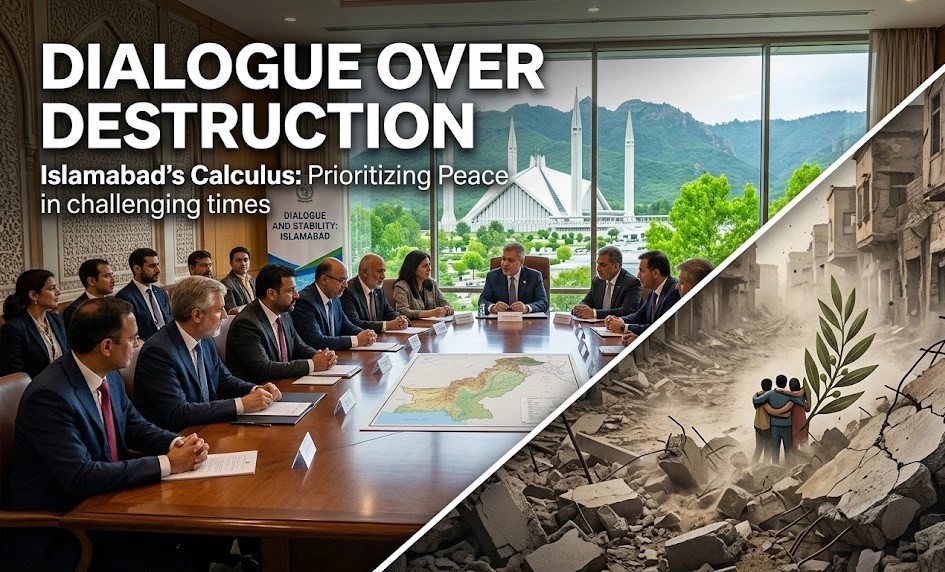
South Asia is home to nearly a third of the world’s Muslims—roughly 600 million people spread across Pakistan, India, Bangladesh, Afghanistan, and beyond. From the alleys of Dhaka to the streets of Delhi, from the mountains of Khyber to the shores of Malabar, their collective fate is shaped by history, geopolitics, and the trials of modern statecraft. But history is rarely just the past—it is a mirror, and for Muslims in South Asia and beyond, one of the sharpest reflections comes from Ramadan’s 17th night: Youm-e-Badr.
The Battle of Badr wasn’t just a military victory; it was the moment that separated truth from falsehood. That is why Youm-e-Badr is called Youm-e-Furqan—the Day of Criterion. A band of 313 ill-equipped believers stood against an enemy three times their size. The outcome was improbable, but it reshaped history. Today, as we look at the crises confronting Muslims worldwide—genocidal violence in Gaza, apartheid policies in India, the erasure of Rohingya identity, the implosion of Afghanistan’s economic system, and Pakistan’s unrelenting security and political challenges—the question arises: What is our Furqan today?
Muslims in South Asia: A Test of Identity and Sovereignty
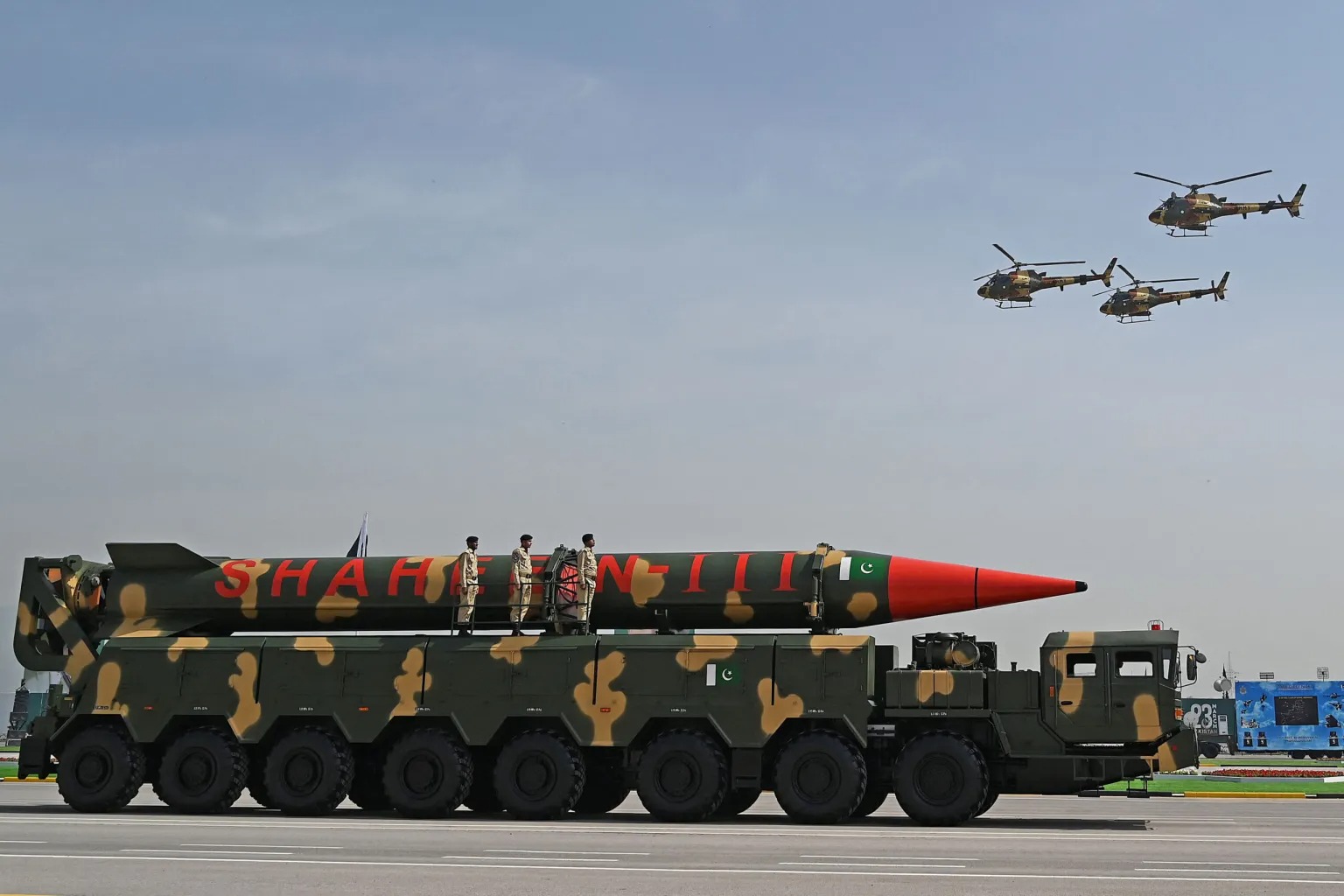
The Muslim experience in South Asia is paradoxical. The region has the largest concentration of Muslims in the world, yet they remain politically fractured, economically volatile, and socially under siege. In India, a concerted project of disenfranchisement is underway—from lynchings to citizenship laws and targeted economic marginalization. In Bangladesh, political authoritarianism and a shrinking democratic space have created new vulnerabilities. Afghanistan remains trapped in isolation, struggling between sovereignty and humanitarian crises. And then there’s Pakistan—arguably the only Muslim-majority nuclear state, yet grappling with internal instability, economic mismanagement, and the ever-present specter of terrorism.
If the Battle of Badr was about faith against odds, then South Asia’s Muslims today face a different kind of battle—one of political survival, institutional decay, and global narratives that consistently sideline their agency. But unlike Badr, there is no singular leader to unify and strategize in the face of these challenges. Yet, while the Prophet Muhammad (PBUH) is no longer among us, his Seerah—his life, wisdom, and statecraft—remains a blueprint for navigating crises. The challenge is not the absence of guidance; it is the failure to apply it in a modern geopolitical landscape. The disunity of Muslim leadership, the absence of a coherent strategy, and the inability to set the terms of engagement in world affairs create a crisis of direction.
Pakistan: A State Still Seeking Its Furqan
Pakistan was conceived as a homeland for Muslims—a state built on an idea, much like the Islamic community that took shape post-Badr. Yet, 77 years on, it struggles to define what that idea truly means. The state oscillates between democracy and authoritarianism, between sovereignty and external dependencies, between fighting terrorism and, at times, incubating it. The recent resurgence of militancy, the economic tailspin, and the political polarization are not isolated issues—they are symptoms of a deeper identity crisis.
The state’s strategic decisions, often driven by short-term gains rather than long-term stability, have created paradoxes: counterterrorism operations that fail to eradicate extremism at its ideological roots, economic policies dictated by foreign lenders, and a political culture that swings between democratic aspirations and military interventions. The question Pakistan faces today is the same that the believers at Badr faced: Who are we, and what do we stand for?
Terrorism, Geopolitics, and the Furqan of Our Time
Terrorism is often presented as a monolithic force, but in reality, it is a byproduct of economic despair, political alienation, and ideological manipulation. In South Asia, terrorism has been used as a strategic tool by states, as a justification for crackdowns, and as a means of proxy warfare. The rise of Hindutva extremism in India, the Taliban’s return in Afghanistan, and Pakistan’s renewed militant threats show that terrorism is not merely a “Muslim problem”—it is a geopolitical instrument wielded by multiple actors.
However, the real crisis for South Asian Muslims is not just external; it is also internal. The absence of intellectual leadership, the failure to produce a modern political vision rooted in Islamic principles, and the lack of a coherent economic roadmap have all contributed to a sense of drift. Unlike Badr, where the lines were clear, today’s battleground is more complex—truth is not merely about military victories but about reclaiming agency in a world where Muslims are often reduced to either victims or villains.
Also See: Afghanistan: Terror Hub or Global Chessboard
A Call to Action: Lessons from Youm-e-Badr for Today
The Battle of Badr was not won by sheer numbers or brute force—it was won through strategy, faith, and unity of purpose. South Asia’s Muslims, and the broader Muslim world, need to find their modern equivalent of these three pillars.
- Strategic Vision: A clear and data-driven approach to governance, foreign policy, and economic revival is needed. Pakistan, in particular, must shift from reactive politics to proactive statecraft.
- Unity of Purpose: Internal divisions—sectarian, political, and ideological—have weakened Muslim states and communities. Badr teaches that unity, even in small numbers, can change the course of history.
- Faith and Reform: Faith must be accompanied by institutional reform. Empty rhetoric about past glories does little; what is needed is a commitment to knowledge, economic independence, and social justice.
The Furqan of our time is not about a single battle—it is about a long struggle to reclaim dignity, power, and purpose. Just as Badr marked the beginning of a new era for the early Muslims, today’s crises must serve as a wake-up call. The question is: Will we recognize our moment before it passes?