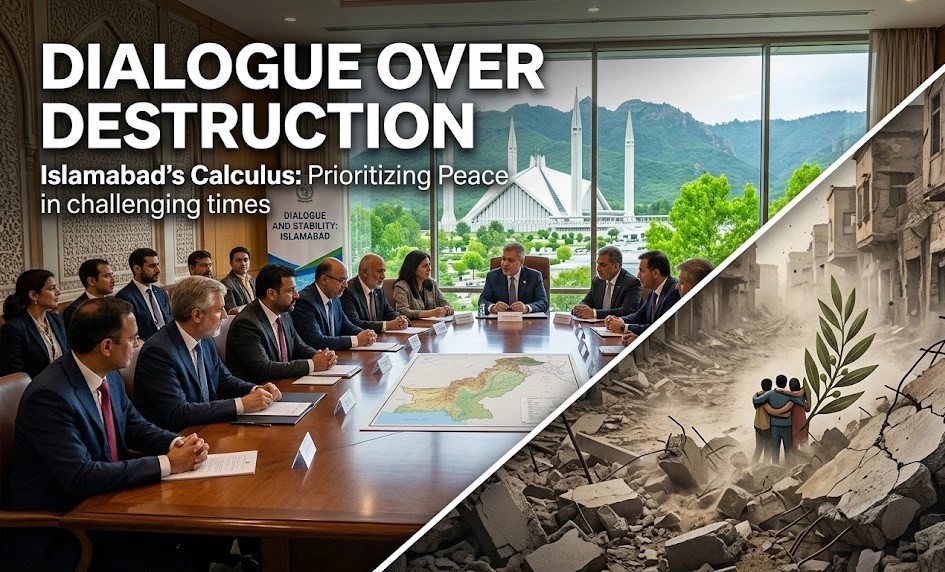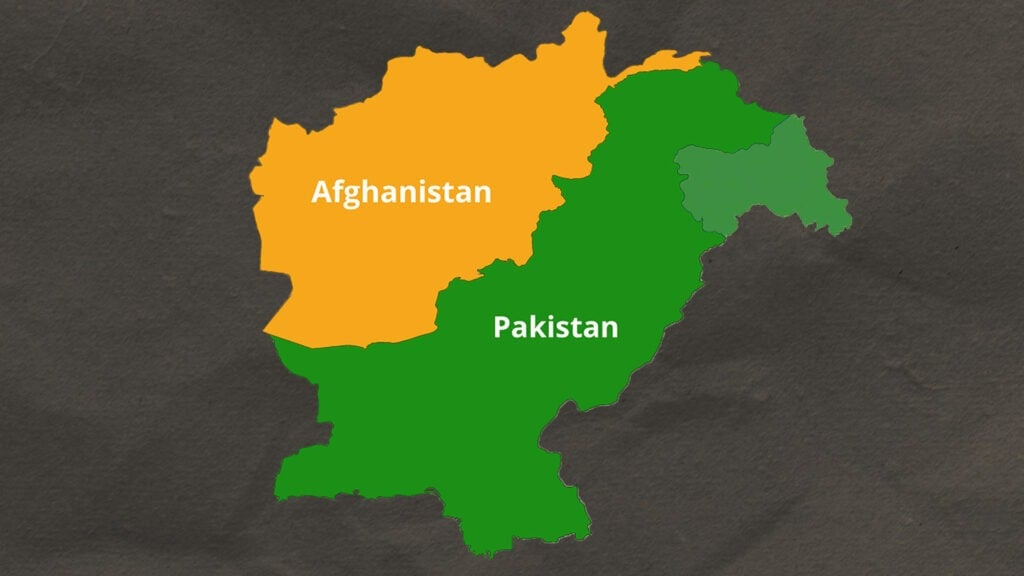
During dark hours of the 26th of February,2026 the Pak-Afghan broke out into a state of violence with the Afghan forces instigating unprovoked attacks on the Pakistani border posts, which led to an immediate and decisive Pakistani retaliation, which spilled into airstrikes on Kabul, Kandahar and Paktia. The ignoble build-up which was christened Operation Ghazab Lil Haq by Islamabad was the paradigm shift to historical antecedents in which Pakistan responses were usually reserved and reactive. However, unlike in previous skirmishes, this conflict demonstrated a changed Pakistani position since Pakistan is more aggressive, proactive and inexorable in relation to the perennial bellicosity of the Taliban regime.
Moving Towards Impactful Strategic Communication
In the past, Pakistan was left behind in the media discourse when having border disputes, Pakistan was responding passively when the Taliban administration deployed vile propaganda, commonly in religious contexts to legitimize jihadist invasions and socio-political sponsorship of such extremist units as the Tehreek-e-Taliban Pakistan (TTP). But this dynamic has deteriorated abysmally as Pakistan is on proactive mode now. The retaliatory strikes were instantly owned by the Ministry of Information (MOI) in Pakistan, which released the statements that not only justified the action but also exposed the religious mispropaganda of Taliban and unmasking how Kabul hypocritically equates Pakistan with Israel while harboring suicide bombers and guiding TTP operations.
This time the media machine in Pakistan has been highly offensive and thrown a spanner in the Afghan stories by real time revelations and counterpropaganda. The state is strengthened by political agreement, where politicians indulged in delusional self-interest, they are all at the same place and they believe in institutional activity focusing on national interests. The Taliban soft power that was once practiced in Pakistan has vaporized.
Shifting from Restraint to Full Deterrence
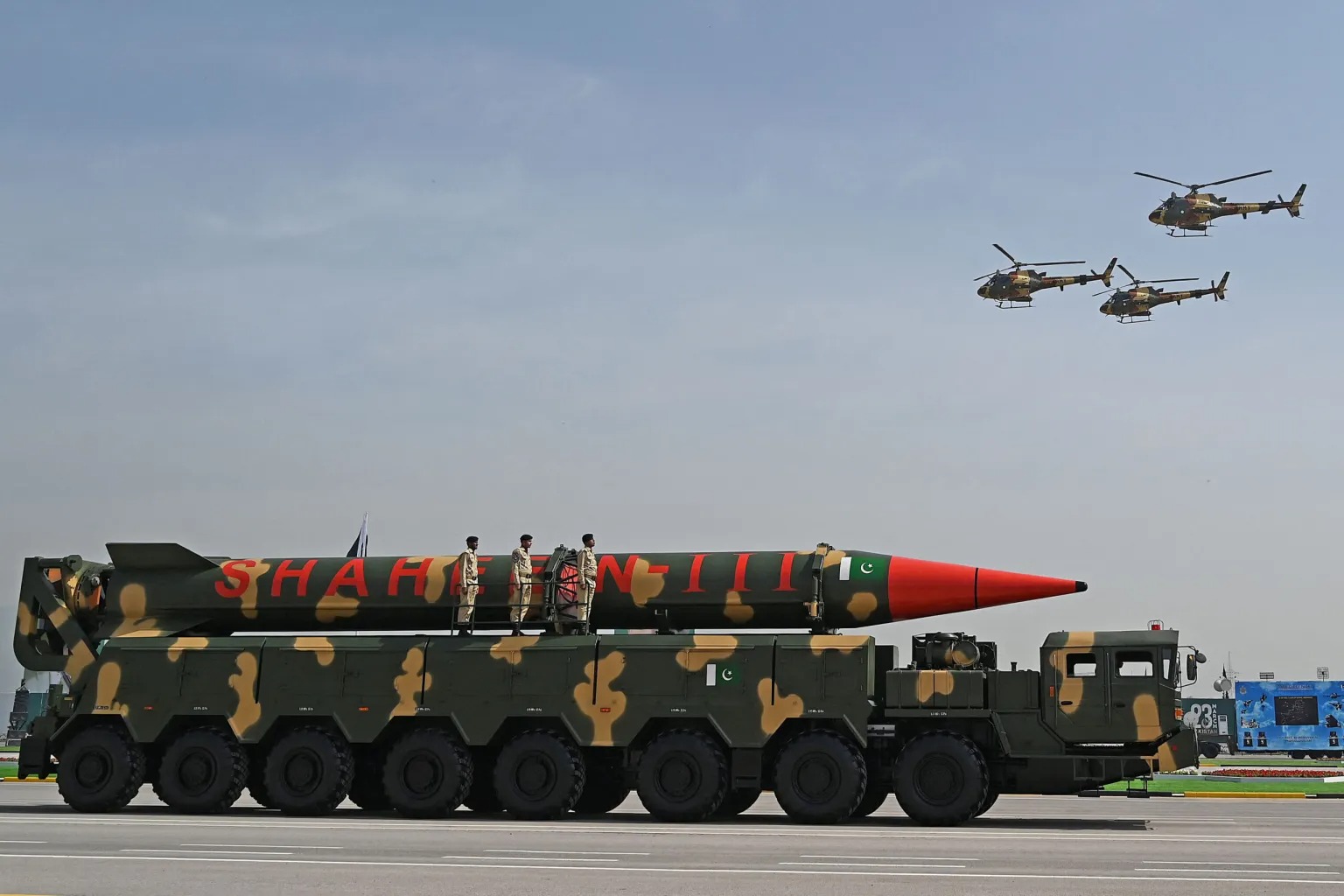
Military actions by Pakistan on the western front were normally kept low profile by not intruding too much to avoid straining the situation in contrast to the full spectrum deterrence that has been used on the eastern front with India. As Abdullah Khan powerfully stated, “In the conventional domain, Pakistan is now the regional superpower,” and there is no doubt that Pakistan is rising high in this field, having masterfully demonstrated its ability to dominate the escalation ladder.
Pakistan has once again proved its capability of controlling the escalation ladder. In May 2025, India wanted to de-escalate on its own terms, but Pakistan dictated its terms and de-escalated when it preferred to. The same happened tonight with #Taliban.
— Abdullah Khan (@AbdullahKhan333) February 27, 2026
In the conventional…
Through a case in point of the 2025 India-Pakistan dispute: after a terrorist assault in Kashmir, India mobilized Operation Sindoor, but Pakistan, with a leveled yet decisive reaction were able to obtain diplomatic and military profit by means of the U.S. mediation, attaining a ceasefire. In the traditional warfare, in 2025, Pakistan has already taken India down, both militarily and diplomatically on the regional level and now the same success is reflected in the West.
This time a fraction of eastern forces shifted to the west, enabling Pakistan to not merely defend borders but penetrate Afghan territory with precision airstrikes, obliterating Taliban defense facilities and inflicting heavy losses. This offensive strike provided a healthy lesson to the evil Taliban and shook their propaganda machine and caused panic to be felt, as they were all flustered and unsynchronized in their response.
Cohesion in Pakistan, What’s Happening in Afghanistan
This Pak-Afghan border conflict is in the form of transformations as seen in the difference in civilian responses across the border. In Pakistan, we have seen in lack of precedence a great degree of national unity, with masses of the population coming to the defence of the decisive action taken by the state. In Afghanistan, people are still divided. These rifts are reminders of the larger regional dangers: unregulated militancy across national borders and vindictive cycles imperil South Asia, already on the verge of extremities due to multipolar tensions. For the region, this escalation underscores the urgent need for de-escalation through mediated dialogue.