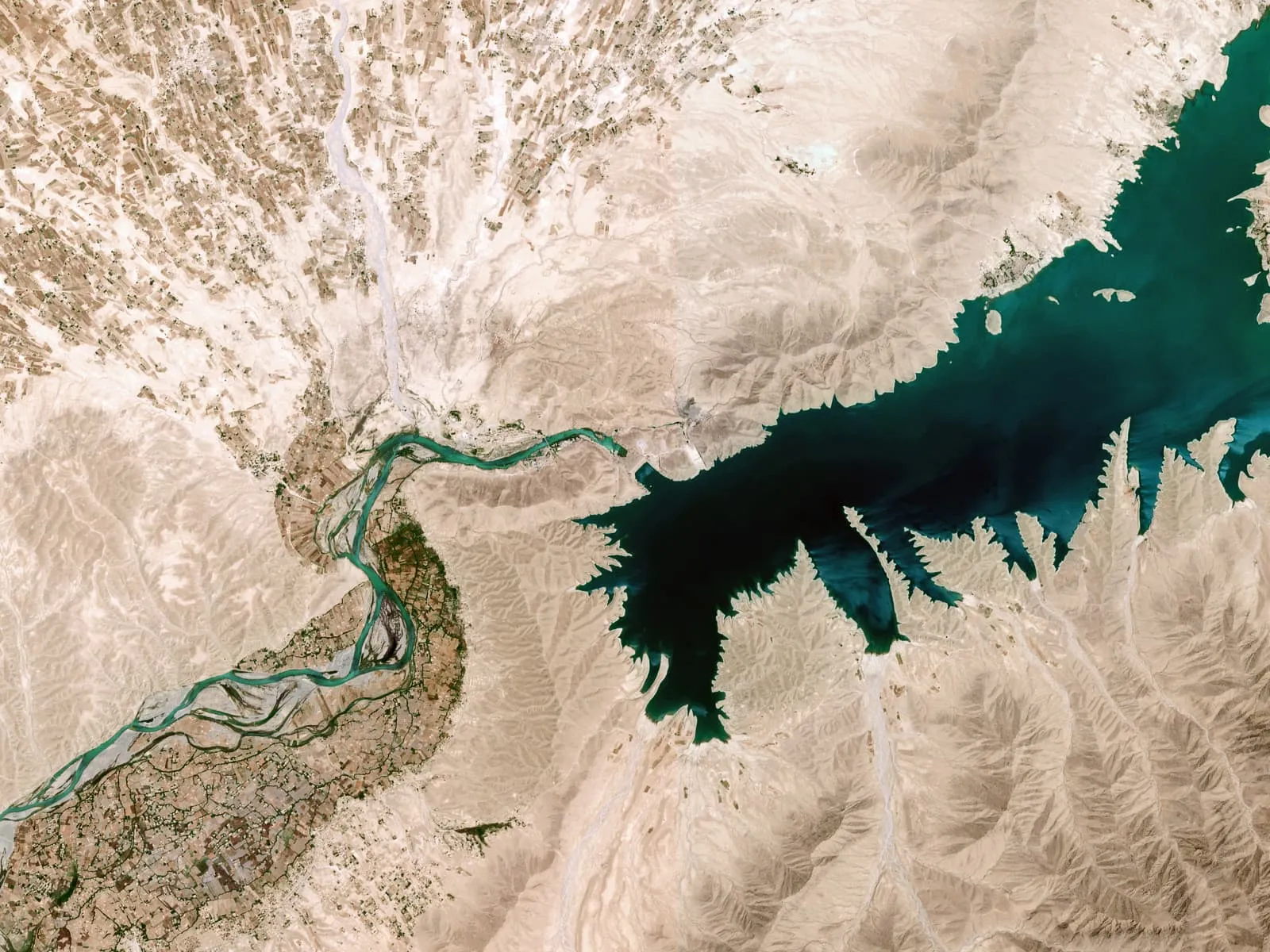
The water crisis has highlighted the fragile relationship between Iran and Afghanistan. This situation has resulted in warnings and, ultimately, violent clashes along the Afghanistan-Iran border.
The recent clash on May 27th, 2023, resulted in the deaths of two Iranian border guards and one fighter of the Islamic Emirate of Afghanistan (IEA). This incident marked a significant escalation in the growing tensions between the two nations.
The incident occurred amidst an ongoing dispute over water rights, further intensifying the strained relationship.
What is at the Heart of the Recent Iran-Afghan Border Clash? So unlike Pakistan and India, Iran and Afghanistan lack significant territorial disputes. However, a growing dispute over water allocation from the Helmand River has been straining their relationship for some time now. Moreover, several factors, including increasing droughts, climate change, and inadequate water management, are intensifying the disagreement. Over the years, the water crisis has worsened due to several factors. These include the unreasoned construction of dams, well-digging, water diversion, and unsuitable crop cultivation. All of these actions were carried out without proper environmental assessments.
Iran-Afghan Water Dispute
The water dispute is always a potential source of conflict between Iran and Afghanistan.
Recently, Iranian President Ebrahim Raisi warned the IEA Government. He urged them not to infringe upon Iran’s water rights regarding the Helmand River.
He also called on the IEA to permit Iranian hydrologists to assess the water levels of the Helmand River. This river originates from Afghanistan’s Hindu Kush Mountain range.
Based on the Helmand River-Water Treaty of 1973, Afghanistan must provide Iran with a designated amount of water from the Helmand River.
The agreed-upon quantity is 26 cubic meters of water per second or 850 million cubic meters annually. However, the treaty also permits reduced water supply in low water levels. Overall, the treaty serves as the basis for sharing water resources between the two countries. It allows for adjustments based on water levels and external factors.
Iran’s Water Crisis
Iran is facing a severe drought, and the Helmand River is a major water source for the country. Iran has become greatly dependent on this water source.
Several factors have affected the water levels of the Helmand River. Prolonged drought and the construction of new dams in Afghanistan, including the Kamal Khan Dam completed in 2021, have significantly influenced Iran’s ability to meet the agreed-upon water allocation.
Following the summer of 2021, protests erupted in Iran due to water shortages. This led to a growing vulnerability to such shortages and a gradual escalation of domestic tension.
The government’s myopic approach to water security has proven detrimental. This issue has been further exacerbated by population growth and the effects of global warming.
As a result, numerous Iranian cities are now facing mounting pressure on water availability. The severity of the issue continues to worsen over time. In 2017, the United Nations warned Iran that the water crisis would become dangerous if left unchecked. Now, the situation is bleak.
Implications of Border Clashes
Afghanistan and Iran must realize that any border clash will affect regional stability and peace.
The IEA government needs to understand that their resurgence in Afghanistan has drastically altered the balance of power in the region. Moreover, with almost no recognition from the international community, the IEA government cannot afford any regional skirmish that can put direct pressure on maintaining peace and stability within Afghanistan and with neighboring countries, as Afghanistan has neither the capacity nor resources. Moreover, the IEA government needs friendly neighbors who can support its reconstruction efforts in the country.
On the other hand, Iran has been facing international pressures, sanctions, and internal issues for some time now and cannot afford to have a hostile border. Iran must also have friendly relations with Afghanistan to discuss the water shortage issues.
Way Forward
To address the water crisis, it is crucial for both Iran and Afghanistan to enhance and clarify existing agreements to address the water dispute effectively.
Over the years, the absence of improved water management and international assistance has increased the worsening crises in both countries. Though the Iranian government attributes the water crisis in the country to climate change and population growth, it is equally responsible for widespread corruption and mismanagement. In addition, despite allocating substantial funds for defense, military programs, and foreign conflicts, the Iranian regime neglects the pressing environmental issues that directly impact the daily lives of its citizens.
There are some challenges that Iran and the IEA government need to address to resolve the water dispute. First and foremost, there is a need for a dialogue, as the two countries will need to find a way to cooperate to manage the water resources of the Helmand River basin. Secondly, both countries must be transparent about their water use and plans for the future, as the unplanned construction of Dams in Afghanistan has affected the water supply to Iran.
With the increasing impact of climate change, the water crisis will only worsen in the future, so both countries need to resolve this issue peacefully; otherwise, the water dispute could become a significant source of conflict between the two countries. Moreover, any conflict between the two countries will severely affect the entire region. The two countries need the international community’s support to resolve the water dispute through dialogue and third-party mediation to curtail the crisis.
The views expressed in this article are the author’s own. They do not necessarily reflect the editorial policy of the South Asia Times.