![Trump's "Liberation Day" tariffs target remote Antarctic territories, including the Heard and McDonald Islands. [Image via Reuters]](https://southasiatimes.org/wp-content/uploads/2025/04/67edcb57b8b41a9673fc7e75.webp)
President Donald Trump’s “Liberation Day” tariffs on Wednesday took aim at unlikely targets — a collection of remote Antarctic territories uninhibited by humans and best known for penguins, seabirds, and glaciers.
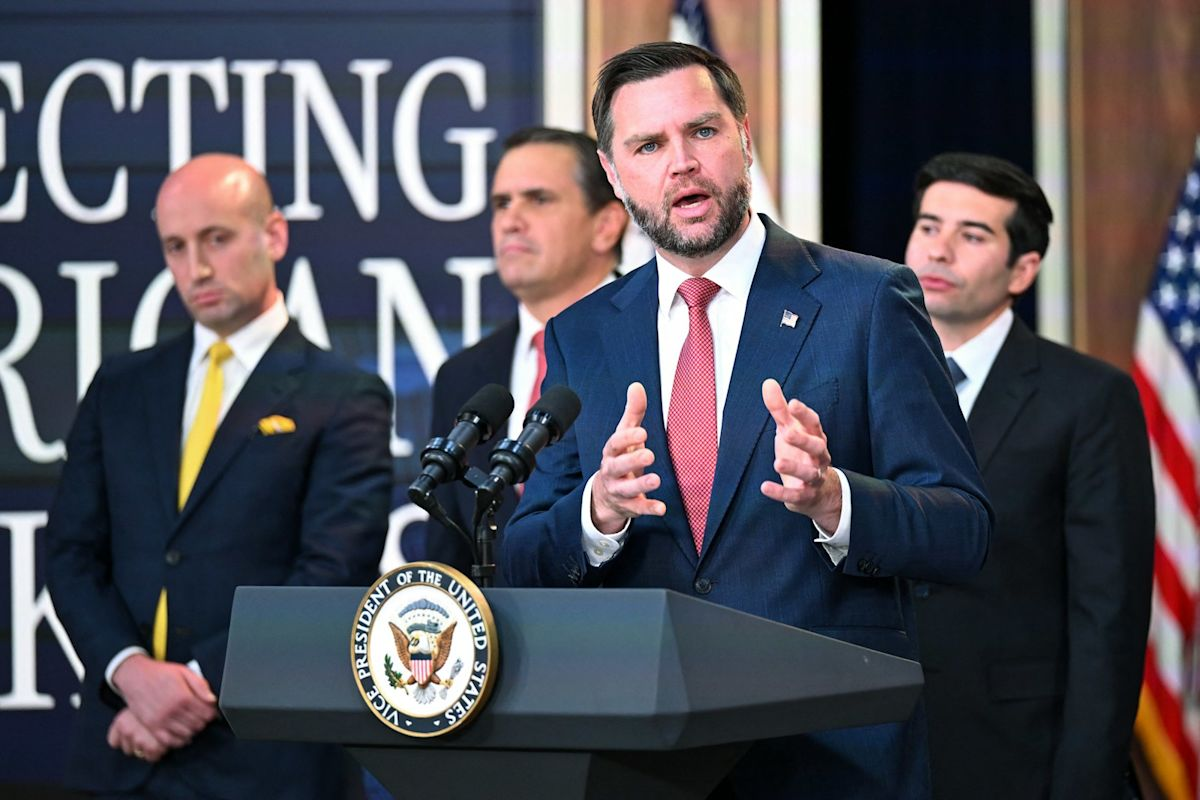
At the press conference held at the White House Rose Garden, Trump revealed a large poster as a visual aid for his announcement. The poster displayed tariffs and other “currency manipulation and trade barriers” that countries have supposedly imposed on the US.
The column beside that showed his reciprocal tariffs on those countries, ranging from 10% to 50%.
Among them were the Heard and McDonald Islands, which, notably, are not countries but Australian external territories with no permanent human residents.
According to Trump’s poster, the Heard and McDonald Islands had imposed a 10% tariff on the US. The White House confirmed to BI that the islands were hit with reciprocal tariffs because they are Australian territories.
Also See: More Than 50 Nations Reach Out to US for Trade Negotiations After Tariffs Imposed
Located in the southern Indian Ocean, the Heard and McDonald Islands span roughly 37,000 hectares — slightly larger than Philadelphia. They are covered in glaciers and volcanic rocks and are home to large populations of rockhopper penguins and their predator, the southern elephant seals.
The islands are located about 2,500 miles southwest of Perth, Australia. The territory is managed by the Australian Antarctic Division, which oversees conservation efforts and climate research.
The islands are also recognized for their natural values and are protected under the World Heritage Convention.
The Christmas Island and Cocos Keeling Islands, which are also Australian external territories, were hit with 10% tariffs. According to the latest available data from the Australian Bureau of Statistics, Cocos Keeling Islands have a human population of less than 600 people.
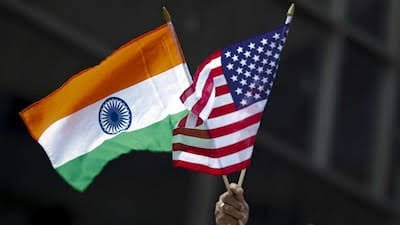
Trump’s “Liberation Day” tariffs hit some countries harder than others. China was hit with a 32% tariff, the European Union with 20%, and India with 26%. Australia, like its external territories, was hit with a 10% tariff.
Canada and Mexico weren’t on the tariff list shown Wednesday, though they didn’t get off scot-free: Previous 25% tariffs on most goods from those nations remain in place.
In response to a request for comment from BI, representatives for the Australian Antarctic Division directed BI to the Australian Department of Foreign Affairs and Trade, which did not respond.
This news is sourced from Business Insider and is intended for informational purposes only.

Your trusted source for insightful journalism. Stay informed with our compelling coverage of global affairs, business, technology, and more.