While the world is witnessing an unprecedented wave of conflicts in West and South Asia, there are a few happenings which do not usually come on to the radar. Developments that often lay down the game plan in the open.
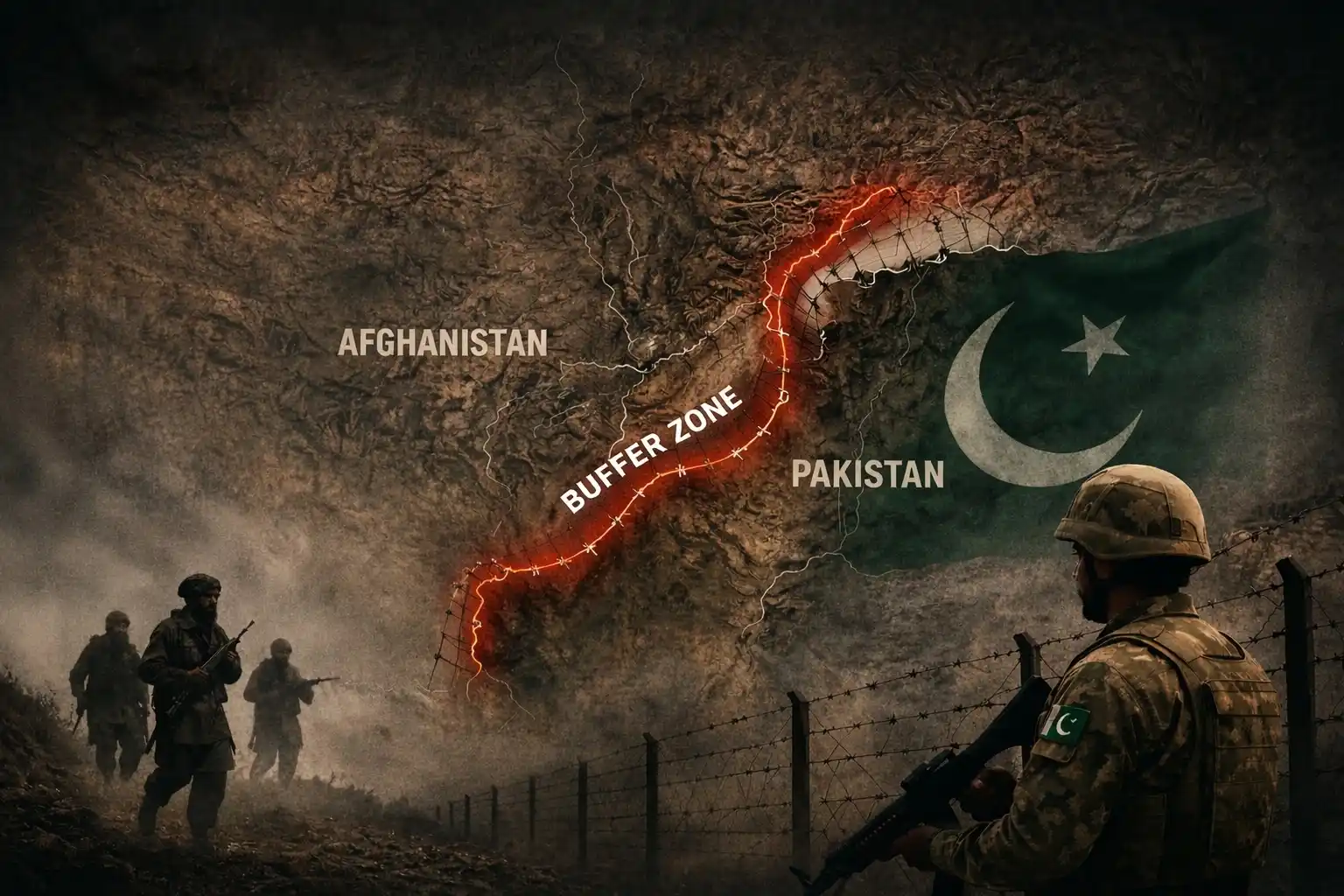
Pakistan is engaged inside Afghanistan, pushing the Taliban regime and its proxies, destroying their military infrastructure and hitting where the hideouts of these proxy terrorist organizations are believed to be entrenched in.
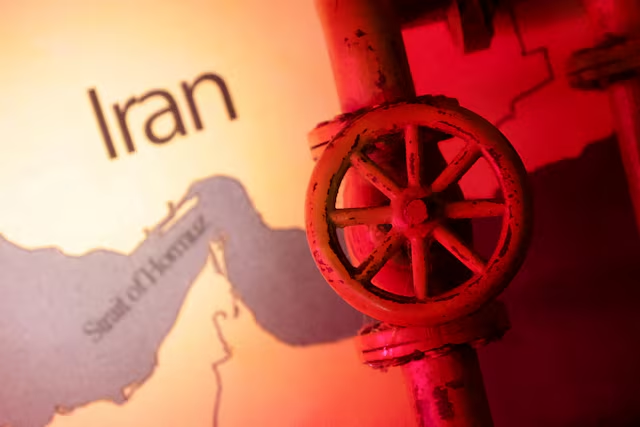
But there is another game at play in the southwest of Pakistan. The closure of the Strait of Hormuz has triggered a global oil and gas crisis, particularly for the countries in this region. United States and Israel are not budging from their course of action, Iranians are defiant in the face of their aggression and as a result, global peace and trade are both suffering. In Pakistan, this has trigged a sudden, unrealistic price hike in oil products and similarly, India was no expectation, only until yesterday.
India was slapped by an initial 25% tariff by the Trump administration and later on with a 50% tariff, just to feel the heat for its defiance to the US. The tariff came as a coercion tactic from the Trump administration for buying Russian oil. The Trump administration believed that Russia was getting benefit through these sales to India and was funding its campaign in Ukraine. India significantly reduced its purchases under this continuous pressure from Washington.
Then came the Modi visit to Israel in the last week of February 2026, before the start of the US-Israel strikes on Iran and the closure of the Strait of Hormuz. The strait is believed to be vital for the Indian economy. Nearly, 40% of its trade, in particular oil products travel through this corridor. Shutting down of Hormuz means, shutting down a huge Indian economic machinery within weeks. But the visit of Israel might have yielded results.
We saw and Col Douglas Macgregor, the former advisor to the US Secretary of Defense, spilled the beans that Indians are providing docking and refueling facilities to the US naval armada at their ports. Then came the scandal of the Iranian warship Dena’s sabotage in the high seas, which was the guest to the Indians. This, many analysts believe, is a quite submission by the Indian Modi government to the US and Israeli game plan. A move many are terming as a loss to Indian stance with regards to Iran and Palestine. Although this is not the first time Indians have taken such a U-Turn, but it definitely is a visible in the current theatre of conflicts.
This move did not come without dividends. The same US administration, which pressurized Indians for bailing out on Russians, is now allowing them to buy crude oil from Russians in the high seas for the next one month stating that these purchases may not benefit Russians very much. But who is there to look into the books of Russians for now? Isn’t it all about benefitting the very state, that is India, which is right now a direct partner to this conflict and now benefiting out of it?
Indians may have played smart to keep their economy running and to be in the good books of the US and Israel, but they perhaps have become complacent in the gameplay in a long term. Something, which the strategic community even inside India, is looking at with skepticism and concerns.While the world is witnessing an unprecedented wave of conflicts in West and South Asia, there are a few happenings which do not usually come on to the radar. Developments that often lay down the game plan in the open.
Pakistan is engaged inside Afghanistan, pushing the Taliban regime and its proxies, destroying their military infrastructure and hitting where the hideouts of these proxy terrorist organizations are believed to be entrenched in.
But there is another game at play in the southwest of Pakistan. The closure of the Strait of Hormuz has triggered a global oil and gas crisis, particularly for the countries in this region. United States and Israel are not budging from their course of action, Iranians are defiant in the face of their aggression and as a result, global peace and trade are both suffering. In Pakistan, this has trigged a sudden, unrealistic price hike in oil products and similarly, India was no expectation, only until yesterday.
India was slapped by an initial 25% tariff by the Trump administration and later on with a 50% tariff, just to feel the heat for its defiance to the US. The tariff came as a coercion tactic from the Trump administration for buying Russian oil. The Trump administration believed that Russia was getting benefit through these sales to India and was funding its campaign in Ukraine. India significantly reduced its purchases under this continuous pressure from Washington.
Then came the Modi visit to Israel in the last week of February 2026, before the start of the US-Israel strikes on Iran and the closure of the Strait of Hormuz. The strait is believed to be vital for the Indian economy. Nearly, 40% of its trade, in particular oil products travel through this corridor. Shutting down of Hormuz means, shutting down a huge Indian economic machinery within weeks. But the visit of Israel might have yielded results.
We saw and Col Douglas Macgregor, the former advisor to the US Secretary of Defense, spilled the beans that Indians are providing docking and refueling facilities to the US naval armada at their ports. Then came the scandal of the Iranian warship Dena’s sabotage in the high seas, which was the guest to the Indians. This, many analysts believe, is a quite submission by the Indian Modi government to the US and Israeli game plan. A move many are terming as a loss to Indian stance with regards to Iran and Palestine. Although this is not the first time Indians have taken such a U-Turn, but it definitely is a visible in the current theatre of conflicts.
This move did not come without dividends. The same US administration, which pressurized Indians for bailing out on Russians, is now allowing them to buy crude oil from Russians in the high seas for the next one month stating that these purchases may not benefit Russians very much. But who is there to look into the books of Russians for now? Isn’t it all about benefitting the very state, that is India, which is right now a direct partner to this conflict and now benefiting out of it?
Indians may have played smart to keep their economy running and to be in the good books of the US and Israel, but they perhaps have become complacent in the gameplay in a long term. Something, which the strategic community even inside India, is looking at with skepticism and concerns.