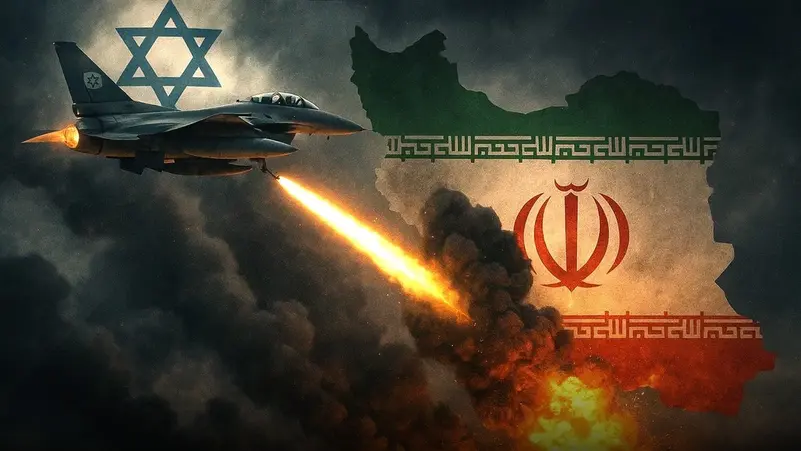
The systemic erosion of the principle of universal human rights is nowhere more acutely visible than in the global response to conflicts involving Western allies. When serious allegations of large-scale violations, including genocide, are leveled against a state like Israel, the diplomatic and financial systems of the United States and Europe often deploy vetoes and comprehensive aid packages rather than sanctions and censure.
This fundamental duality, where moral outrage is selectively applied and strategic alliances are prioritized over accountability, reveals a critical structural flaw. The Universal Declaration of Human Rights (UDHR), adopted in 1948 as the global community’s foundational promise, has been subverted, operating not as a consistent moral code but as a malleable political resource. Consequently, the contemporary human rights paradigm, deeply rooted in a Western-centric model, is systematically compromised by its selective application. The function of this framework has evolved to serve primarily as a strategic tool for powerful states to advance their geopolitical and economic interests, rather than ensuring the uniform protection of human dignity worldwide.
The prevailing global concept of human rights is inextricably linked to the historical trajectory of the West. Philosophically, it derives heavily from the European Enlightenment, prioritizing the civil and political sphere, often termed negative rights, requiring state restraint, over the socio-economic realm, or positive rights, requiring state provision. Following World War II and the collapse of empires, the United States and its Western allies, leveraging their ideological and economic hegemony, institutionalized this liberal democratic model as the default governance and ideological model of the world.
This Western genealogy faces an escalating challenge to its purported universality. Many states, particularly those in the Global South, argue that this model constitutes a form of cultural imperialism. They contest the prioritization of individual liberties over collective well-being, national sovereignty, and economic development. This opposition is best exemplified by concepts such as Asian values, historically championed by countries like Singapore and China, which subordinate immediate liberal freedoms to state stability and the fundamental right to subsistence and economic progress.
Furthermore, the expansion of the Western definition in recent decades, notably the inclusion of rights related to sexual orientation and gender identity, has sharpened this ideological cleavage. These contentious inclusions, while progressive within liberal democracies, are viewed by many traditional and conservative societies across Asia, Africa, and the Middle East as culturally alien impositions. The resistance is not merely political, it is perceived as an existential threat to long-held societal norms, further cementing the view that the international human rights framework is a discretionary Western instrument, often employed to enforce controversial cultural constructs.
The Doctrine of Expediency
The structural weakness of the human rights regime lies in the profound gap between its universal rhetoric and its highly selective practice. This systematic hypocrisy transforms the framework into a potent diplomatic weapon, wielded only when convenient for powerful states.
The Cold War provided the blueprint for the instrumentalization of human rights, demonstrating that strategic alignment consistently outweighed moral concern. The imperative of containing communism dictated that the US and its allies would routinely overlook, fund, and train autocracies with catastrophic human rights records if they served as bulwarks against Soviet influence.
A primary example lies in South America, particularly the Southern Cone. Washington sustained military and financial support for brutal right-wing military juntas, such as the regimes of Augusto Pinochet in Chile (post-1973 coup) and the military dictatorships in Argentina and Brazil. These regimes systematically employed state terrorism, including torture, mass killings, and forced disappearances, yet they retained Washington’s backing solely because of their fierce anti-communist stance. Similarly, US policy towards the Shah’s regime in Iran (pre-1979) was guided by strategic interests, oil supply and regional containment. Despite the notorious human rights abuses, pervasive torture, and suppression of dissent by the Shah’s SAVAK secret police, Washington maintained robust support. In these instances, human rights were treated as a rhetorical tool to criticize the Soviet bloc, but never as an immutable criterion for alliance membership.
The double standard did not disappear with the Cold War, it simply evolved to prioritize market access and financial integration. Western financial systems and corporations have shown a profound willingness to enable autocrats, proving that commercial and economic objectives often trump stated moral concerns.
Prior to Russia’s full-scale invasion of Ukraine, Western financial centers (notably London and New York) facilitated the seamless flow of wealth for Russian oligarchs and the ruling elite. This entanglement persisted even though Russian human rights abuses in the Caucasus, specifically the widespread reports of torture, extrajudicial killings, and enforced disappearances in Chechnya and Dagestan, were extensively documented by international watchdogs. Crucially, Russian President Vladimir Putin and his inner circle maintained personal access to European financial markets and assets. This pervasive access was only meaningfully curtailed through targeted sanctions after the direct geopolitical conflict over Ukraine began in 2014, not earlier due to human rights concerns. The West’s desire for financial integration and resource stability effectively provided impunity, demonstrating that access to capital markets offered a critical shield against meaningful geopolitical pressure.
The Case of Pakistan
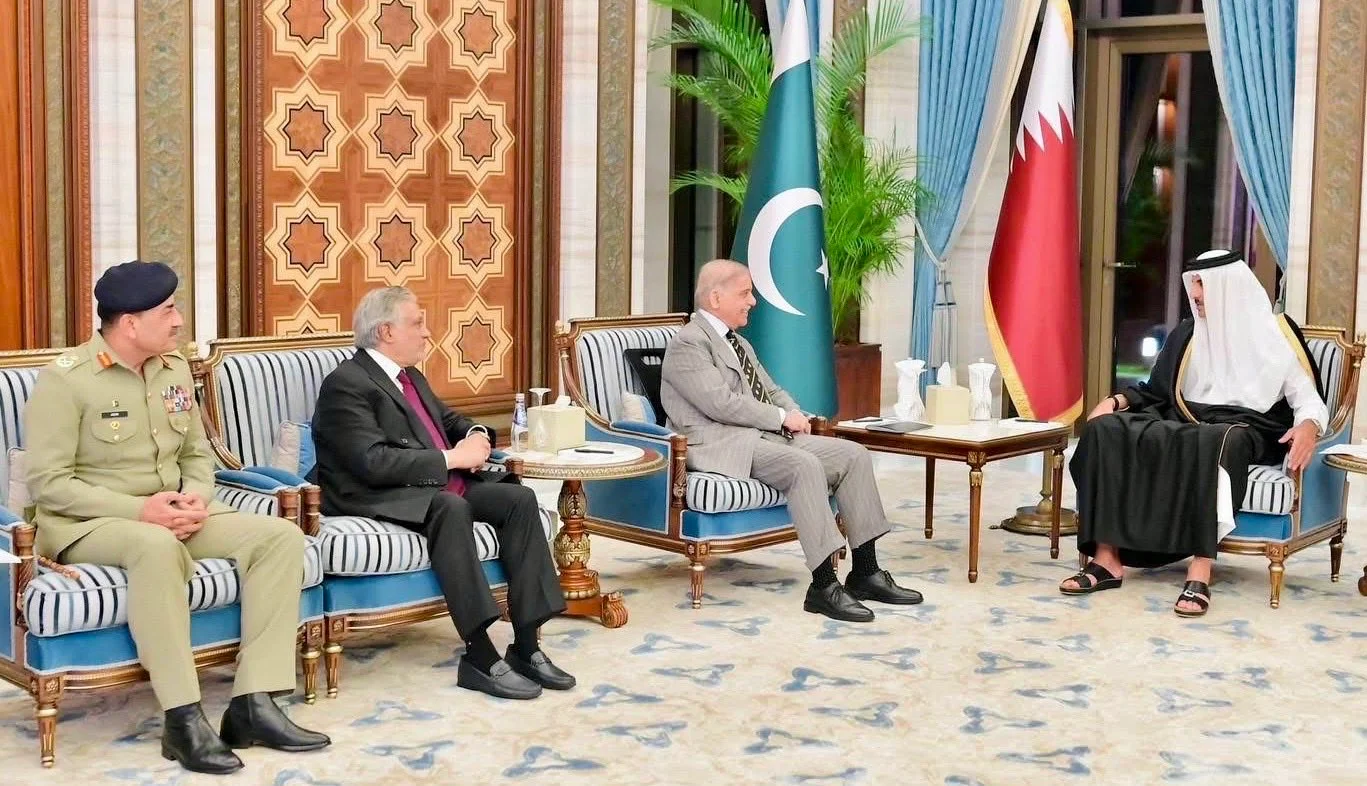
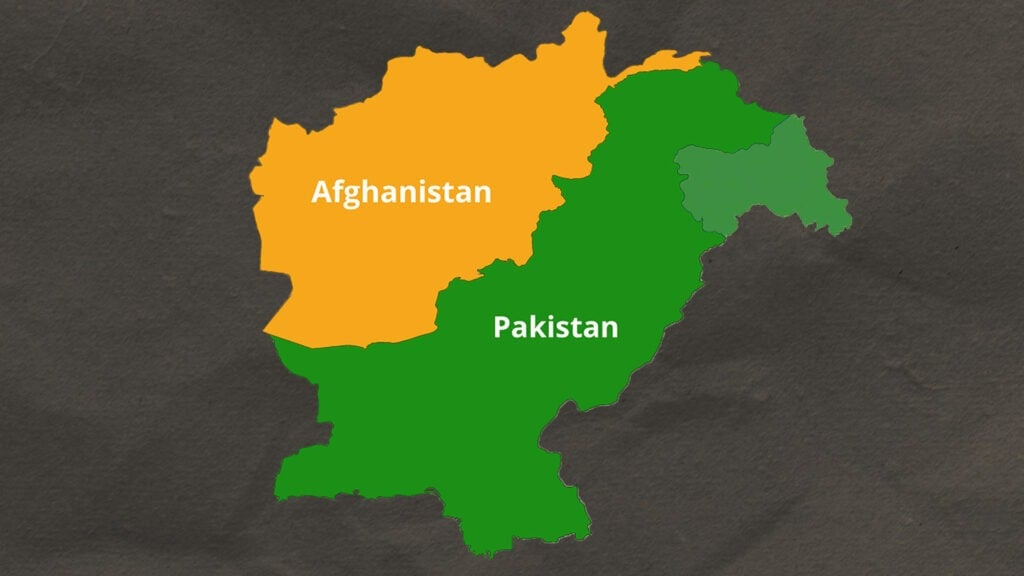
Nations that hold crucial but often non-aligned or regionally complex positions, such as Pakistan, face intense and intermittent scrutiny driven by shifting geopolitical winds.
Post-9/11, Pakistan was uniquely challenged to maintain its historical and moral standing on issues like Kashmir and Palestine. Occupying powers successfully exploited the global War on Terror narrative to conflate legitimate liberation movements with global terrorist groups, making diplomatic support for these causes a complicated and often jeopardized balancing act. Pakistan has had to navigate Western pressure to sever or justify ties to political support structures for these movements, even as its own domestic actions come under continuous, targeted scrutiny.
This scrutiny is sharply visible in key domestic areas: the application of strict blasphemy laws and limitations on political expression. Crucially, criticism is also deployed against domestic action taken against individuals accused of diplomatic, narrative, or political support for groups deemed extremist. This moral critique, however, often overlooks that similar acts of perceived incitement or ideological subversion can result in severe and rapid legal action within Western democracies themselves, exemplified by France and Italy utilizing deportation or exclusion orders against certain foreign-born Imams accused of promoting radical views.
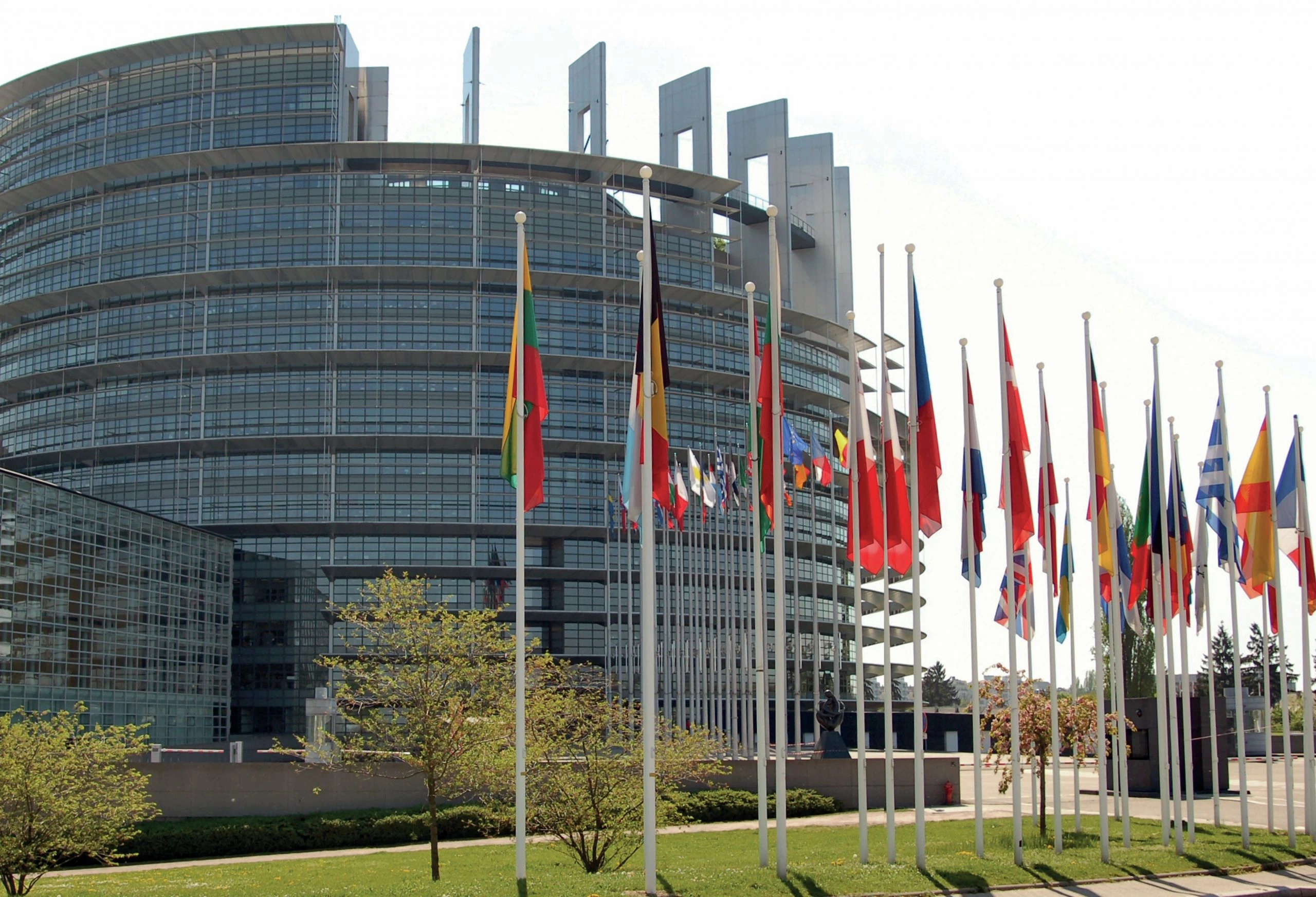
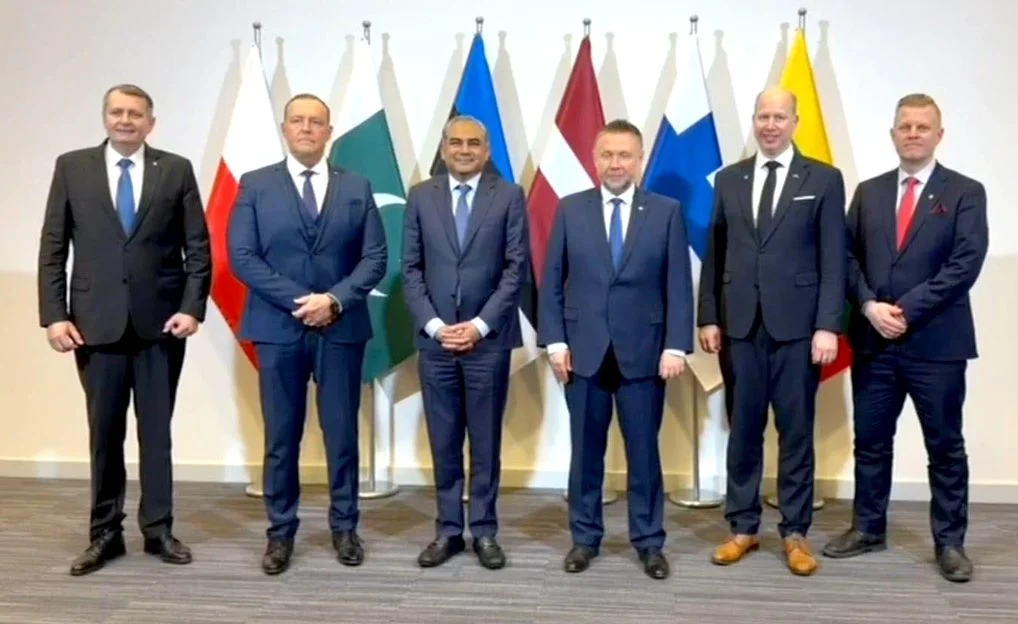
Furthermore, access to critical economic levers, such as the EU’s GSP+ status which grants preferential market access, is made conditional on the signatory state’s adherence to numerous international human rights and labor conventions, effectively ensuring that economic engagement remains a coercive tool for enforcing Western-defined norms. Yet, the moral critique is often amplified by Western actors when it serves to exert diplomatic leverage.
This intermittent and politically motivated application reinforces the perception in capitals across the Global South, that the human rights critique is not an objective measure of justice, but a discretionary weapon to be deployed against targets while being conveniently ignored for strategic partners.
The Path Forward
The cumulative effect of this selective enforcement is an accelerating fragmentation of the global moral and legal order. We are moving beyond an era of mere hypocrisy into one of institutionalized divergence, where the legitimacy of international human rights standards faces a profound crisis.
The repeated failure of accountability mechanisms, epitomized by the systemic impunity powerful states grant themselves and their allies, has convinced many in the Global South that the Western framework is fundamentally a tool of hegemony. This structural failure creates a vacuum, encouraging the formalization of competing governance paradigms. These alternative systems explicitly reject liberal individual rights as the ultimate primacy, instead prioritizing state sovereignty, national cohesion, and economic stability as non-negotiable prerequisites for order. This fracturing of shared morality makes it exponentially harder to address complex global humanitarian crises, as every intervention or critique is immediately dismissed by targeted states as self-serving foreign interference.
The future effectiveness of human rights depends on escaping this zero-sum geopolitical trap. This requires either a radical, demonstrable shift in Western consistency, where the protection of human dignity universally eclipses narrow strategic utility, or it necessitates that powerful non-Western states integrate a genuinely consistent, multilateral baseline of humanitarian protection into their emerging global models. Without a commitment to impartial application, human rights will remain paralyzed, functioning only as a weapon of the powerful, rather than the universal shield intended for the vulnerable.


![Ukrainian and Russian flags with soldier silhouettes representing ongoing conflict. [Image via Atlantic Council].](https://southasiatimes.org/wp-content/uploads/2026/02/2022-02-09T000000Z_1319661209_MT1NURPHO000HXCNME_RTRMADP_3_UKRAINE-CONFLICT-STOCK-PICTURES-scaled-e1661353077377.jpg)