
India’s Climate Policy after COP28: Net Zero 2070 — A Fair Promise or a Risky Postponement?
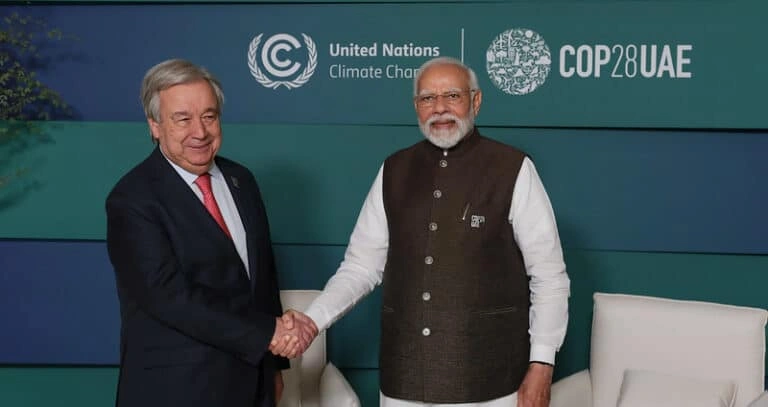
India’s Net Zero 2070 target reflects a delicate balance between development equity and climate urgency. While progress in renewables, green finance, and adaptation is visible, the absence of clear interim milestones risks turning ambition into delay. The real challenge lies in translating a distant horizon into measurable, near-term climate action before 2030.
The Indo-Afghan Arc: Rewriting Pakistan’s Strategic Geography
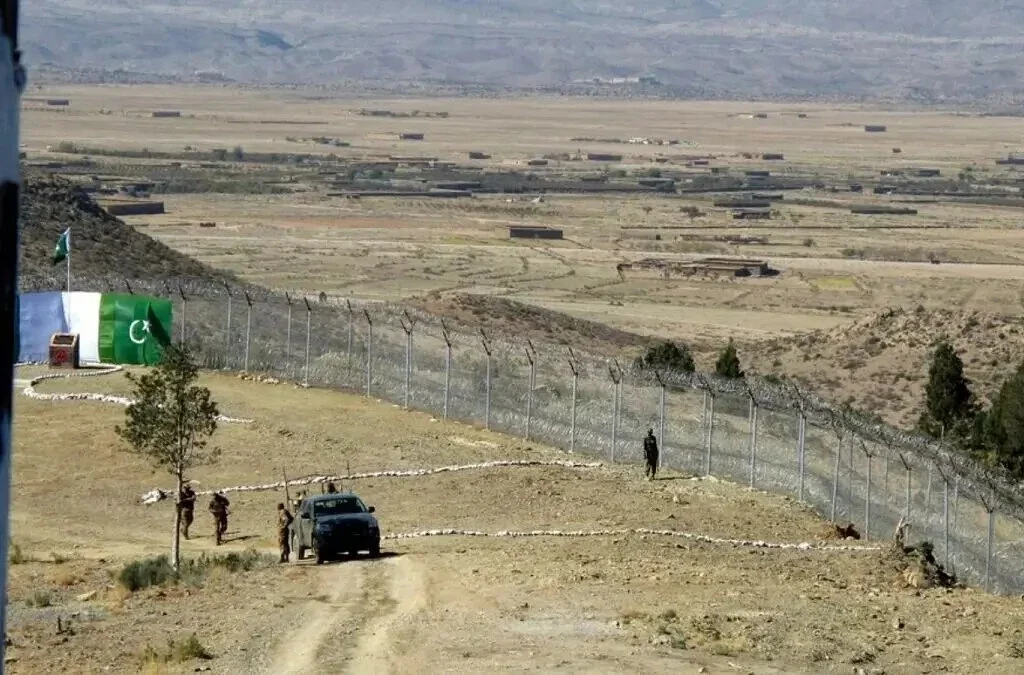
The deepening India-Afghanistan engagement marks a new strategic era in South Asia. Beneath the façade of humanitarian cooperation lies a calculated effort to constrict Pakistan’s strategic space, from intelligence leverage and soft power projection to potential encirclement on both eastern and western fronts. Drawing from the insights of Iqbal and Khushhal Khan Khattak, this analysis argues that Pakistan must reclaim its strategic selfhood, strengthen regional diplomacy, and transform its western border from a vulnerability into a vision of regional connectivity and stability.
What is Durand Line?
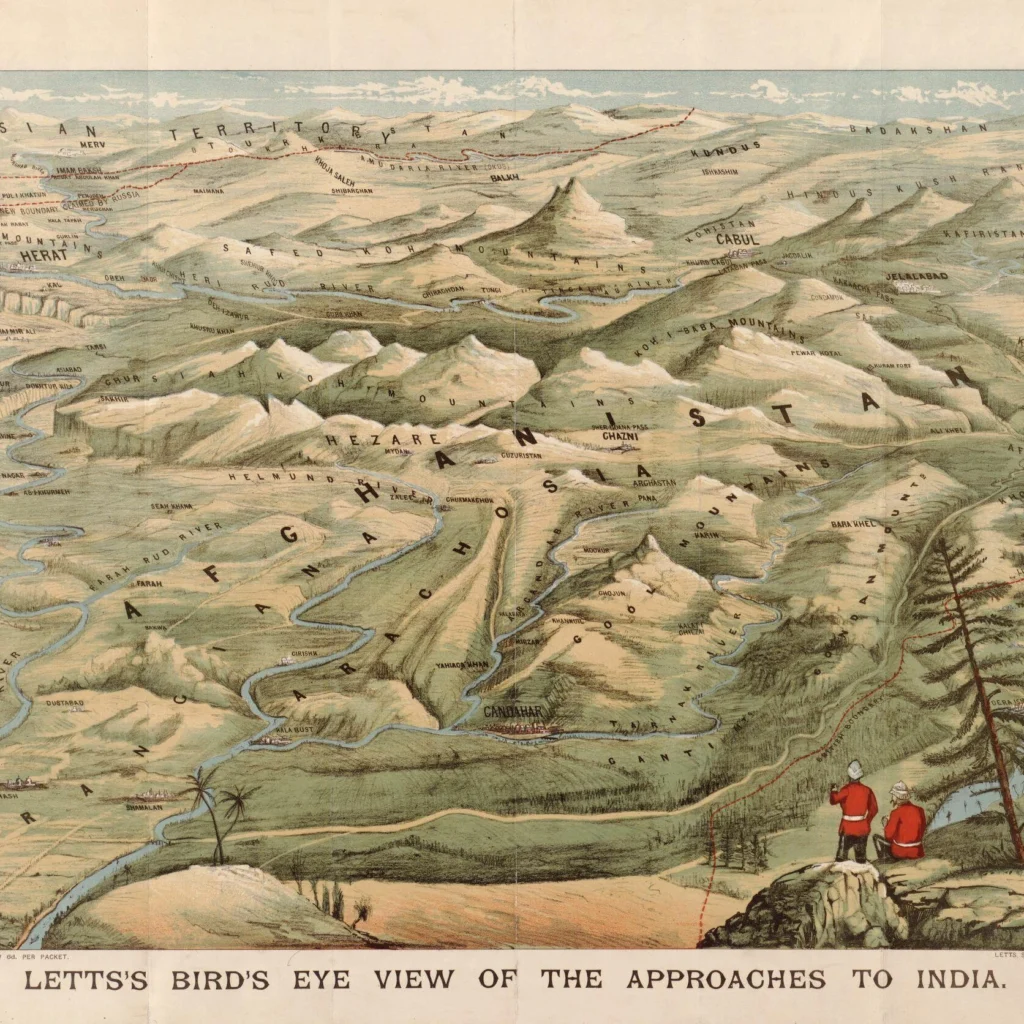
The Durand Line, a 2,670-kilometer border drawn in 1893 between Afghanistan and British India, remains one of South Asia’s many contentious frontiers. Rejected by every Afghan government but recognized internationally, it symbolizes the region’s colonial legacy and ongoing power struggles. This backgrounder explores its origins in the Great Game, the legal and political controversies surrounding it, and its lasting impact on Pakistan-Afghanistan relations and regional security.
Revising the Agnipath Scheme: Preserving the Gorkha Legacy in India-Nepal Relations

The introduction of India’s Agnipath scheme has stalled the historic Gorkha recruitment process, challenging a 200-year-old tradition and Nepal’s economic stability. This paper argues for a Hybrid Gorkha Model, a reformative structure extending service terms to 7–10 years with pension guarantees and skill development. Such a model not only preserves the Gorkha legacy but also strengthens India–Nepal bilateral ties amid evolving regional geopolitics.
India’s Deepening Socioeconomic Crisis: Inequality, Unemployment, and the Erosion of Livelihoods
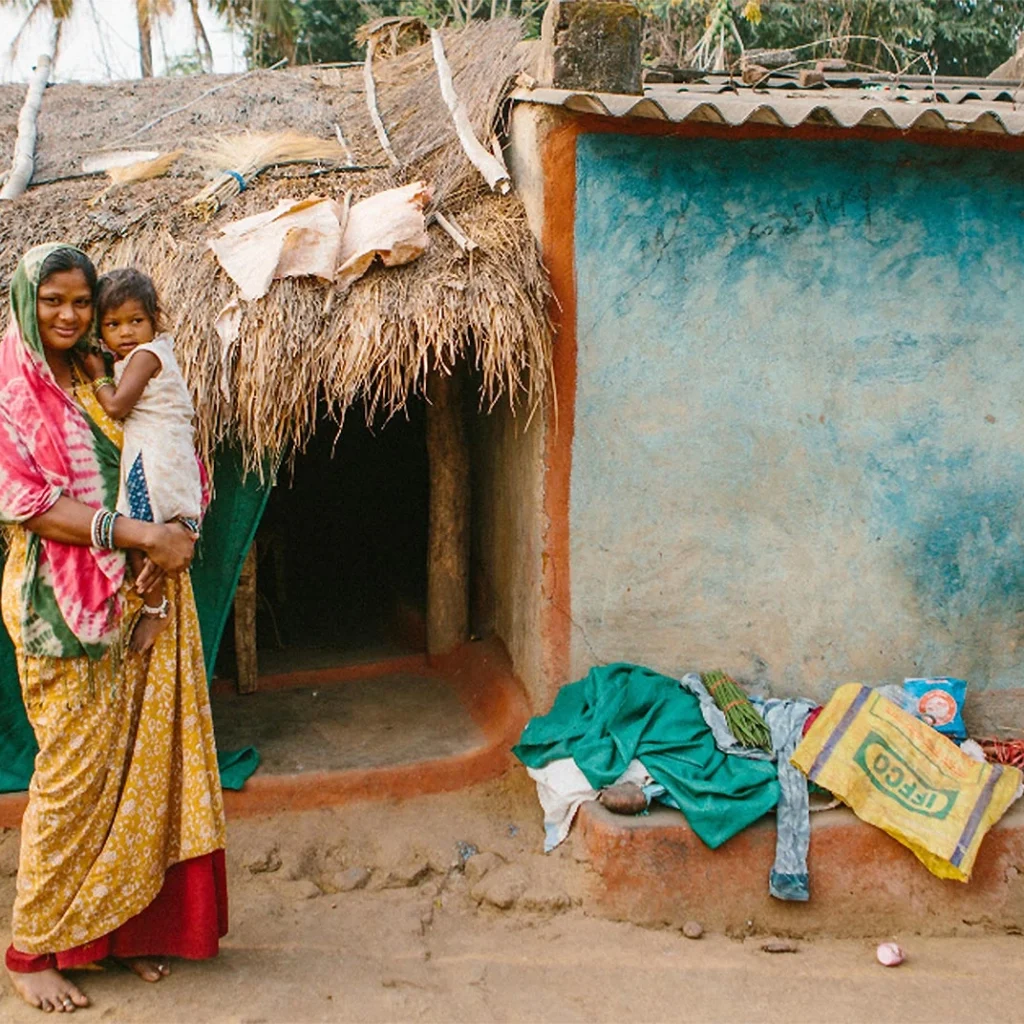
India’s rapid economic growth hides a deepening crisis of inequality, unemployment, and poverty. As corporate wealth expands, millions struggle for basic survival—exposing the fragility of the country’s neoliberal growth model.
The Indian Muslim: Living Between Faith and Fear
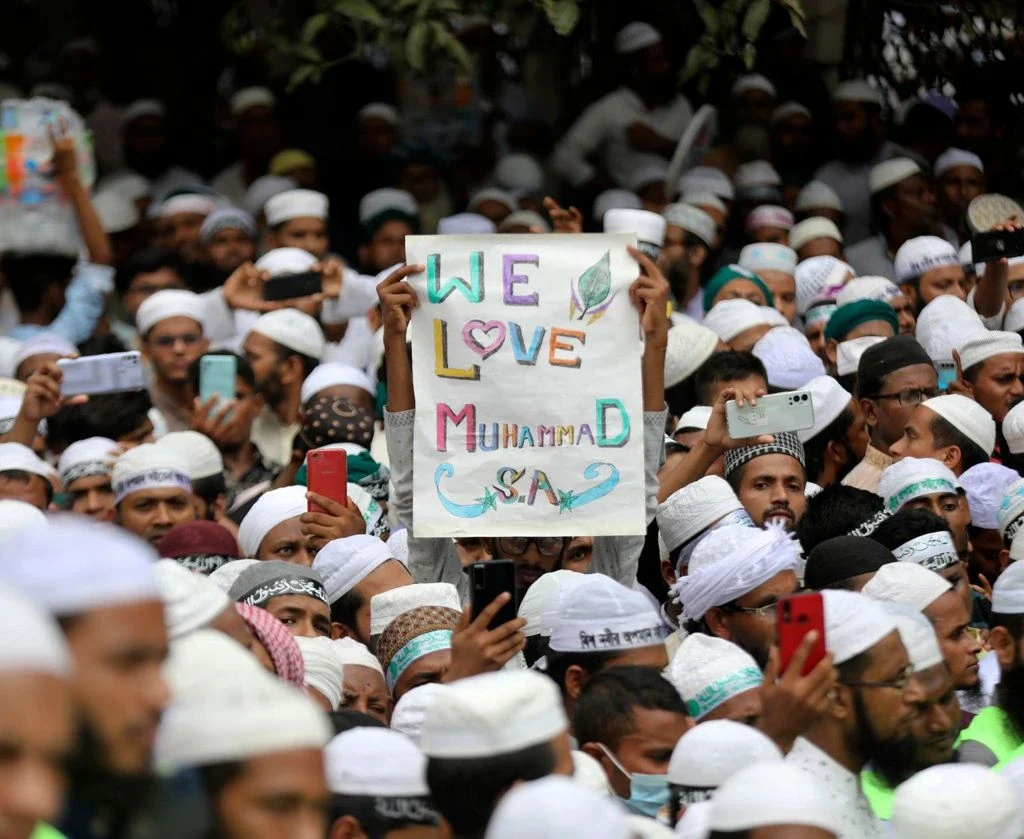
In September 2025, a simple expression of faith became a crime. When a devotional social media trend, the ‘I Love Muhammad’ campaign, went viral, it was deliberately framed as a provocation by authorities. The state’s response was swift and brutal: mass arrests and punitive demolitions that turned a peaceful act of devotion into a national flashpoint, revealing a clear intent to police and punish Muslim identity itself.
After Sheikh Hasina’s Exit, Can India Rebuild Its Strategic Ties with Bangladesh by Pushing Dhaka Towards the Quad?
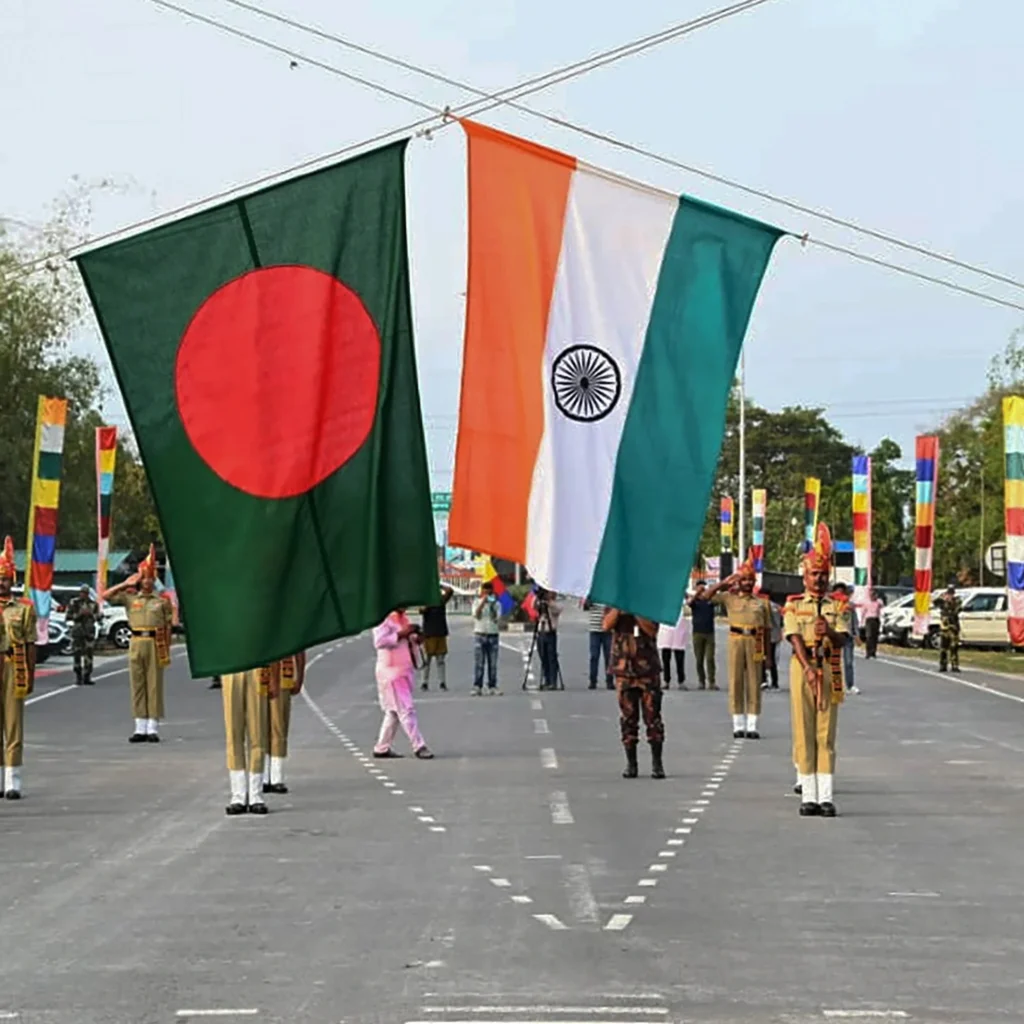
Sheikh Hasina’s resignation ended India’s golden era of ties with Bangladesh, leaving New Delhi scrambling to counter China’s growing influence. Can Quad engagement offer India a path to rebuild trust and secure the Bay of Bengal?
Colonial Legacies of Bombay and Calcutta
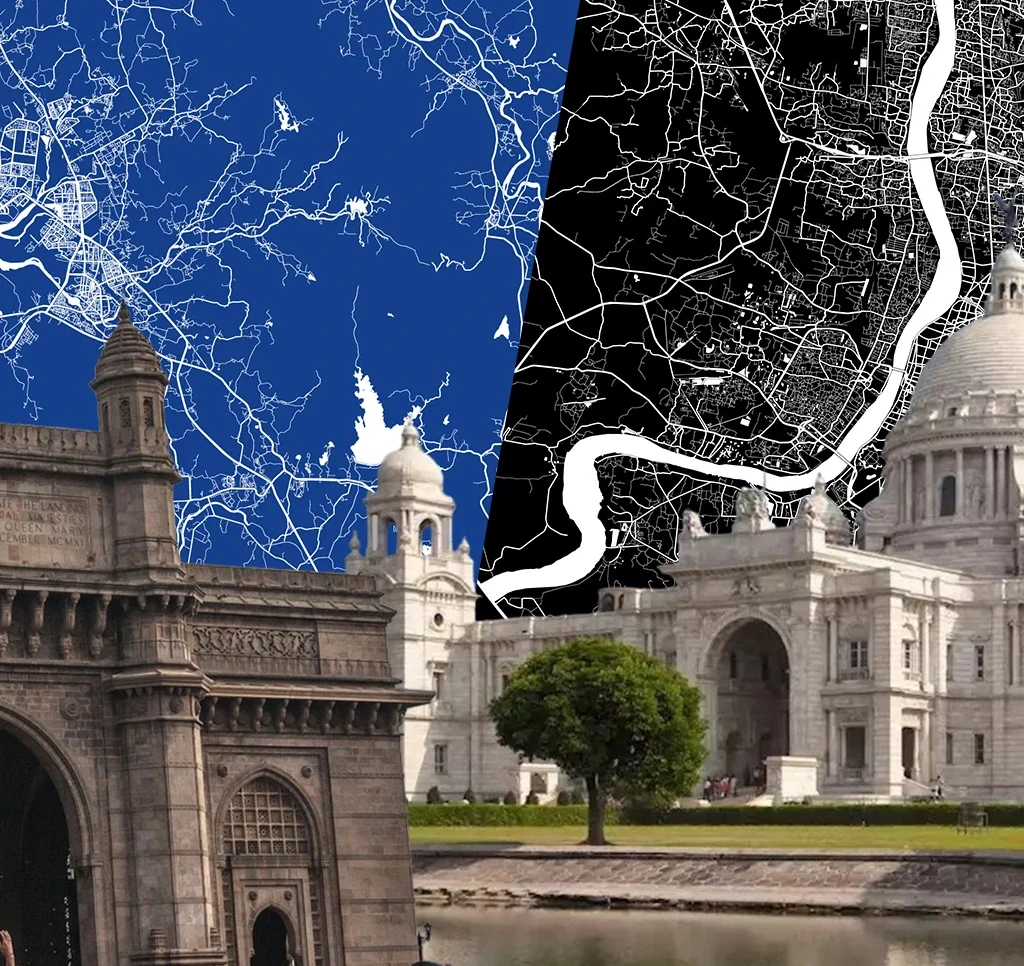
Bombay and Calcutta were more than colonial capitals, they embodied imperial urban planning, economic integration, and cultural hybridity. From segregated ‘white’ and ‘black’ towns to thriving ports, industries, and nationalist thought, these cities reveal how British rule reshaped India’s urban life while leaving enduring legacies still visible today.
Pakistan’s Defence Modernization: Between Sovereignty and Strategic Synergy
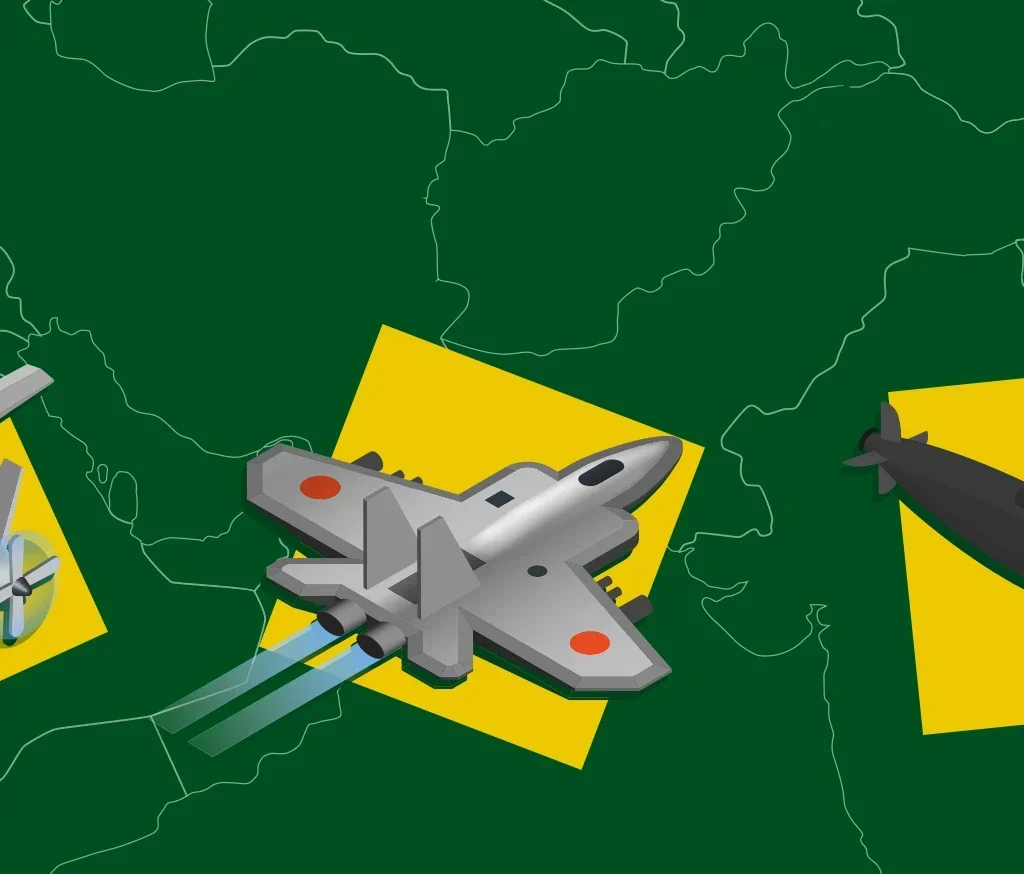
Pakistan’s defence modernization reflects a shift from dependence on foreign suppliers to indigenous innovation, marked by platforms like the JF-17 Thunder, Al-Khalid tank, and indigenous UAVs. While partnerships with China and Turkey remain vital, the future hinges on balancing sovereignty, economic constraints, and strategic sustainability. The challenge is not only to build power but to wield it wisely.
Trump’s H1B Policy: Consequences for India
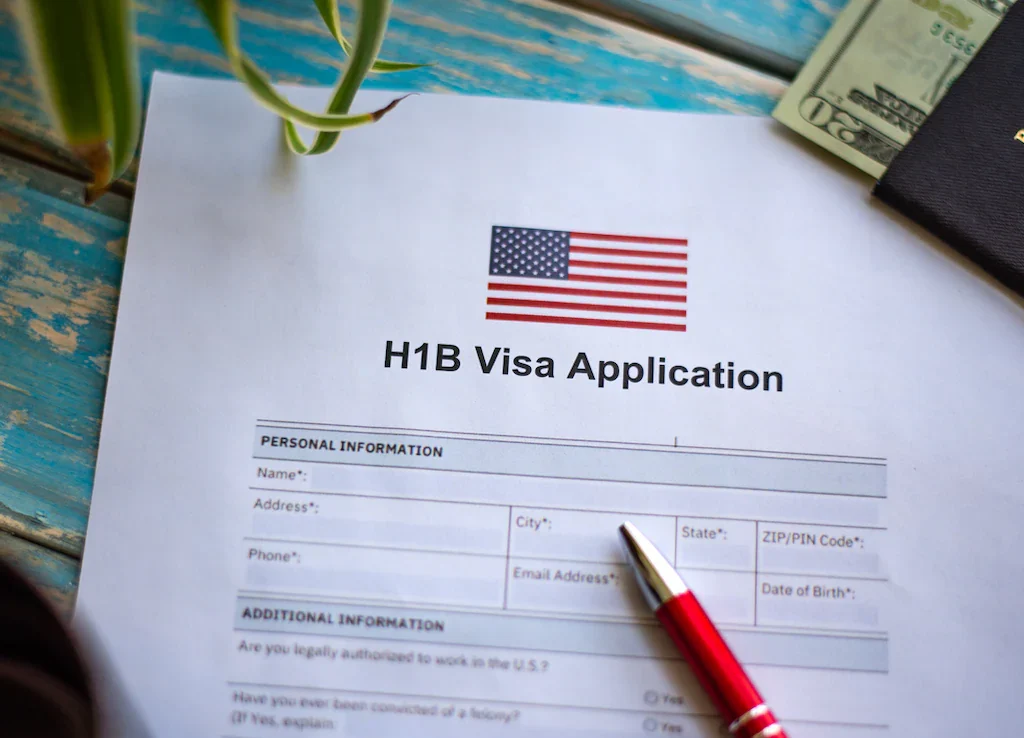
A new Trump executive order imposing a $100,000 annual fee on H1B visas marks more than a shift in U.S. immigration policy, it is a geopolitical act with lasting consequences. While American firms may adapt, India faces structural damage.