What we have witnessed in the last few weeks is the height of propaganda tactics and an immaculate display of misinformation warfare, particularly by the Western States and media. The Russia-Ukraine conflict highlighted several important aspects, but one thing that came into the limelight was the hypocrisy of the western states, international organizations, and media in dealing with the crisis. At present, around the globe, many innocent people are suffering, not just the Ukrainians, all victims deserve support, whether it’s moral, legal, or humanitarian. Picking one and ignoring the rest is appalling and inhumane.
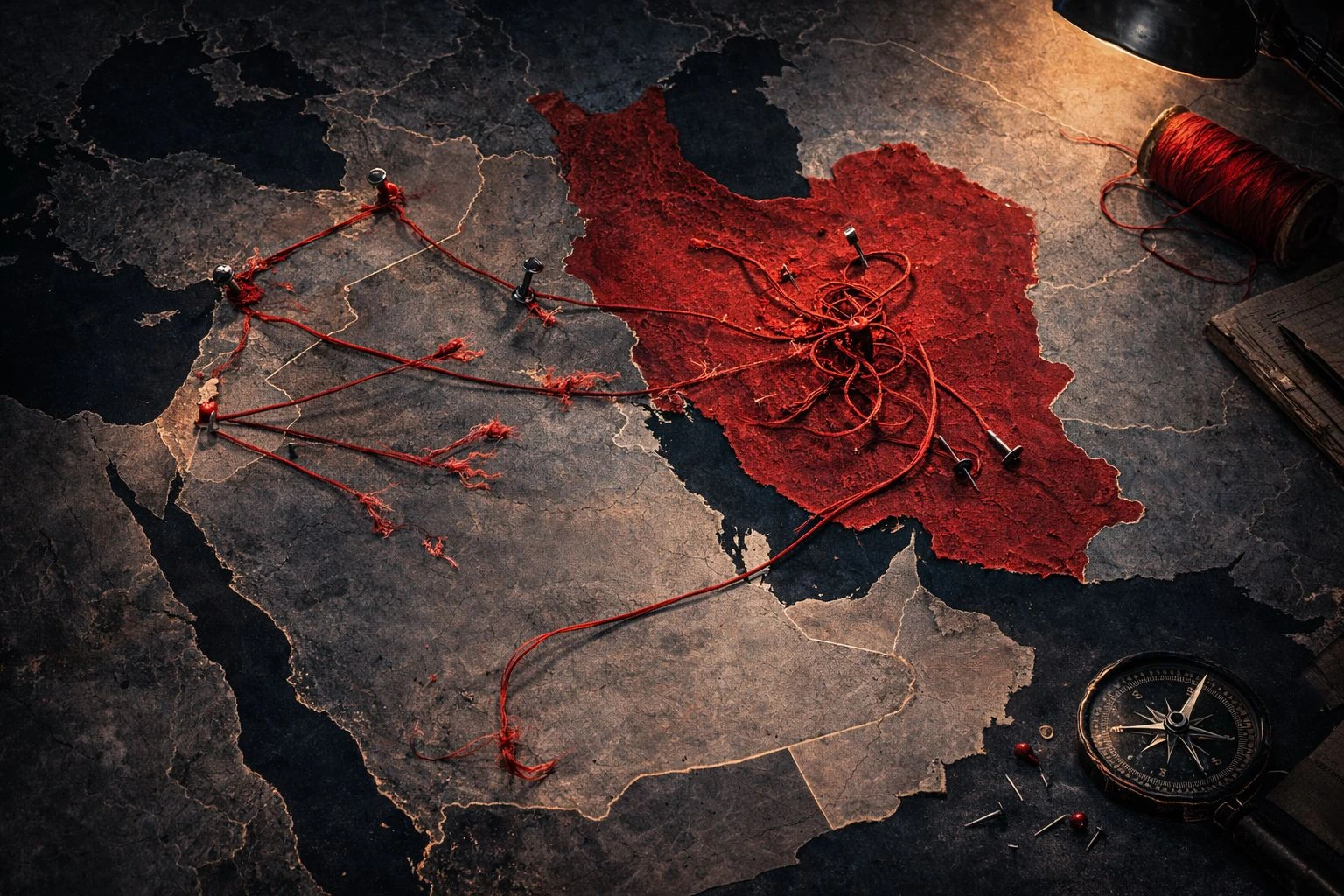
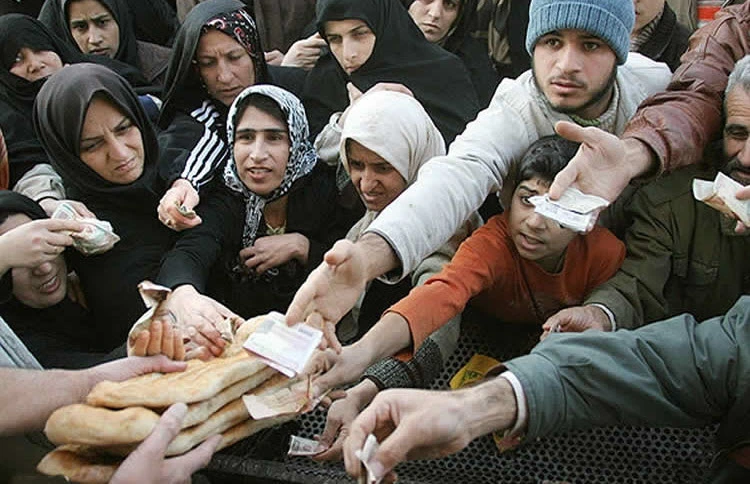
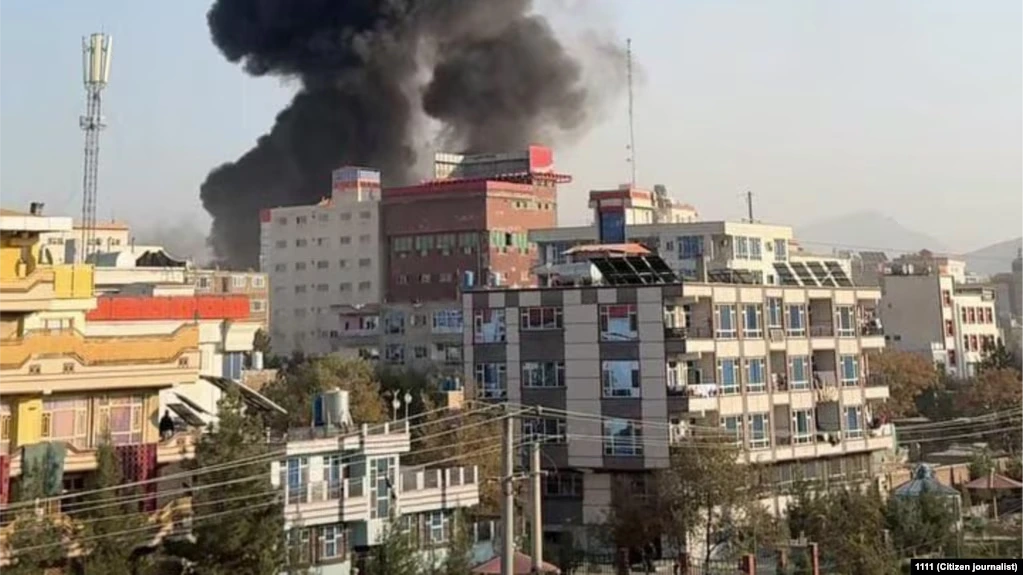
War is abhorrent and destructive, wherever it is. For the last two decades, the world has seen some of the worst human rights abuses in the name of wars, but nothing stirred the conscience of the ‘civilized western world’ the way the Russian invasion of Ukraine did. War caused devastation and killed millions in Afghanistan, Iraq, and Syria. Palestinians are being killed on a daily basis at the hands of Israeli occupation forces. Yemen and Syria are under intense bombardment by the US, Israel, and the allies. However, the way Ukraine garnered support, sympathy, and consideration, is unprecedented and unmatched in recent times.
The question is, why the entire western world was moved by the aggression in Ukraine and not elsewhere?
Western Media Coverage of Russia-Ukraine Conflict
The ‘selective morality’ and ‘double standards’ of the so-called ‘civilized, more western and more European world’ garnered a selective response. Ironically, Europeans were the major colonizers and they whitewashed the indigenous communities wherever they went. The World Wars were fought mostly between the civilized states, the ‘white European people’. After all that happened, it’s such an irony that many of the media commentators and analysts think that ‘war belongs to the Middle East or Asia,’ implying that some people are less worthy of justice. When people with influence say that it is alien to see a war in Europe, or when commentators reflect that Ukraine is a ‘relatively civilized and European’ and ‘European people with blonde hair and blue eyes’ are being killed with ‘carefully chosen words,’ it reflects the height of white supremacist mentality.
Ukraine might not have seen war in ages, but that doesn’t mean that war anywhere else is less condemnable or justified.
Western Justifications for Non-Western Wars
It’s appalling to see the selective outrage of the Western World, where the shades of so-called ‘morality’ shift in accordance with race, color, religion, and nationality. This systematic ‘othering’ and dehumanization has led the Western World to think that they deserve to live and others can die or war other than in Europe/West is acceptable. This discriminating morality is consuming our world and soon it will be devastating beyond imagination. Because when those lecturing the world on ‘human rights, international law and aggression’ are killing innocent civilians for years, they become least credible. The West, the United States, and international organizations which are showing ‘concern’ for Ukraine have practically lost reliability and integrity because of their continued silence and indifference on Syria, Iraq, Afghanistan, Libya, and anywhere the aggressors are from the West.
Mistake, collateral damage, self-defense are the terms used to provide justifications for west-led aggressions. But for everyone else, they have sanctions and United Nations emergency sessions. The United States defied international laws an uncountable number of times. Israel commits human rights abuses on a daily basis. So it is downright comical how nothing ever happened and no sanction ever took place. As a student of conflict studies, I consider it highly unfair to draw comparisons to determine which conflict zone is more violent. But the utter numbness of the world on Africa, the Middle East, Palestine, Kashmir, and Afghanistan is shocking.
We should stop ‘normalizing’ war; it is as unusual in the West as on any other corner of the earth.
It is not justifiable and normal in the Middle East, Africa, or any other place in the world.
Human lives matter wherever they are, whoever they are.
Anywhere in the world, whoever bleeds, the blood is red.
The views expressed in this article are the author’s own. They do not necessarily reflect the editorial policy of the South Asia Times.