In contemporary geopolitics, power is not exercised solely through armies or alliances; it is increasingly shaped through narratives. Media platforms, diplomatic mediation, and “neutral facilitation” have become tools through which states advance strategic preferences while maintaining plausible deniability. Qatar’s role in South Asia—particularly its posture toward Pakistan and Afghanistan—offers a case study in how narrative influence and selective diplomacy intersect.
Over the past year, Al Jazeera, Qatar’s state-funded international broadcaster, has published a steady stream of articles portraying Pakistan through a lens of instability, militancy, and democratic dysfunction. While no country is immune from scrutiny, the concern lies in the consistency and selectivity of this framing. Pakistan’s counterterrorism operations, sacrifices in the fight against extremist violence, and legitimate security concerns emanating from Afghan territory are often relegated to passing mentions or omitted altogether. In contrast, similar or graver developments under the Taliban regime are contextualized as transitional challenges, humanitarian dilemmas, or legacies of past conflict.
This asymmetry is not coincidental. Al Jazeera does not operate in a vacuum; it functions within the broader ambit of Qatari foreign policy. For years, Qatar has leveraged the network as a soft-power instrument, shaping international discourse while projecting an image of principled mediation. Yet, when media narratives consistently align with a state’s diplomatic preferences, questions about editorial independence inevitably arise.
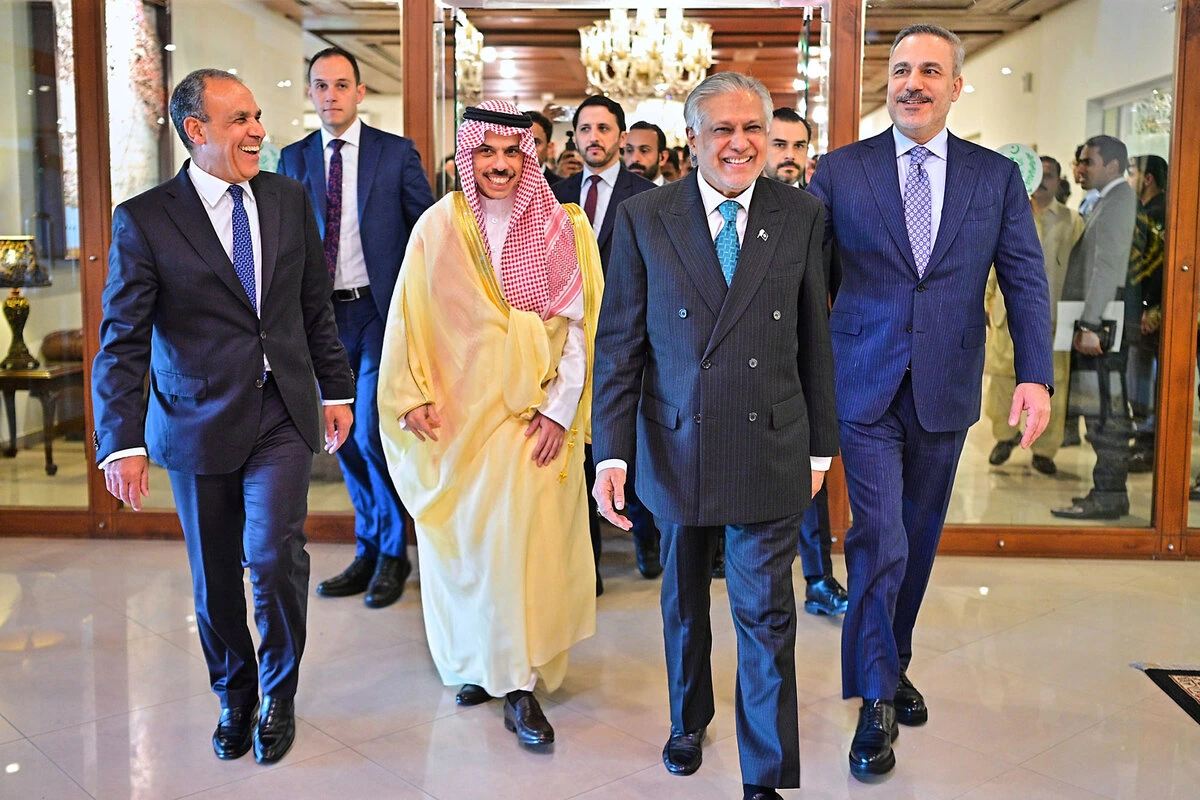
These questions become more pressing when viewed alongside Qatar’s role as a mediator between Pakistan and Afghanistan following the October border clashes. Mediation, to be credible, requires neutrality, balance, and a willingness to hold all parties accountable. Qatar’s approach has fallen short on all three counts. During and after the clashes, Qatari statements emphasized de-escalation and restraint—principles Pakistan has repeatedly demonstrated—while avoiding any clear attribution of responsibility to the Taliban, despite documented provocations and the persistent presence of anti-Pakistan militant groups operating from Afghan soil.
By framing the issue as a mutual misunderstanding rather than a security challenge rooted in cross-border militancy, Qatar effectively diluted Pakistan’s core concern: that Afghan territory is being used by groups targeting Pakistan. Mediation that ignores the root cause of conflict does not resolve tensions; it merely freezes them in place, often to the advantage of the less accountable actor.
Qatar’s longstanding political engagement with the Taliban further complicates its claim to neutrality. By hosting Taliban leaders for years and facilitating their international outreach, Doha played a central role in transforming the group from a pariah insurgency into a diplomatically engaged regime. This engagement, however, was not accompanied by enforceable conditions related to counterterrorism, human rights, or regional stability. The result has been legitimacy without responsibility.
The contradiction is stark. While Al Jazeera devotes extensive coverage to rights concerns and political dissent in Pakistan, the Taliban’s systemic repression—particularly of women, minorities, and former officials—receives comparatively muted treatment. This selective advocacy undermines Qatar’s credibility as both a mediator and a moral actor. A mediator cannot credibly champion human rights in one context while rationalizing or soft-pedaling egregious abuses in another.
For Pakistan, the implications are not merely reputational. Persistent negative framing in influential international media shapes diplomatic perceptions, investor confidence, and policy debates in global capitals. More critically, Qatar’s posture risks weakening international pressure on the Taliban to act against militant groups that threaten regional security. When mediators prioritize access and influence over accountability, they inadvertently incentivize non-compliance.
Pakistan does not seek confrontation with Qatar, nor does it demand favorable coverage. What it requires—and deserves—is fairness. Legitimate security concerns arising from cross-border terrorism are not narrative constructions; they are documented realities acknowledged by multiple international assessments. Defensive measures taken in response to these threats should be analyzed in context, not portrayed as unilateral aggression.
Ultimately, Qatar faces a choice. It can continue to pursue mediation as a branding exercise—high on visibility, low on responsibility—or it can recalibrate its approach to reflect genuine neutrality and balance. That recalibration must extend to its media ecosystem. Journalism that mirrors foreign policy preferences erodes trust, not just in the outlet, but in the state behind it.
In a region as fragile as South Asia, narratives matter. They can either illuminate complexities or obscure truths. If Qatar wishes to be seen as a credible peacemaker, it must accept that mediation without accountability is not diplomacy—it is facilitation. And facilitation, when it consistently favors one side, ceases to be neutral at all.
Disclaimer: The views expressed in this article are the author’s own. They do not necessarily reflect the editorial policy of the South Asia Times