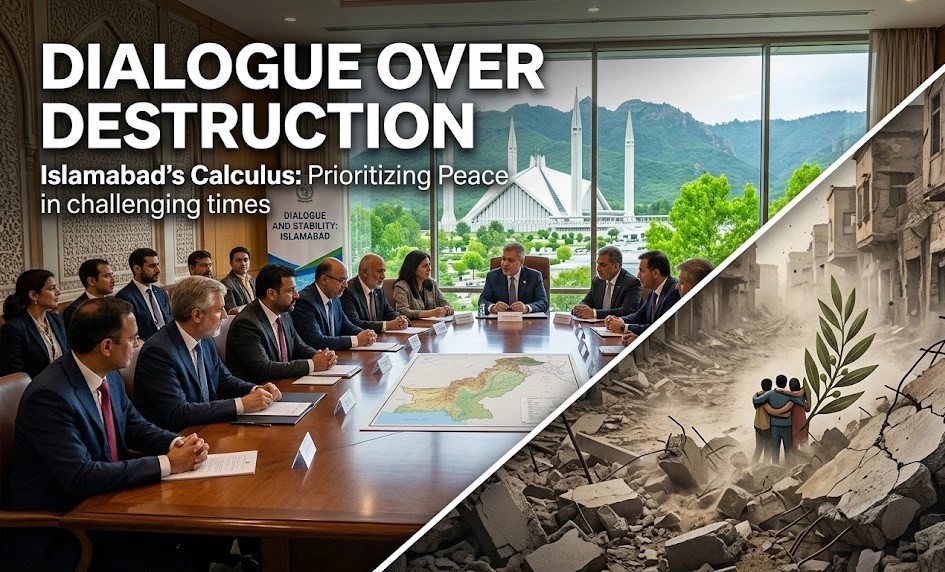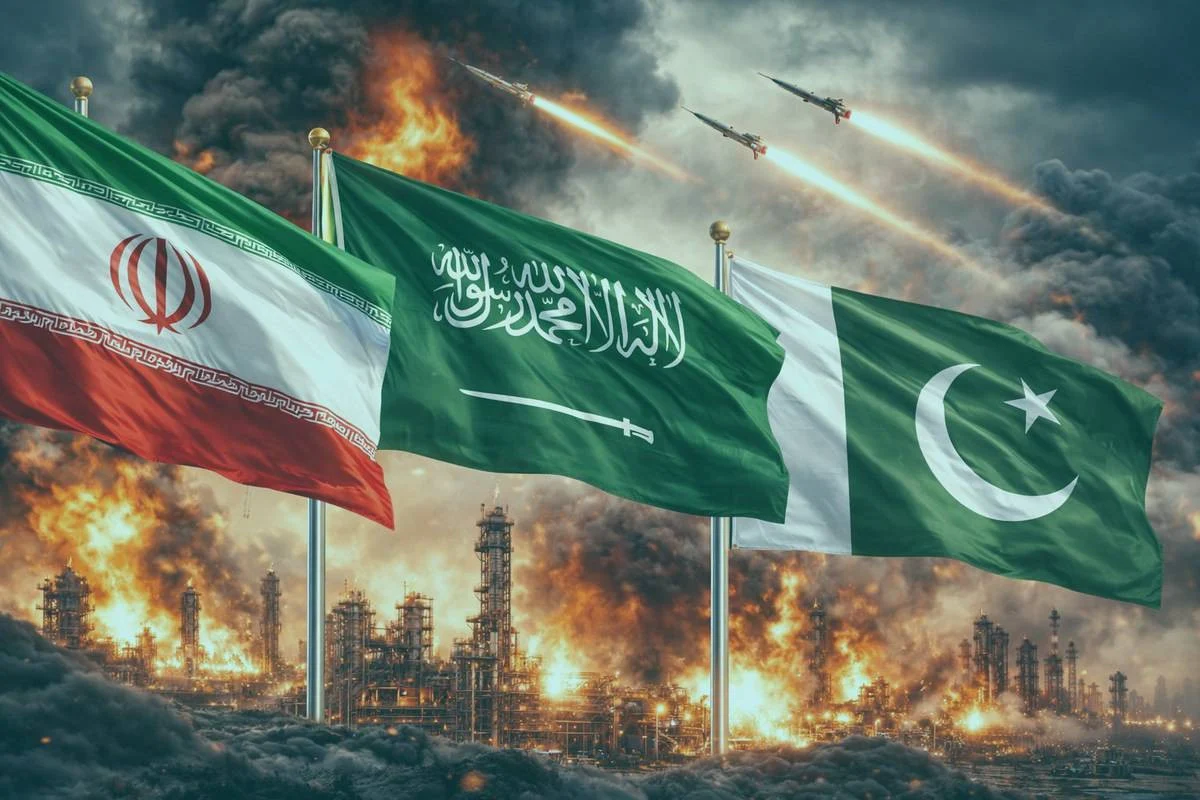
At first glance, Pakistan’s recent diplomatic posture amid rising tensions between Iran and Saudi Arabia may appear cautious, even ambiguous. In reality, it reflects a calculated and structurally compelled strategy aimed at preventing the region from sliding into a wider war.
Islamabad’s position was never directed against Tehran, nor was it an unconditional alignment with Riyadh. The core objective has been singular: to prevent escalation from spiraling into a full-scale regional confrontation. Pakistan understands better than most that in the Gulf, wars rarely remain confined to their original battlefield.
On one side lies Pakistan’s economic dependence on Gulf states. Saudi Arabia and other Gulf economies are not merely political partners; they are economic lifelines. Millions of Pakistani workers reside there. Remittances form a substantial pillar of Pakistan’s foreign exchange reserves. Energy arrangements and deferred oil facilities have repeatedly provided breathing space to Islamabad during fiscal crises. In such circumstances, openly alienating Riyadh is not a strategic option.
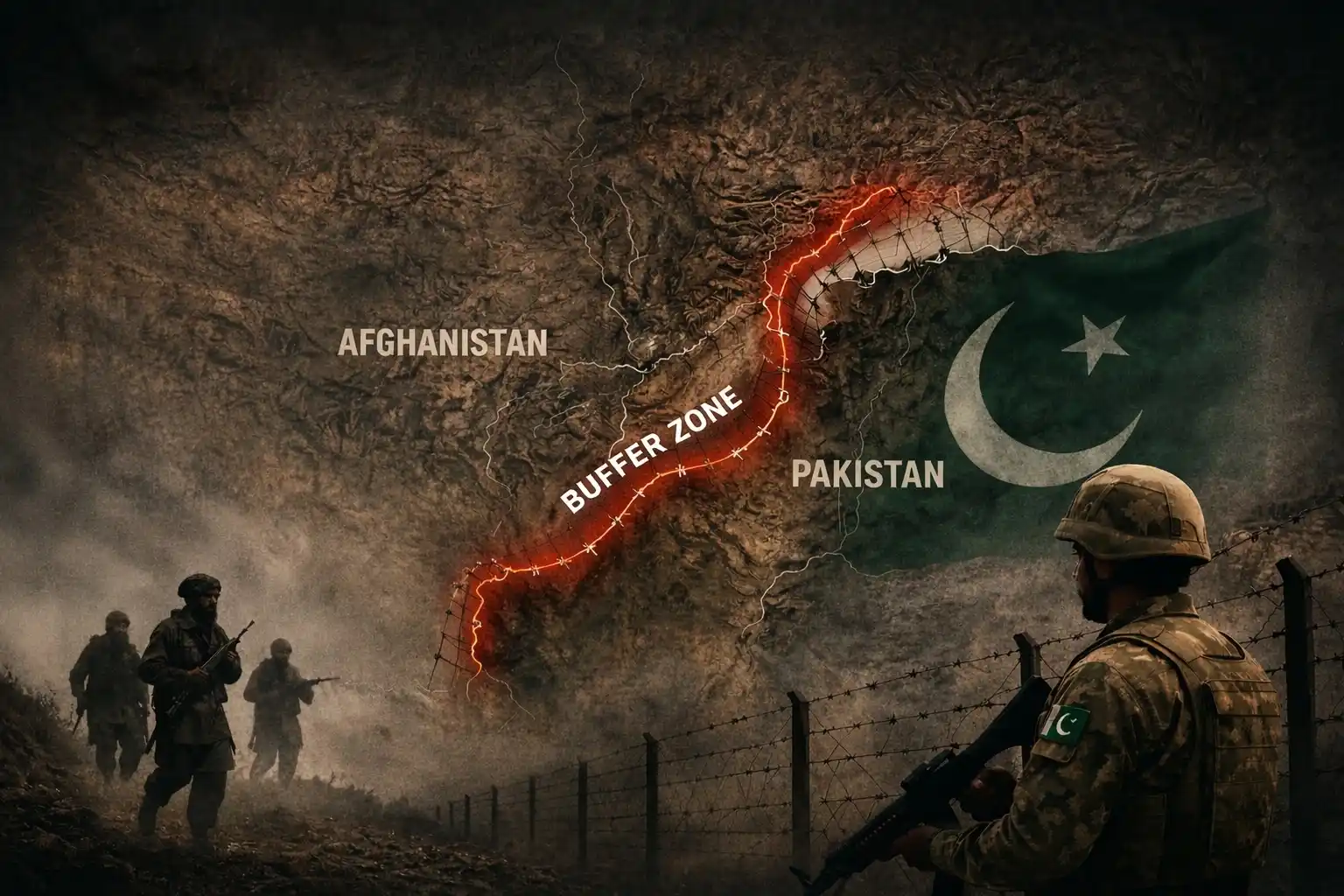
On the other side lies Iran, a neighboring state sharing a sensitive border and a complex security relationship. Any direct confrontation with Tehran carries immediate implications for Pakistan’s internal stability. Border management, militant movements, and regional security coordination require a working relationship. Moreover, Pakistan’s own demographic reality cannot be ignored. A significant Shia population — estimated between ten and fifteen percent — means that an overtly hostile posture toward Iran could trigger internal sectarian repercussions. In a country that has historically suffered from sectarian violence, such risks are not theoretical.
Pakistan’s diplomatic conduct in recent days reflects this dual reality. While reaffirming its security commitments to Saudi Arabia, Islamabad simultaneously engaged in quiet shuttle diplomacy. It sought formal assurances from Riyadh that its territory would not be used for military operations against Iran and conveyed those assurances directly to Tehran. At the same time, Iran was urged to exercise restraint and avoid expanding retaliatory actions toward Saudi targets. The message was clear: Pakistan would honor its obligations, but it would also work actively to prevent the conflict from widening.
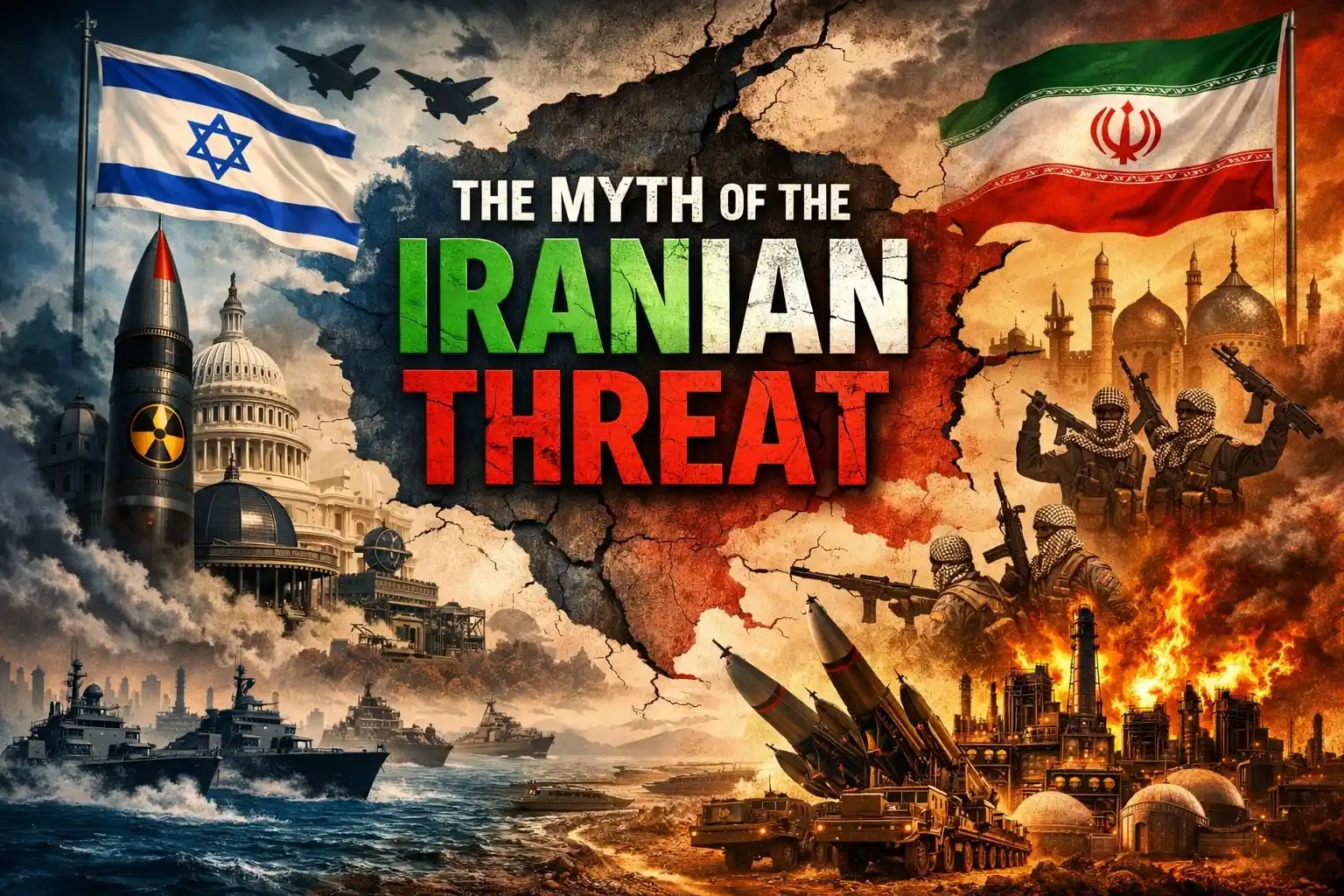
This balancing act is not uniquely Pakistani. A broader regional pattern is emerging. Gulf states, including the United Arab Emirates, have signaled reluctance to allow their territory to become operational platforms for strikes against Iran. Public statements condemn violations of sovereignty and reserve the “right to respond,” yet no Arab state has formally joined a war effort against Tehran. Diplomatic relations remain intact. Iranian ambassadors have not been expelled. Direct retaliatory military engagement from Gulf capitals is notably absent.
The explanation lies in economic vulnerability. Gulf economies are deeply dependent on oil exports, transit hubs, aviation networks, logistics corridors, and financial flows. Sustained Iranian retaliatory strikes against infrastructure would quickly reverberate through global energy markets. Tehran is fully aware that the petrodollar system links Gulf oil revenues to American financial markets. Any prolonged disruption would not only hurt Gulf states but would also exert indirect pressure on the United States.
Thus, Iran’s strategy appears calibrated rather than reckless. By targeting assets associated with American presence while avoiding direct triggers that would force Gulf monarchies into a unified military coalition, Tehran is managing escalation thresholds carefully. The objective seems to be strategic pressure, not uncontrolled war.
For Washington, the situation is complex. The United States is observing closely, but the regional appetite for automatic alignment appears weaker than in previous decades. European capitals remain cautious. Arab governments prioritize economic continuity. Asian and Latin American states largely avoid overt entanglement. The traditional model of swift coalition-building around US-led military campaigns is no longer as predictable.
Increasingly, the conflict’s focal point appears maritime. The Strait of Hormuz — through which a significant share of global oil passes — has become the strategic nerve center. The question is no longer whether tensions exist, but how long they can be contained without choking global energy flows. If Iran selectively allows certain vessels to pass while obstructing others, or if major powers quietly tolerate a controlled level of disruption to strategically exhaust rivals, the confrontation may settle into a prolonged, low-intensity contest rather than an explosive war.
In this context, Pakistan’s policy is less about choosing sides and more about preventing catastrophe. Islamabad seeks to preserve its economic lifelines, maintain border stability with Iran, avoid sectarian spillover at home, and fulfill defense commitments without triggering uncontrollable escalation. It is a narrow corridor to navigate, but one dictated by geography and economic necessity.
The prevailing regional behavior suggests that no major actor truly desires full-scale war. Rhetoric is forceful, but military engagement remains restrained. The absence of a decisive “win–win” diplomatic breakthrough implies that tensions may persist. Yet the equally notable absence of a unified war coalition indicates a shared understanding of the costs of escalation