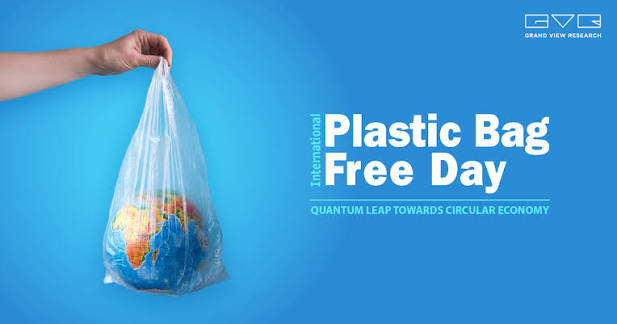
The arrival of another International Plastic Bag Free Day brings with it the familiar, polished machinery of global environmental campaigns. Public relations offices issue well-meaning pledges, civic organizations launch localized cleanup drives, and consumers are urged to make the conscientious swap to canvas totes. Viewed through the lens of human security, toxicology, and environmental degradation, however, these annual displays obscure a deeper and more volatile reality. The single-use plastic bag is not merely a visible waste management failure or an aesthetic blight on coastlines. It functions as an active driver of climate insecurity and one of the most under-examined mechanisms widening the global gender gap.
The Petrochemical Origins of a Climate Liability
To understand how a thin-film polymer container destabilizes human societies, its lifecycle must be traced from petrochemical extraction to biological infiltration. More than 99 percent of plastics are derived from chemicals sourced in oil, natural gas, and coal. The carbon-intensive processes required to extract, refine, and manufacture these synthetic materials release substantial volumes of greenhouse gases well before a finished product reaches a consumer. The plastic bag’s lifecycle is therefore an active contributor to global warming trends from the point of production onward, while simultaneously degrading agricultural land and constraining women’s economic participation at the earliest stage of the supply chain.
Choked Infrastructure and the Physics of Climate Insecurity
The structural danger of these materials becomes most acute in the post-consumer phase. Designed for an average utility lifespan of roughly twelve minutes, a plastic bag persists in the biosphere for up to five centuries. Across rapidly urbanizing regions of the Global South, weak municipal waste infrastructure allows hundreds of millions of tons of thin-film plastic to bypass collection systems entirely, entering the waterways that function as urban circulatory systems.
During extreme weather events, intensified by the same carbon emissions plastic production generates, this synthetic congestion produces immediate infrastructure failure. Monsoon rainfall overwhelms plastic-choked stormwater networks and drainage channels, converting a routine seasonal storm into a high-velocity flash flood. What should be a predictable weather pattern instead becomes an acute security event, displacing informal settlements and destroying infrastructure in a matter of hours.
The Gendered Distribution of Climate and Toxicological Risk
The human cost of these compounding shocks is not distributed evenly. It follows a distinctly gendered pattern, operating through both social burden and biological vulnerability. In rural and peri-urban communities most exposed to climate disruption, the daily responsibilities of water collection, subsistence farming, and household management are disproportionately assigned to women and girls. When plastic pollution degrades agricultural soil and contaminates local water sources, this burden falls first and most heavily on them. As freshwater and arable land are degraded, the distance required to secure basic household resources increases, and the additional hours required directly displace time otherwise available for education or independent income generation.
The biological dimension compounds this social burden. Women metabolize synthetic chemicals differently from men, owing to thinner skin and comparatively higher fat tissue content, both of which increase the retention of fat-soluble toxins. Endocrine-disrupting chemicals commonly present in plastics, including phthalates, PFAS, and bisphenol A, interfere with hormonal regulation. This exposure pathway has been associated with elevated rates of fertility disorders, premature puberty, and immune dysfunction, with documented contamination detected in placental tissue and breast milk, indicating intergenerational transfer of risk.
Stratification Within the Informal Waste Economy
This intersection of environmental degradation and gender disparity is most visible at the terminal stage of the plastic lifecycle, in large-scale informal waste economies such as those surrounding Dandora in Kenya. Even within these survival economies, labour is stratified by gender: male waste pickers disproportionately claim the most valuable recyclable materials, while women and children are left to process lower-value, more contaminated plastic waste.
Women operating in this sector frequently work without protective equipment and are regularly exposed to toxic smoke from the open burning of plastic material, an exposure pathway associated with chronic respiratory and reproductive health complications, including documented cases of severe menstrual irregularity linked to endocrine disruption. Precise mortality and life-expectancy data specific to female informal waste workers remain limited and warrant further field-level research; what is well established is that this population faces significantly elevated occupational health risk relative to nearly any other informal labour sector.
This exposure is not confined to landfill sites. Women constitute a substantial share of the workforce in plastic-intensive, low-wage sectors including textiles and light manufacturing, frequently handling synthetic materials for extended hours without adequate safety training. Household-level exposure compounds this further: cosmetics, menstrual products, and other consumer goods marketed specifically to women often contain plastic-derived and endocrine-disrupting compounds, constituting a parallel and continuous exposure pathway distinct from occupational risk.
Toward a Gender-Just Circular Economy
Addressing this requires moving beyond individual behavioural adjustment toward structural reform of production models. A functional circular economy must engineer waste out of the system at the point of design, replacing the current linear model of production, consumption, and disposal. This entails binding legal restrictions on thin-film plastics, paired with state investment in durable, biodegradable alternatives, particularly in regions with existing natural fibre industries capable of scaling jute, hemp, and bio-polymer packaging.
Extended producer responsibility frameworks must additionally hold manufacturers accountable for the full lifecycle of the plastics they generate, shifting collection, processing, and recycling costs away from consumers and under-resourced municipal systems and back to the point of production.
At the multilateral level, this evidence base should inform a binding international plastics treaty that treats the issue as a matter of structural inequality rather than litter management. Any credible treaty framework must curb virgin plastic production, phase out toxic chemical additives, and incorporate a dedicated Gender Action Plan that brings women from the margins of informal waste labour directly into environmental policymaking, rather than treating them solely as a vulnerable population to be protected after the fact.
Conclusion
Reducing single-use plastic consumption is not a symbolic gesture or a matter of individual environmental virtue. Within a human security framework, it is a necessary structural intervention, one that bears directly on climate stability, regional resilience, and the economic, biological, and social standing of women across the Global South.

The Author is a research associate and content producer at South Asia Times.