Kashmiris Observe Self-Determination Day with Renewed Resolve

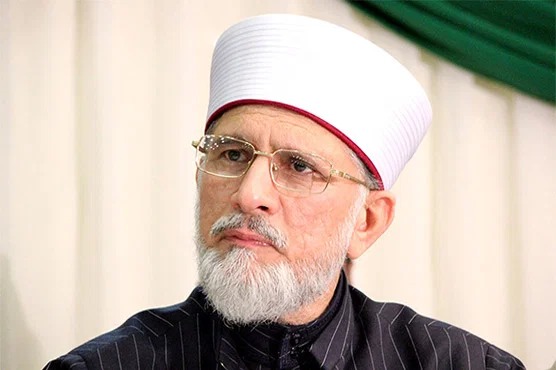
Kashmiris mark January 5 as Right to Self-Determination Day, urging UN to fulfill its pledge for a plebiscite. [Image via APP]

Kashmiris on both sides of the Line of Control (LoC) and across the globe are observing January 5 as the Right to Self-Determination Day, pledging to continue their struggle for freedom through a plebiscite as guaranteed by the United Nations.

According to Kashmir Media Service on Sunday, the observance of Right to Self-Determination Day commemorates the United Nations Security Council resolution passed on this day in 1949, affirming the Kashmiris’ right to decide their future through a UN-sponsored plebiscite.

Events including rallies, seminars, and conferences are being held worldwide to remind the UN of its responsibility to implement its resolutions and alleviate the suffering of Kashmiris enduring Indian oppression for decades.

Also See: Pakistan’s PM Urges Support for Kashmir’s Self-Determination

The All Parties Hurriyat Conference (APHC) has urged the global community, particularly the United Nations, to fulfill its promise to allow the Kashmiri people to exercise their inalienable right to self-determination.

The statement highlights the worsening situation in Indian illegally occupied Jammu and Kashmir (IIOJ&K), where the BJP-led Indian regime has intensified state terrorism since August 5, 2019. Arbitrary arrests, economic hardships, and denial of basic rights have plunged the region into despair.

The APHC appealed to the international community to halt the ongoing genocide of Kashmiris and press India to resolve the dispute in accordance with UN resolutions.

This news is sourced from APP and is intended for informational purposes only.

News Desk

Your trusted source for insightful journalism. Stay informed with our compelling coverage of global affairs, business, technology, and more.

Recent

Centralized Power and the Core–Periphery Divide in Afghanistan

Centralized Power and the Core–Periphery Divide in Afghanistan

The Islamic Emirate of Afghanistan’s return in 2021 brought rapid consolidation of power, but also the revival of a historical flaw. By concentrating authority in the hands of southern Pashtun elites, the Taliban have recreated the core–periphery divide that has destabilized every Afghan regime since the 19th century. This hyper-centralization, rooted in ethnic exclusivity and Kandahar dominance, risks a repeat of past collapses as non-Pashtun regions turn toward functional autonomy.

Read More »
Broken Promises: The Taliban’s Betrayal of Global Commitments

Broken Promises: The Taliban’s Betrayal of Global Commitments

Nearly three years after seizing power, the Taliban’s systematic violation of their international commitments under the 2020 Doha Accord has transformed Afghanistan into a sanctuary for terrorism, entrenched an autocratic regime, and institutionalized gender apartheid. Beyond moral failure, this deceit poses a grave threat to regional stability, international counterterrorism efforts, and the credibility of global diplomacy. Holding the regime accountable is now a strategic necessity, not a choice.

Read More »
Do You Remember 6/11/ 1947?: A Forgotten Jammu Genocide and the Continuing Erasure of Kashmiriyat

Do You Remember 6/11/ 1947?: A Forgotten Jammu Genocide and the Continuing Erasure of Kashmiriyat

On November 6, 1947, one of South Asia’s earliest genocides unfolded in Jammu, where hundreds of thousands of Muslims were massacred or forced to flee. Yet, unlike other global tragedies, this atrocity remains buried in silence. The Jammu Genocide not only reshaped the region’s demography but laid the foundation for India’s ongoing campaign of identity erasure in Kashmir. From demographic engineering to cultural censorship, the spirit of Kashmiriyat continues to face systematic annihilation.

Read More »
India’s Climate Policy after COP28: Net Zero 2070 — A Fair Promise or a Risky Postponement?

India’s Climate Policy after COP28: Net Zero 2070 — A Fair Promise or a Risky Postponement?

India’s Net Zero 2070 target reflects a delicate balance between development equity and climate urgency. While progress in renewables, green finance, and adaptation is visible, the absence of clear interim milestones risks turning ambition into delay. The real challenge lies in translating a distant horizon into measurable, near-term climate action before 2030.

Read More »
The Tehreek-e-Hijrat of 1920 and Its Parallels with Contemporary Refugee Politics

The Tehreek-e-Hijrat of 1920 and Its Parallels with Contemporary Refugee Politics

The Tehreek-e-Hijrat of 1920 saw thousands of Indian Muslims migrate to Afghanistan, only to be turned away when Kabul could no longer cope. A century later, Afghan officials criticise Pakistan’s refugee policies while ignoring their own historical refusal to host Muslim migrants. The parallel reveals not just irony, but the enduring challenge of compassion, capacity, and collective responsibility.

Read More »