House Subpoenas Blinken for Afghanistan Withdrawal Hearing

House committee subpoenas Blinken to discuss his role in the Afghanistan withdrawal. Hearing set for September 19.

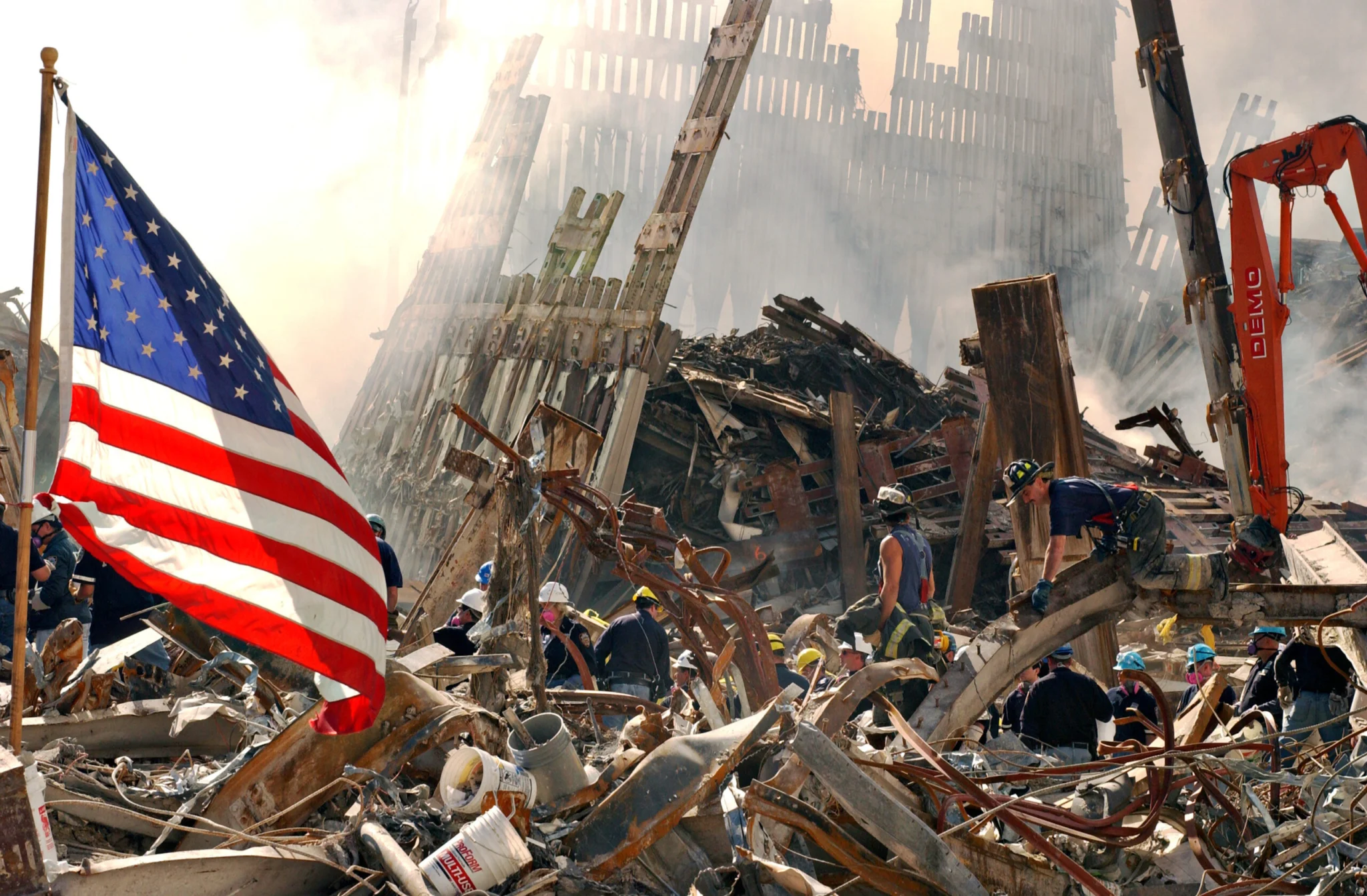
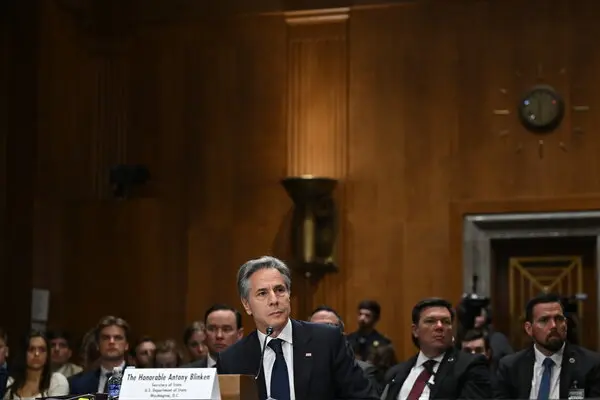
On Tuesday, the House Foreign Affairs Committee subpoenaed Secretary of State Antony Blinken. He must appear later this month. The committee will discuss its report on the US’ withdrawal from Afghanistan.

“The Committee is holding this hearing because the Department of State was central to the Afghanistan withdrawal and served as the senior authority during the August non-combatant evacuation operation (NEO),” Republican Chairman Michael McCaul wrote of the hearing set for September 19.

In his letter, McCaul said Blinken had refused previous requests to appear before the committee.

CNN has reached out to the State Department for comment.

McCaul has repeatedly called for accountability from the Biden administration on how the withdrawal from Afghanistan played out. He has slammed the administration for the Abbey Gate bombing. The bombing killed 13 US service members. It occurred in the final chaotic days of the withdrawal.

On September 9, McCaul will release his committee’s report. The report will detail the findings from its three-year investigation. The investigation focused on the withdrawal from Afghanistan.

McCaul, in a statement, said the report “will serve as an indictment on the administration’s reckless refusal to properly prepare for the withdrawal, their cold indifference to the safety and security of U.S. personnel on the ground before and during the emergency evacuation, and their culpability in the deaths of 13 U.S. servicemembers who perished in the terrorist attack at Abbey Gate.”

State Department Criticizes Troop Withdrawal

Last year, the US State Department publicly released its Afghanistan After Action Review report. The report found that the decisions to pull all US troops from Afghanistan had detrimental consequences.

“The decisions of both President (Donald) Trump and President (Joe) Biden to end the U.S. military mission in Afghanistan had serious consequences for the viability of the Afghan government and its security,” the unclassified report said.

“Those decisions are beyond the scope of this review, but the AAR (After Action Review) team found that during both administrations there was insufficient senior-level consideration of worst-case scenarios and how quickly those might follow,” it said.

The committee has conducted more than a dozen interviews as part of the investigation into the 2021 evacuation.

Former White House press secretary Jen Psaki sat for a transcribed interview before the committee in late July.

And three top State Department officials provided hours of closed-door testimony to the committee, providing more on the “unprecedented” situation in the final days of the US presence in Afghanistan.

Those officials – John Bass, Jim DeHart and Jayne Howell – rushed to Kabul in the days surrounding the Taliban’s seizure of the capital city, and dove into creating systems on the fly alongside the US military and with constantly changing input on the ground and coming from DC, as CNN has reported.

This news is sourced from CNN and is intended for informational purposes only.

News Desk

Your trusted source for insightful journalism. Stay informed with our compelling coverage of global affairs, business, technology, and more.
Recent

The Taliban’s Broken Promises: Time for a New U.S. Strategy in Afghanistan

The Taliban’s Broken Promises: Time for a New U.S. Strategy in Afghanistan

Since the Taliban’s return to power, Afghanistan has once again become a hub for militant activity despite their promises under the 2020 Doha Accord. UN and SIGAR reports reveal that Afghan soil now shelters TTP, Al-Qaeda, and ISIS-K operatives involved in cross-border attacks, particularly against Pakistan. The Taliban’s failure to uphold intra-Afghan dialogue, misuse of international aid, human rights abuses, and deception in regional agreements have eroded trust globally. With terror networks thriving under their protection, it is time for the U.S. and international community to adopt a new, accountable strategy toward Afghanistan’s Taliban regime.

Read More »
Instability as Strategy: How India Benefits from the Afghan-Pakistan Breakdown

Instability as Strategy: How India Benefits from the Afghan-Pakistan Breakdown

The escalating tensions between Pakistan and Afghanistan’s Taliban-led regime have reignited South Asia’s most volatile frontier. As cross-border attacks intensify and the Taliban refuses to dismantle the Tehreek-e-Taliban Pakistan (TTP), Islamabad faces mounting security and sovereignty challenges. Yet, amid this chaos, India emerges as the silent beneficiary, leveraging regional instability to weaken Pakistan strategically while maintaining its image as a victim of terrorism. This calculated exploitation threatens to entrench South Asia in a new cycle of proxy conflict.

Read More »
Five years after the Doha Accord, the Taliban break commitments, harbor terrorists, exclude women and minorities, and defy international agreements.

Broken Promises, Renewed Threats: Time to Hold TTA Accountable

Five years after the Doha Accord, the Taliban have broken key commitments: 5,000 released prisoners returned to combat, 89% of government posts are held by Pashtuns, and women remain barred from education and work. Afghan soil hosts 6,000–6,500 TTP and Al-Qaeda fighters, with TTP chief Noor Wali Mehsud receiving $43,000/month. Pakistan has neutralized 267 Afghan terrorists in 2025, while 58 terrorist camps operate under Taliban knowledge. Despite the US aid, compliance is minimal. International recognition and support must now be tied to verifiable reforms to prevent further regional instability.

Read More »
The Istanbul dialogue between Pakistan and the Afghan Taliban collapsed over the TTP issue, exposing the limits of regional diplomacy and mediation.

The Istanbul Dialogue: How the Taliban’s Intransigence Doomed Diplomacy

The highly anticipated Istanbul dialogue, facilitated by Turkey and Qatar, has ended in deadlock. The Taliban’s refusal to act against the Tehrik-e-Taliban Pakistan (TTP) and their introduction of provocative counter-demands have effectively derailed the diplomatic process, underscoring the ideological rigidity driving Kabul’s foreign policy.

Read More »
Centralized Power and the Core–Periphery Divide in Afghanistan

Centralized Power and the Core–Periphery Divide in Afghanistan

The Islamic Emirate of Afghanistan’s return in 2021 brought rapid consolidation of power, but also the revival of a historical flaw. By concentrating authority in the hands of southern Pashtun elites, the Taliban have recreated the core–periphery divide that has destabilized every Afghan regime since the 19th century. This hyper-centralization, rooted in ethnic exclusivity and Kandahar dominance, risks a repeat of past collapses as non-Pashtun regions turn toward functional autonomy.

Read More »