Ease in lockdown
Easing the lockdown since mid-May has improved some of the economic indicators of the Nepali economy.
On July 20, Nepali cabinet eased four months-long lockdowns, while keeping Covid-19 SOPs in place for the country. The lockdown began on March 24, However, the COVID 19 spread by far has killed 42 people in Nepal. Over 18,000 others are infected as per Nepal’s health ministry of health and population.
The improved indicators include Government expenditure, revenue collection, remittance inflow, export, import, and travel income. Specifically, in the time period from mid-May to mid-June in contrast to the previous months.
Central bank spokesperson verifies
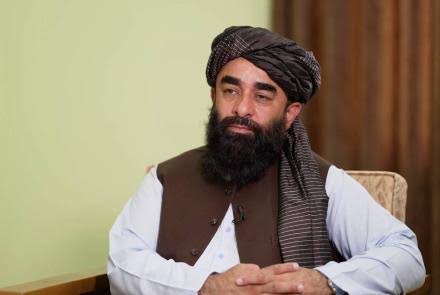
Gunakar Bhatta, Spokesperson at the central bank, verified that the economic indicators presently reflect increased economic activity. In his statement to “Xinhua” this week, he further added, \”After the end of the lockdown, the service sector, which has been hit hard by the pandemic, is expected to contribute to the economy.\”
The economy has picked up pace since ease in lockdown, says Bhatta.
Statistics support the case
Government revenue collection increased to US$343 million in May against US$134 million in July. Exports surged past 49 million US dollars against 28 million US dollars in April.
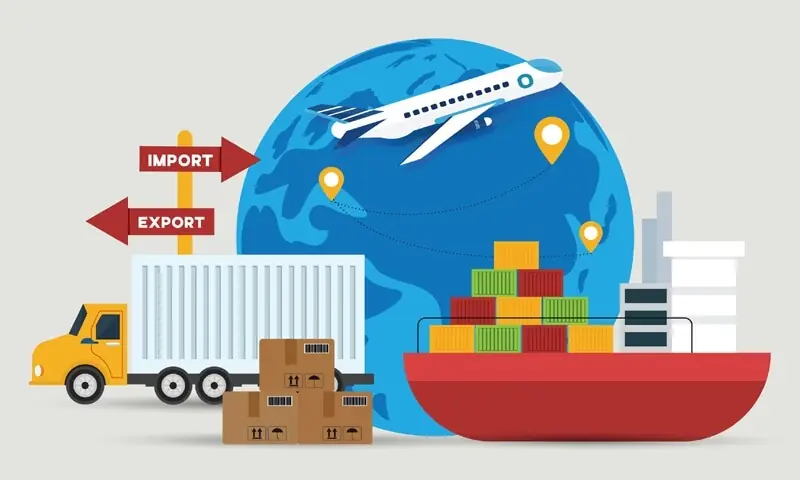
Import reaches 631 million US dollars in May as compared to 355 million US dollars in April. Nepal Remittance balance rose to 784 million US dollars in comparison to 449 million US dollars in April.
Bhatta reported that the foreigners stuck in Nepal post-pandemic contributed by large to the tourism sector in Nepal. Earnings increased to 10 million Us dollars in contrast to 7.5 million dollars in the previous month.
Circumstance driven growth
Nepali government plans to reopen domestic and international flights from August 17, 2020. This decision will yield positive results in the tourism sector.
Ram Sharan Mahat, former Nepali Finance Minister said the improvements result from circumstances rather than the policy rolled out by the government, reported Xinhua.
\”I don\’t see the country will see the marked improvement in economic performance in the short term,\” he said.
Since the uncertainty prevails, Central bank reports a reduction in bank lending to the private sector.
Tourism is a billion-dollar industry in Nepal. The government eases the lockdown in anticipation of a boost in the economy. However, the regulatory measures shall decide whether the economy will benefit from the decision or not.

Your trusted source for insightful journalism. Stay informed with our compelling coverage of global affairs, business, technology, and more.