Security & Counter Terrorism

The Re-Emergence of Terror: Afghanistan as a Global Terrorist Hub

The Re-Emergence of Terror: Afghanistan as a Global Terrorist Hub

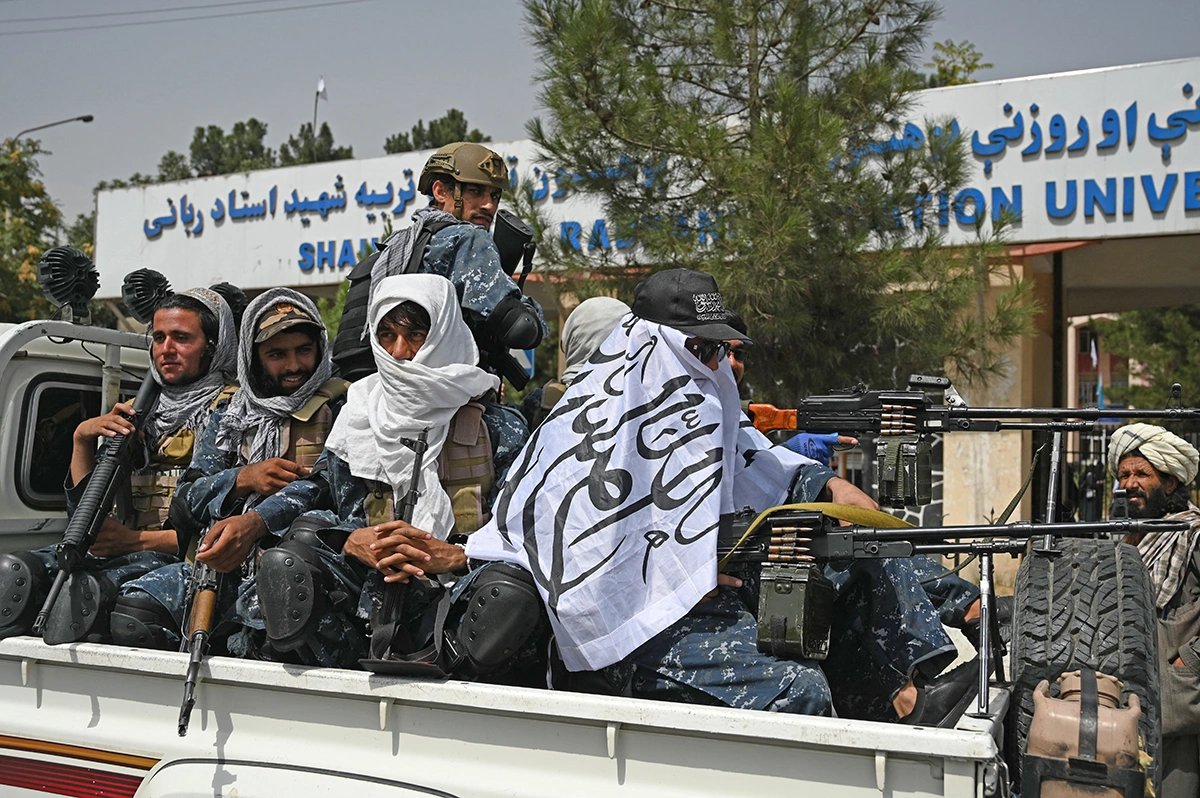
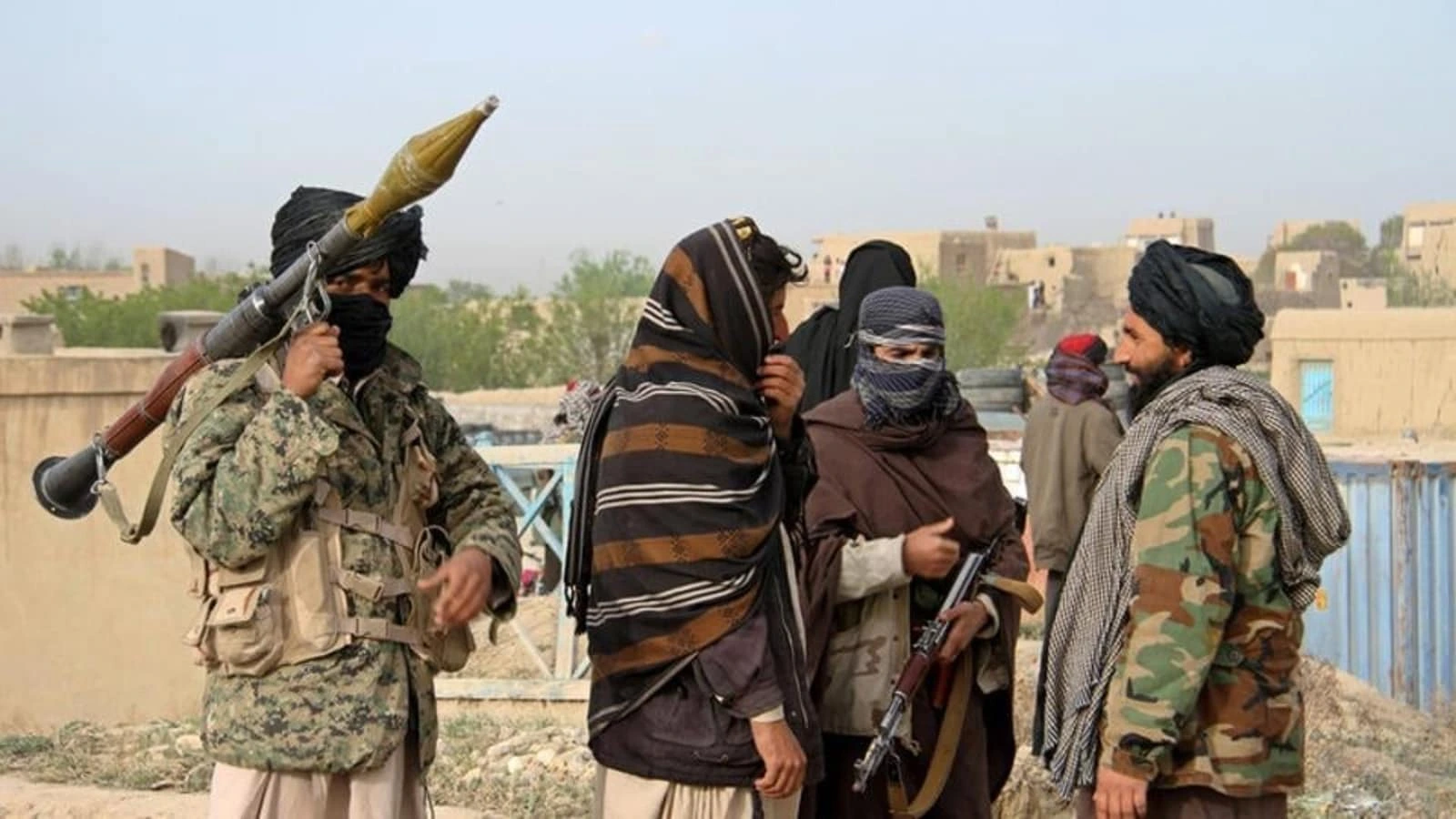
The Taliban’s return to power has revived Afghanistan’s role as a global Terrorist hub. Despite pledges under the 2020 Doha Agreement, the regime continues to shelter and enable groups such as Al-Qaeda, TTP, and ETIM, creating a volatile nexus of terrorism that threatens regional stability and global security. As internal conflicts deepen and governance collapses, Afghanistan’s transformation into an ideological sanctuary ensures a cycle of chaos and suffering that primarily victimizes its own people.

Read More »
The Terrorist Ecosystem

The Terrorist Ecosystem

“The critical evidence was not that he was in Afghanistan, but where. Al-Zawahiri was not hiding…He was living comfortably in a safe house…This location, teeming with Taliban security, implies high-level protection, not an intelligence failure.”

Read More »
Pakistan’s Doctrine of Verifiable Peace: Realism in the Face of Proxy Politics

Pakistan’s Doctrine of Verifiable Peace: Realism in the Face of Proxy Politics

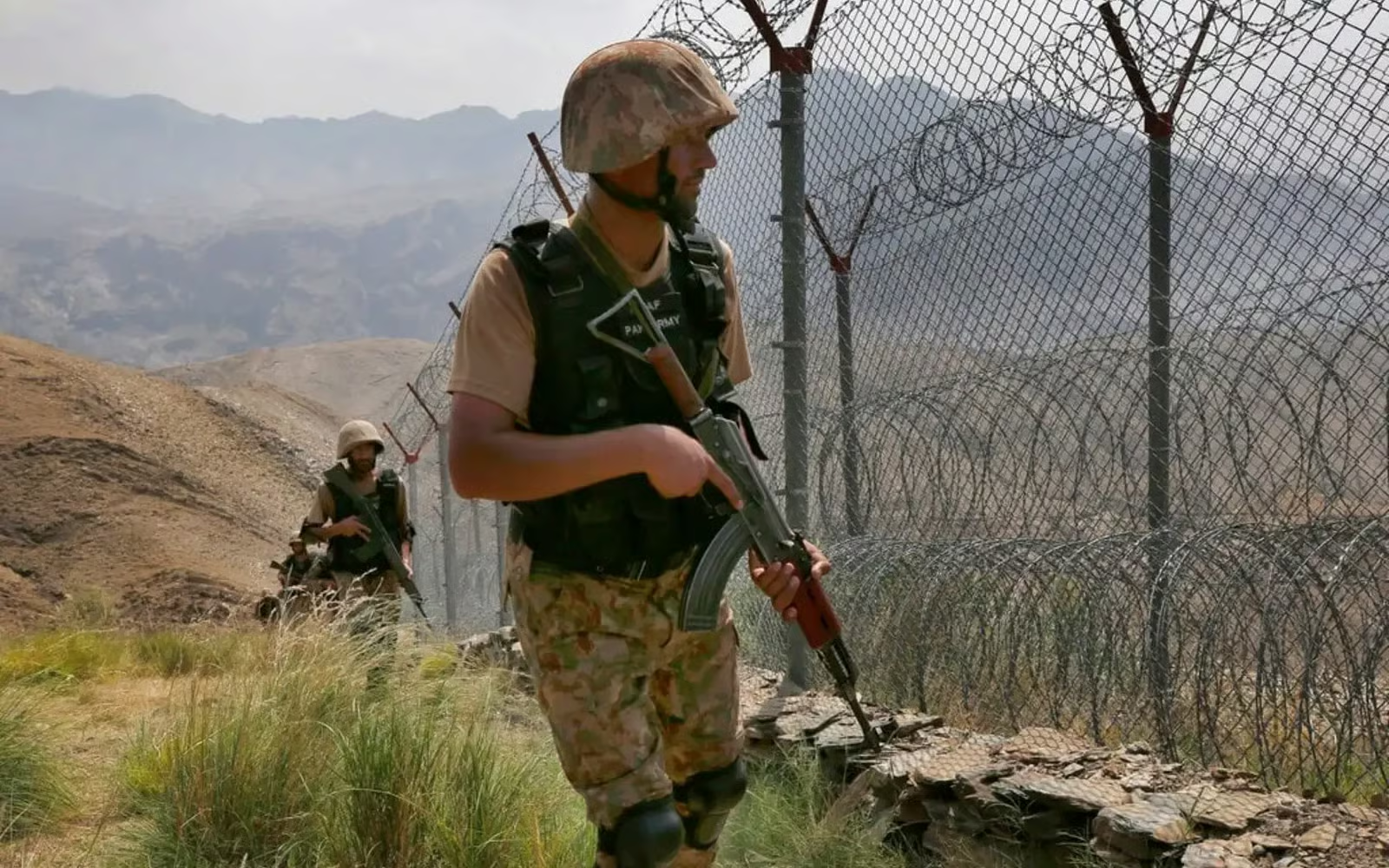
Pakistan’s Doctrine of Verifiable Peace represents a major shift from fraternal idealism to strategic realism in South Asia’s volatile security landscape. Rooted in classical realist thought, the doctrine emphasizes verification over trust, deterrence over sentiment, and conditional diplomacy over blind faith. Confronting the twin challenges of cross-border militancy and Indian-backed proxy networks in Afghanistan, Islamabad now seeks peace that is enforceable, monitored, and verifiable, anchoring regional stability on responsibility, not rhetoric.

Read More »
Inside the Istanbul Talks: How Taliban Factionalism Killed a Peace Deal

Inside the Istanbul Talks: How Taliban Factionalism Killed a Peace Deal

The collapse of the Turkiye-hosted talks to address the TTP threat was not a diplomatic failure but a calculated act of sabotage from within the Taliban regime. Deep factional divides—between Kandahar, Kabul, and Khost blocs—turned mediation into chaos, as Kabul’s power players sought to use the TTP issue as leverage for U.S. re-engagement and financial relief. The episode exposed a regime too fractured and self-interested to act against terrorism or uphold sovereignty.

Read More »
Afghan Taliban and Cross Border Terrorism in Pakistan

Afghan Taliban and Cross Border Terrorism in Pakistan

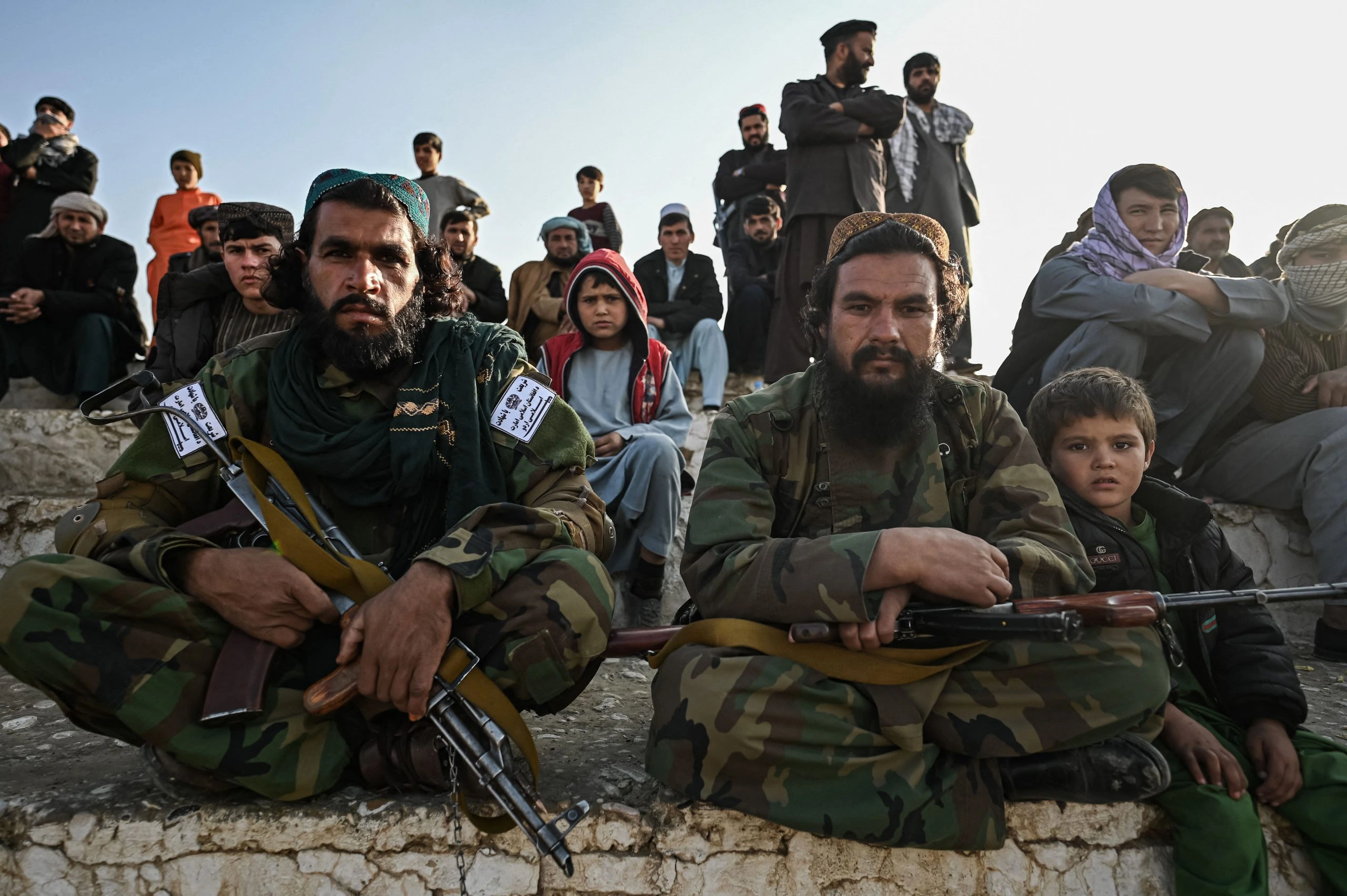
Pakistan is witnessing a sharp rise in terrorist attacks linked to the Afghan Taliban’s support for the Tehreek-e-Taliban Pakistan (TTP). A new study reveals that Afghan nationals now dominate TTP infiltration groups, exposing Kabul’s complicity in cross-border militancy. As violence escalates, Islamabad must balance border control, diplomacy, and de-radicalisation to counter

Read More »
TTP’s resurgence under the Afghan Taliban threatens not just Pakistan but global stability, linking jihadist networks across South and Central Asia.

Terrorism Beyond Borders: Why the TTP Threat Is Not Pakistan’s Alone

The resurgence of Tehrik-i-Taliban Pakistan (TTP) under the Taliban’s ideological protection is reactivating global terror networks across South and Central Asia. This op-ed explores how the TTP’s links with al-Qaeda, ISKP, and TIP make it a transnational threat, one that endangers U.S., Chinese, and regional interests alike, not just Pakistan’s stability.

Read More »
Islamophobia and Global Politics After 9/11

Islamophobia and Global Politics After 9/11

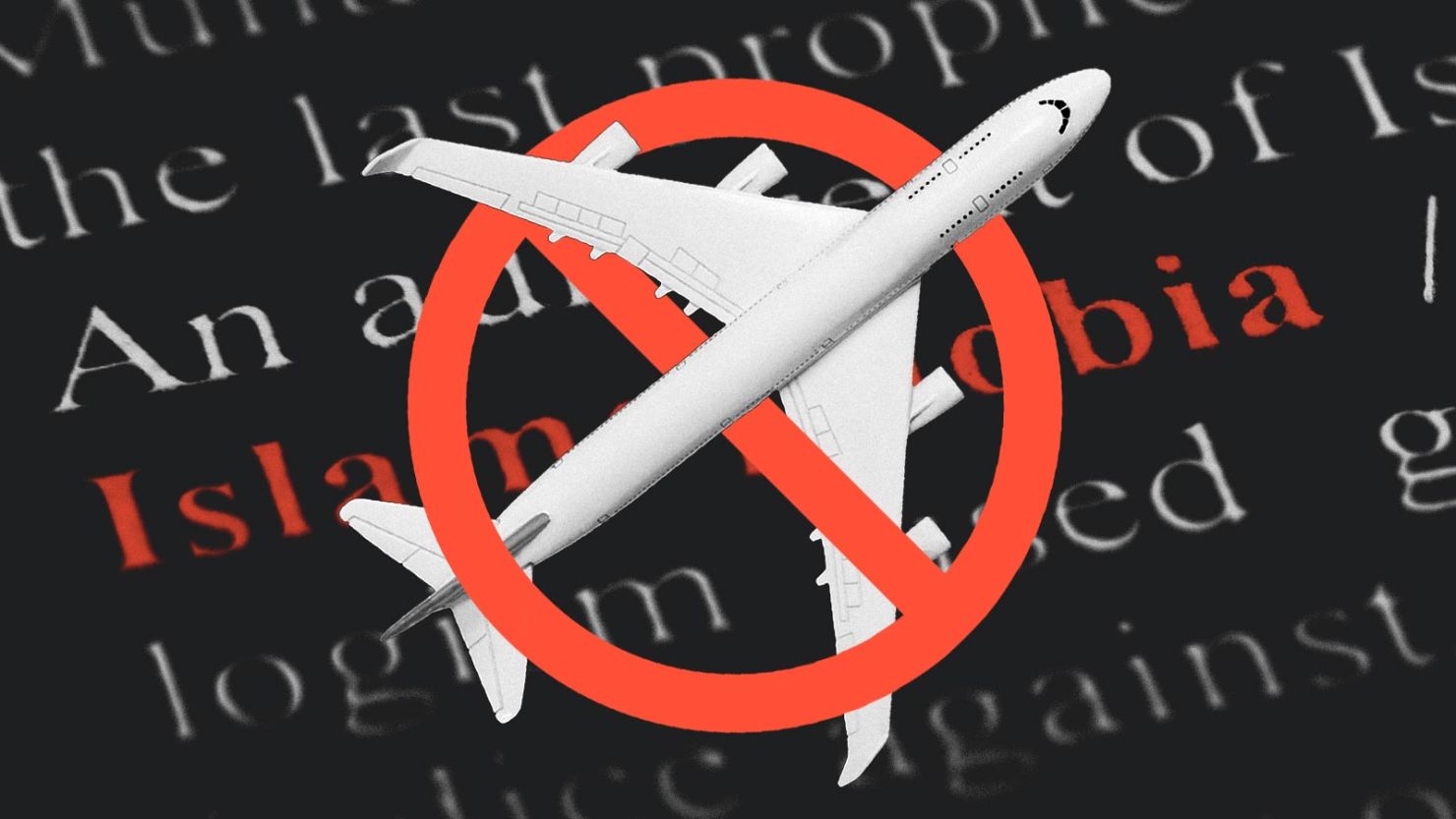
The 9/11 attacks reshaped global politics and ignited the US-led “War on Terror.” Beyond Afghanistan and Iraq, Muslims worldwide faced rising Islamophobia, systemic discrimination, and cultural vilification. This era marked the transformation of prejudice into an entrenched political and social structure across the West.

Read More »
Pakistan’s Counter-Terrorism Dilemma: Balancing Civilian Protection and Security

Pakistan’s Counter-Terrorism Dilemma: Balancing Civilian Protection and Security

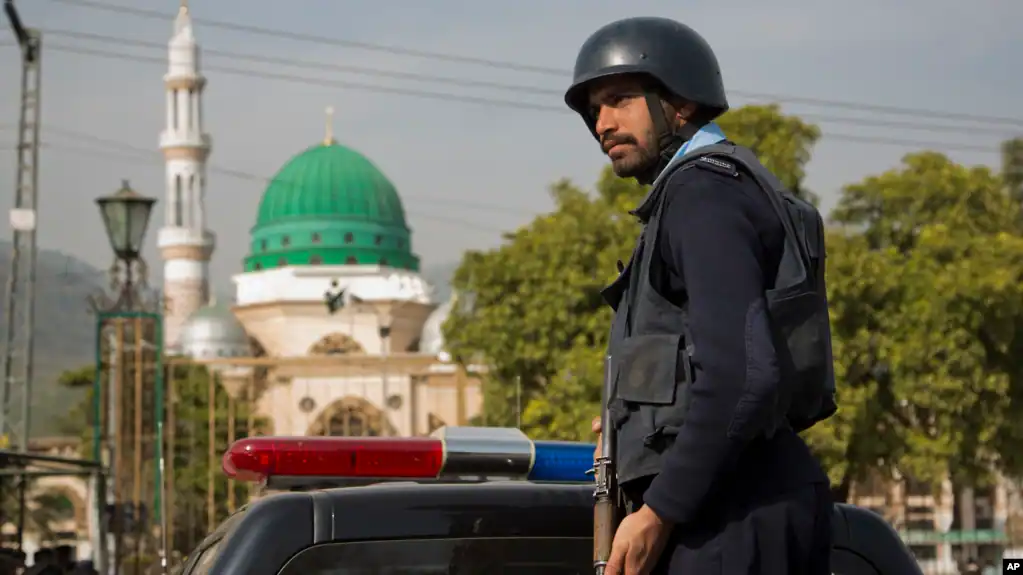
Unlike its peak years of 2007–2009, the TTP no longer commands territory but operates through small decentralized cells that blend into civilian populations. This shift poses an unprecedented challenge for Pakistan’s security forces, where every strike risks civilian casualties and fuels propaganda. The dilemma is not unique, echoing ISIS in Iraq and Boko Haram in Nigeria, but it demands a collective civil-military response to deny militants both sanctuary and narrative advantage.

Read More »