![Afghan men search for victims after a Pakistani air strike hit a residential area in the Girdi Kas village, Nangarhar province on February 22, 2026. [Aimal Zahir/AFP/Getty Images]](https://southasiatimes.org/wp-content/uploads/2026/02/gettyimages-2262391441.webp "Pakistan’s Cross-Border Strikes and the Evolving Counterterror Doctrine")
Pakistan’s Cross-Border Strikes and the Evolving Counterterror Doctrine
An analysis of Pakistan’s cross-border action, security rationale, and regional implications amid rising militant threats.

An analysis of Pakistan’s cross-border action, security rationale, and regional implications amid rising militant threats.
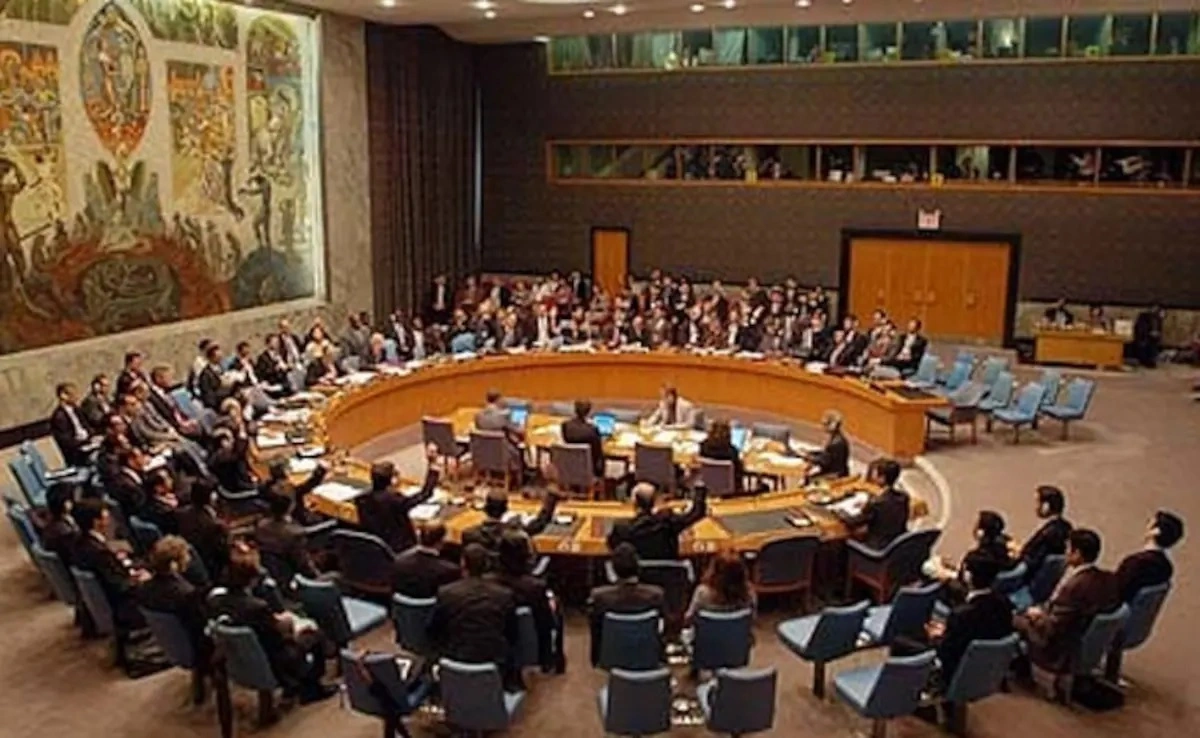
UN report warns of rising TTP attacks from Afghanistan and growing regional terror threats, rejecting Taliban claims of eliminating militants.
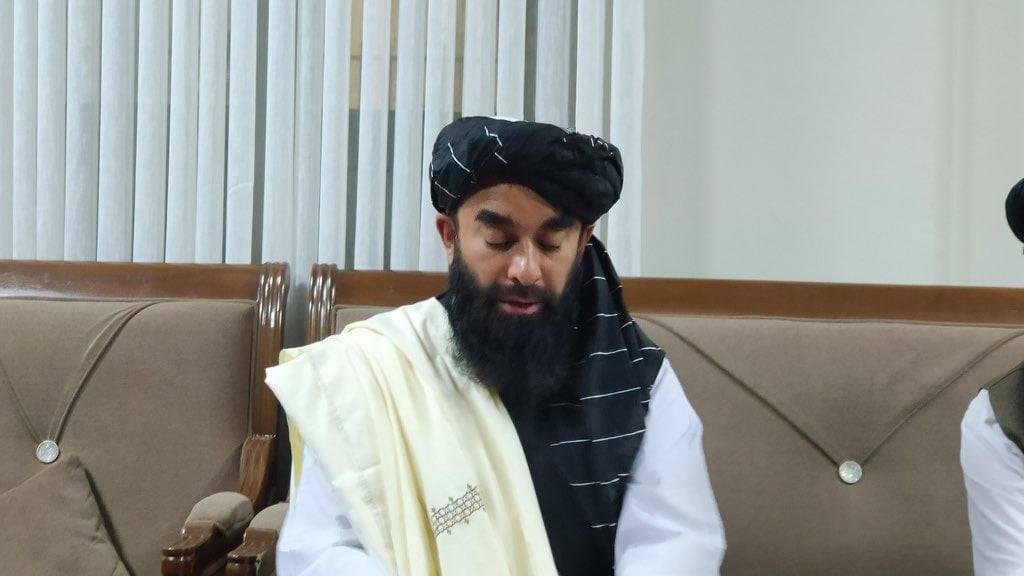
Analysis of Taliban claims versus UN findings, examining sanctions, militant presence, and Afghanistan’s regional security impact.
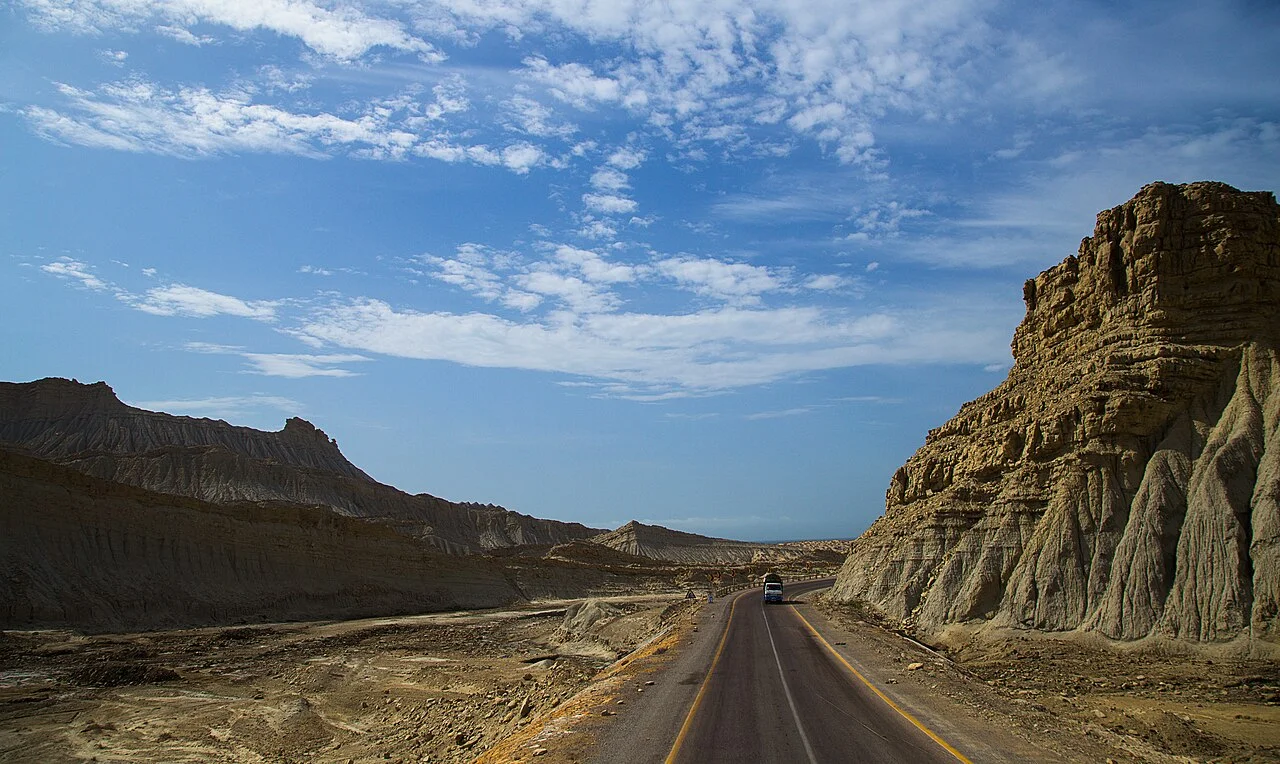
Analysis of Balochistan’s security landscape, where militancy exploits socio-economic grievances even as CPEC-driven investments seek stability through infrastructure, education, and connectivity.
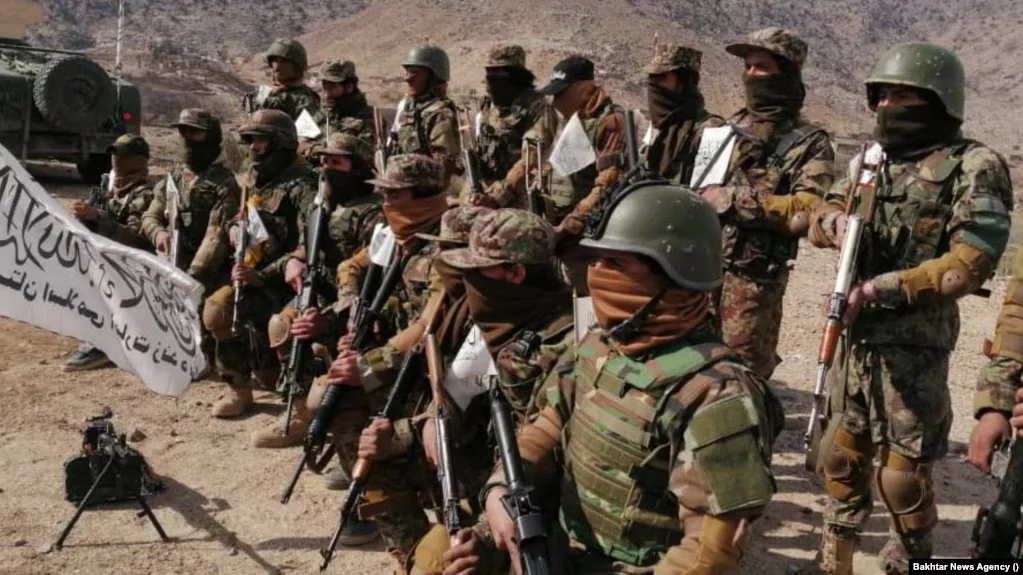
Afghanistan’s north fuels cross-border militancy, drone attacks, and drug trafficking, prompting CSTO, CIS & SCO security action.
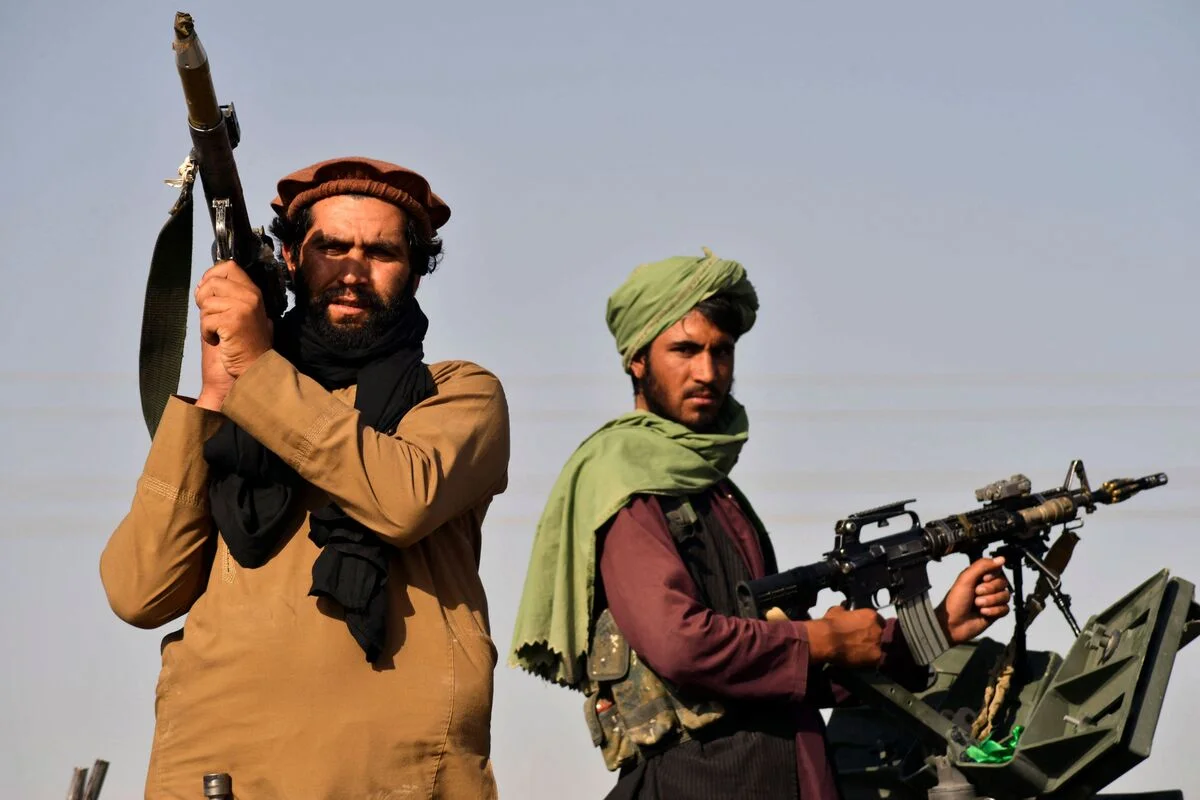
Repeated cross-border attacks, systematic militant infiltration, organized criminal networks and ideological export from Afghanistan underscore how Taliban rule has transformed the country into a regional epicenter of terrorism, destabilizing neighboring states, threatening regional connectivity, endangering foreign nationals, and posing broader risks to global security.
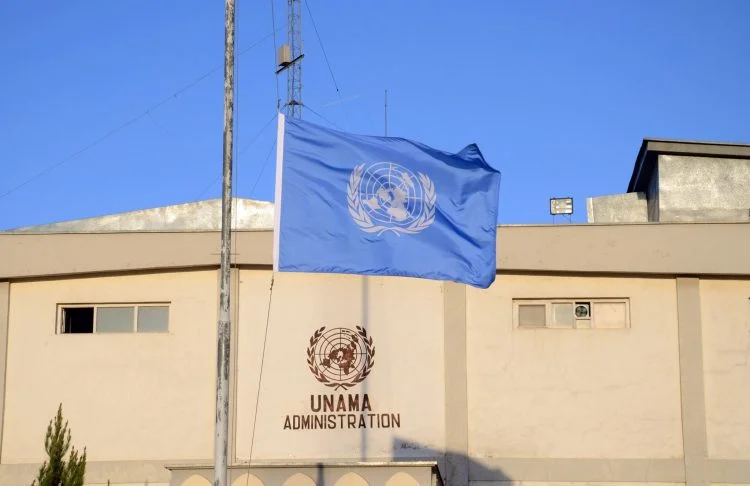
UNAMA’s October–December 2025 report on cross-border civilian casualties presents a narrowly framed humanitarian narrative that isolates consequences from causes, overlooking the entrenched terrorist infrastructure operating from Afghanistan and its direct role in destabilizing Pakistan.
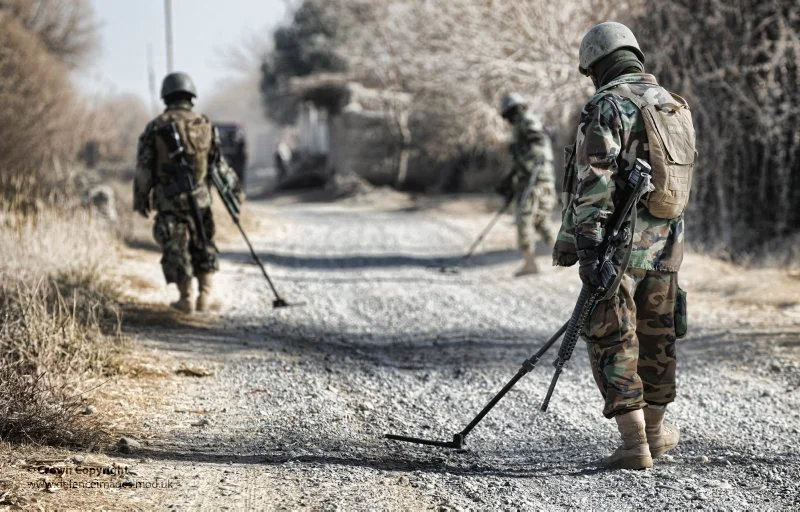
US support for Pakistan following Balochistan violence reframes the conflict as a global counter-terrorism challenge, not a separatist struggle.
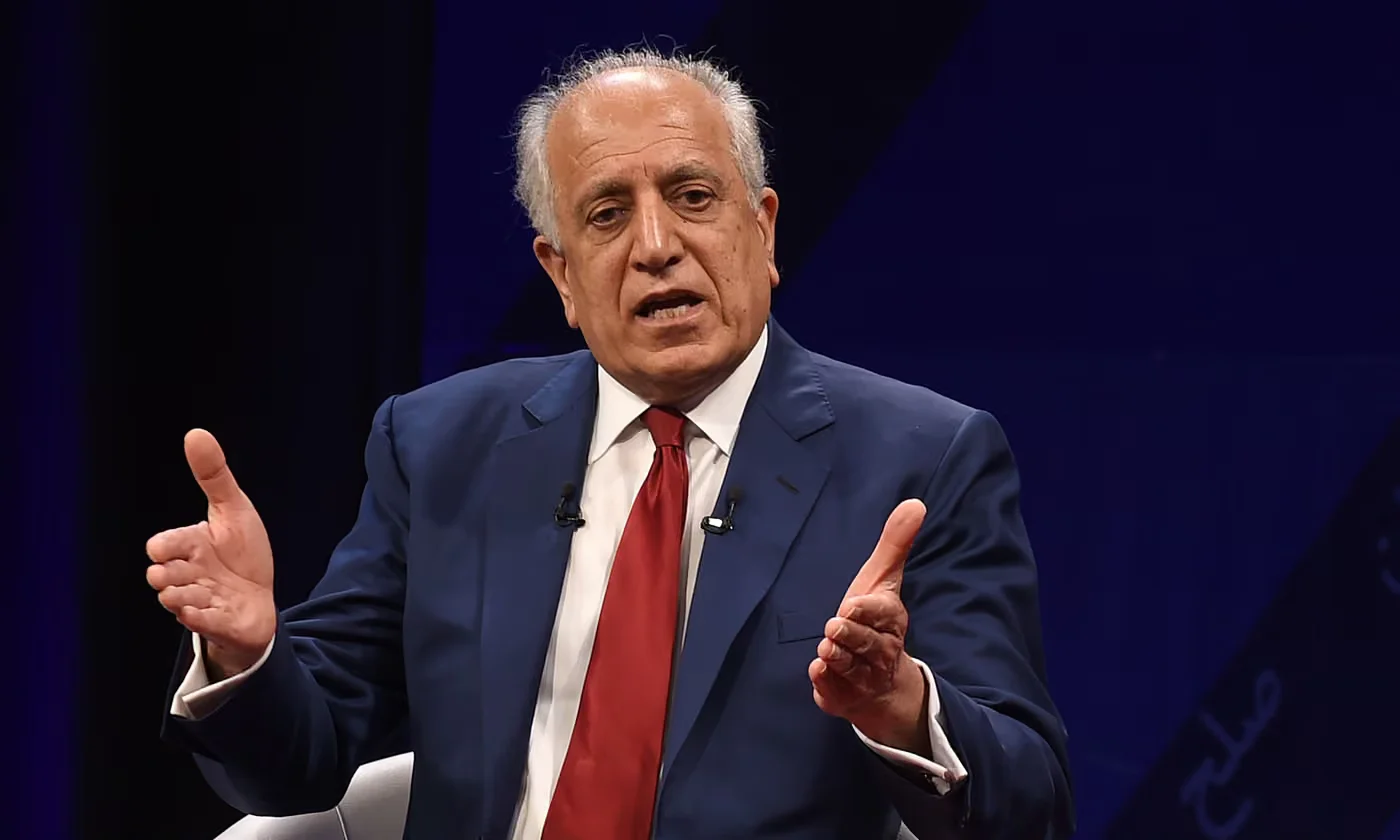
Zalmay Khalilzad’s recent tweets portray Pakistan as collapsing, criticizing counterterrorism operations while ignoring the real drivers of instability in Balochistan: foreign-backed terrorism, criminal networks, and the civilian and security force toll. By conflating state action with militancy, he misrepresents ground realities and obscures the failures of his own Afghan diplomacy. This commentary exposes the gap between his rhetoric and Pakistan’s efforts to maintain law, order, and development under complex security challenges.
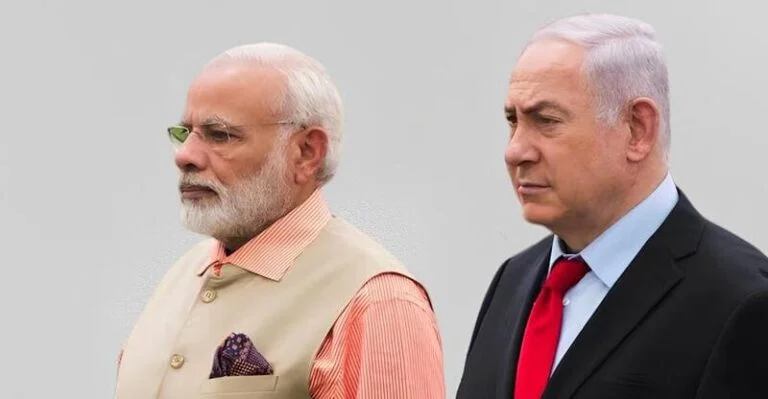
Israel and India’s active support for Baloch militias confirms Pakistan’s long-standing concerns about foreign interference. Through proxy insurgency and narrative campaigns, external actors seek to destabilize Balochistan, undermine Pakistan’s internal security, and disrupt regional connectivity.