Themes

The US Report on Pakistan’s May Win

The US Report on Pakistan’s May Win

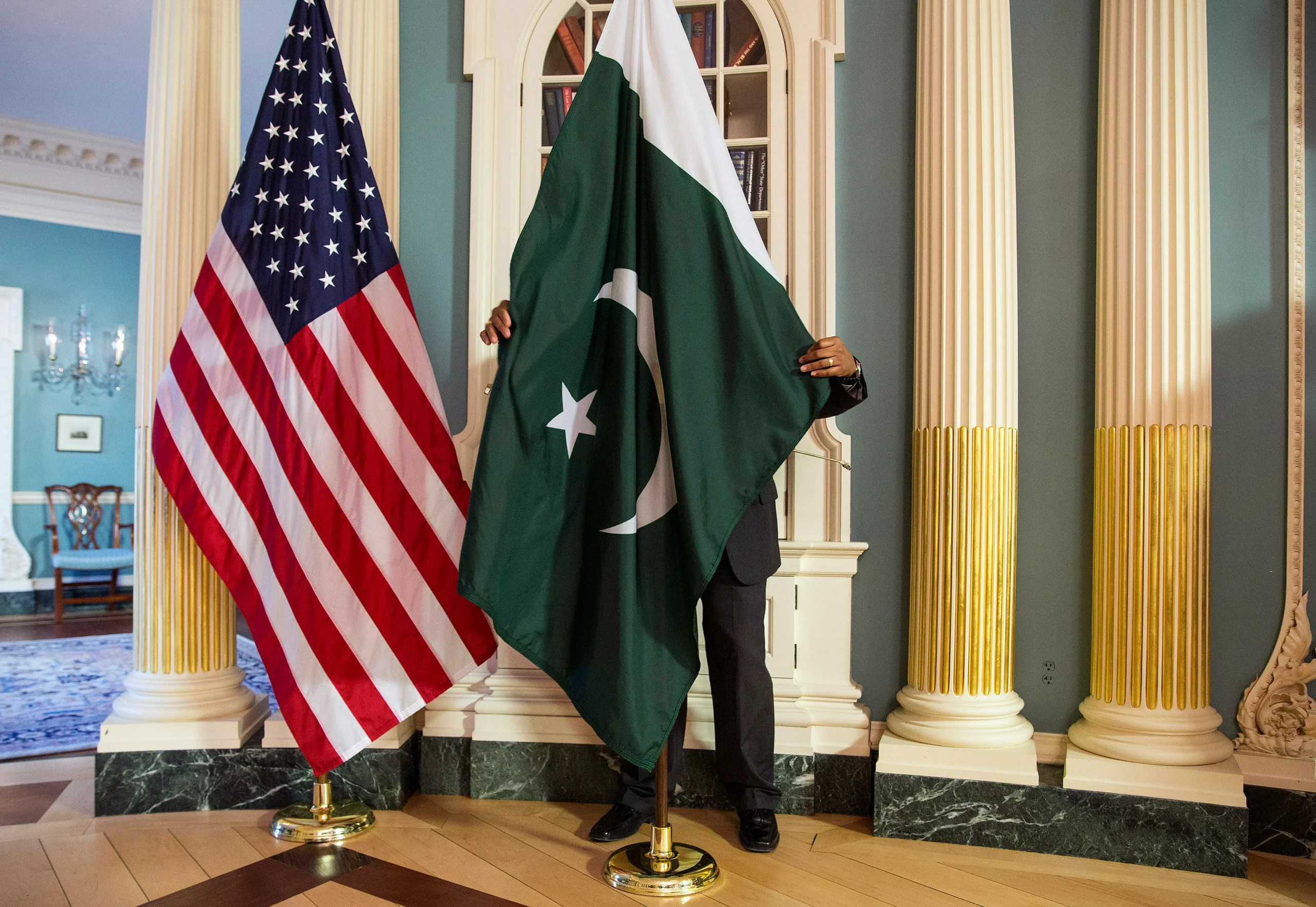
The USCC’s 2025 report delivered a rare moment of clarity in South Asian geopolitics. By openly describing Pakistan’s military success over India, the Commission broke with years of cautious Western language and confirmed a shift many analysts had only hinted at. The report’s wording, and the global reactions that followed, mark a turning point in how the 2025 clash is being understood.

Read More »
Afghanistan: the question of Pakistan’s complaints

Afghanistan: The Question of Pakistan’s Complaints

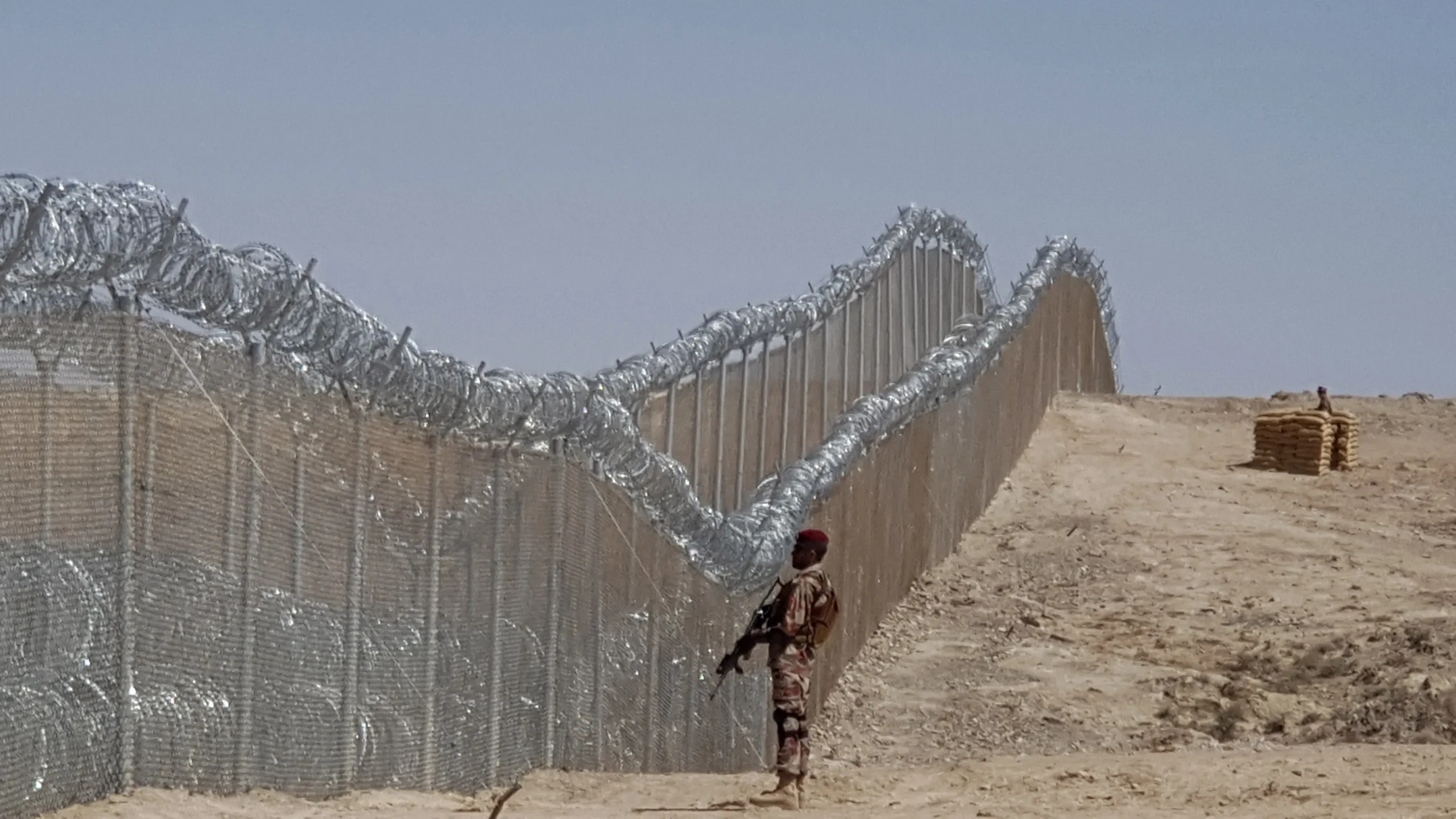
Taliban’s acting Foreign Minister Amir Khan Muttaqi asked why only Pakistan complains about terrorism in Afghanistan. The truth is clear; Pakistan bears the heaviest burden. Since 2021, the Taliban regime has turned Afghanistan into a hub of terror and oppression, leaving Pakistan to face staggering human, economic, and security costs while the world watches.

Read More »
Modern Platforms, Evolving Doctrine

Modern Platforms, Evolving Doctrine

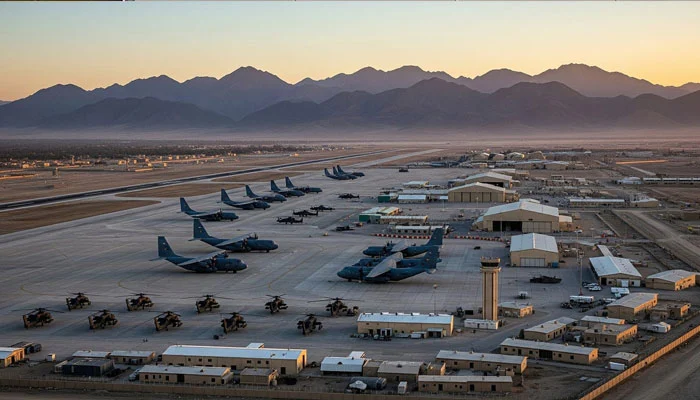
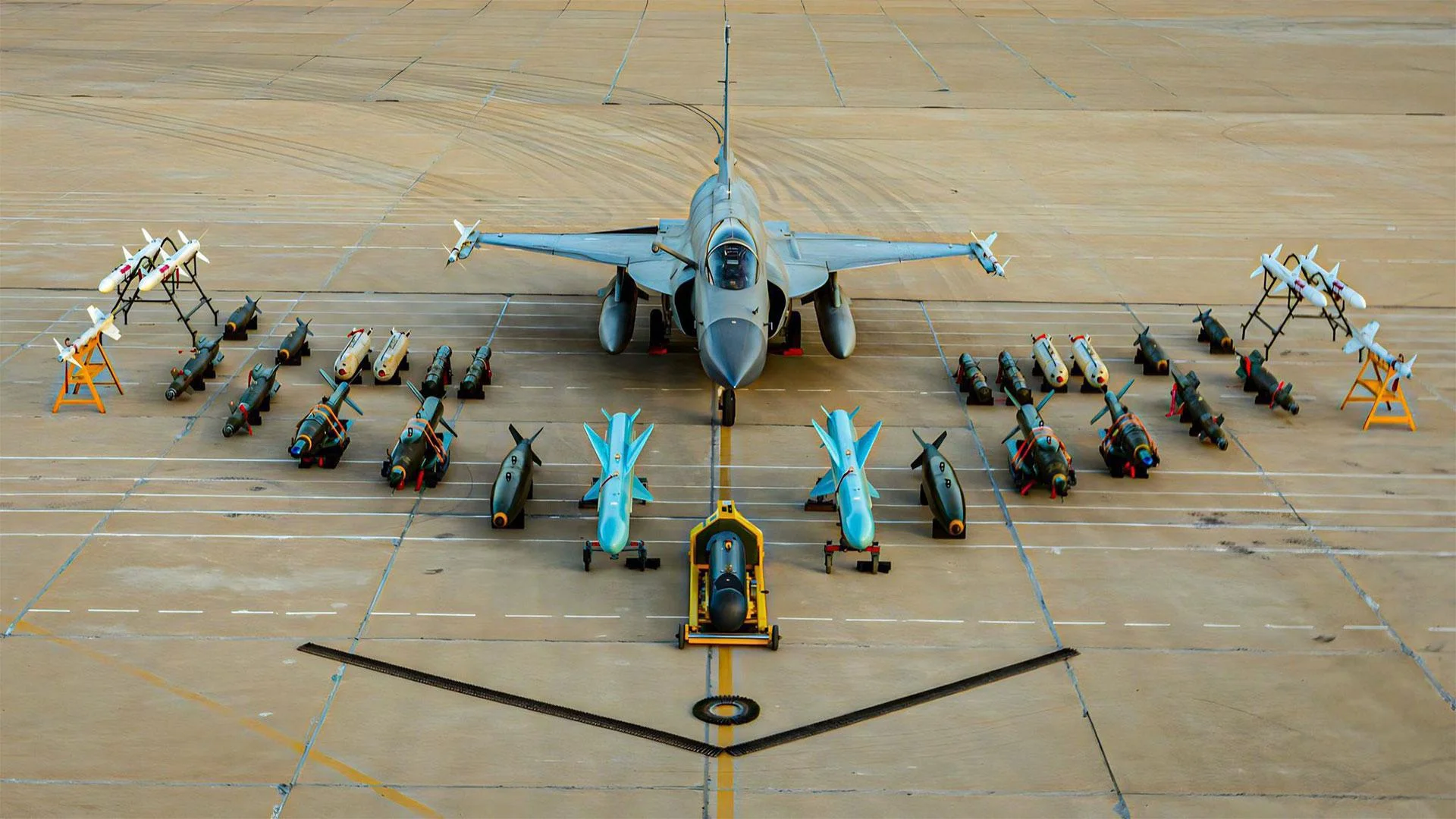
The Gulf’s air-power evolution is increasingly shaped by the fusion of advanced platforms with modern doctrine and faster decision cycles. As regional forces adapt to complex threat environments, partners like Pakistan, whose operational experience spans multiple domains, are becoming part of the broader conversation on future air-power thinking.

Read More »
Zohran Mamdani calls out Modi and Netanyahu as war criminals, linking Gujarat 2002 and Gaza, and demands global justice and accountability.

Zohran Mamdani Stands Up for Justice: Holding Modi and Netanyahu Accountable

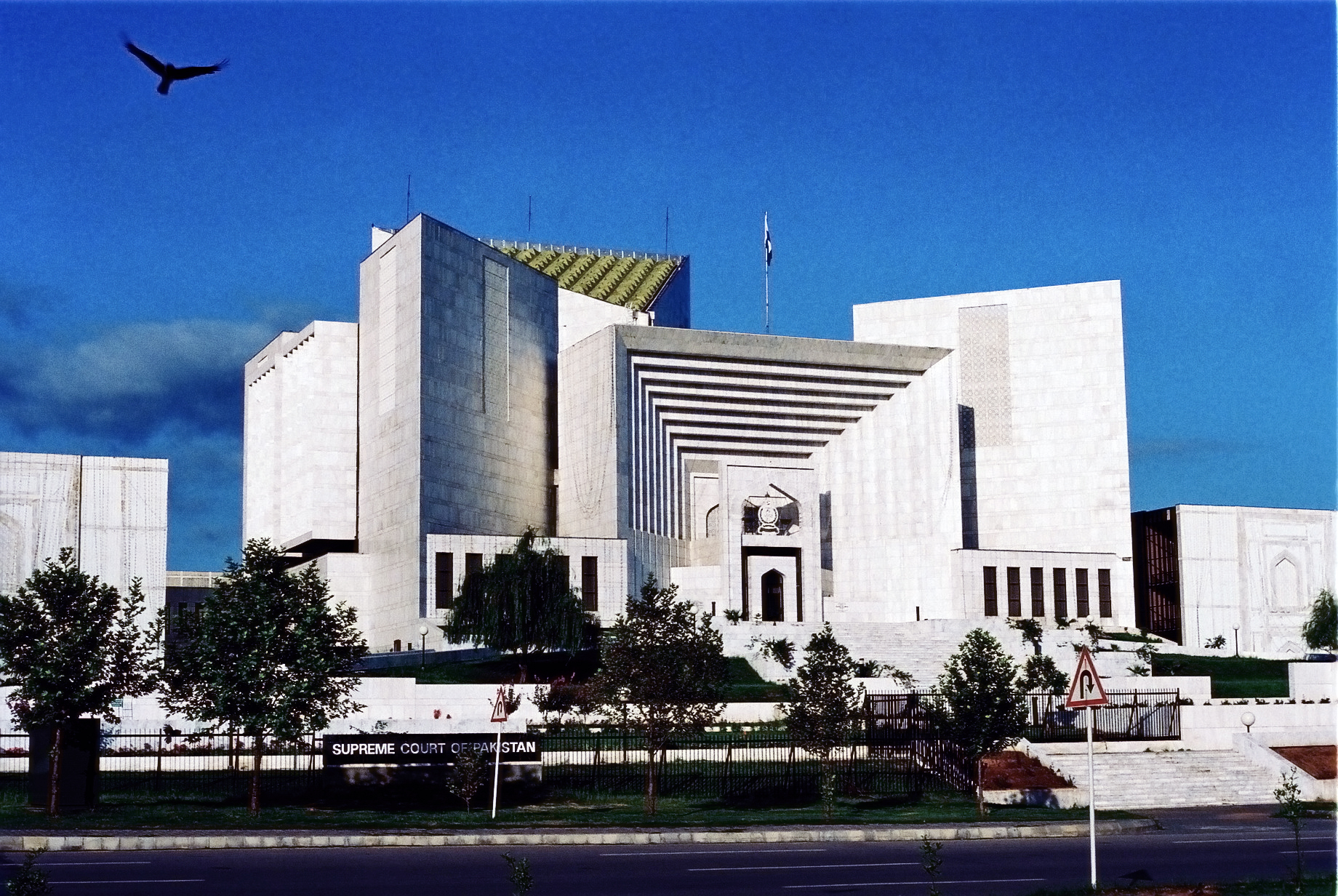
Zohran Mamdani, a rising progressive voice in the U.S., has boldly equated Indian Prime Minister Narendra Modi and Israeli Prime Minister Benjamin Netanyahu with war crimes. Drawing on global principles like the Responsibility to Protect (R2P) and ICC indictments, Mamdani challenges the immunity of influential leaders and advocates for accountability for mass atrocities in Gujarat (2002) and Gaza.

Read More »
How Pakistan can benefit from the World Bank’s New Nuclear Policy

How Pakistan can Benefit from the World Bank’s New Nuclear Policy

The World Bank’s decision to lift its decades-old ban on nuclear energy financing marks a turning point for developing nations. For Pakistan, this policy shift offers a rare opportunity to tackle its chronic energy crisis through clean, affordable, and reliable nuclear power. By aligning with the IAEA’s safety standards, engaging with World Bank institutions like IFC and MIGA, and integrating nuclear expansion into its national climate goals, Pakistan can position itself at the forefront of sustainable energy transformation.

Read More »
The Re-Emergence of Terror: Afghanistan as a Global Terrorist Hub

The Re-Emergence of Terror: Afghanistan as a Global Terrorist Hub

The Taliban’s return to power has revived Afghanistan’s role as a global Terrorist hub. Despite pledges under the 2020 Doha Agreement, the regime continues to shelter and enable groups such as Al-Qaeda, TTP, and ETIM, creating a volatile nexus of terrorism that threatens regional stability and global security. As internal conflicts deepen and governance collapses, Afghanistan’s transformation into an ideological sanctuary ensures a cycle of chaos and suffering that primarily victimizes its own people.

Read More »
The End of Dollar Dominance: How Gold is Rewriting the Rules of Global Finance

The End of Dollar Dominance: How Gold is Rewriting the Rules of Global Finance

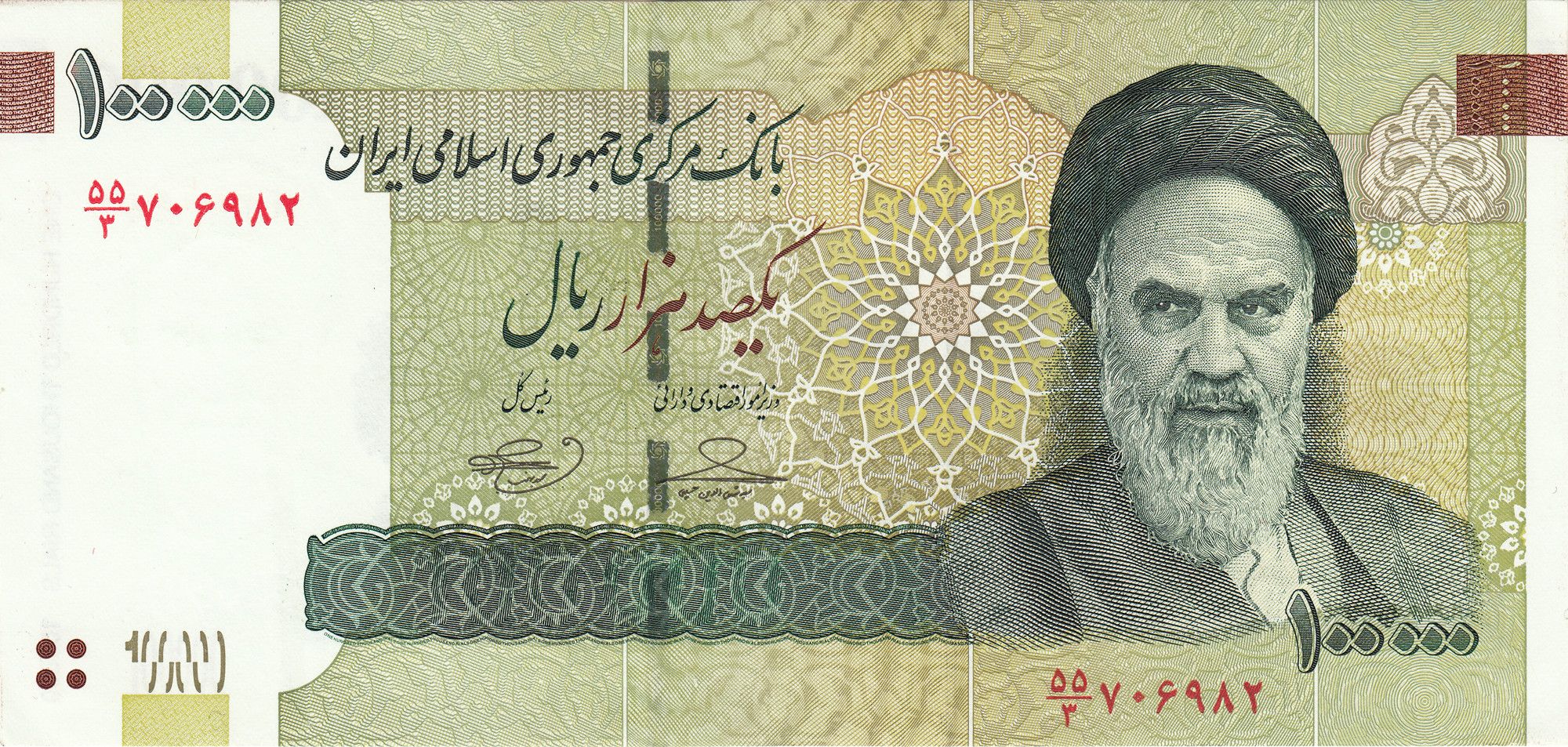
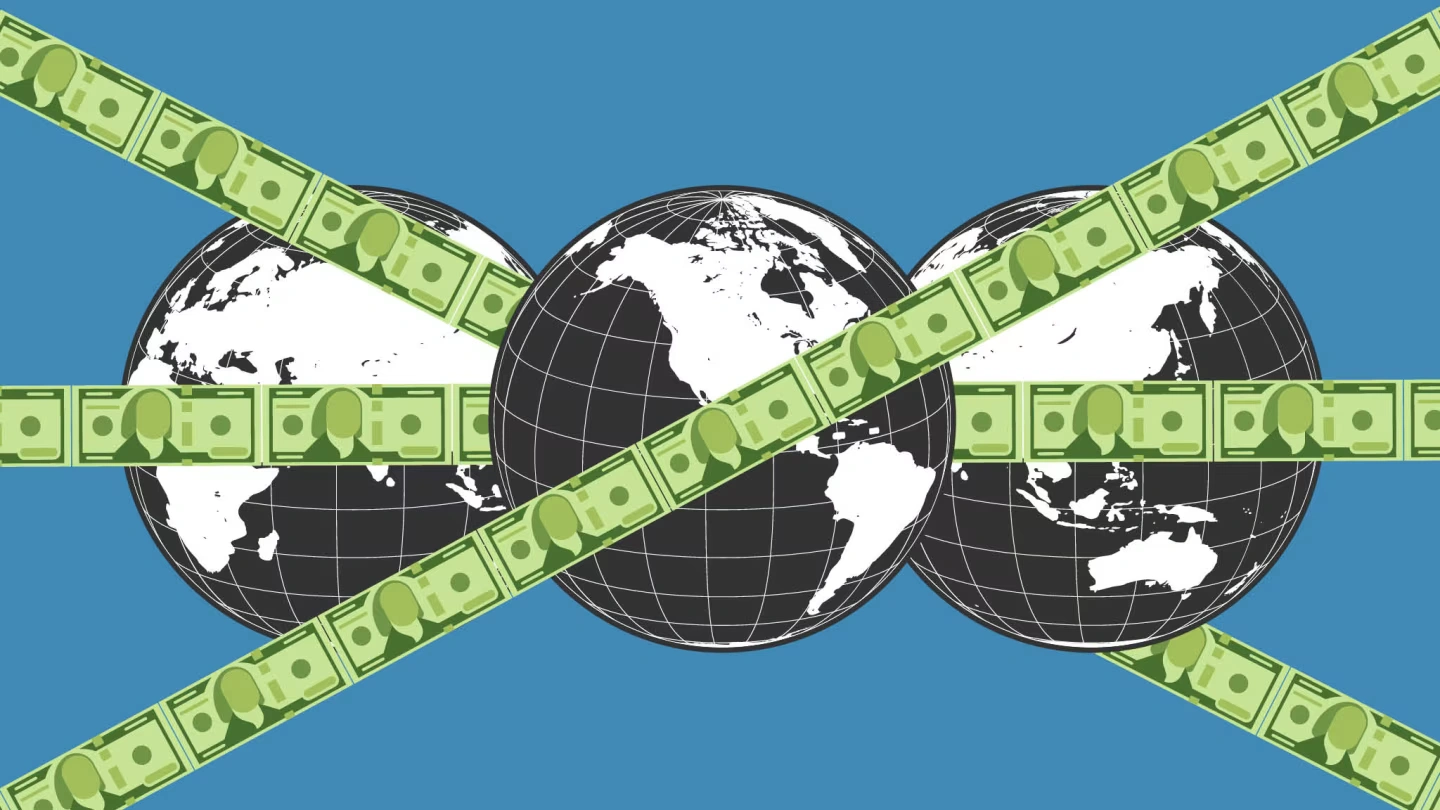
After nearly eight decades of U.S. dollar supremacy, the global financial order is entering a historic transition. As nations seek refuge from debt crises, sanctions, and monetary manipulation, gold is regaining its status as the world’s most trusted store of value. Led by China’s strategic accumulation and supported by a worldwide shift toward de-dollarisation, this transformation signals the birth of a multipolar, asset-backed financial era, one anchored not in promises, but in tangible wealth.

Read More »