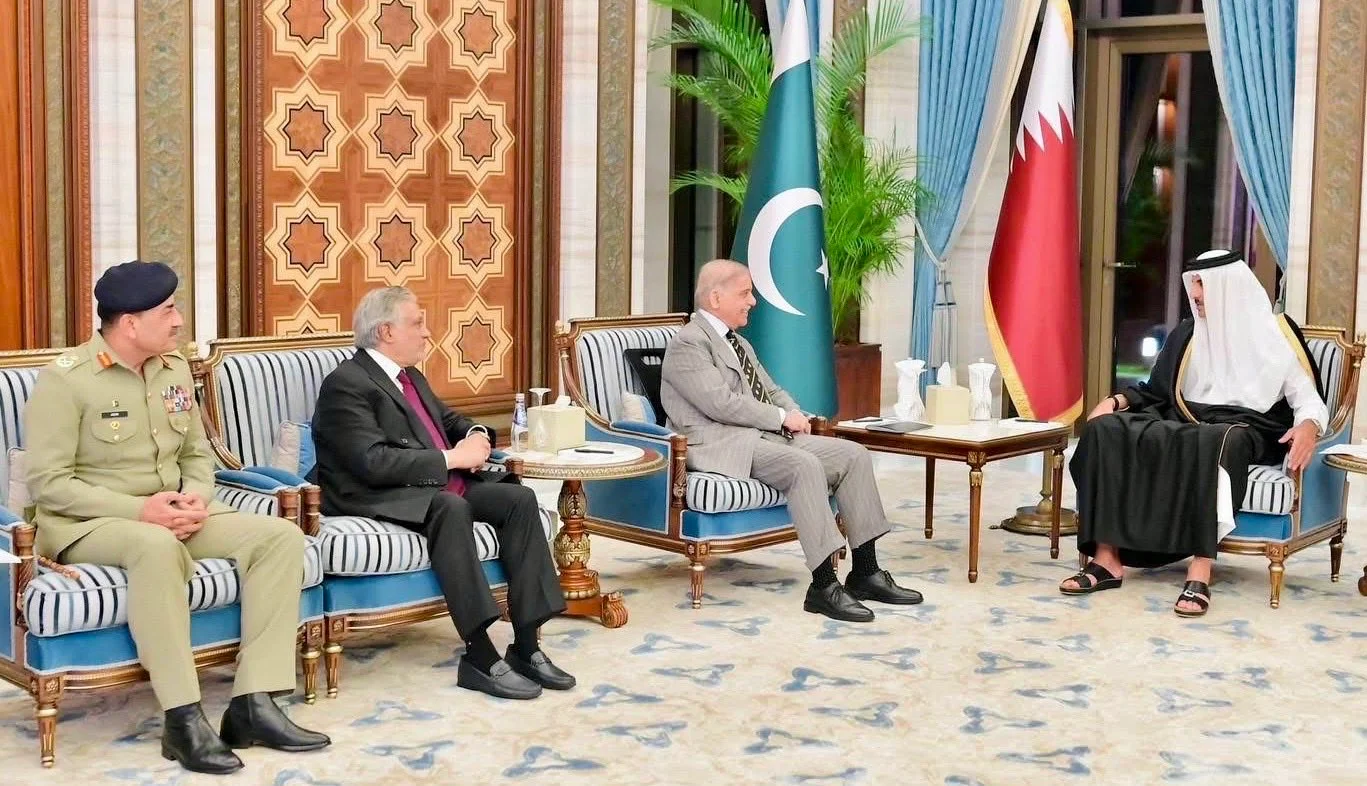
PM Shehbaz Meets Qatari Emir, Reaffirms Strategic and Economic Partnership
PM Shehbaz meets Qatar’s Emir in Doha, reaffirming strong ties and advancing strategic economic cooperation.

PM Shehbaz meets Qatar’s Emir in Doha, reaffirming strong ties and advancing strategic economic cooperation.
![Prime Minister Narendra Modi with External Affairs Minister S. Jaishankar at an official event. [Photo Courtesy: Praveen Jain via The Print].](https://southasiatimes.org/wp-content/uploads/2026/02/20-scaled-e1755601883425-1024x576-1.webp "The Facade of Indian Strategic Autonomy")
India’s strategic autonomy faces pressure as US trade leverage, energy dependence, and defence ties test New Delhi’s balancing doctrine.
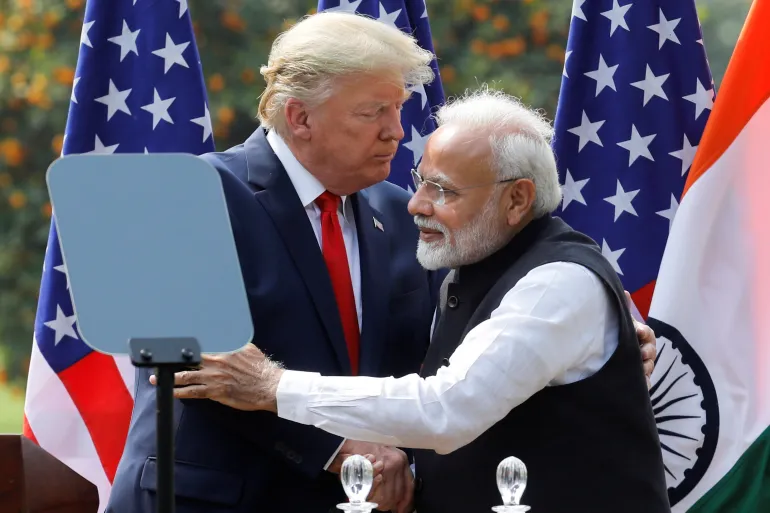
Washington’s new security lens is transactional. Partnerships must pay. For India, sentiment won’t suffice, deliverables will.
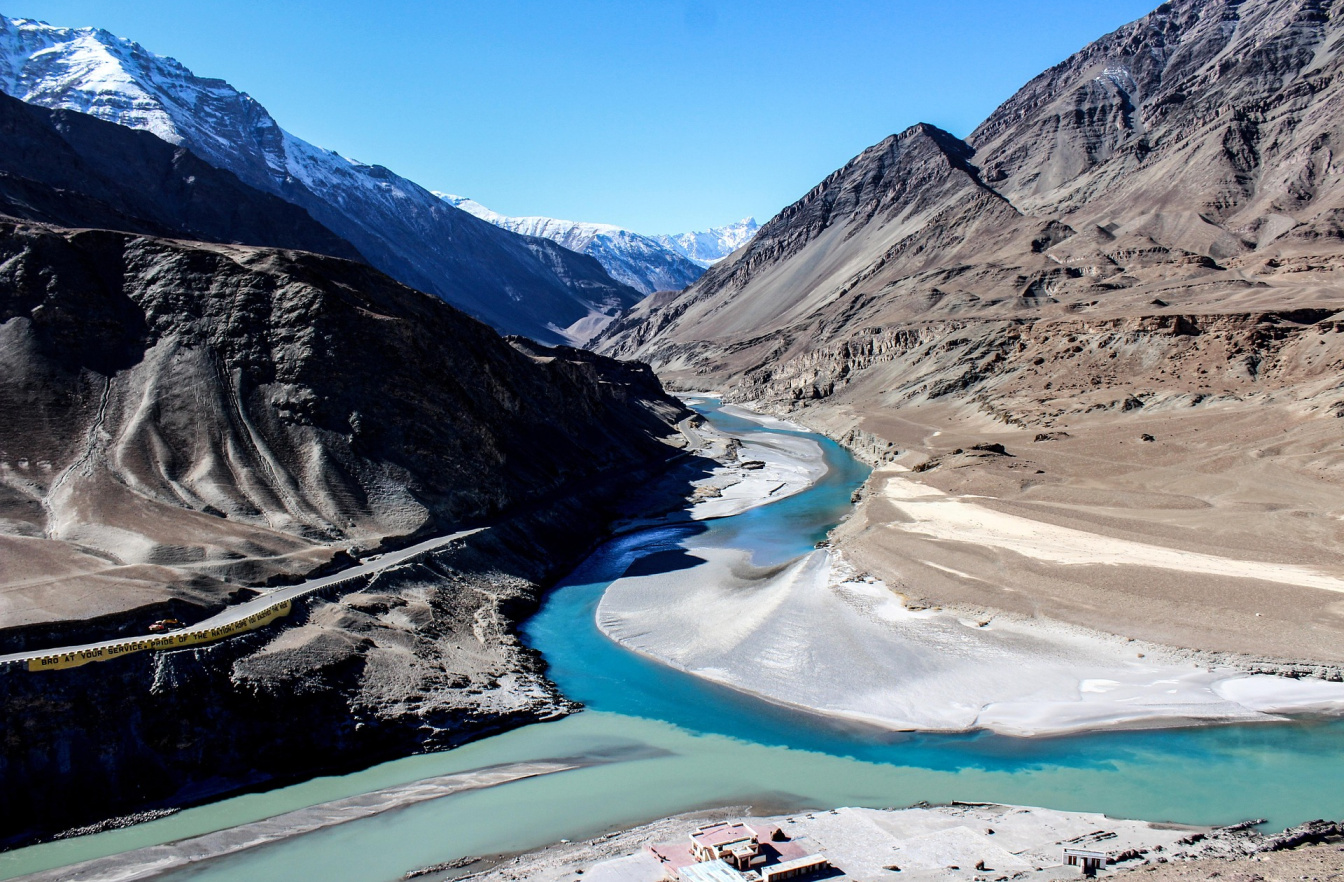
Pakistan convened an Arria-formula UN Security Council meeting, emphasizing that the Indus Waters Treaty remains fully binding. International law and treaty sanctity were upheld against India’s unilateral
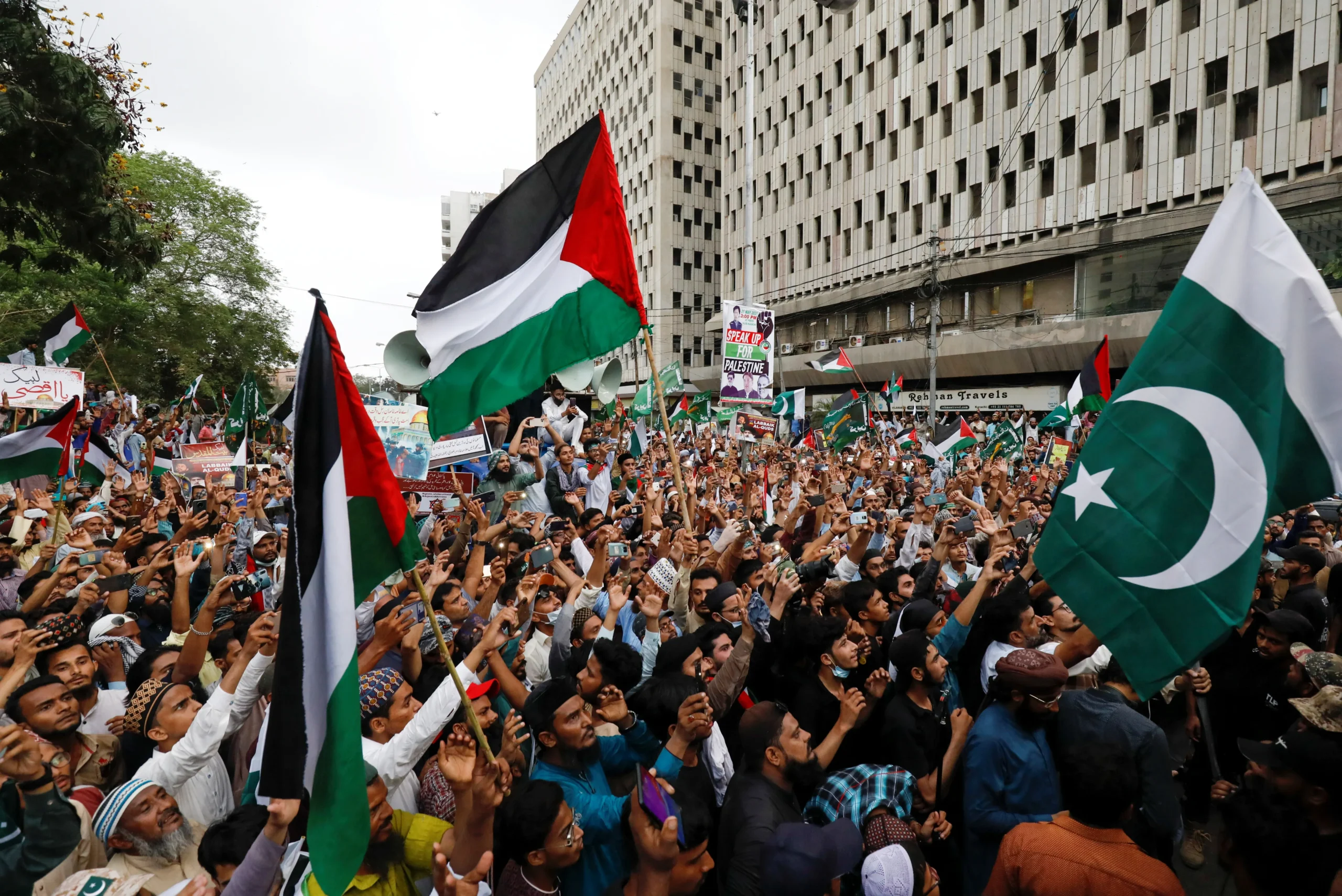
As Gaza endures a prolonged humanitarian catastrophe, Pakistan’s decision to engage with the Board of Peace reflects a calculated shift from symbolic diplomacy to realist-humanitarianism. Rather than retreating into moral posturing, Islamabad has chosen presence as leverage, seeking to shape aid delivery, protect Palestinian priorities, and influence outcomes from within imperfect multilateral structures.
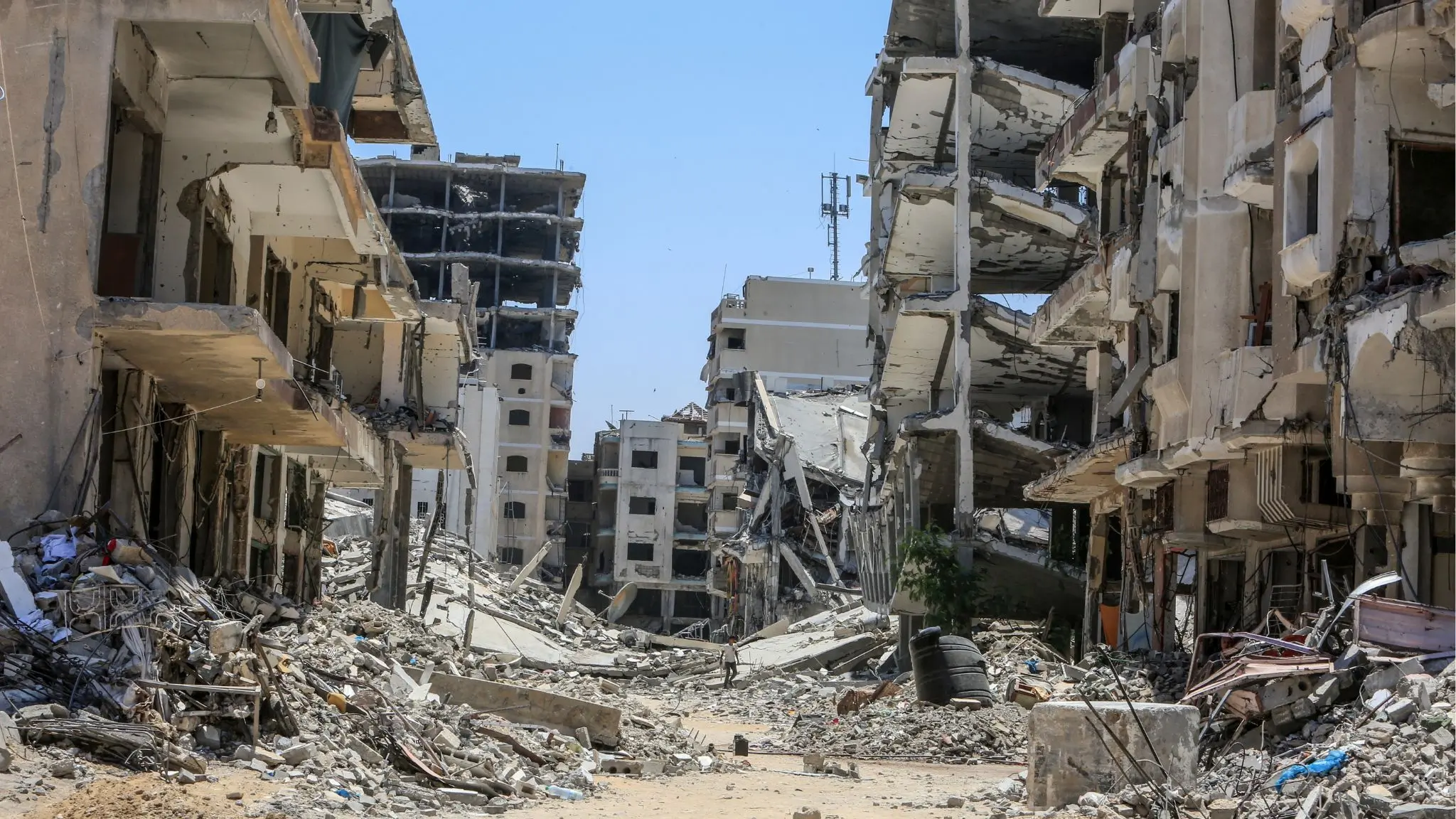
Pakistan’s entry into Gaza’s Board of Peace marks a historic departure from its traditional Palestinian policy. As Islamabad navigates an extra-legal, US-led governance framework that excludes Hamas and sidelines sovereignty, the question looms large: is participation a tool of influence, or an act of moral complicity?
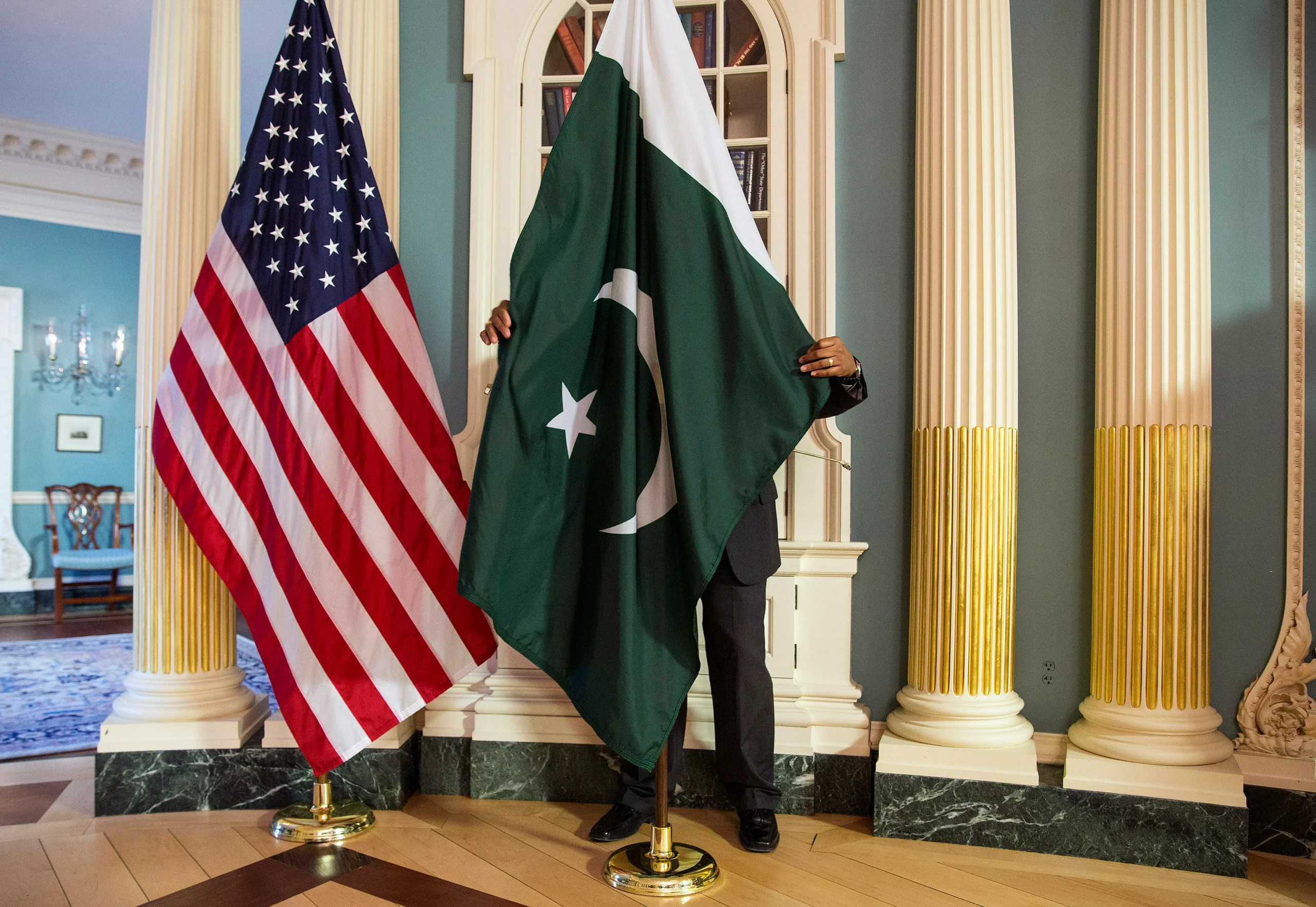
Andy Halus’s interview signals a strategic shift in US–Pakistan relations from security-centric ties to a multidimensional partnership centered on minerals, education, and soft power. Projects like Reko Diq now stand as the key test of this new architecture.
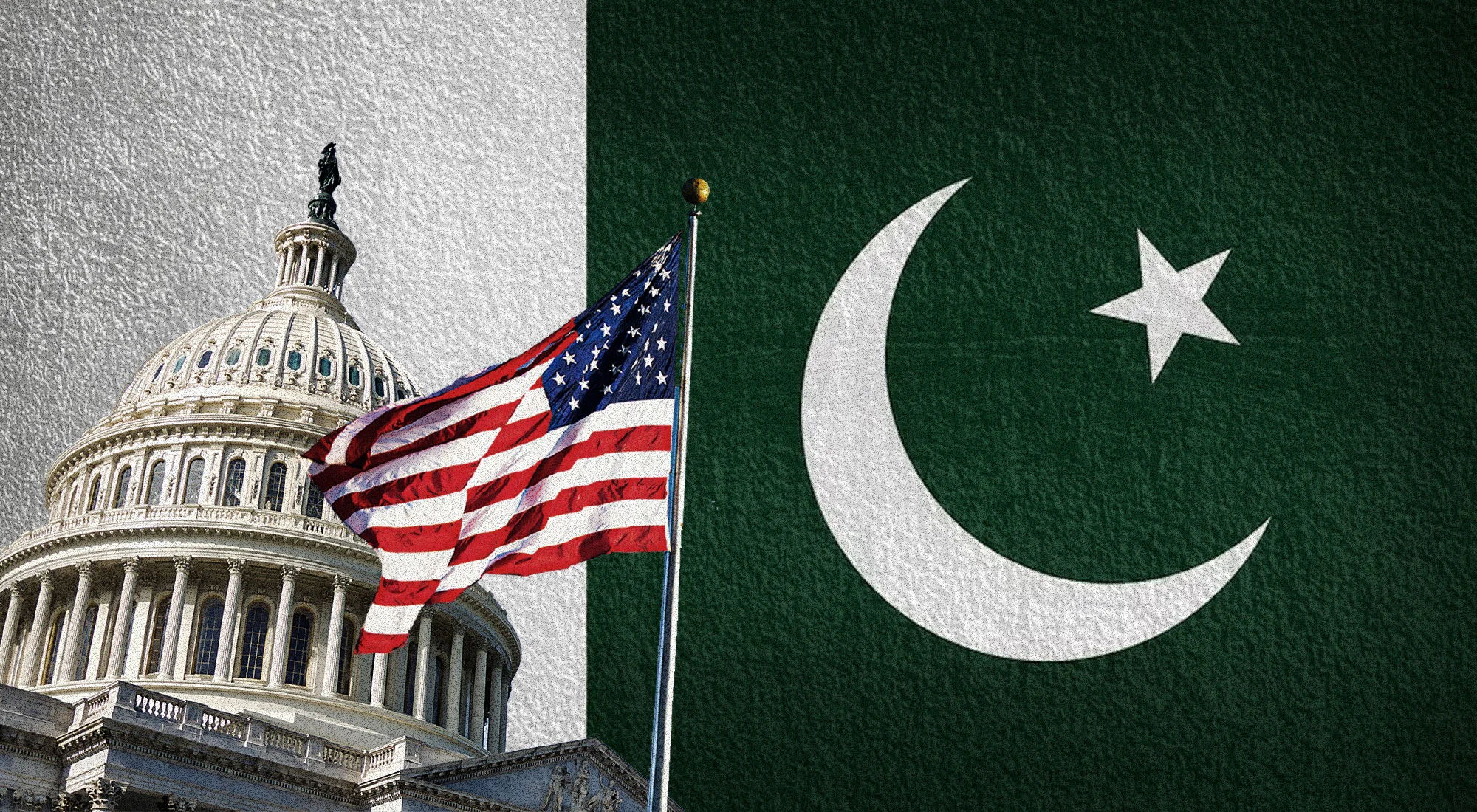
Natalie Baker signals a historic shift in the US-Pakistan ties, focusing on Reko Diq, agriculture, Fulbright programs, and a Green Alliance to strengthen trade, technology, and climate resilience.

The Taliban’s health diplomacy is reshaping Afghanistan’s geopolitical landscape. By phasing out Pakistani pharmaceuticals and inviting Indian partnerships, Kabul securitizes its healthcare infrastructure as a tool of strategic realignment. The shift highlights the intersection of sovereignty, economic statecraft, and regional influence, with Afghan patients bearing the immediate consequences.
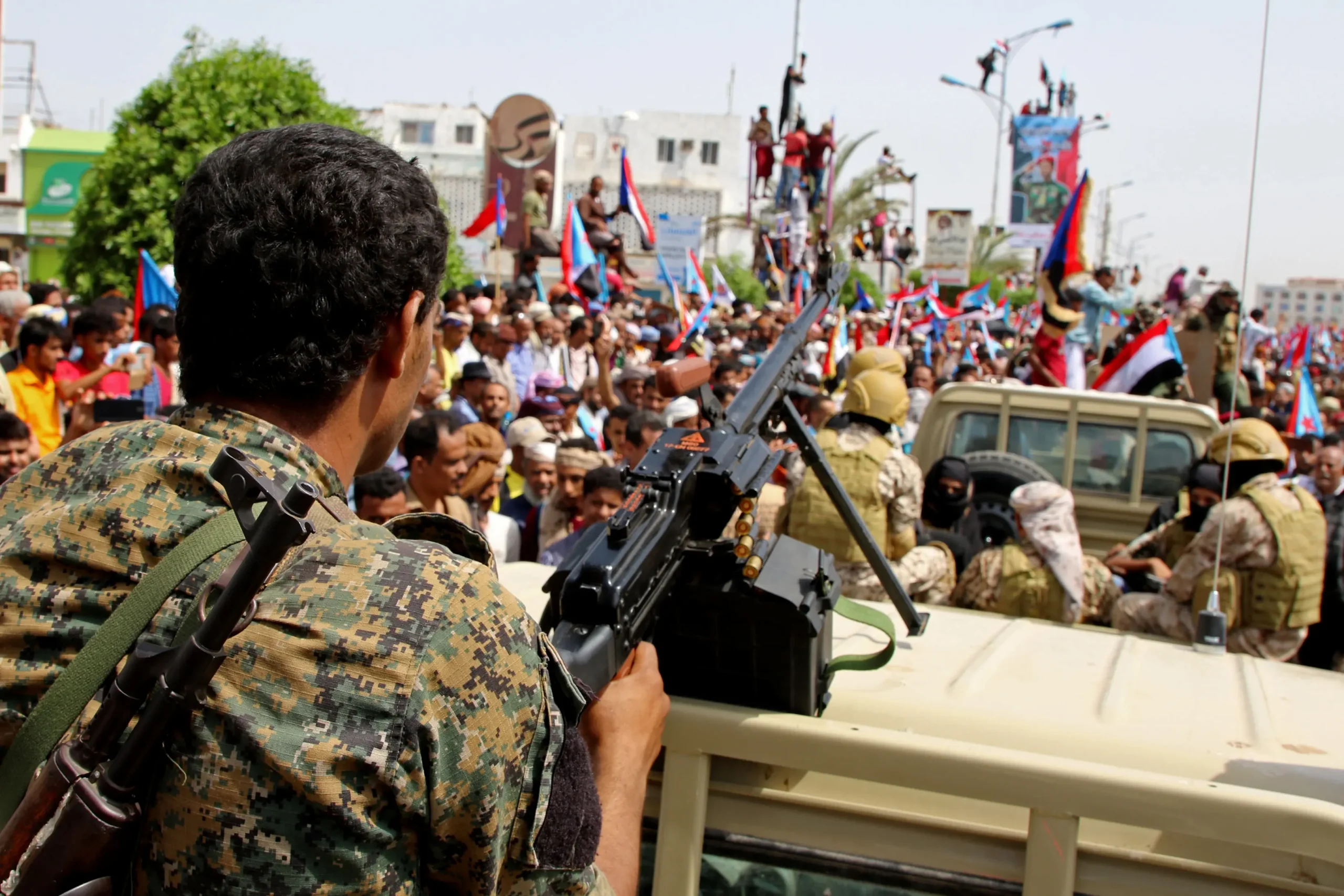
The expulsion of Saudi-backed forces from Hadhramawt by UAE-aligned proxies signals the collapse of the Riyadh-Abu Dhabi alliance. In Yemen and Sudan, Abu Dhabi leverages non-state actors to secure ports, resources, and influence, while Riyadh prioritizes state stability and territorial consolidation. The result: a regional realignment where Gulf unity gives way to fierce intra-Gulf competition.