The Economic Case for a Deeper US-Pakistan Partnership
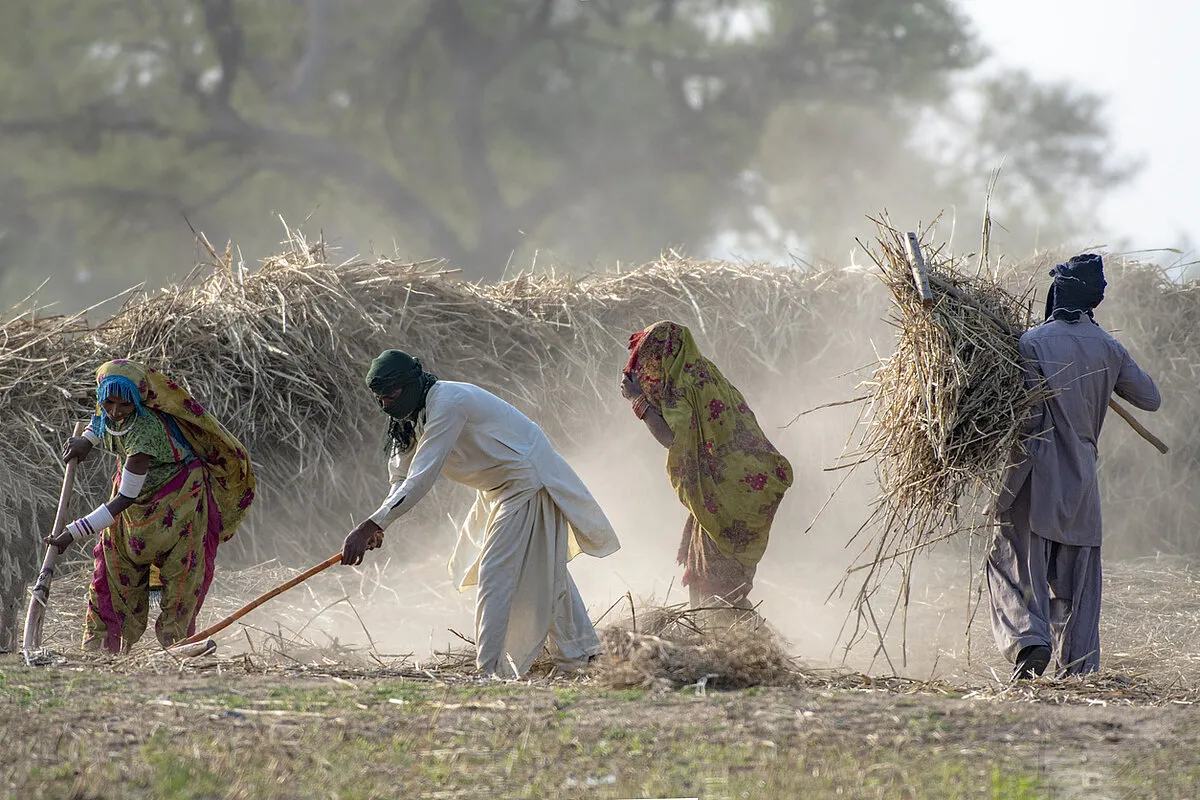
Amid shifting global supply chains and great-power rivalry, Pakistan offers the United States untapped opportunities in minerals, technology, energy, and human capital.

Amid shifting global supply chains and great-power rivalry, Pakistan offers the United States untapped opportunities in minerals, technology, energy, and human capital.

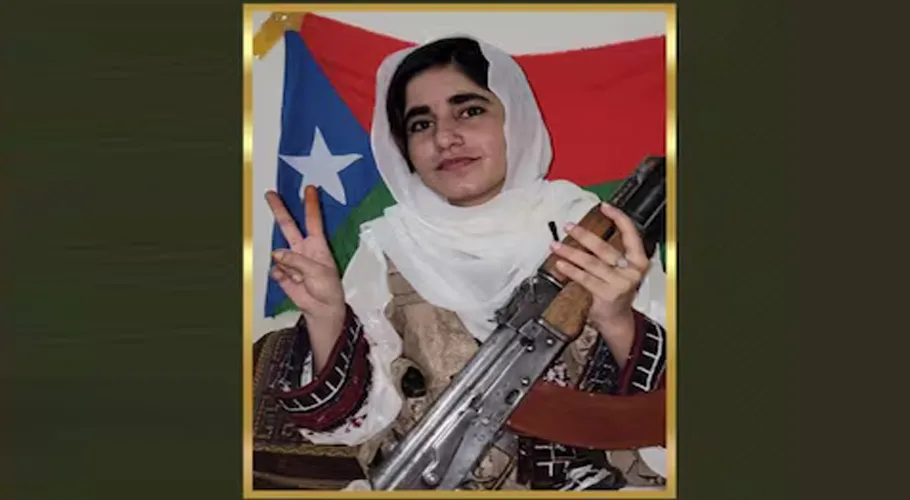
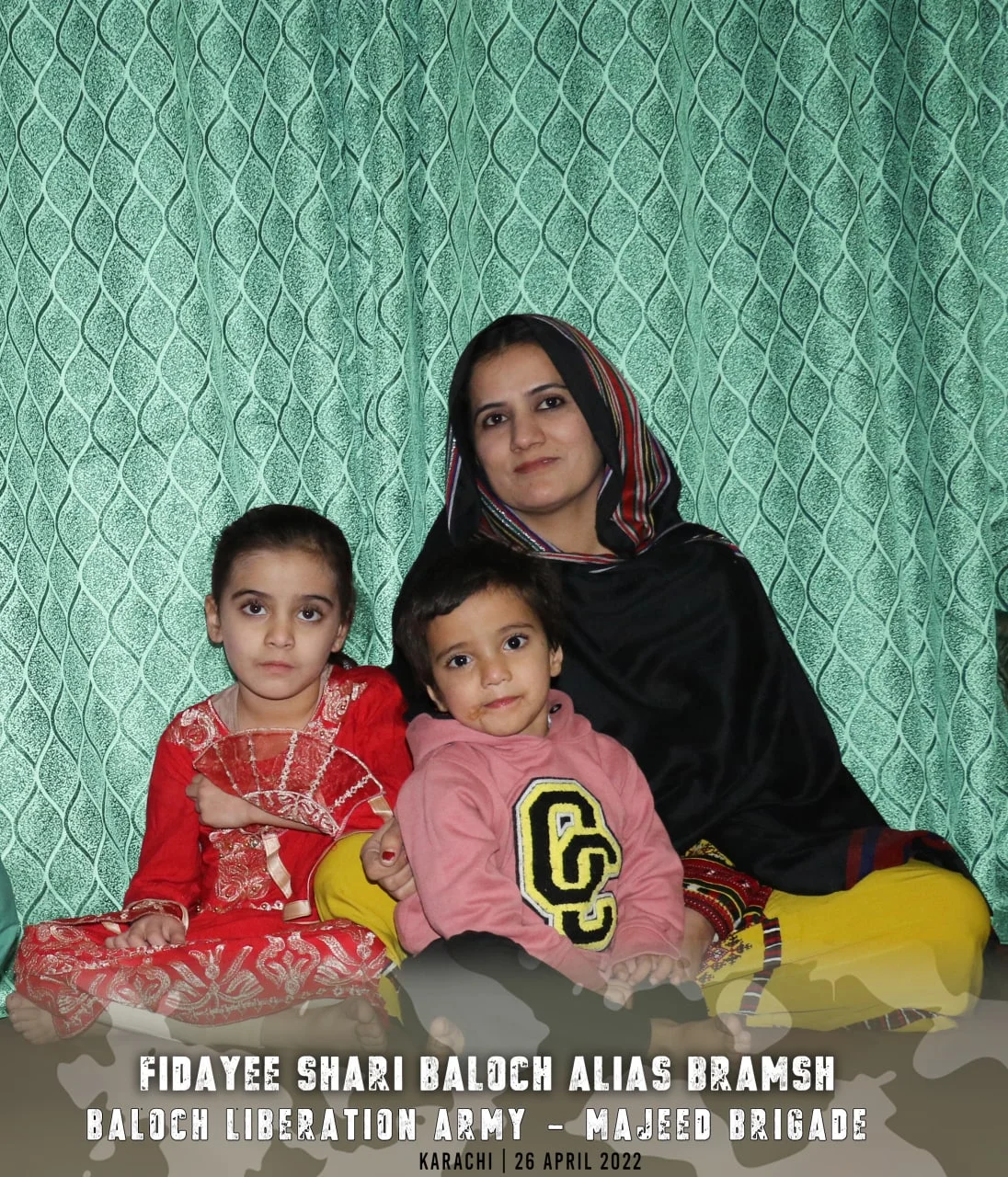
Washington’s FTO listing of the BLA, including the Majeed Brigade, marks a major shift in counter-terror and regional diplomacy.

From economic revival to global diplomacy, Pakistan’s transformation offers a blueprint for turning adversity into sustainable progress.

From classrooms to conflict zones, language has always shaped empires. For Pakistan, ignoring it as a strategic asset may be its gravest miscalculation yet.

On August 1, 2025, the sons of former Prime Minister Imran Khan, Kasim and Sulaiman, stepped into the global spotlight with a high-profile interview on

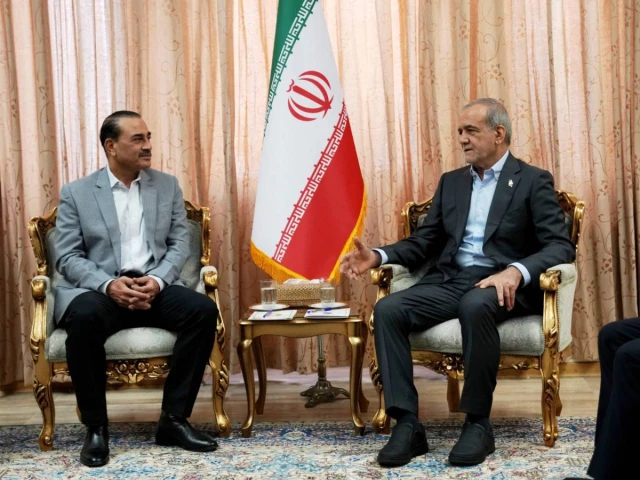
Iranian President Masoud Pezeshkian’s visit to Pakistan advances cooperation on security, trade, and regional diplomacy amid shifting geopolitical dynamics.

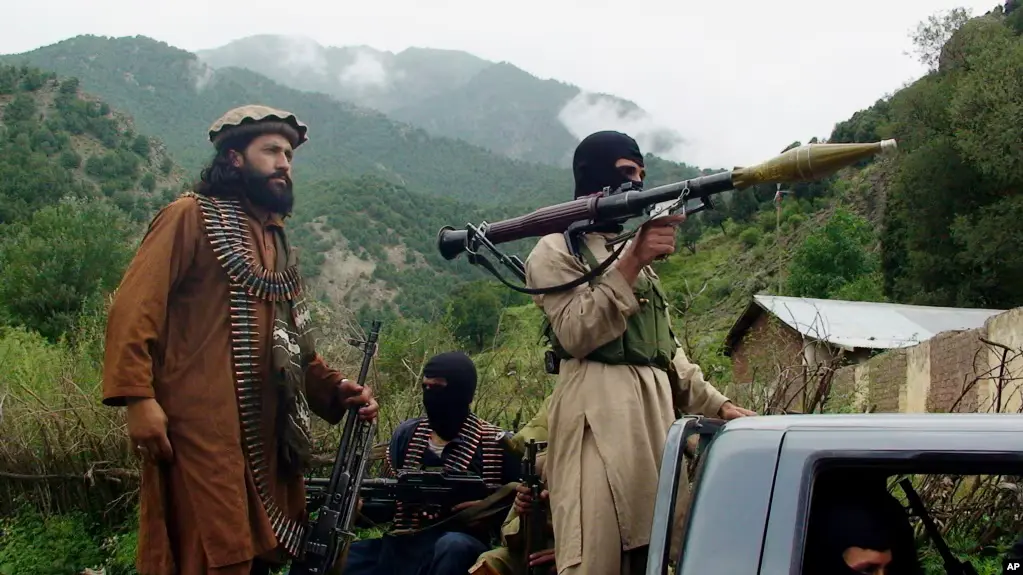
Despite strategic shifts and political tension, U.S.–Pakistan counterterrorism cooperation has endured, adapting to new threats and delivering results against groups like TTP, ISKP, and Al-Qaeda.

The US-Pakistan counterterrorism alliance remains vital in tackling ISIS-K, Al-Qaeda, and TTP threats across South and Central Asia.

Operation Sarbakaf aims to reassert state control in Bajaur amid escalating militant violence, but civilian risks and disinformation complicate the battle.

On July 22, 2025, Sufyan Baloch, a student, turned turned militant, got killed during a security operation against terrorists in Turbat, Balochistan. At just 25, he had a university degree, access to government-sponsored scholarships, and a promising future. But by the time of his death, he was a armed terrorist affiliated with the banned Balochistan Liberation Army (BLA).