South Asia

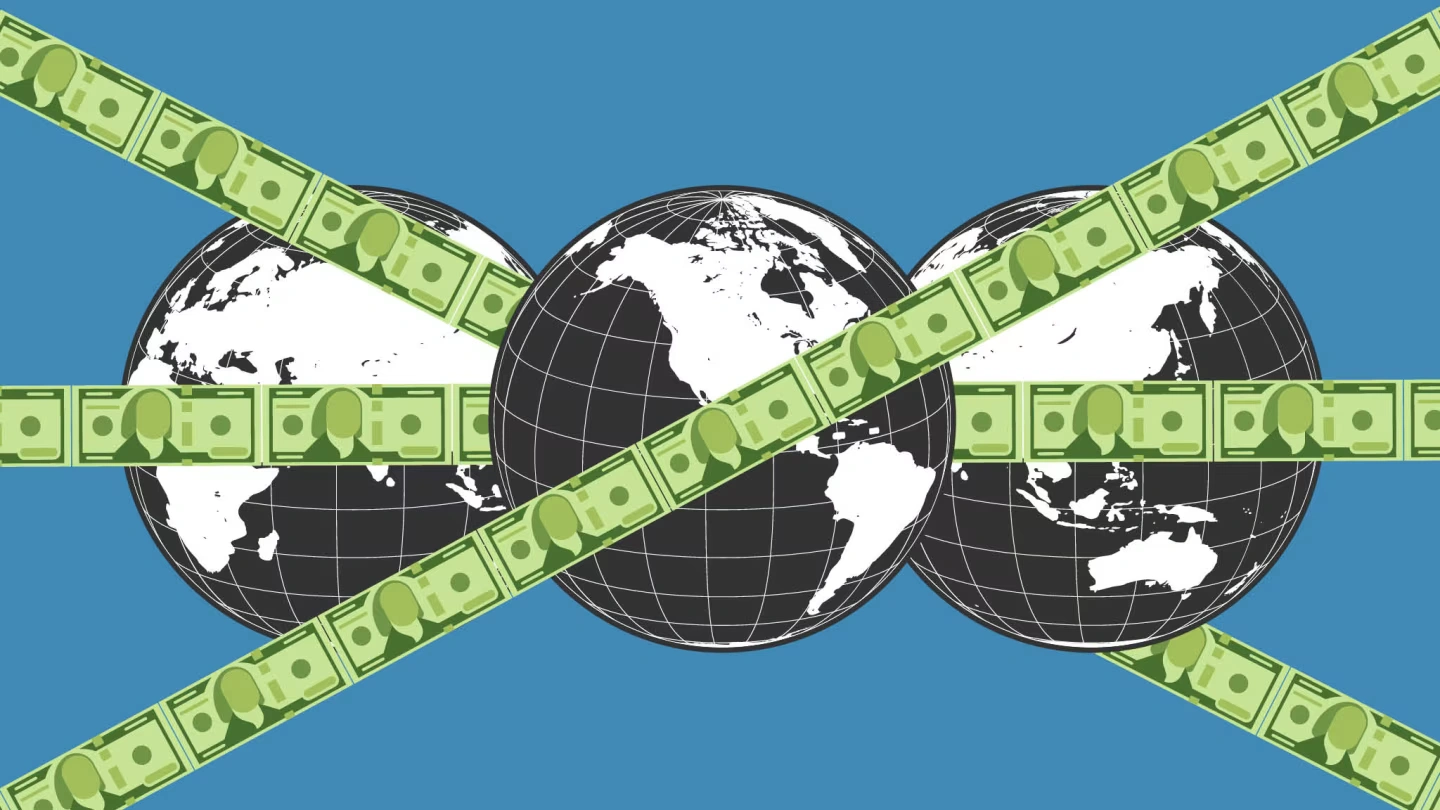
Pakistan’s IT sector and Digital Nation Act 2025 offer a scalable path to break the current account deficit and escape chronic economic volatility.

Pakistan’s Digital Escape Route

Pakistan’s reliance on import-heavy exports has repeatedly triggered balance-of-payments crises. The Digital Nation Pakistan Act 2025 positions IT as a zero-raw-material export capable of delivering scalable growth, fiscal stability, and long-term economic resilience.

Read More »
The Weaponization of the Rivers

The Weaponization of the Rivers

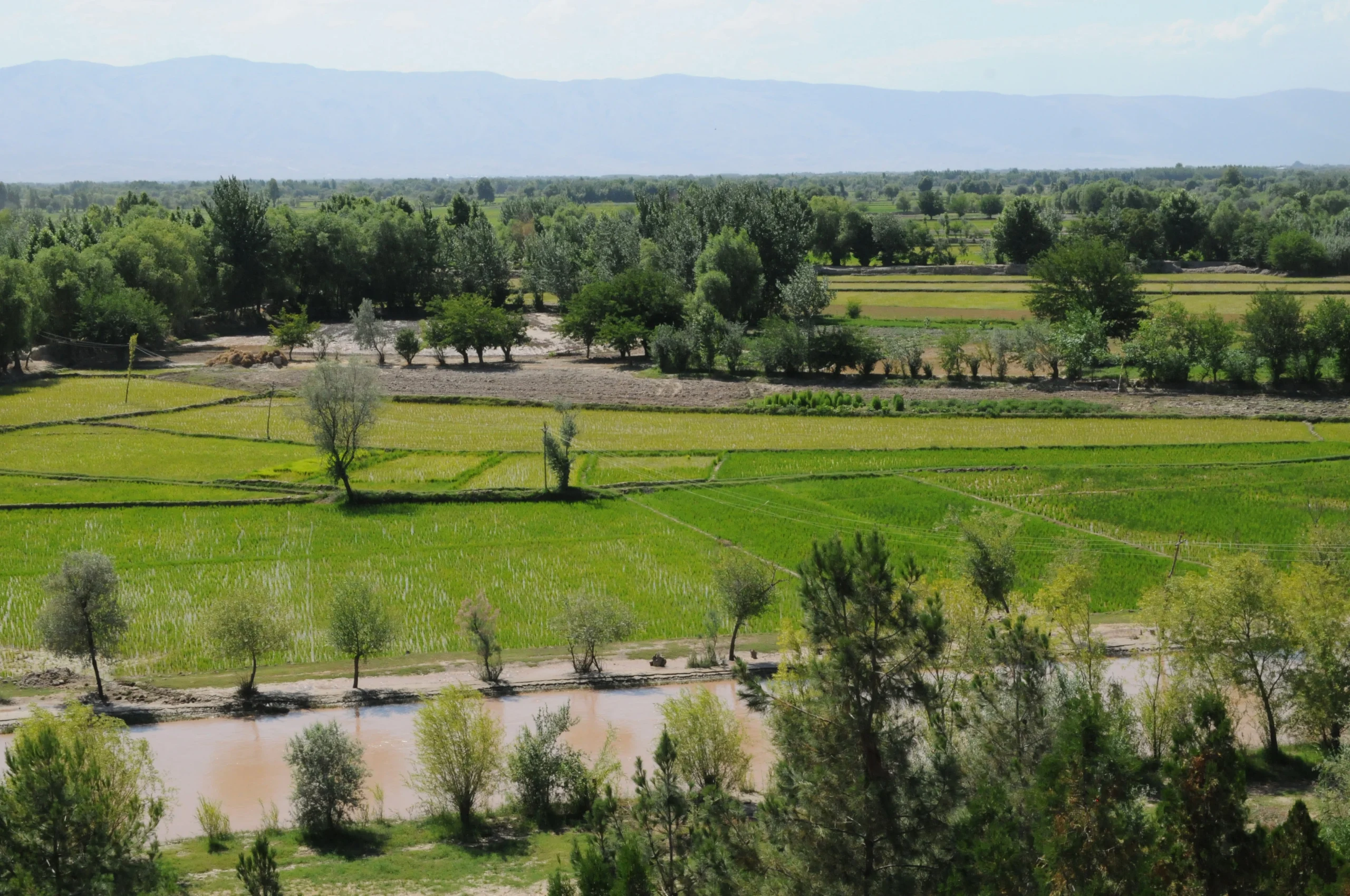
The Indus Waters Treaty is facing its gravest test as India’s unilateral actions on the Chenab transform water from a shared resource into a tool of coercion. In a climate-stressed region, disrupted river flows and suspended data sharing threaten Pakistan’s agrarian economy, food security, and regional stability.

Read More »
A Fugitive Insurgency

A Fugitive Insurgency

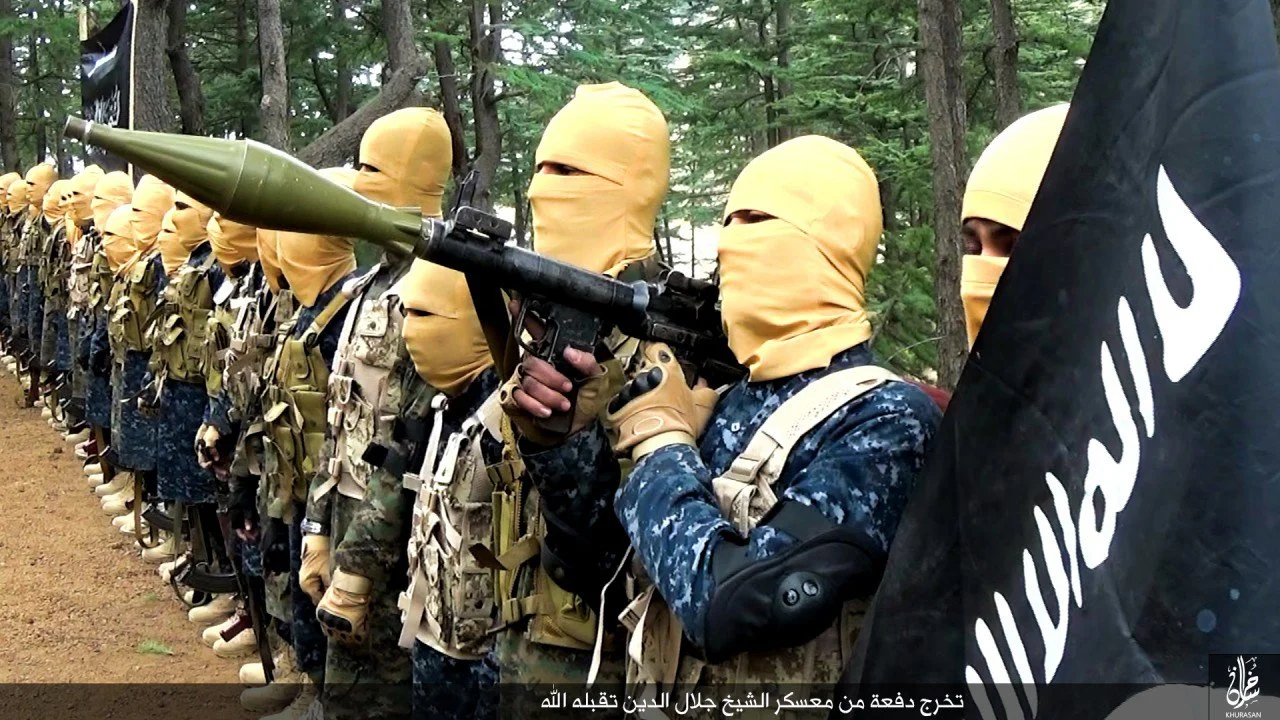
The TTP’s 2025 report projects an image of renewed strength and nationwide reach. In reality, it reflects a border-bound, fugitive insurgency using inflated statistics and psychological warfare to mask sustained pressure from Pakistan’s intelligence-led counter-terrorism campaign and the regional impact of instability in Afghanistan.

Read More »
The Taliban’s Purge of Former Afghan Officials

The Taliban’s Purge of Former Afghan Officials

The killing of General Akramuddin Saree in Tehran signals that the Taliban’s campaign against former Afghan officials has gone transnational. It reveals a dark convergence of Taliban intelligence operations and regional transactional politics that sacrifice political exiles for short-term stability.

Read More »
Weaponizing Civilian Infrastructure

Weaponizing Civilian Infrastructure

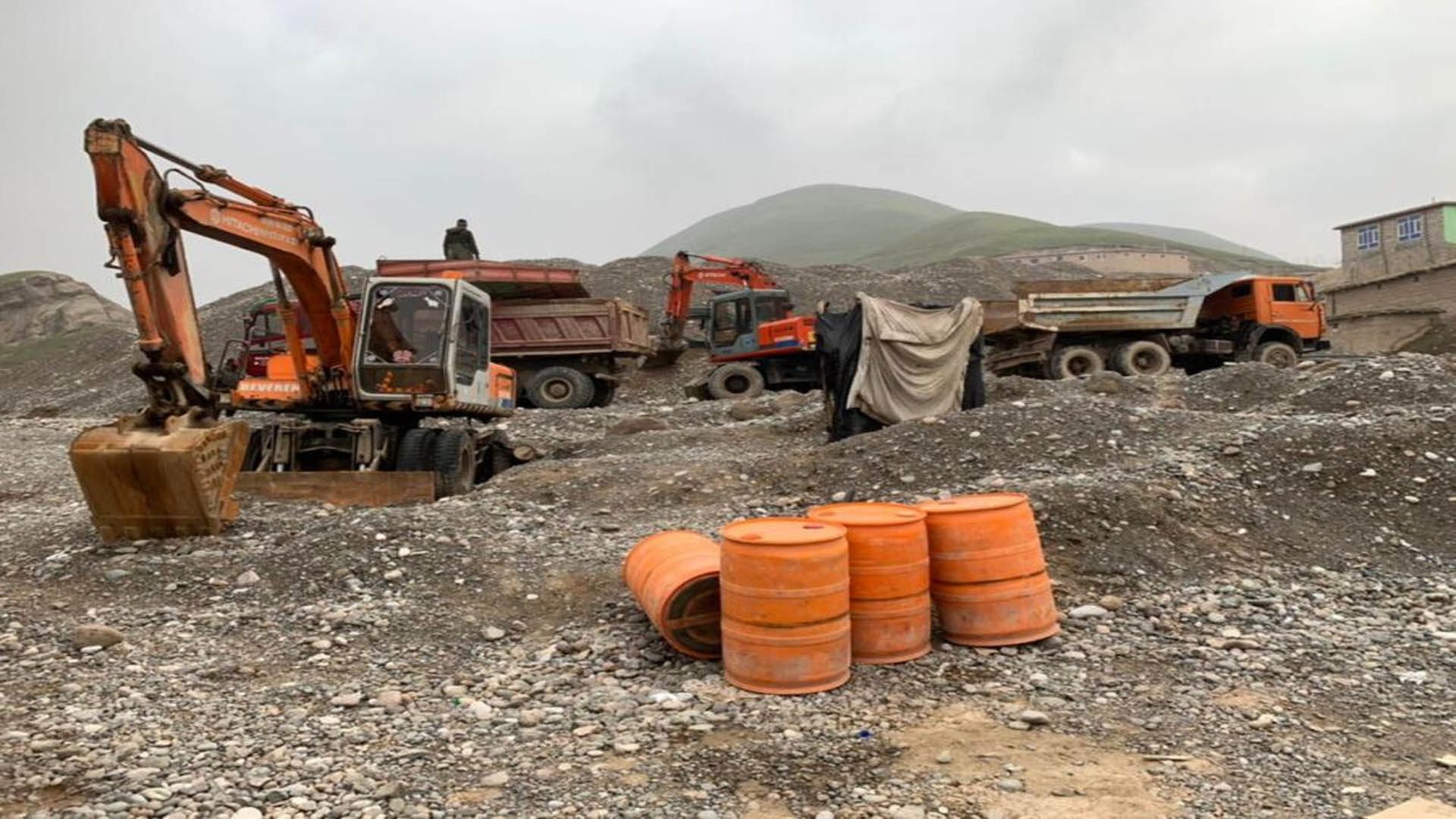
Emerging security reports allege that civilian aviation and major transport hubs may be quietly repurposed as logistical conduits for the TTP. While unverified, these claims reinforce Pakistan’s long-standing warnings about external facilitation, plausible deniability, and the use of civilian infrastructure in grey-zone conflict along the western border.

Read More »
How Taliban's Performative Governance Masks Gender Apartheid

How Taliban’s Performative Governance Masks Gender Apartheid

Behind Taliban social media showcases of female factory work lies a Potemkin model of governance. Selective visibility and performative economics obscure a system of gender apartheid, educational exclusion, and long-term economic decline. Drawing on UN and rights-group data, this analysis exposes how propaganda-driven inclusion narratives collapse under empirical scrutiny.

Read More »