India’s Deceit of Nuclear Programme
India’s nuclear program, built on deception and civilian technology diversion, has expanded into one of the world’s fastest-growing arsenals, fueling regional instability.

India’s nuclear program, built on deception and civilian technology diversion, has expanded into one of the world’s fastest-growing arsenals, fueling regional instability.

India’s claim of neutrality clashes with its growing Russian oil trade, revealing profit-driven policy. Facing USA criticism and tariff threats, New Delhi’s credibility and global ties are at risk.

India’s 2019 revocation of Article 370 marked the beginning of a settler-colonial project in Kashmir, echoing methods seen in Palestine, Crimea, and 1947 Jammu.

Trump’s second term marks a sharp shift in U.S.-India ties, with tariffs and renewed Pakistan outreach reshaping the South Asia strategy.

India accuses Pakistan of lobbying in Washington, but the real story lies in New Delhi’s sprawling influence machinery—PR firms, fake NGOs, and narrative warfare.

At the recent SCO forum, India urged China to uphold anti-terror norms. Yet India’s own regional conduct, marked by bloc politics, proxy warfare, and assassinations, casts doubt on its credibility as a responsible global actor.

India’s global ambitions are undercut by sectarian tensions, limited diplomatic capacity, and deteriorating ties with key regional neighbors.

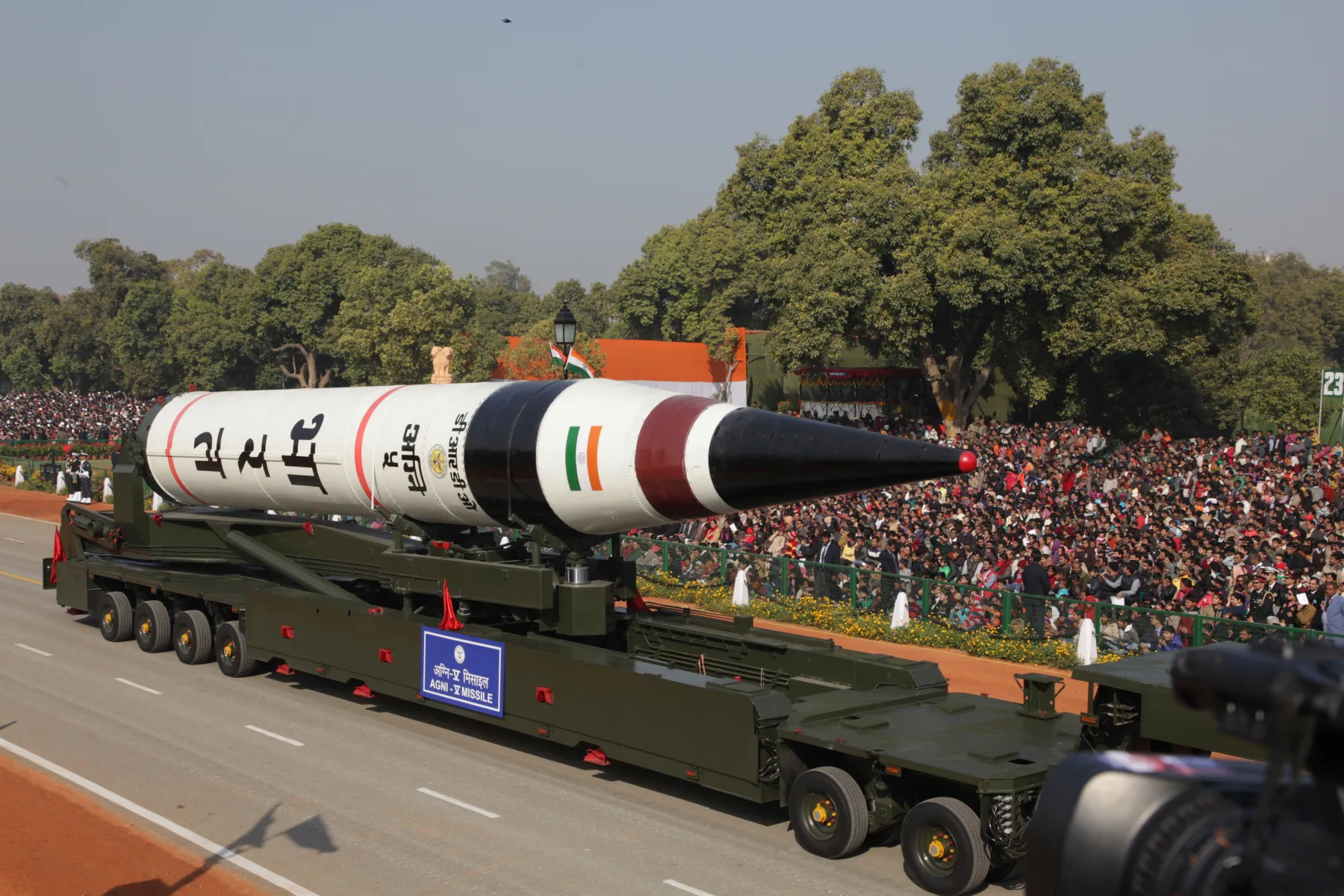
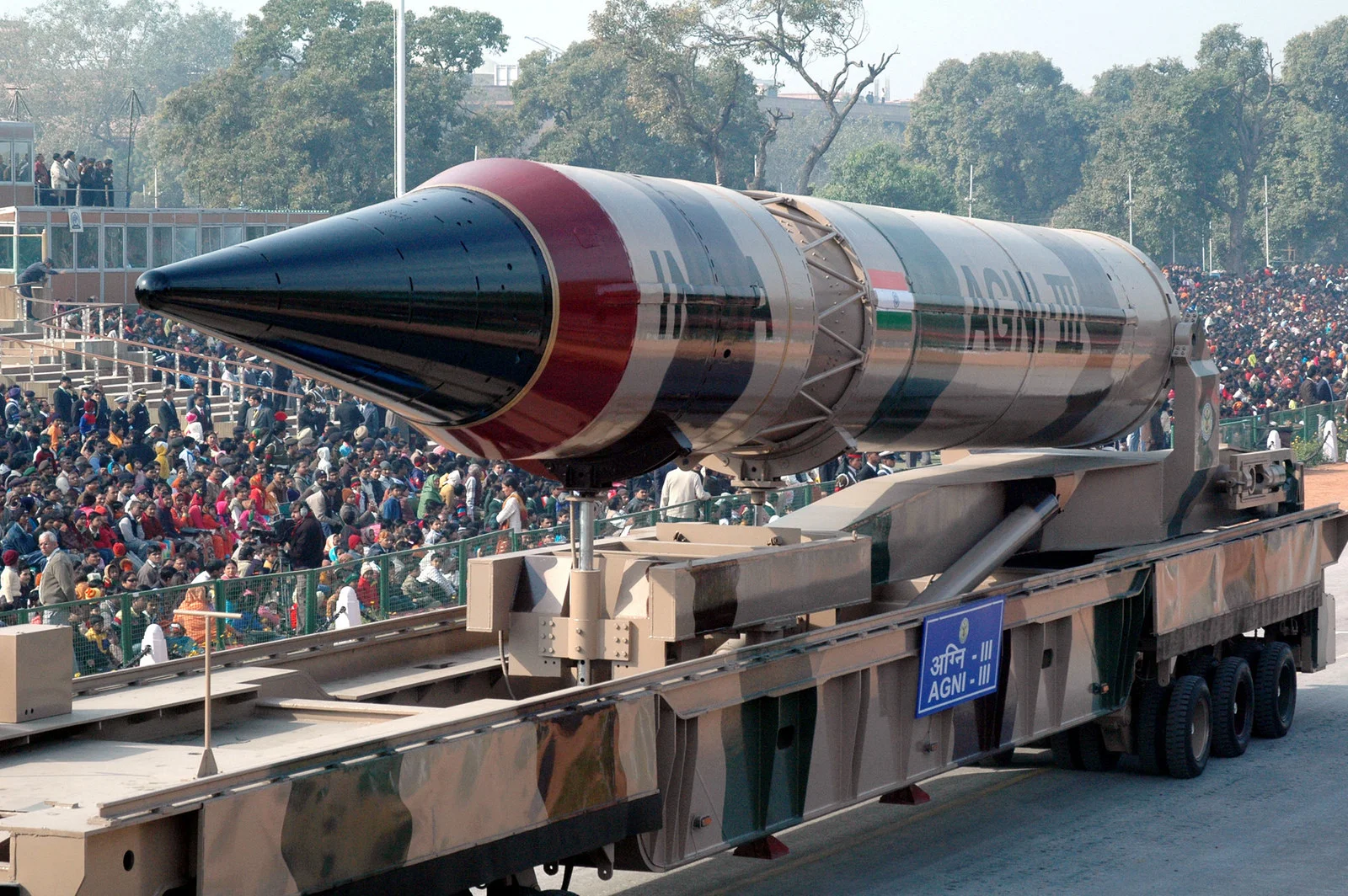
India’s Agni-V MIRV and deep-strike missile variants mark a dangerous shift from deterrence to domination, heightening nuclear instability in South Asia. Pakistan’s defensive response underscores the urgent need for regional dialogue and strategic restraint.

India’s expanding nuclear arsenal, missile modernization, and repeated security breaches are deepening mistrust and instability across South Asia.

India, often celebrated as a vibrant and colorful tourism hub, is facing a crisis that tarnishes its global image, a crisis that disproportionately affects women,