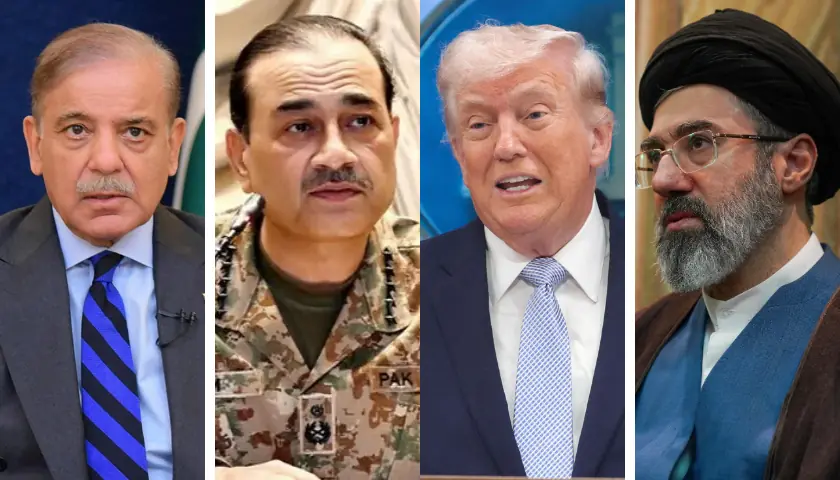
Islamabad Steers Global Peace: Inside the US-Iran Ceasefire
Explore how Pakistan is reclaiming its historical role as a global peace broker by facilitating a pivotal ceasefire between the US and Iran.

Explore how Pakistan is reclaiming its historical role as a global peace broker by facilitating a pivotal ceasefire between the US and Iran.
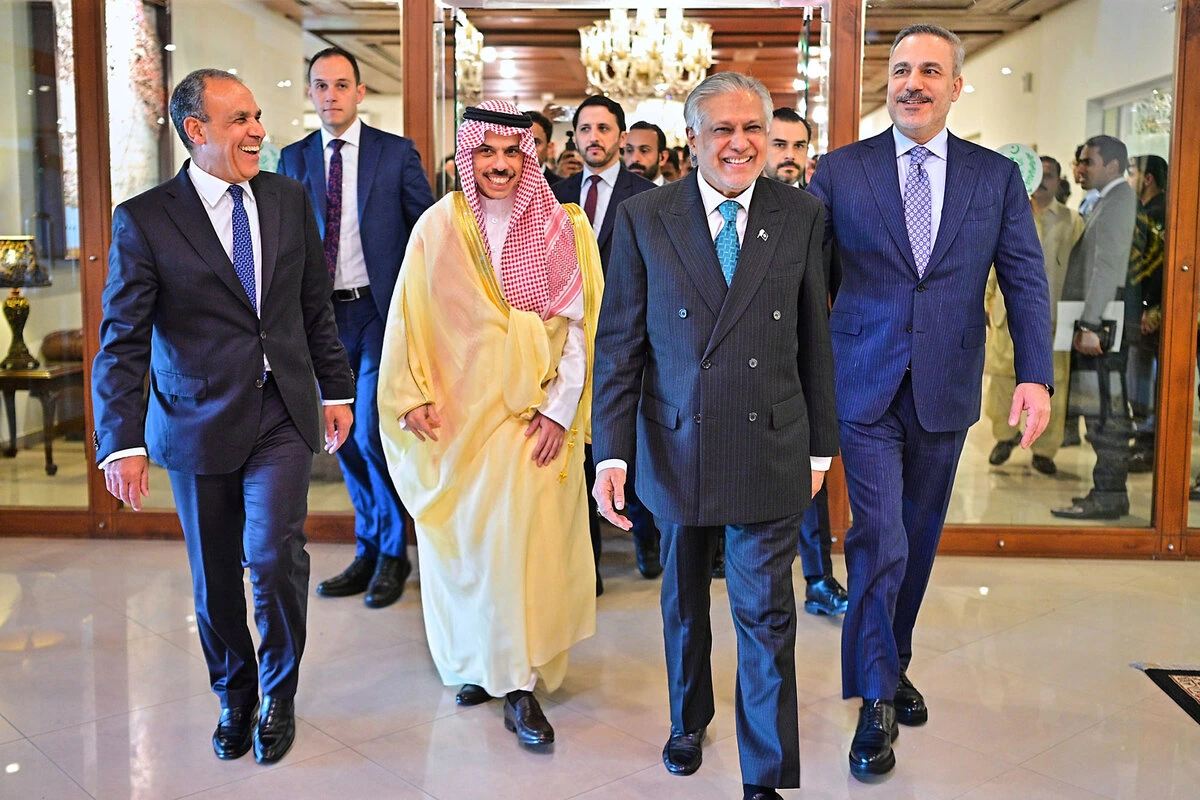
Pakistan’s neutrality in the US-Israel War against Iran highlights its rise as a middle power, leveraging diplomacy, mediation, and multi-vector foreign policy to shape regional stability in a changing global order.
Analyze how the perception of Iran as a regional menace is a strategically constructed narrative by the US and Israel. Explore the impact of the US security architecture in the Gulf, the collapse of the JCPOA nuclear framework, and how these policies foster enduring instability and militarization in the Middle East.
From Soleimani to Khamenei, targeted killings are becoming a central tool of statecraft. This article examines their legality, strategic logic, and implications for international law.
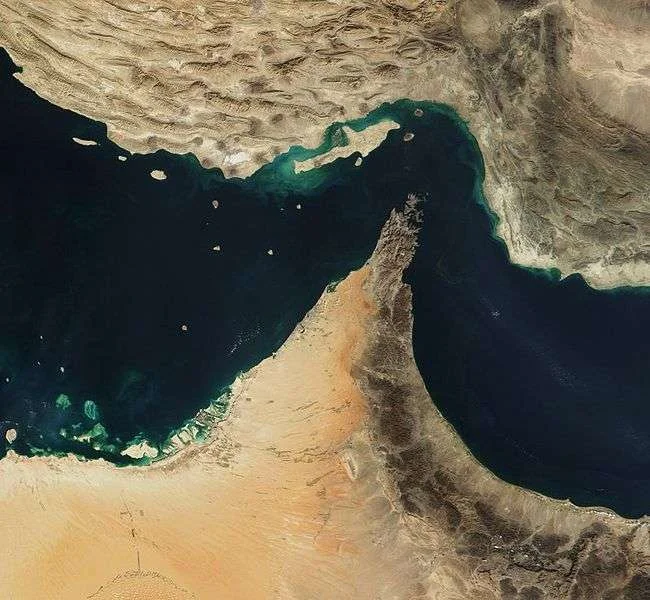
From 1973 oil embargo to 2026 tensions, Middle East energy geopolitics is shaking global markets and economies.
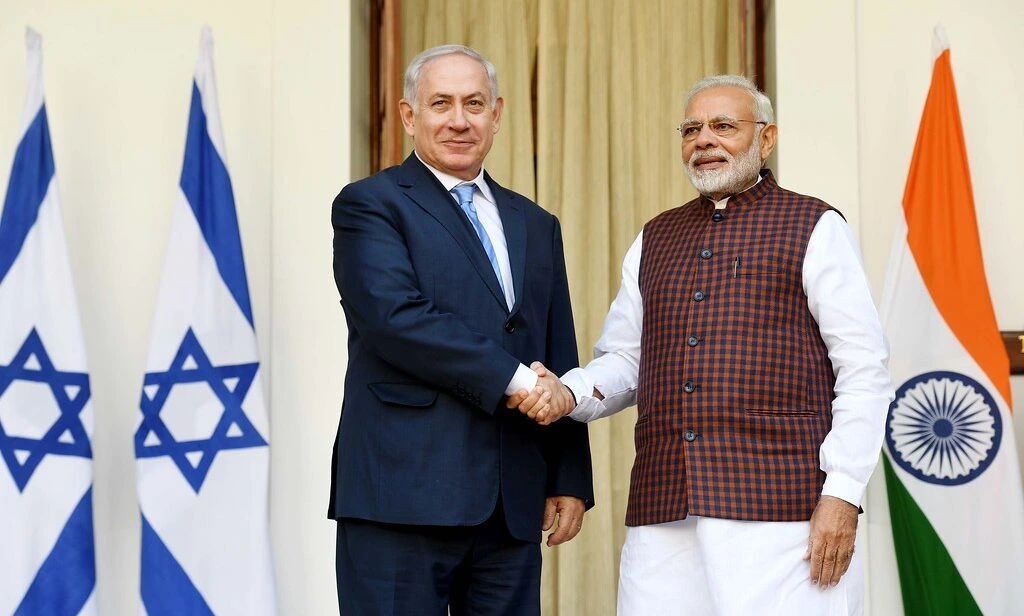
Analyze PM Modi’s diplomatic reset and growing relationship with Israel. Explore India’s expanding defense and trade ties with Tel Aviv, its continued support for the two-state solution, and its strategic hedging to balance its relationship across West Asia
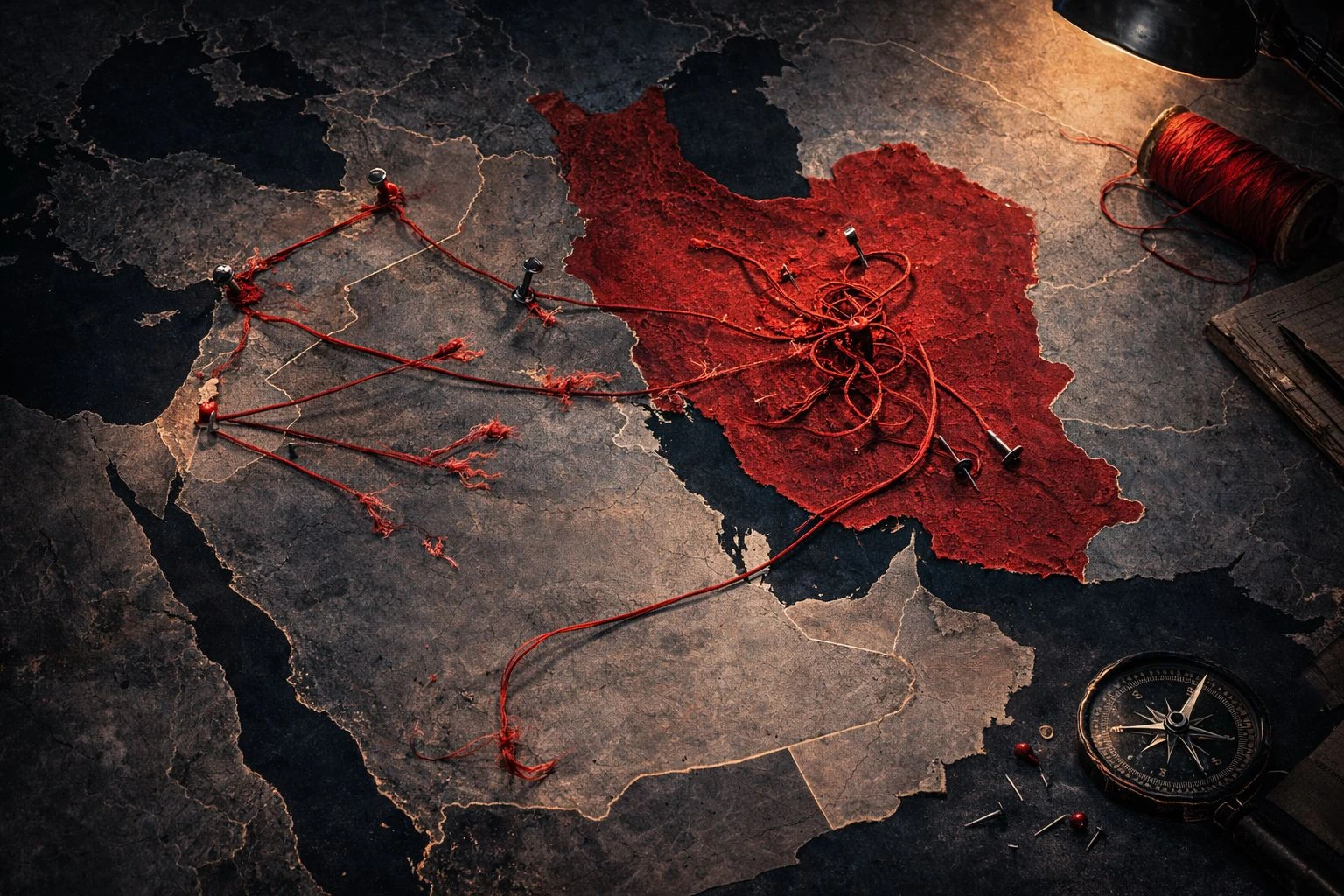
An analysis of how Iran’s four decades of proxy warfare, regional destabilization, and strategic miscalculations culminated in the current conflict with the United States and Israel, reshaping the Middle Eastern security landscape.
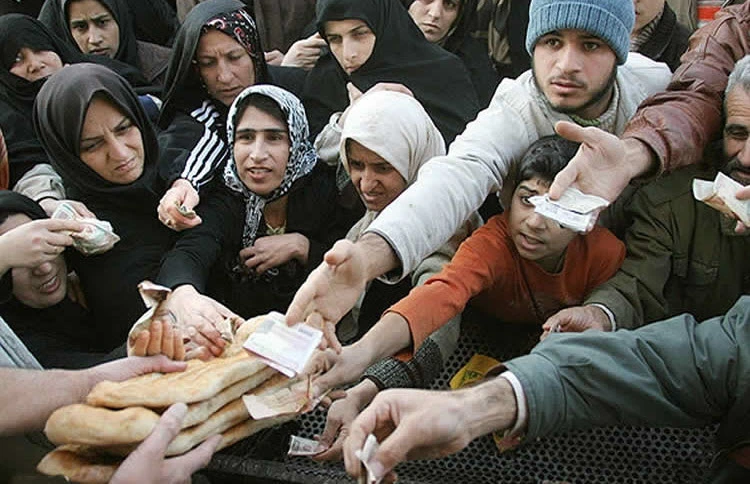
The Israel-Iran conflict is not just limited to military front, the spillover effect of war is directly impacting food, water and fertilizer security.
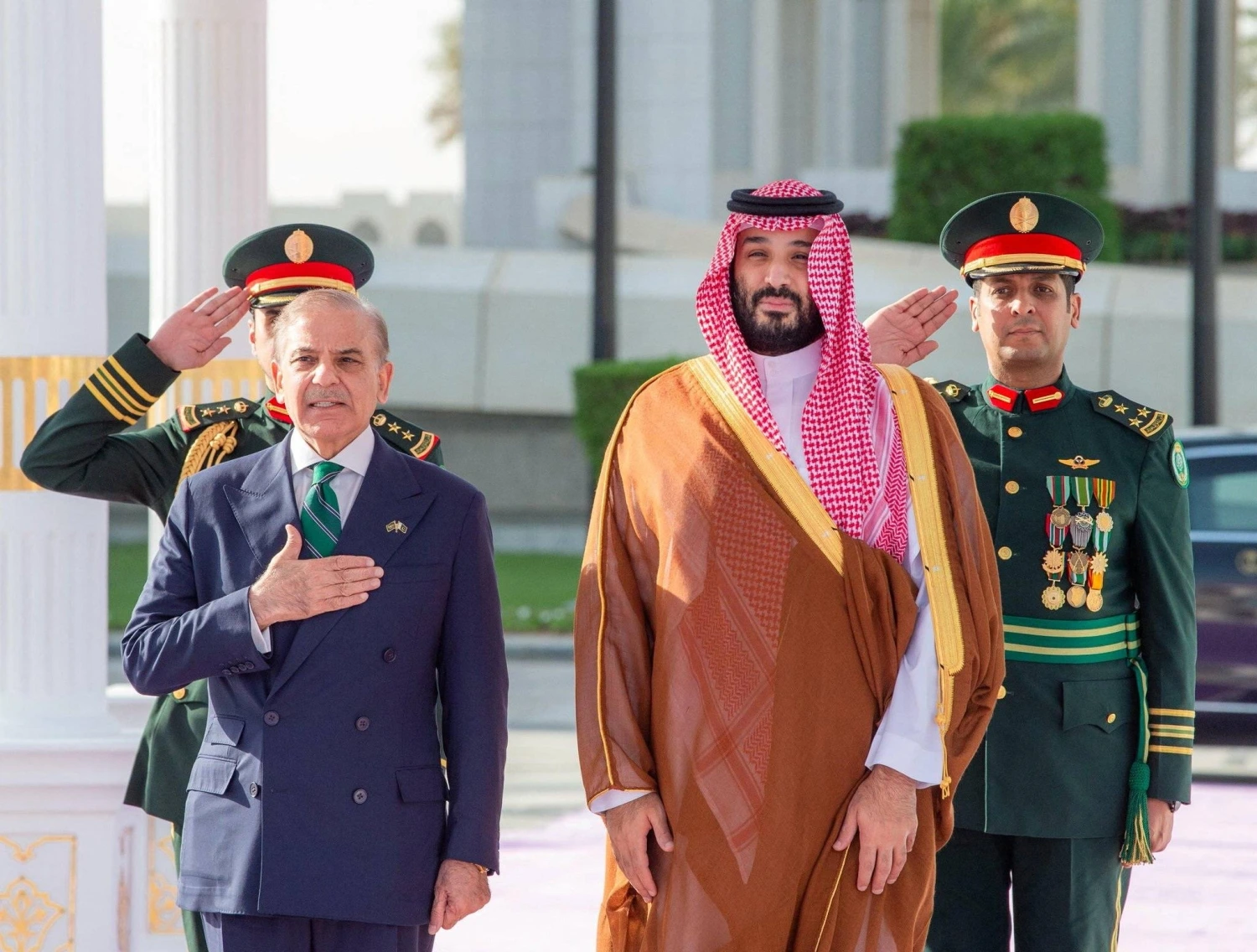
Explore how the 2025 Saudi-Pakistan Strategic Mutual Defense Agreement (SMDA) signals a return to “organized ambiguity” in the Gulf, challenging India’s diplomatic assumptions and reshaping South Asian geopolitics.
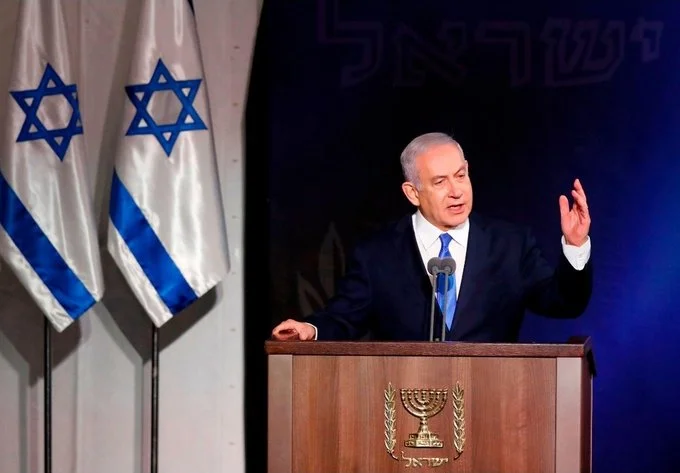
Netanyahu’s press conference merged military triumphs with religious rhetoric, signaling a dangerous escalation across the Middle East.