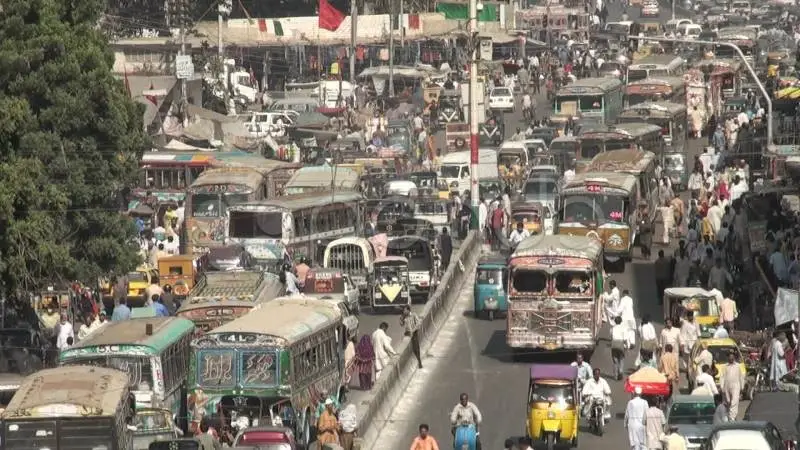
The Double Jeopardy of Pakistan’s Transport Sector
Pakistan’s transport sector faces a dual crisis as soaring fuel prices and subsidized public transport squeeze private operators. This op-ed explores the economic fallout.

Pakistan’s transport sector faces a dual crisis as soaring fuel prices and subsidized public transport squeeze private operators. This op-ed explores the economic fallout.
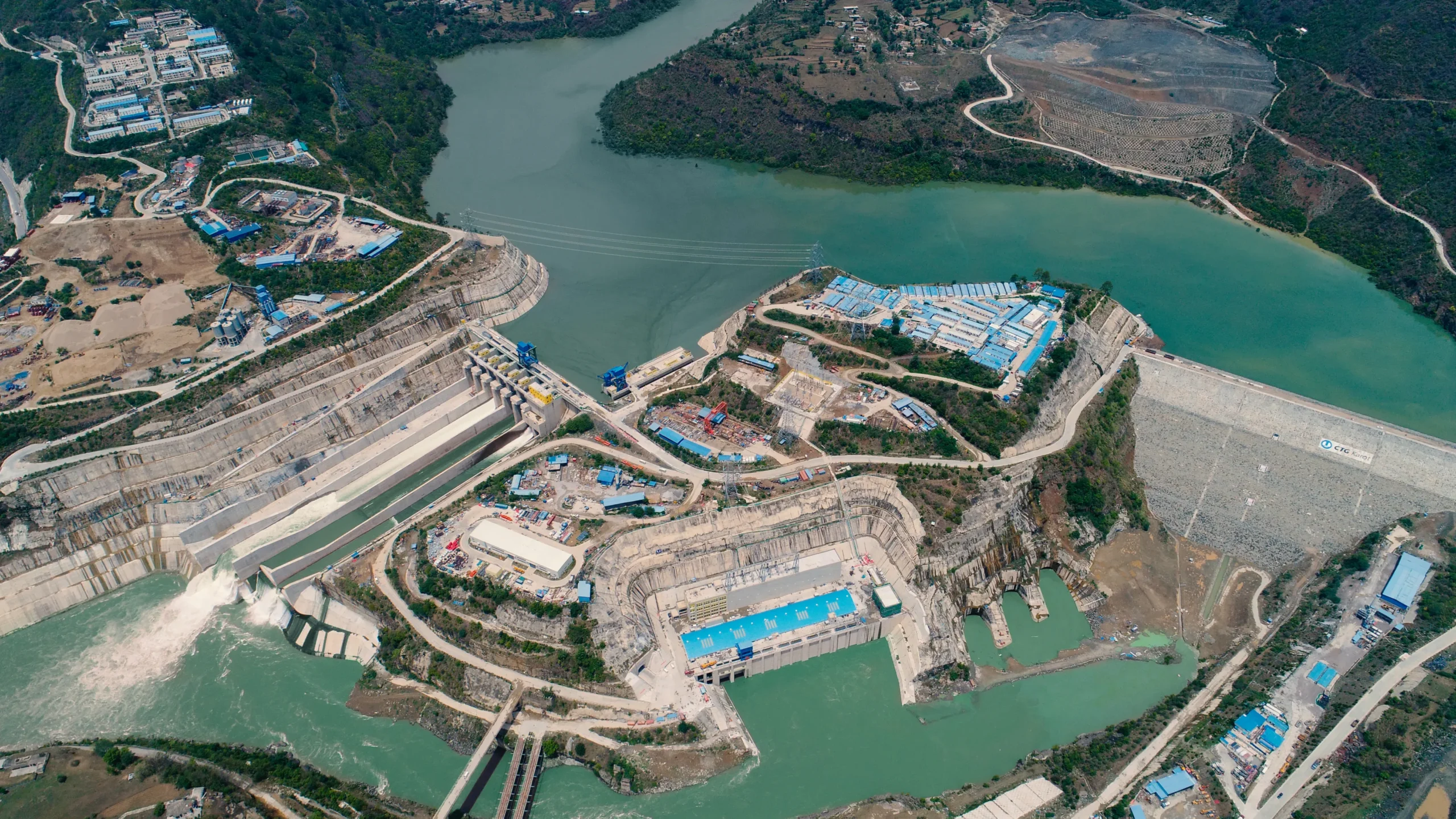
CPEC is driving Pakistan’s structural economic transition. By shifting focus from infrastructure to industrialization, value-added manufacturing, and maritime development, Pakistan is integrating into global supply chains and repositioning itself as a regional production hub.

The EU–India FTA risks being unequal, as India cuts tariffs while Europe retains key advantages. It may deepen dependence instead of strengthening India’s industrial growth.
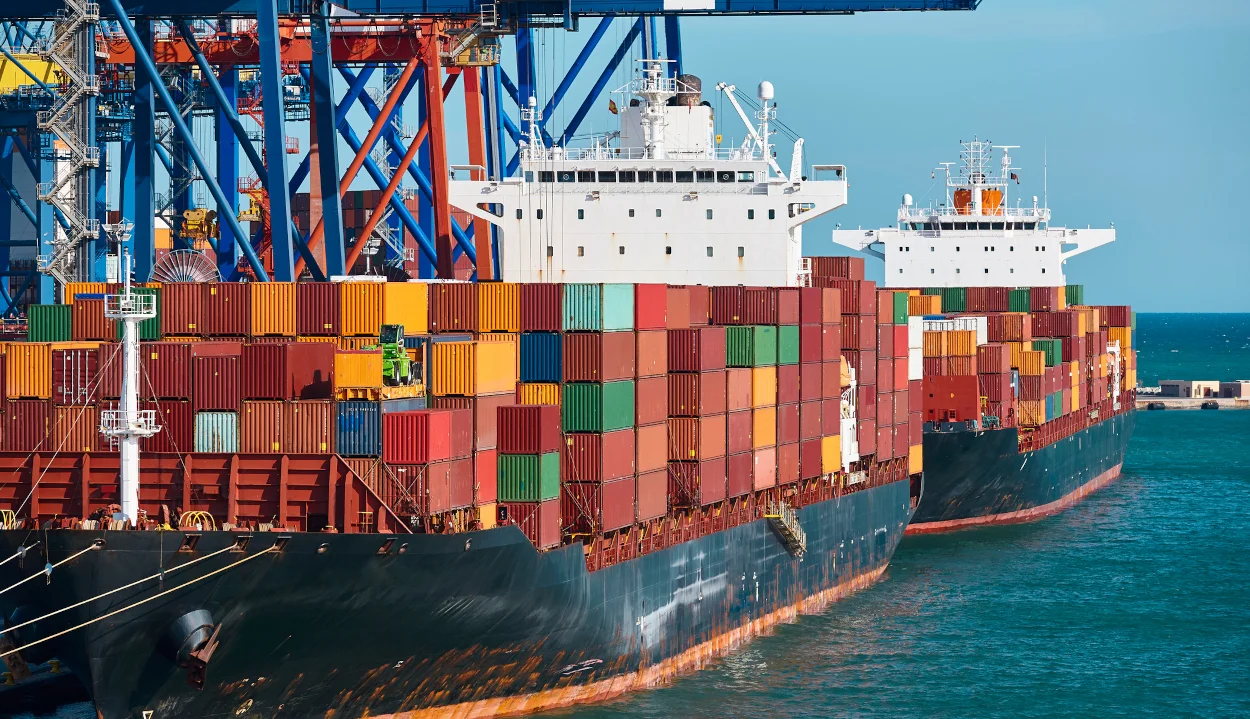
The EU–Pakistan Business Forum 2026 marks a strategic pivot toward diversified, ESG-driven investment, de-risked finance, and regulatory alignment beyond GSP+ trade ties.
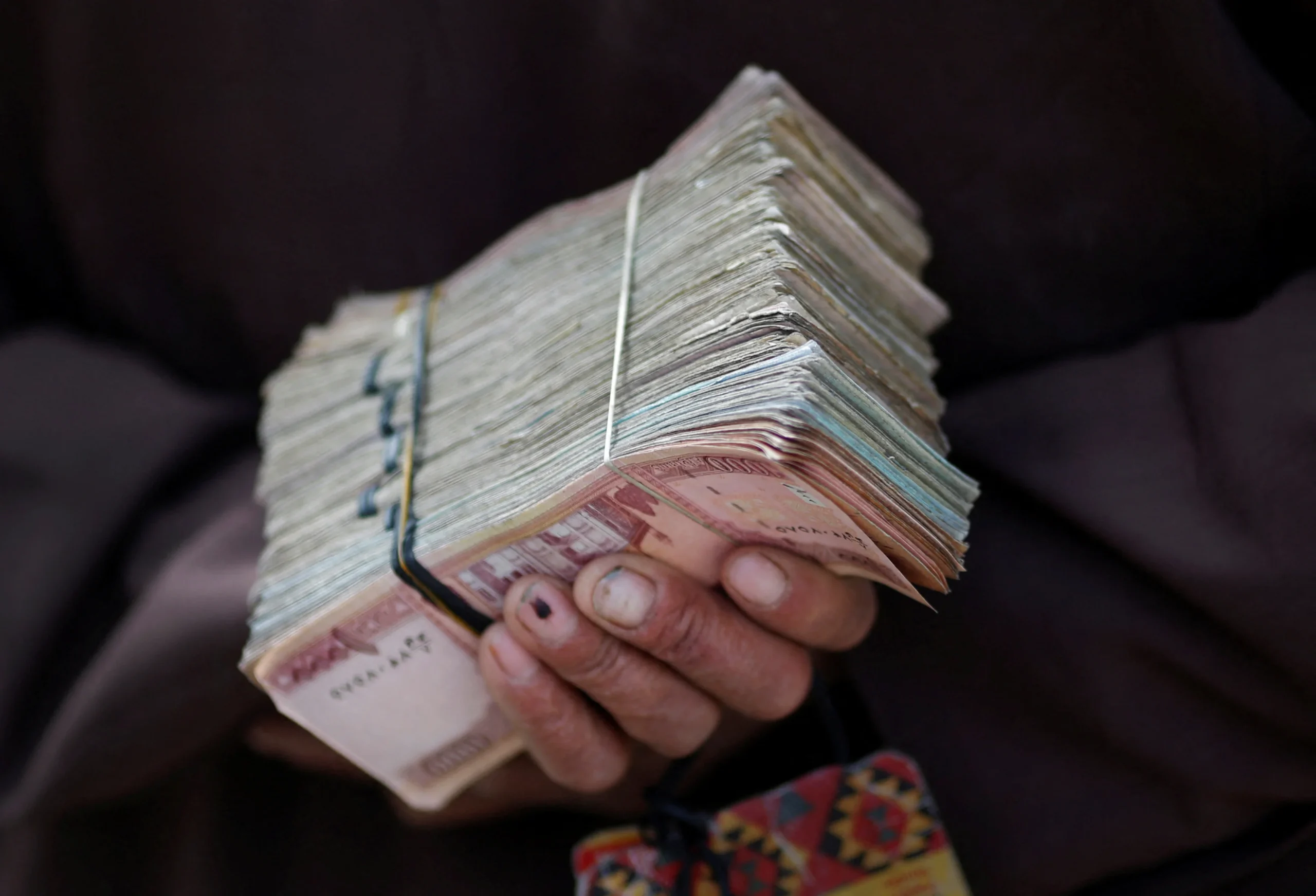
Afghanistan’s post-2021 economic model reflects a sharp break from the aid-backed past, defined by informality, fiscal fragility, and regional economic isolation under Taliban rule.

Pakistan’s reliance on import-heavy exports has repeatedly triggered balance-of-payments crises. The Digital Nation Pakistan Act 2025 positions IT as a zero-raw-material export capable of delivering scalable growth, fiscal stability, and long-term economic resilience.
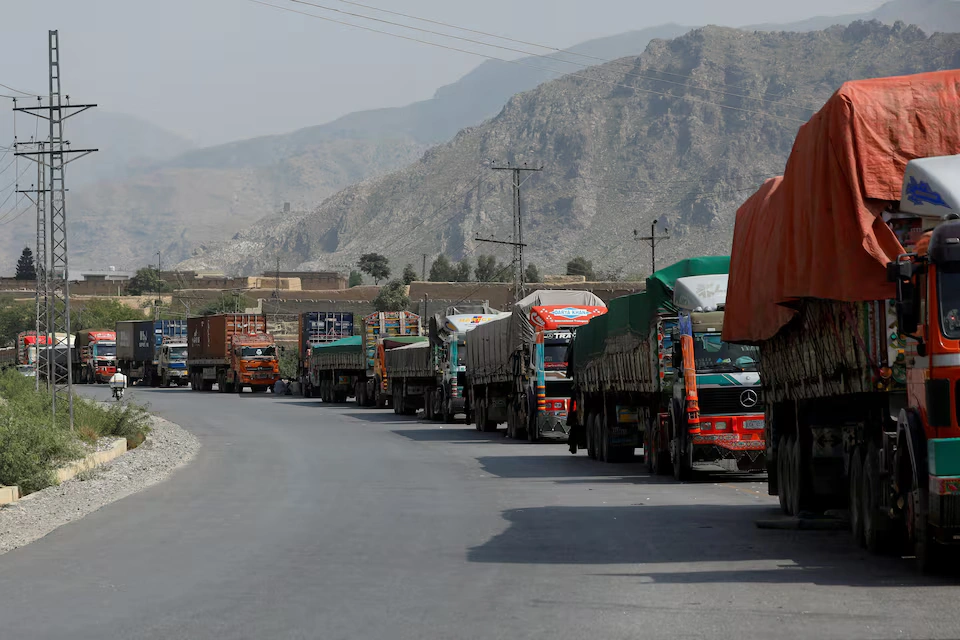
Afghanistan’s 2025 trade boycott of Pakistan exposes a strategic miscalculation. Despite efforts to shift toward Iran and Central Asia, Kabul remains structurally dependent on Pakistan’s mature trade corridors, customs revenue, labour mobility, and logistical efficiency. Alternative routes carry higher costs, sanctions risks, and operational delays, leaving the Taliban with mounting fiscal losses and regional constraints.
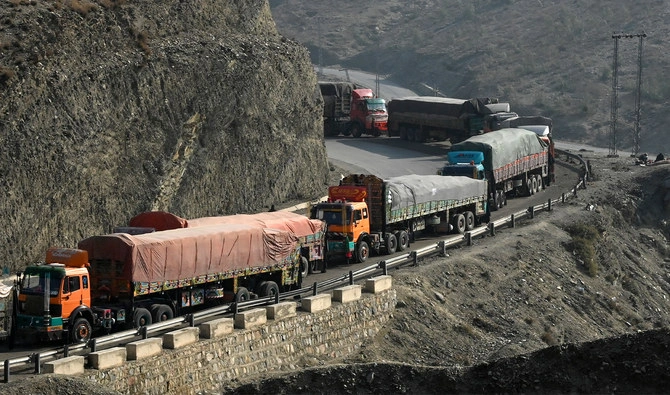
Afghanistan’s bid to pivot trade away from Pakistan after the October 2025 closures reveals the limits of sovereignty without geography. Islamabad’s leverage remains structural, grounded in security and logistics, not coercion.

After nearly eight decades of U.S. dollar supremacy, the global financial order is entering a historic transition. As nations seek refuge from debt crises, sanctions, and monetary manipulation, gold is regaining its status as the world’s most trusted store of value. Led by China’s strategic accumulation and supported by a worldwide shift toward de-dollarisation, this transformation signals the birth of a multipolar, asset-backed financial era, one anchored not in promises, but in tangible wealth.
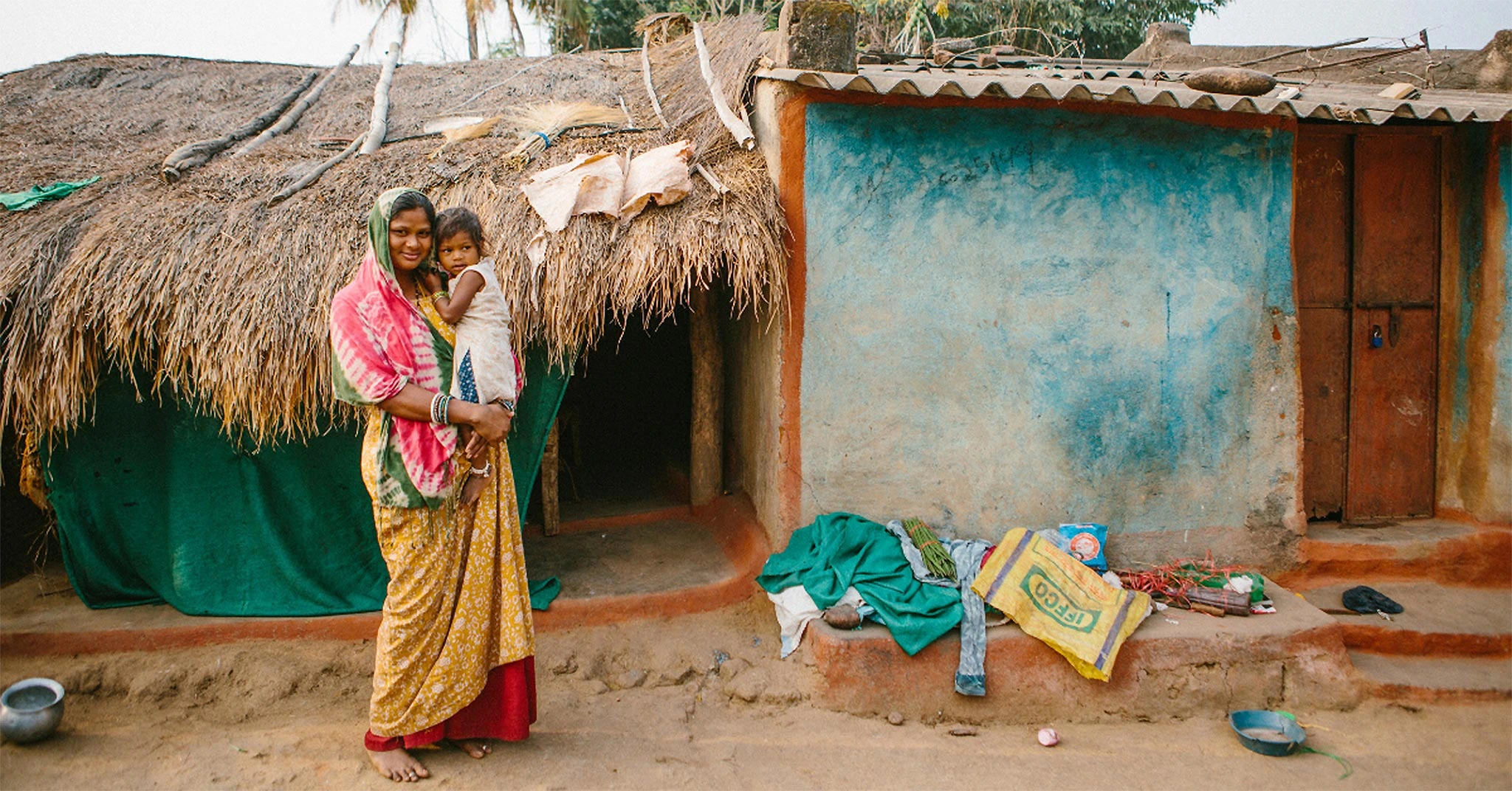
India’s rapid economic growth hides a deepening crisis of inequality, unemployment, and poverty. As corporate wealth expands, millions struggle for basic survival—exposing the fragility of the country’s neoliberal growth model.