
Iranian President in Pakistan: Advancing Iran-Pakistan Cooperation
Iranian President Masoud Pezeshkian’s visit to Pakistan advances cooperation on security, trade, and regional diplomacy amid shifting geopolitical dynamics.

Iranian President Masoud Pezeshkian’s visit to Pakistan advances cooperation on security, trade, and regional diplomacy amid shifting geopolitical dynamics.

The August 2025 visit of Afghanistan’s Acting Foreign Minister to Islamabad highlights urgent talks on TTP militancy, stalled trade, and refugee repatriation, underscoring the intertwined security and economic challenges shaping Afghanistan-Pakistan relations today.

Trump’s second term marks a sharp shift in U.S.-India ties, with tariffs and renewed Pakistan outreach reshaping the South Asia strategy.

The US-Pakistan counterterrorism alliance remains vital in tackling ISIS-K, Al-Qaeda, and TTP threats across South and Central Asia.

Despite impressive GDP numbers, South Asia’s middle class remains fragile, eroded by inequality, informal work, and jobless growth
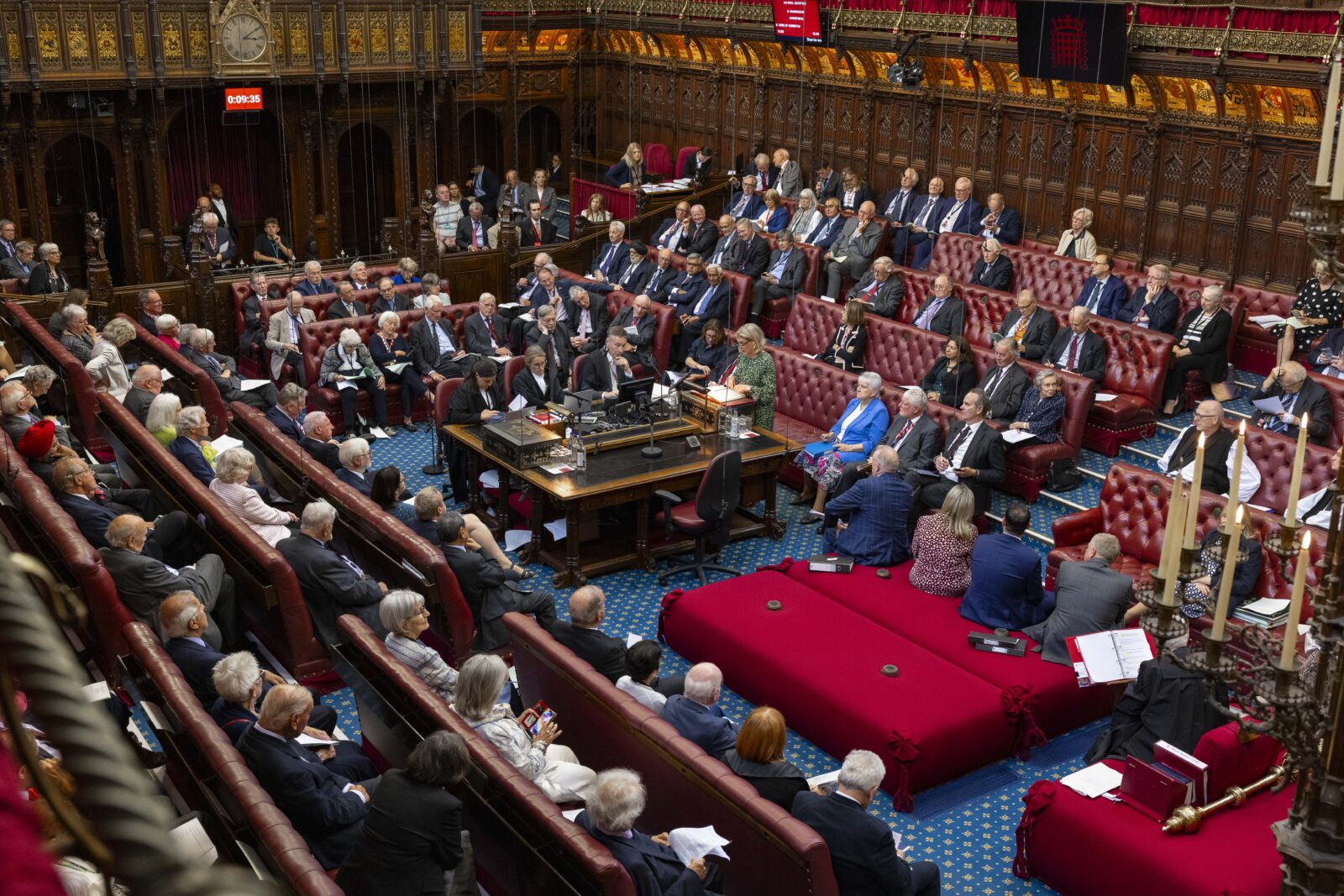
India’s suspension of the Indus Waters Treaty sparks alarm in the UK Parliament, raising global concerns over treaty violations and water wars.
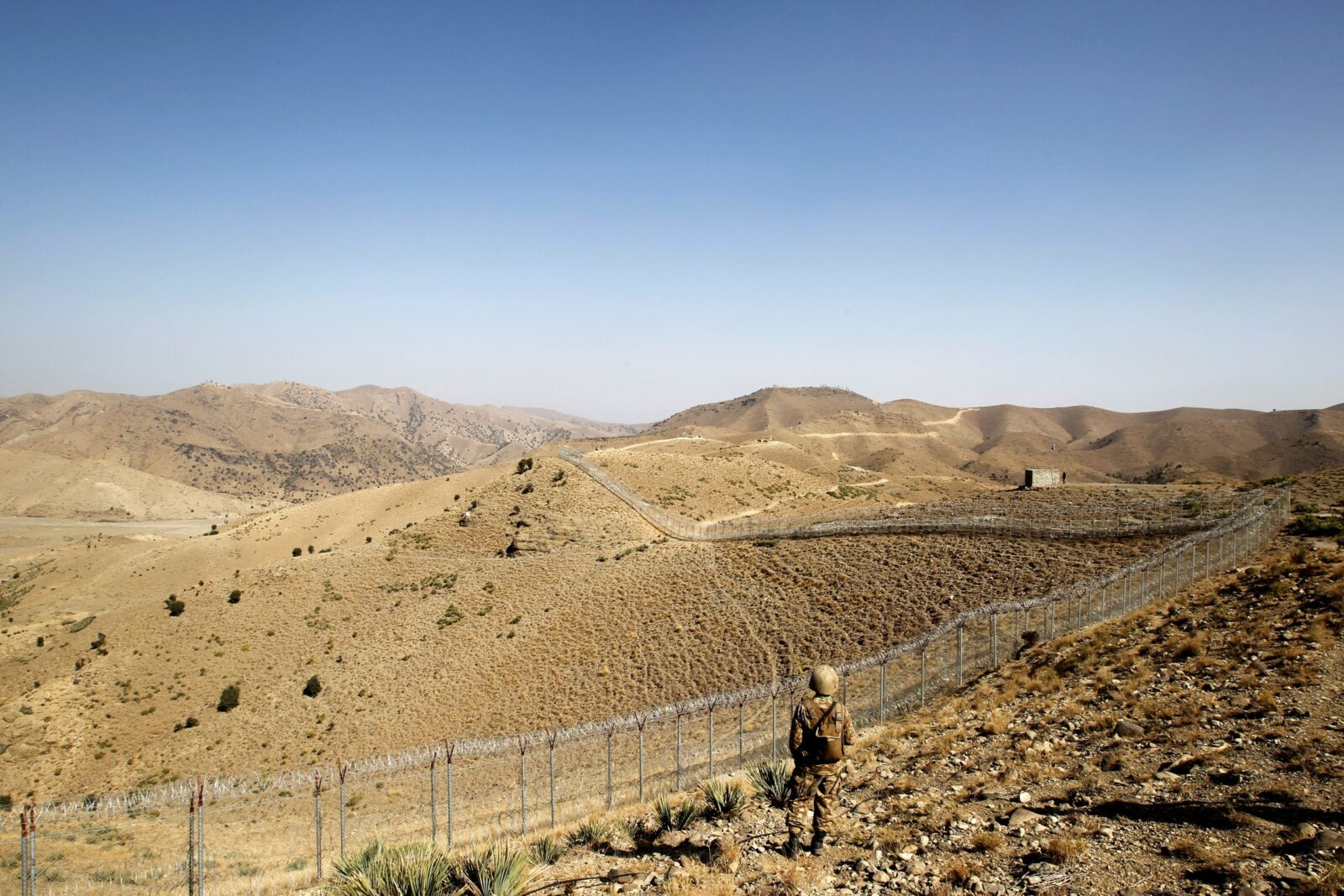
Afghanistan has pledged to disarm and relocate the TTP—a potential breakthrough in regional counterterrorism efforts.

South Asia’s megacities are a brutal paradox—gleaming towers overshadowing crumbling infrastructure. As cities like Delhi, Dhaka, Karachi, and Lahore buckle under pollution, inequality, and dysfunction, the urban crisis can no longer be ignored.

India accuses Pakistan of lobbying in Washington, but the real story lies in New Delhi’s sprawling influence machinery—PR firms, fake NGOs, and narrative warfare.
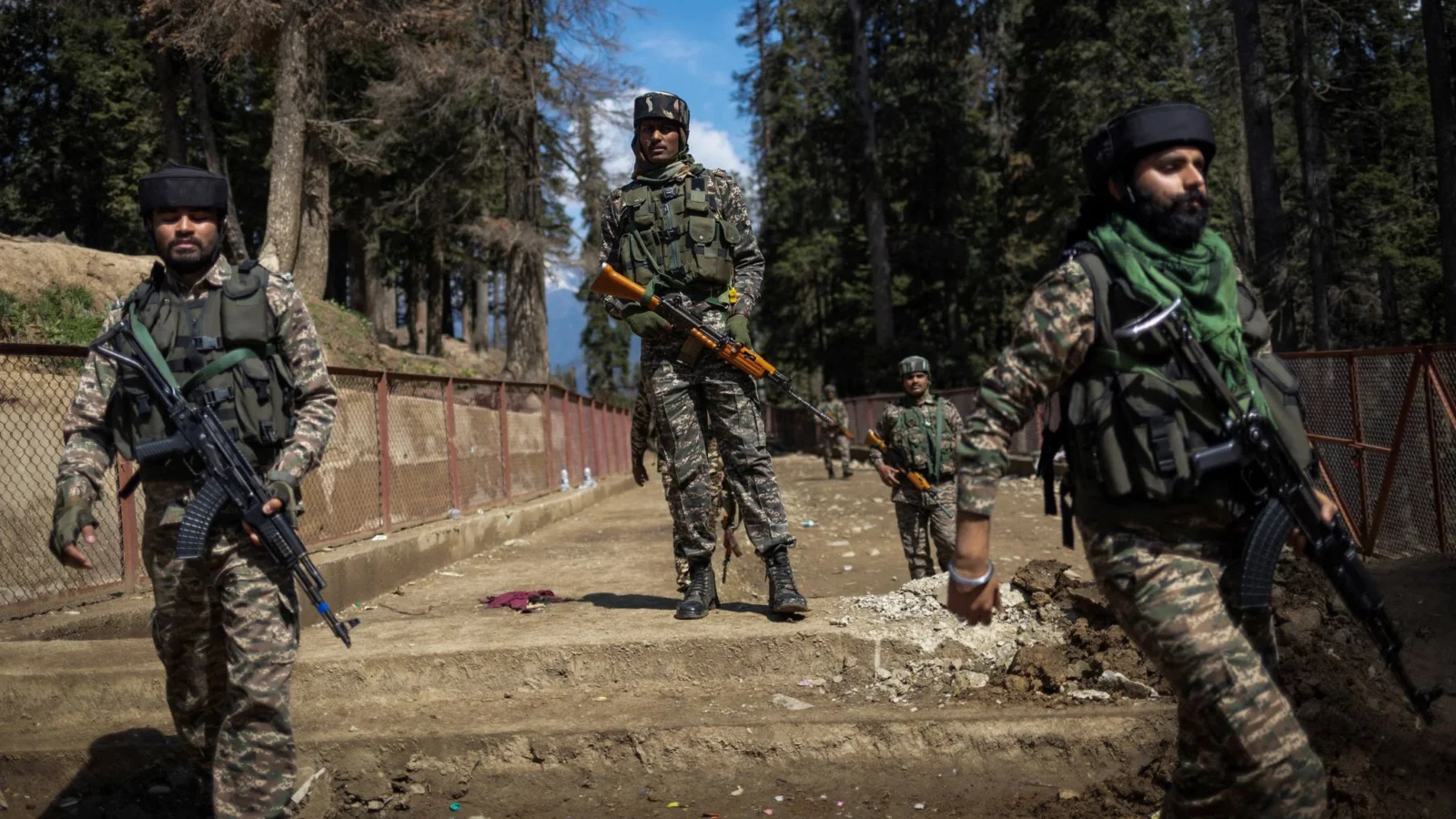
When designations lack evidence, credibility suffers. States risk turning counterterrorism into propaganda, undermining diplomacy and rule of law.