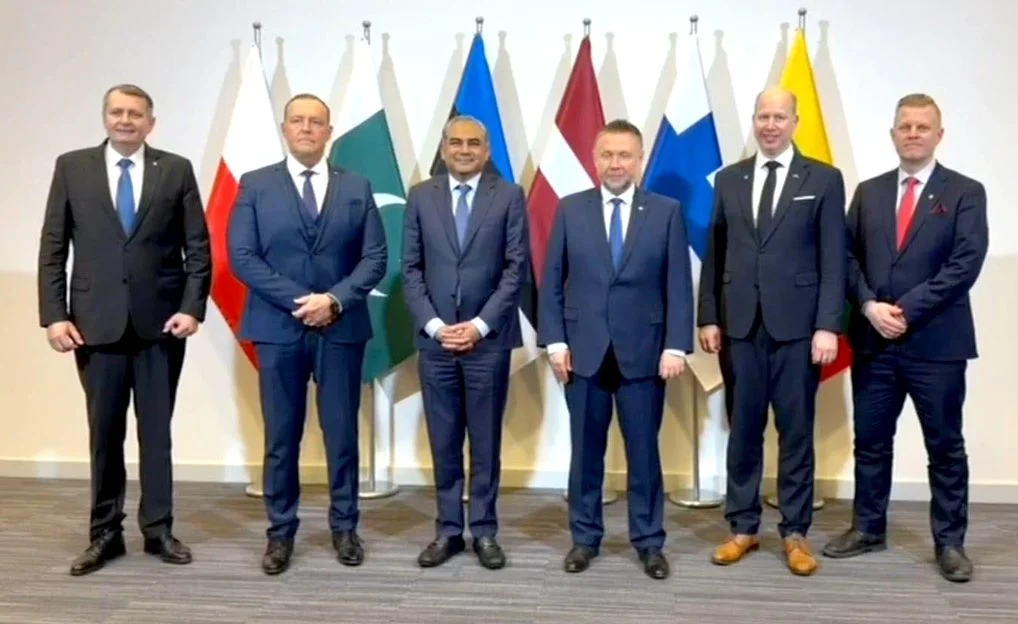
Pakistan’s Anti-Smuggling Victory Echoes in Warsaw
Pakistan cuts illegal migration to EU by 47% via 1,700+ arrests. Europe hails it as frontline partner, eyes legal labor paths amid crime-terror links.

Pakistan cuts illegal migration to EU by 47% via 1,700+ arrests. Europe hails it as frontline partner, eyes legal labor paths amid crime-terror links.
![Ukrainian and Russian flags with soldier silhouettes representing ongoing conflict. [Image via Atlantic Council].](https://southasiatimes.org/wp-content/uploads/2026/02/2022-02-09T000000Z_1319661209_MT1NURPHO000HXCNME_RTRMADP_3_UKRAINE-CONFLICT-STOCK-PICTURES-scaled-e1661353077377.jpg "2022-02-09T000000Z_1319661209_MT1NURPHO000HXCNME_RTRMADP_3_UKRAINE-CONFLICT-STOCK-PICTURES-scaled-e1661353077377")
Four years after Russia’s invasion of Ukraine, the war has evolved into a costly stalemate with far-reaching geopolitical and economic consequences.
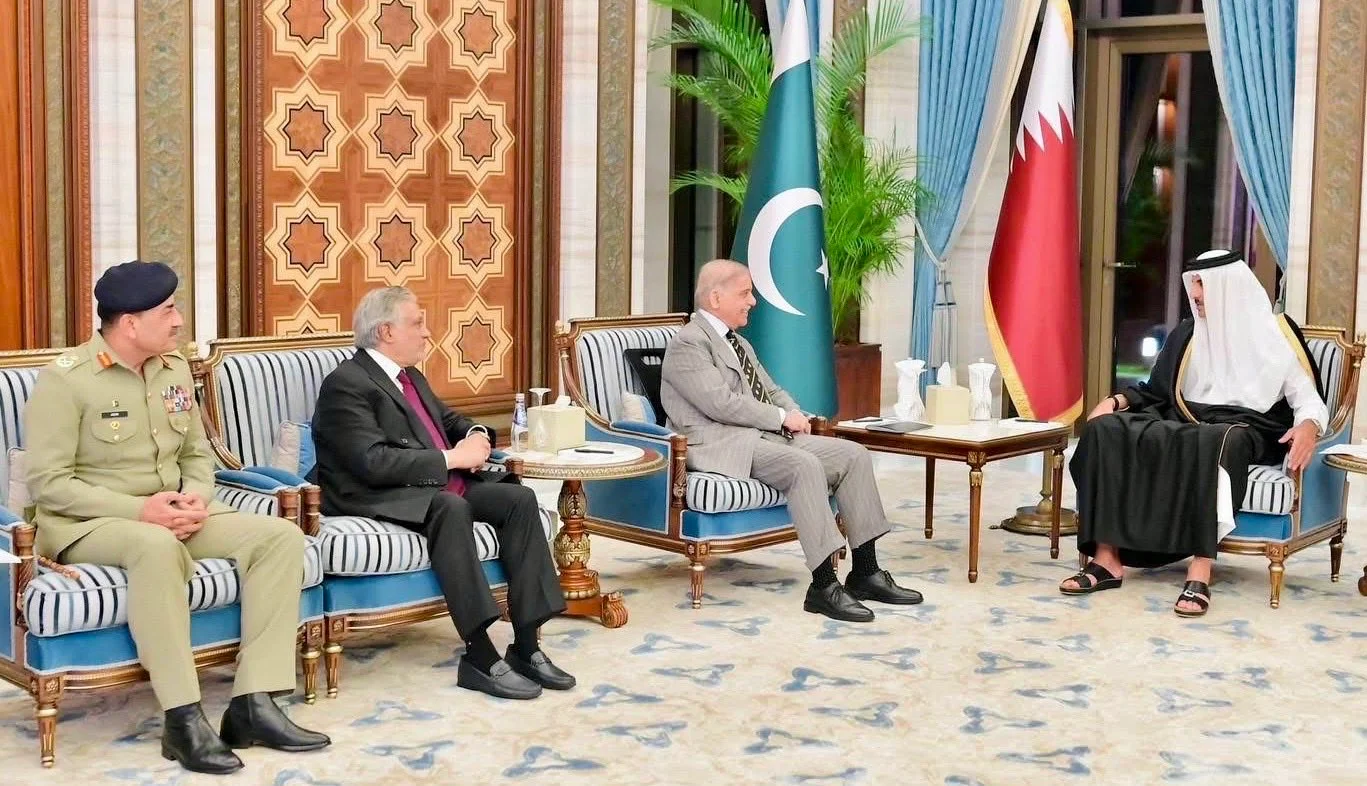
PM Shehbaz meets Qatar’s Emir in Doha, reaffirming strong ties and advancing strategic economic cooperation.
![Truck traveling along the Makran Coastal Highway in Balochistan, with rugged cliffs and the Arabian Sea coastline in the background [Image via Getty Images].](https://southasiatimes.org/wp-content/uploads/2026/02/Balochistan-2.webp "Deconstructing the Deprivation Myth; How Balochistan’s Underdevelopment Became a Political Instrument")
For decades, Balochistan’s underdevelopment has been framed as a story of federal neglect. But does the data support that claim?

UN and Russian assessments highlight persistent militant networks in Afghanistan, raising regional security concerns despite Taliban control.
![Afghan men search for victims after a Pakistani air strike hit a residential area in the Girdi Kas village, Nangarhar province on February 22, 2026. [Aimal Zahir/AFP/Getty Images]](https://southasiatimes.org/wp-content/uploads/2026/02/gettyimages-2262391441.webp "Pakistan’s Cross-Border Strikes and the Evolving Counterterror Doctrine")
An analysis of Pakistan’s cross-border action, security rationale, and regional implications amid rising militant threats.
![Prime Minister Narendra Modi with External Affairs Minister S. Jaishankar at an official event. [Photo Courtesy: Praveen Jain via The Print].](https://southasiatimes.org/wp-content/uploads/2026/02/20-scaled-e1755601883425-1024x576-1.webp "The Facade of Indian Strategic Autonomy")
India’s strategic autonomy faces pressure as US trade leverage, energy dependence, and defence ties test New Delhi’s balancing doctrine.
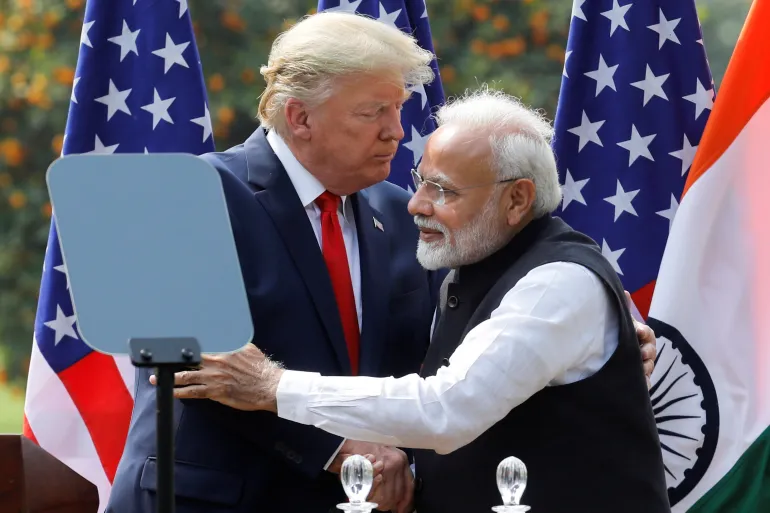
Washington’s new security lens is transactional. Partnerships must pay. For India, sentiment won’t suffice, deliverables will.
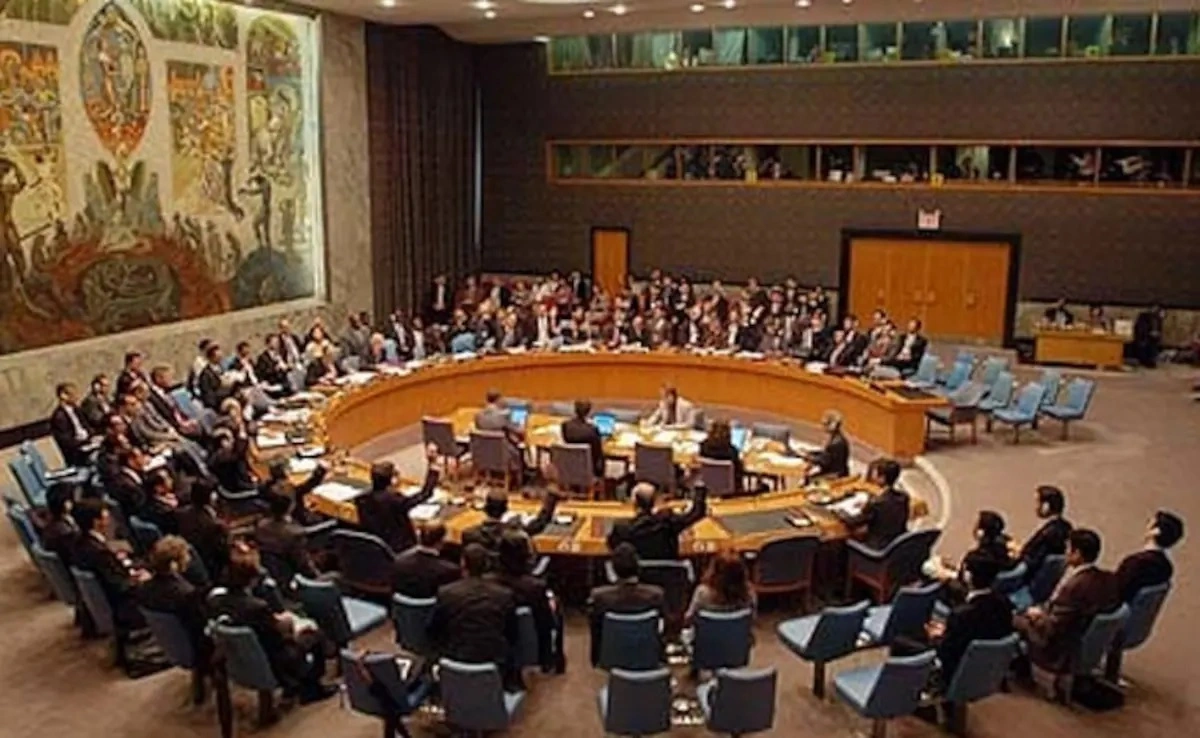
UN report warns of rising TTP attacks from Afghanistan and growing regional terror threats, rejecting Taliban claims of eliminating militants.
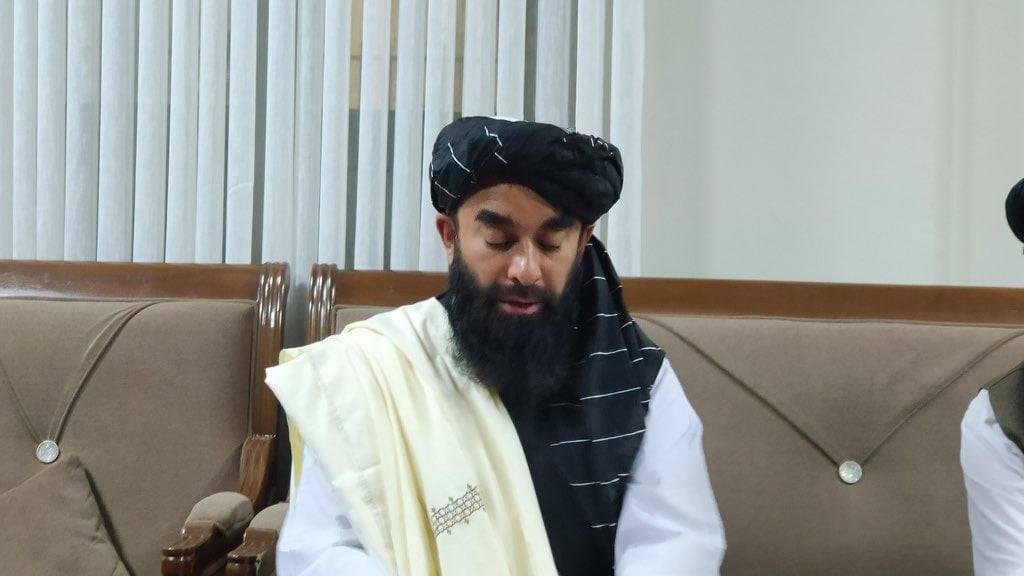
Analysis of Taliban claims versus UN findings, examining sanctions, militant presence, and Afghanistan’s regional security impact.