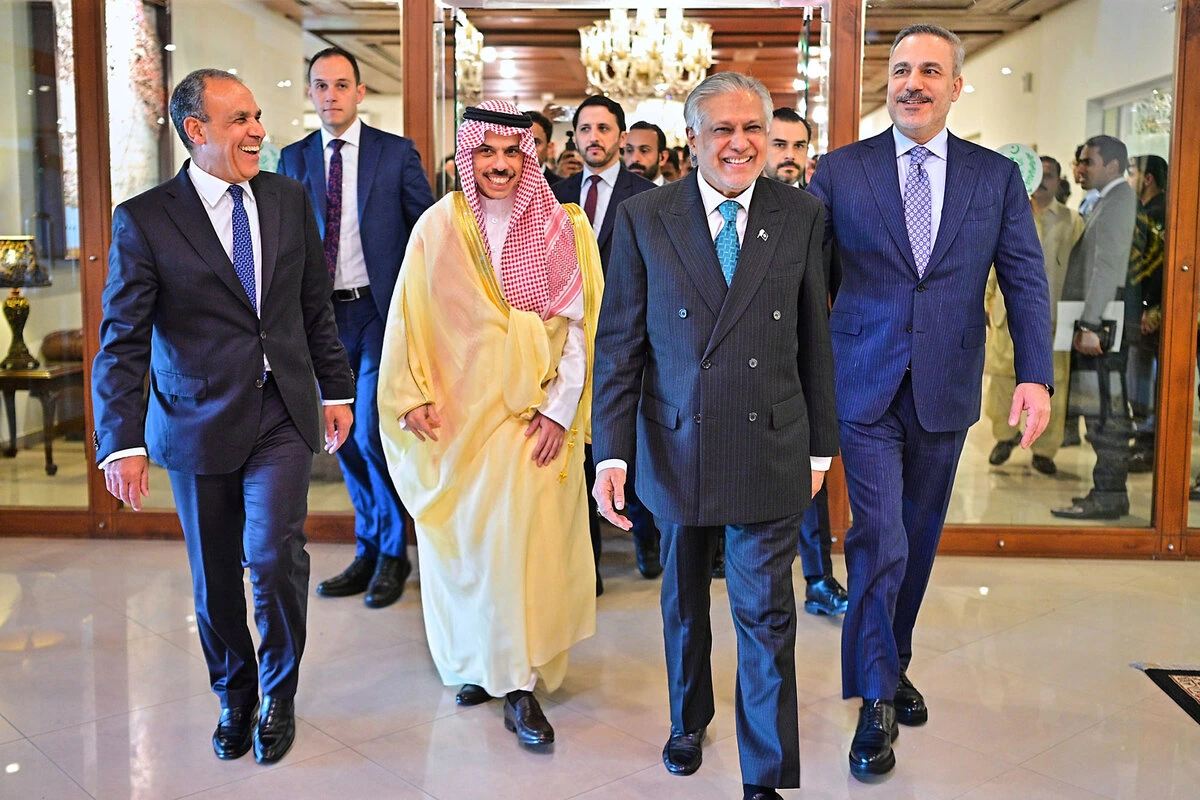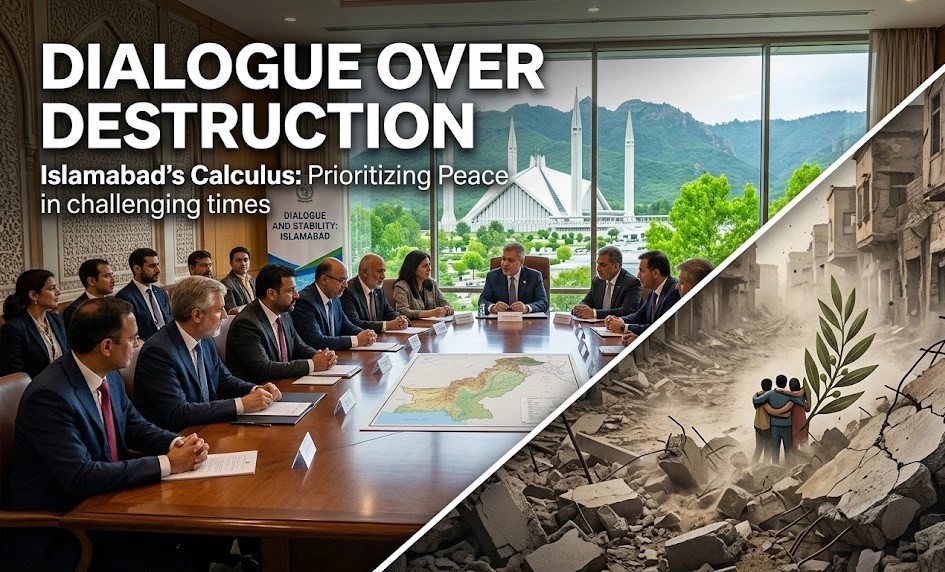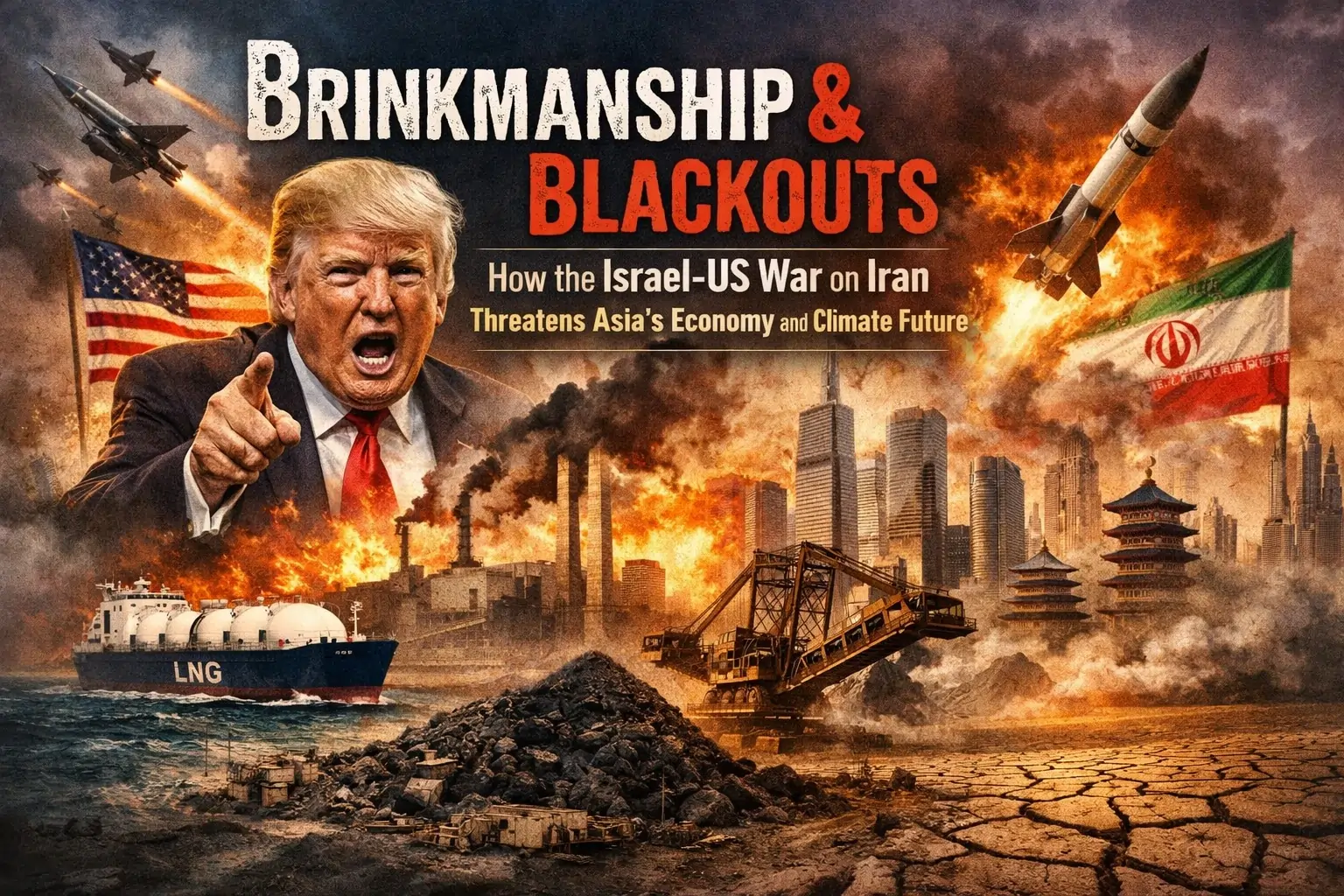
At the time of writing, efforts are currently underway to secure a ceasefire in the ongoing Israel–US war against Iran, with a number of regional powers, including Pakistan, Türkiye, and Egypt, taking the lead in mediating a potential settlement. Reports of a 45-day truce under negotiation are doing the rounds, which illustrate that diplomacy, though fragile, has not yet been exhausted.
However, the prospects for success appear bleak, at least for now. The abrasive and coercive rhetoric emanating from Washington, particularly from US President Donald Trump, has cast a long shadow over these peace efforts. His threats, ranging from targeting Iranian civilian infrastructure to the alarming declaration of “taking out the entire country in one night”, reflect a pattern of brinkmanship that undermines the very foundations of diplomatic engagement. Yet, history reminds us that even in the most volatile phases of international politics, unexpected breakthroughs are possible.
Despite this narrow window for optimism, the risks associated with a breakdown in negotiations are profound. However, it is pertinent to mention that should diplomacy fail and the conflict escalate further, the consequences for Asia would be both immediate and far-reaching. The region’s economic stability is already under strain due to disruptions in energy supplies originating from the Middle East. To put things in perspective, Asia imports approximately 90 per cent of the liquefied natural gas (LNG) produced in this region, making it acutely vulnerable to any prolonged instability. The war, which began on February 28, has significantly disrupted these flows, and analysts now suggest that normalcy may not return until at least 2028, when new sources of supply, primarily from the United States, became operational.
The implications of this disruption extend well beyond energy markets as major Asian economies—including China, Japan, South Korea, India, and Pakistan—are heavily dependent on LNG to sustain their industrial output and meet growing energy demands. Emerging economies such as Vietnam and Thailand are similarly exposed. As LNG supplies tighten and prices rise, these countries are being forced to adopt contingency measures that entail economic and environmental costs. In the wake of these restrictions, industrial production may slow, agricultural output may be affected, and inflationary pressures could intensify across the region.
In response to the energy shortfall, several Asian countries have begun reverting to coal and oil-based power generation. While this shift may offer a temporary solution to immediate energy needs, it represents a significant setback for global climate goals. Coal, in particular, emits nearly twice as much carbon dioxide as natural gas, making it one of the most environmentally damaging sources of energy. Countries such as India have already issued directives to maximise coal-fired power generation, with plants ordered to operate at full capacity for extended periods. Similarly, South Korea and Japan are increasing their reliance on coal to offset the LNG deficit, with estimates suggesting that coal could replace up to 70 per cent of gas-fired power generation in Japan.
This regression threatens to derail years of progress made toward decarbonisation and climate mitigation. At a time when the international community is striving to meet ambitious climate targets, the war-induced energy crisis is pushing nations in the opposite direction. The environmental costs of this shift will not be confined to Asia; they will have global repercussions, exacerbating climate change and undermining collective efforts to transition to cleaner energy systems.
Ultimately, the trajectory of this conflict will shape not only the Middle East’s geopolitical landscape but also Asia’s economic and environmental future. The current moment demands restraint, responsibility, and a genuine commitment to diplomacy. If the United States and Israel continue to pursue a strategy rooted in coercion and military escalation, the commendable efforts of mediating states may come to nought. At the same time, Iran must also respond positively and constructively to ongoing negotiations, demonstrating flexibility and a willingness to engage in meaningful dialogue. Only through reciprocal restraint and mutual respect can a viable path toward de-escalation be forged.
The stakes could not be higher. While the odds may seem unfavourable, diplomacy must be given every possible chance to succeed. For if negotiations collapse, the resulting conflict will not remain confined to one region; it will reverberate across continents, with consequences that may take decades to undo.