The repercussions of American attempts for regime change in Iran has led to an unpredictable escalation of war in West Asia. The result is the US- Israel war which has emerged as most unsettling geopolitical crisis in the last 10 years, destabilizing global markets and oil supply, regional stability, petrodollar hegemony, global energy security and the balance of power in West Asia. Amidst the ascending fear of widespread regional conflict, rising military confrontations, and missiles exchange, Pakistan has stepped up as a central diplomatic actor. Instead of aligning with any particular country against the other, it pursues active mediation, functioning as a bridge to narrow the gulf between the warring parties. This transformation of Pakistan’s foreign policy, from security alignments to proactive diplomatic mediation , compliments its evolving ability of global crisis management. It demonstrates how middle powers like Pakistan can gain political significance in a changing world order.
After the United States and Israel jointly attacked Iran on 28 February, which also claimed the live of Iranian Supreme Leader, multiple actors of the region were drawn into the retaliatory attacks. The scale of the war escalated drastically with the closure of Strait of Hormuz- a significant maritime route- effecting international security and global oil markets. With the intensification of tension and troop deployments in the region, the diplomatic channels faced limitation. This created a void for states capable of holding talks with both sides, and what better viable mediators there could be other than a country which stands at the crossroads of multiple regions i.e. Pakistan. Pakistan shares complex but historically balance relations with both Iran and United States. While it shares a border with Iran, it simultaneously maintains cooperative security and policy coordination with United States and gulf allies.
Pakistan has fared well in these turbulent times by pursuing active neutrality rather than choosing sides. Consequently, not only has Islamabad avoided regional backlash and domestic polarization but also sustained its credibility as a responsible state in the international political arena.
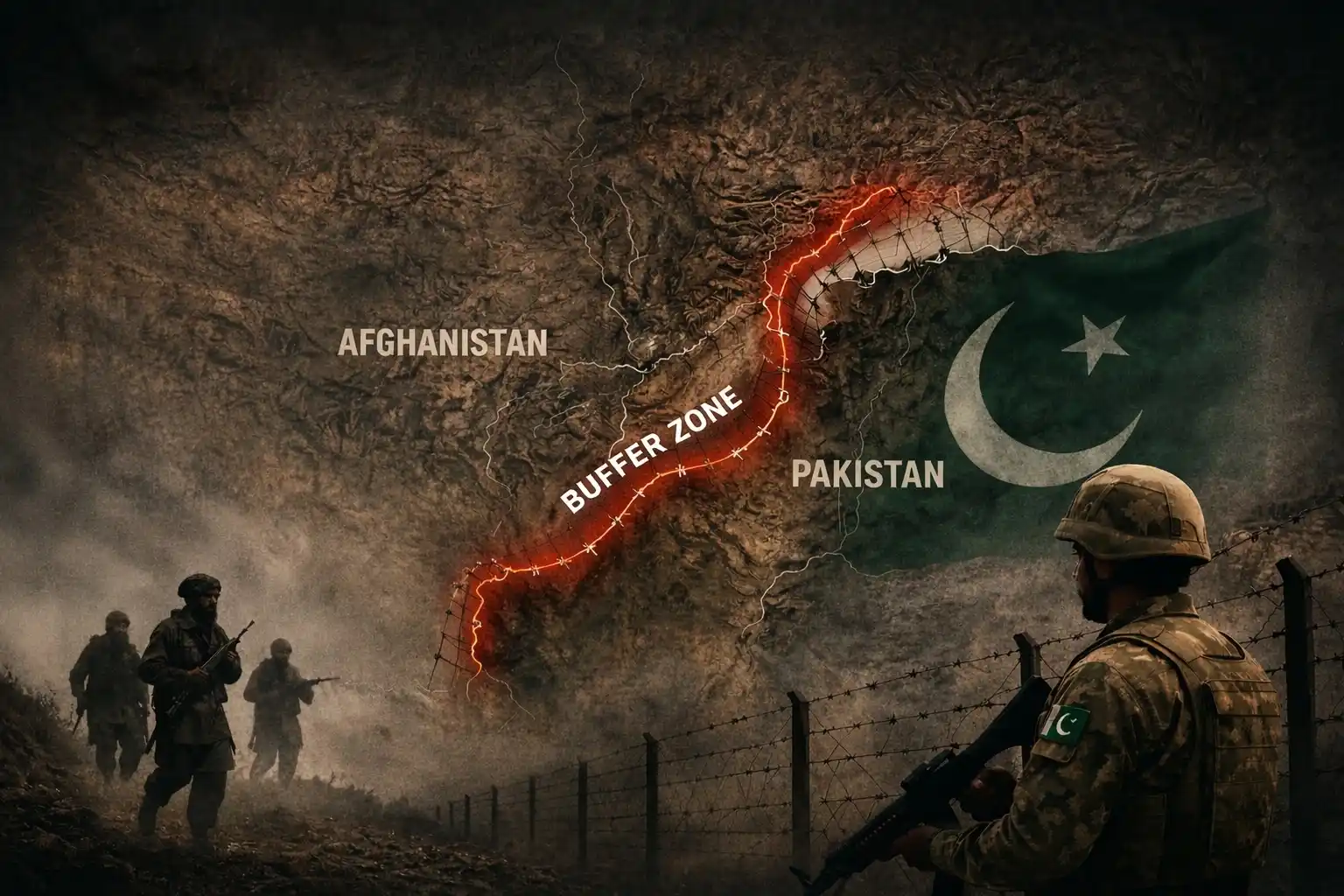
This posture of active neutrality is not merely a strategic choice but also a structural necessity. Given Pakistan’s sectarian sensitivities, particularly its sizeable Shia population, which is estimated between 20 to 40 million, any overt alignment with the United States risked triggering domestic instability and internal unrest. At the same time, Pakistan’s 909-kilometre border with Iran underpins a bilateral trade relationship valued at approximately $2.8 billion, while Western markets continue to absorb nearly 60 percent of Pakistan’s exports. In such a context, alignment with any single camp would have entailed significant political and economic costs, further reinforcing the prudence of Islamabad’s neutral stance.
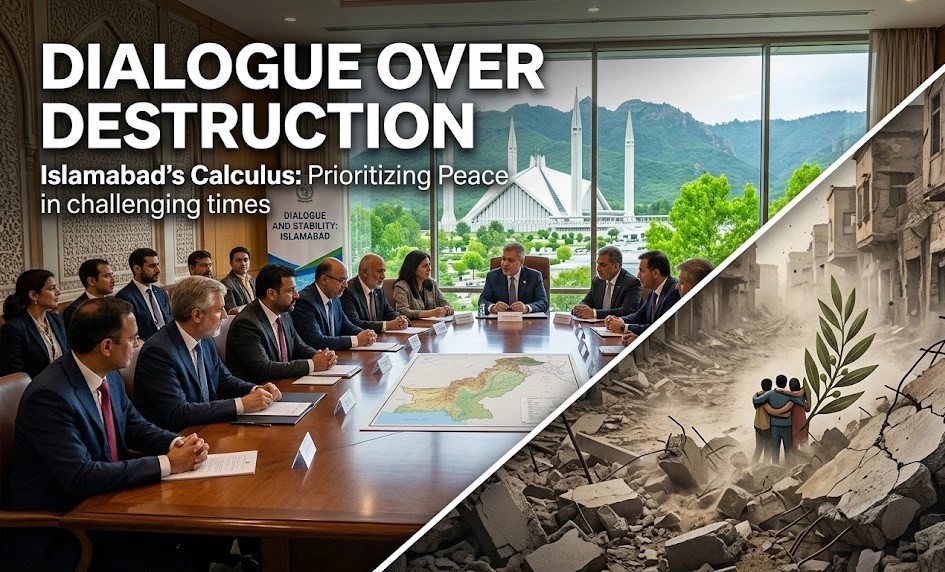
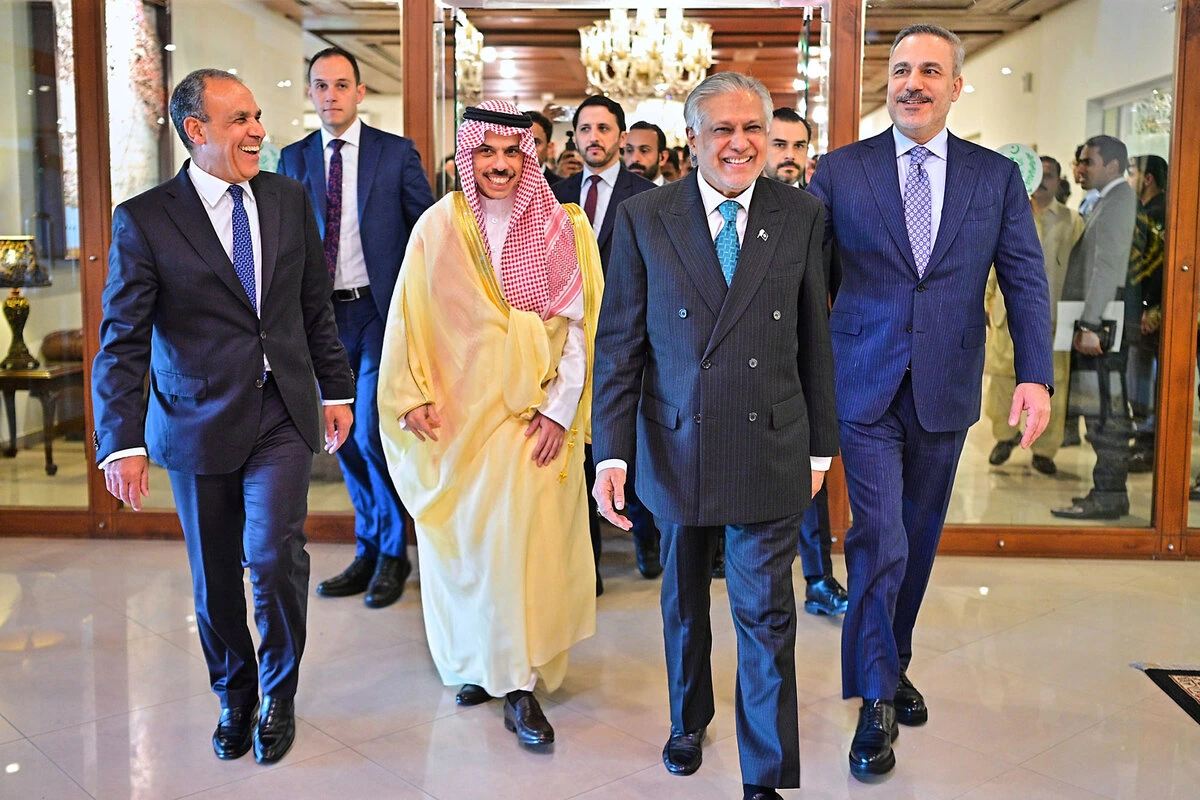
Building upon this necessity, one of Pakistan’s most notable accomplishments during the crisis has been its role as a facilitator of dialogue between the United States and Iran. Its efforts were reflected in the facilitation of indirect diplomatic communication between Tehran and Washington, the offer of Islamabad as a potential venue for peace negotiations, and sustained consultation and coordination with key regional actors such as Saudi Arabia, Egypt, and Türkiye. Through these calibrated foreign policy initiatives, Pakistan effectively repositioned itself from a peripheral observer to a dynamic diplomatic intermediary, an evolution that stands in contrast to the more static posture of its regional counterparts, including India.
In what may be described as a renewed phase of shuttle diplomacy, Pakistan transmitted proposals between Tehran and Washington and conducted over thirty diplomatic engagements with both global and regional stakeholders. Notably, the United States’ 15-point ceasefire proposal was conveyed to Iran through Pakistani diplomatic channels, underscoring that Islamabad’s role was not merely symbolic but operationally substantive.
Alongside providing communication channels and diplomatic mediation, Pakistan has undertaken the complex task of balancing diverse and, at times, competing security commitments. It has maintained diplomatic engagement with the United States while firmly refusing any military involvement against Iran. Simultaneously, it has reassured Tehran on regional security concerns, even as it continues defence and security cooperation with its Gulf partners.
In the context of its Mutual Defence Pact with Saudi Arabia, Pakistan played a stabilising role during periods of escalation by extending diplomatic assurances that helped deter potential Iranian kinetic actions against Saudi territory. All of this has been managed while preserving strategic relations with each of the involved actors. This approach reflects a classic manifestation of a multi-vector foreign policy, an approach rarely executed with such coherence, underscoring Pakistan’s emergence as a middle power capable of navigating complex and often contradictory alliances with notable diplomatic finesse.
All in all, Pakistan’s role in the Iran–US crisis points to a broader evolution in international politics and shifting global power dynamics. In an era where great powers, constrained by rivalry, increasingly struggle to sustain direct diplomatic engagement, middle powers capable of managing diverse and even contradictory alignments are acquiring renewed significance. Pakistan’s diplomatic conduct illustrates that military strength, economic capacity, and technological advancement alone no longer determine a state’s relevance in contemporary geopolitics. Rather, the ability to preserve communication channels, reduce uncertainty, and prevent escalation has emerged as a critical source of influence.
Through tangible diplomatic initiatives underpinned by strategic neutrality, a middle power such as Pakistan can help stabilise outcomes in an increasingly polarised international system. This trajectory also signals a fundamental shift in Pakistan’s foreign policy identity, from a state historically defined by alignment politics to one exercising greater geostrategic autonomy as an active diplomatic agent. If reinforced by sustained economic and institutional strengthening, this intermediary role has the potential to enhance Pakistan’s capacity to shape regional outcomes through constructive engagement, credibility, and connectivity in an evolving world order.