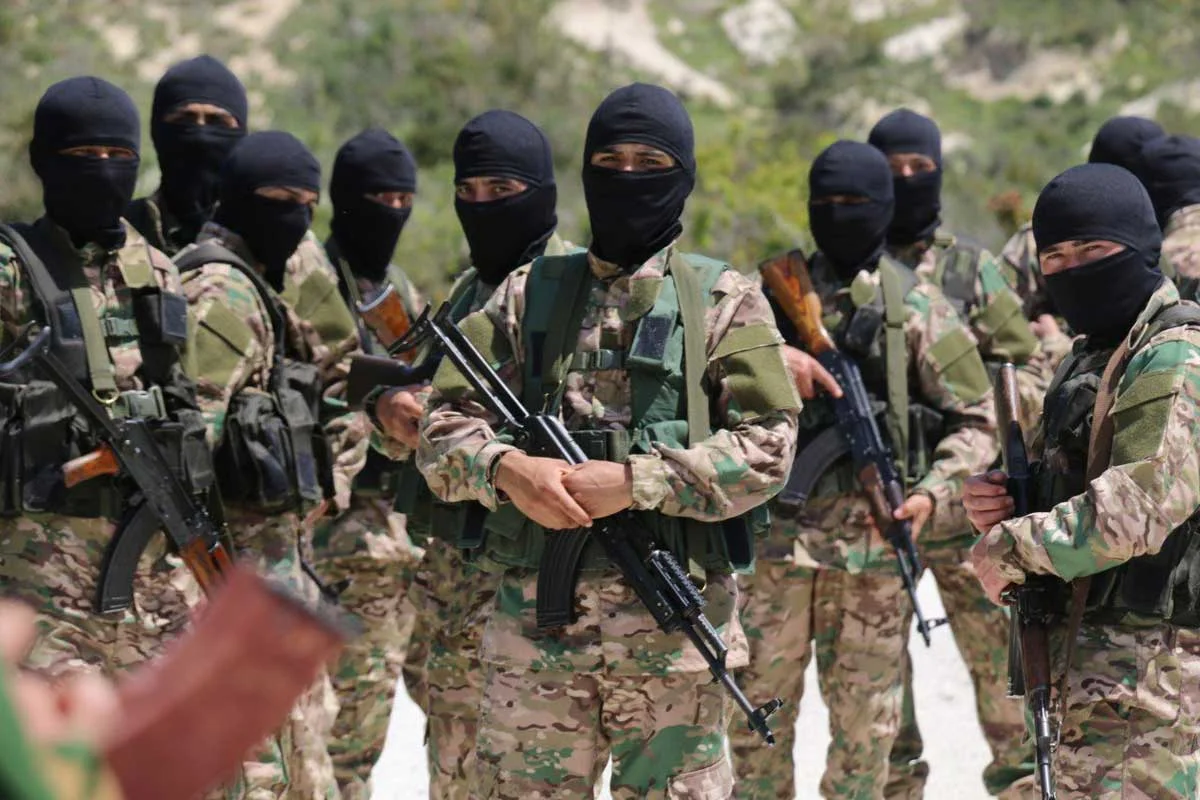
A critical reassessment of Afghan repatriation from Pakistan, weighing human rights advocacy against state sovereignty, security, and legal realities.
Commentary
SAT Commentary

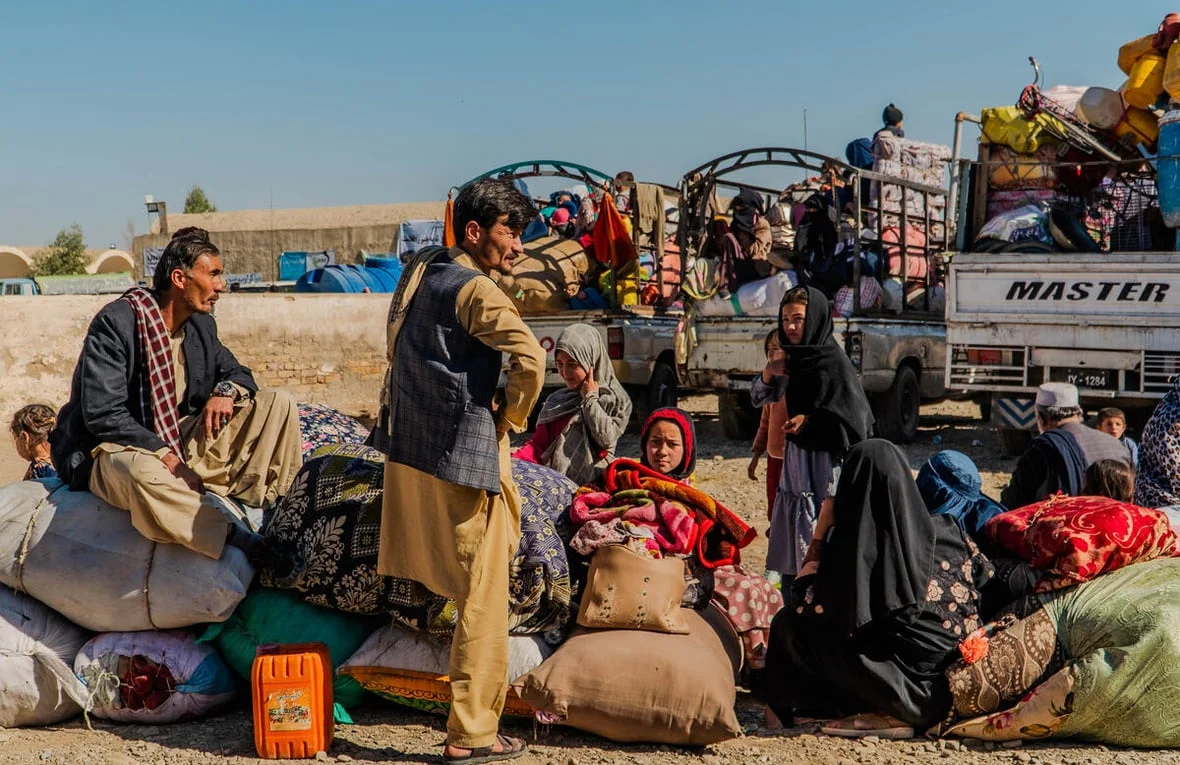
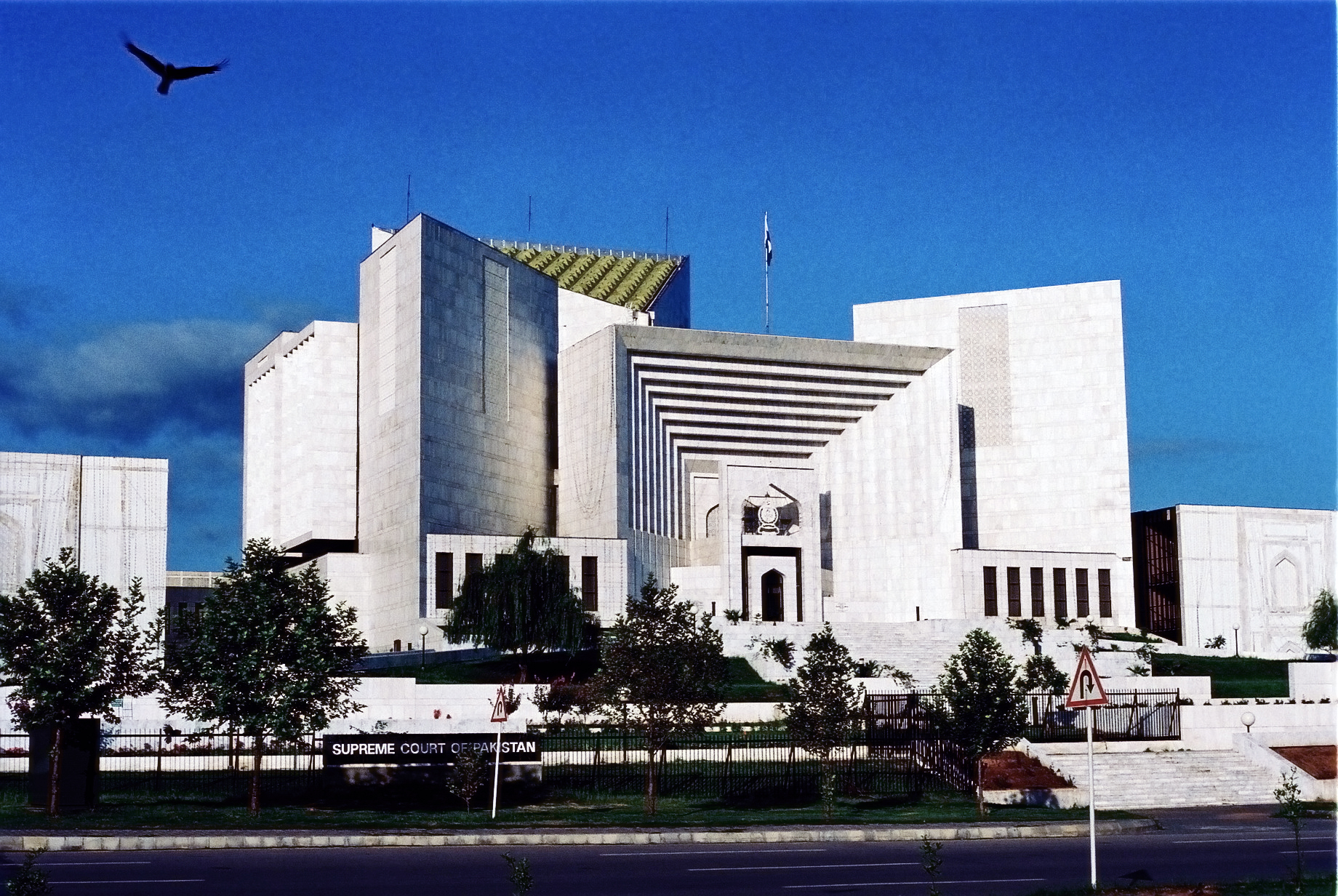
Rethinking Afghan Repatriation from Pakistan

Amnesty International’s call to halt Afghan repatriation overlooks the limits of long-term hospitality. For Pakistan, the issue is less about abandoning rights than reasserting sovereign immigration control amid shifting realities in Afghanistan.

Read More »
Andy Halus’s interview signals a shift in US–Pakistan relations toward minerals, education, and soft power, marking a post-security partnership in 2026.
Commentary
SAT Commentary

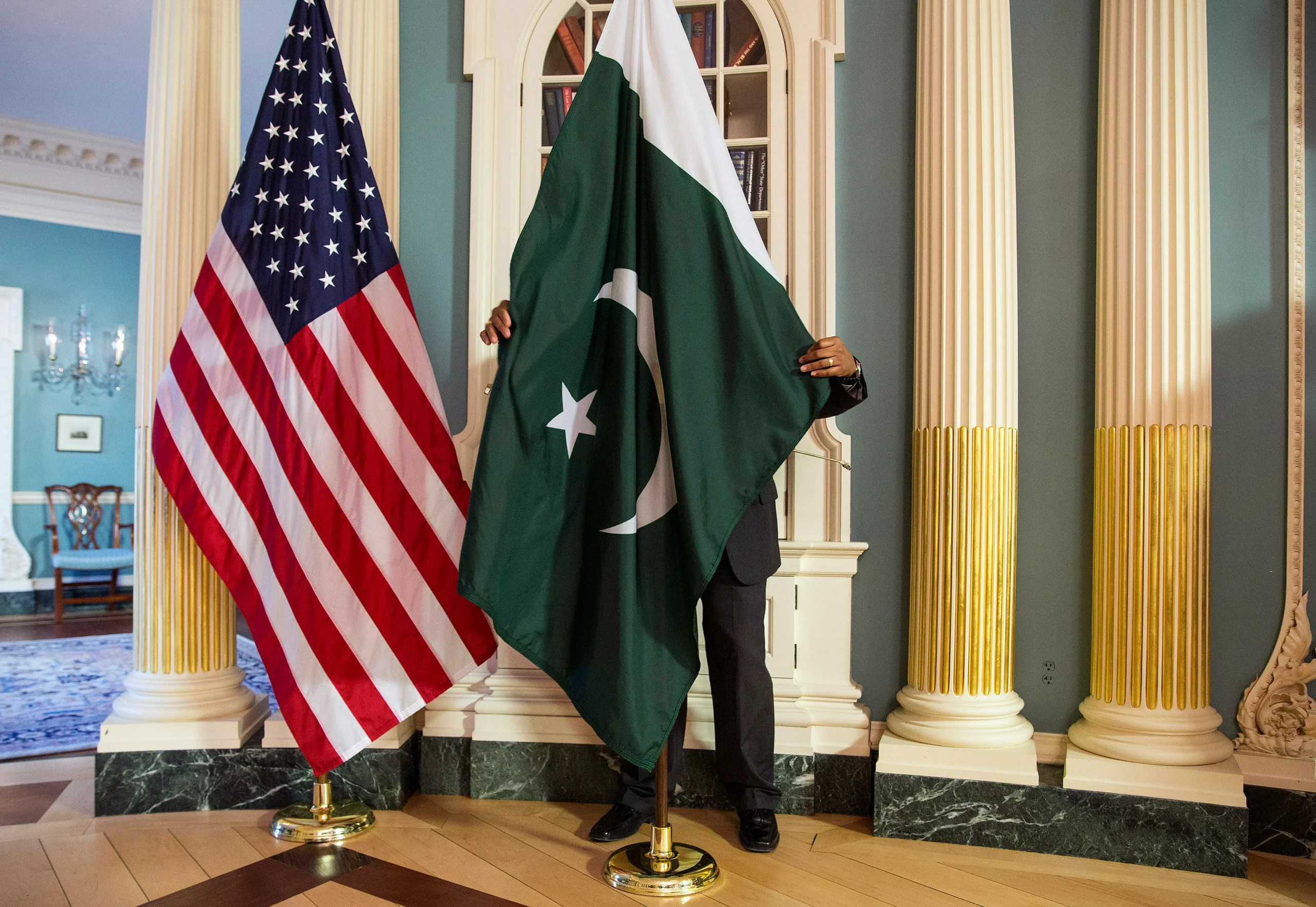
The New Architecture of US–Pakistan Relations

Andy Halus’s interview signals a strategic shift in US–Pakistan relations from security-centric ties to a multidimensional partnership centered on minerals, education, and soft power. Projects like Reko Diq now stand as the key test of this new architecture.

Read More »
The Revival of Ethnic Engineering in Northern Afghanistan
Afghanistan
SAT Commentary

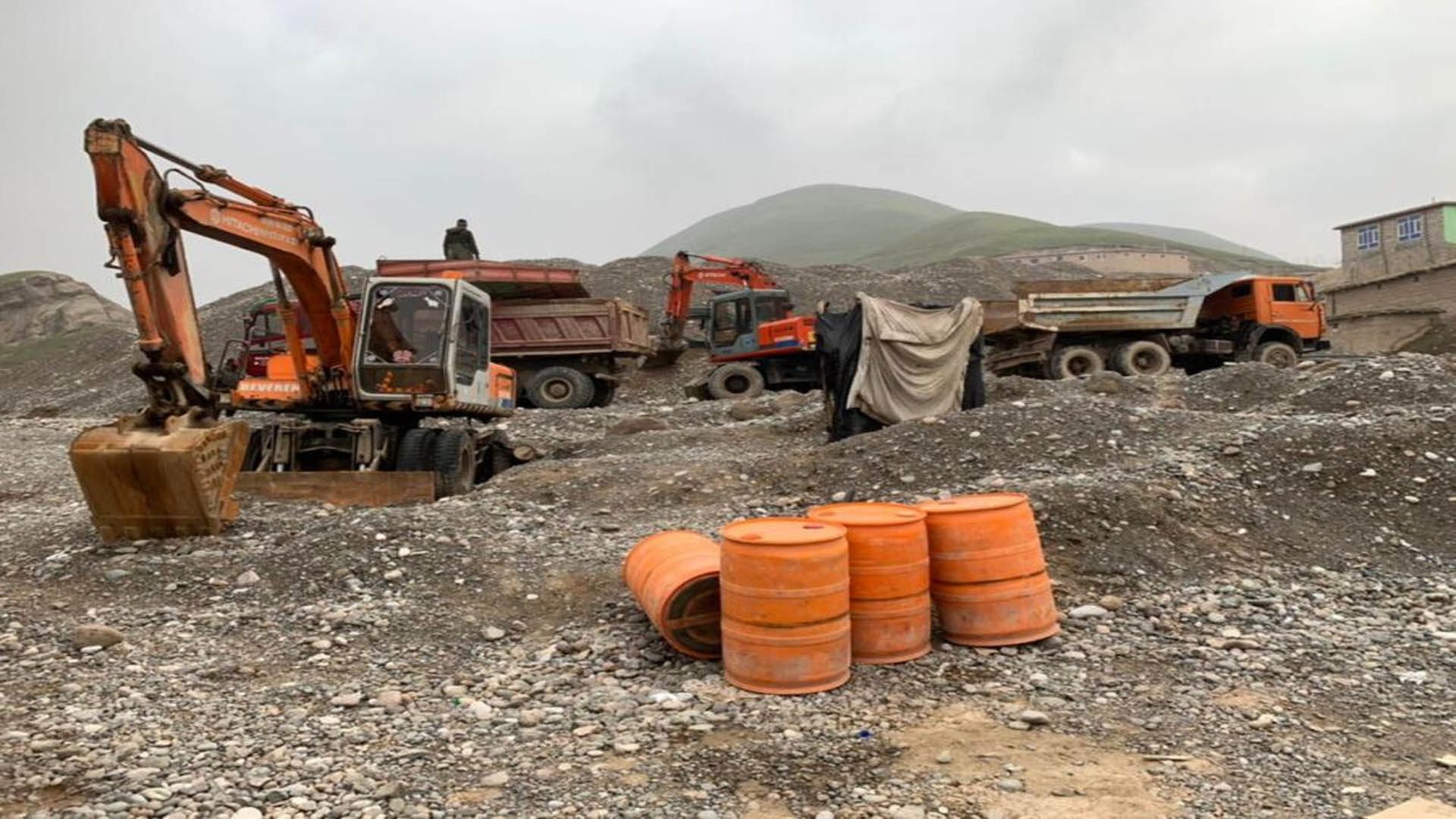
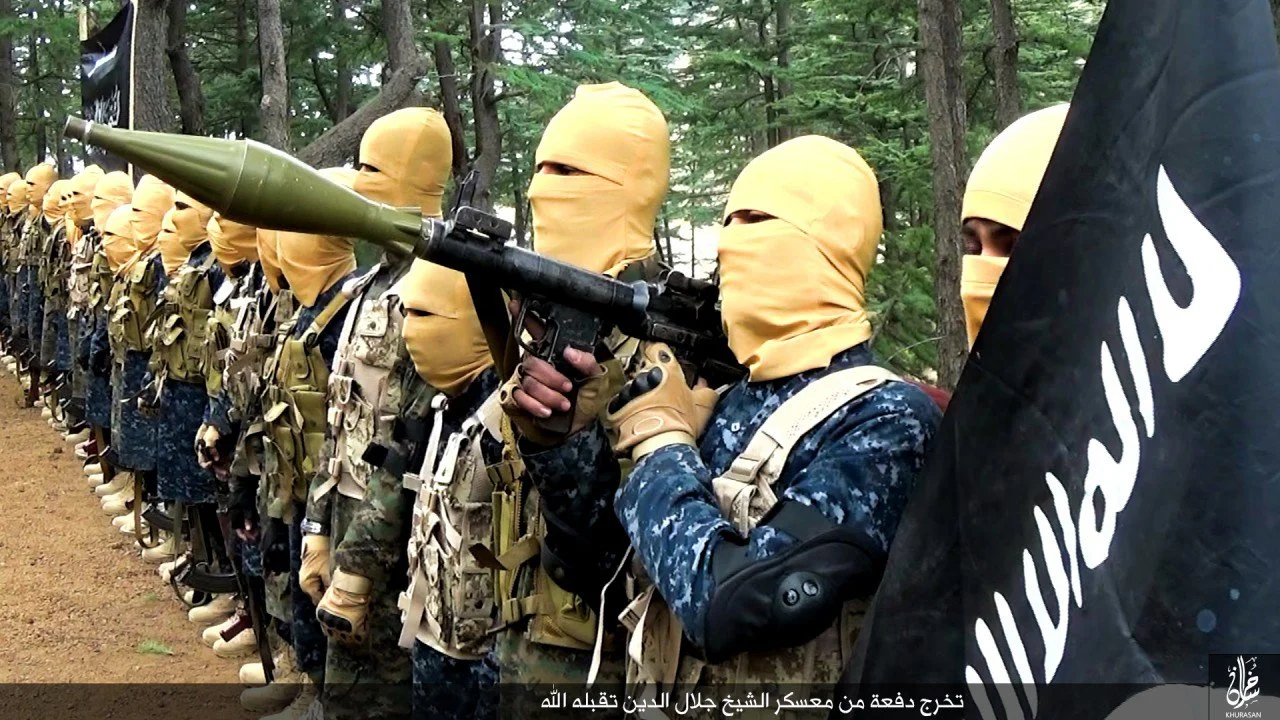
The Revival of Ethnic Engineering in Northern Afghanistan

The reported TTP attack in Takhar is not an isolated security incident but part of a deeper historical pattern of ethnic engineering in northern Afghanistan. Tracing its roots to 19th-century state-building policies, the article examines how militant proxies, demographic displacement, and settler strategies are once again reshaping Tajik-majority regions under Taliban rule.

Read More »
Khamenei, the Bazaar, and Protests
Commentary
SAT Commentary

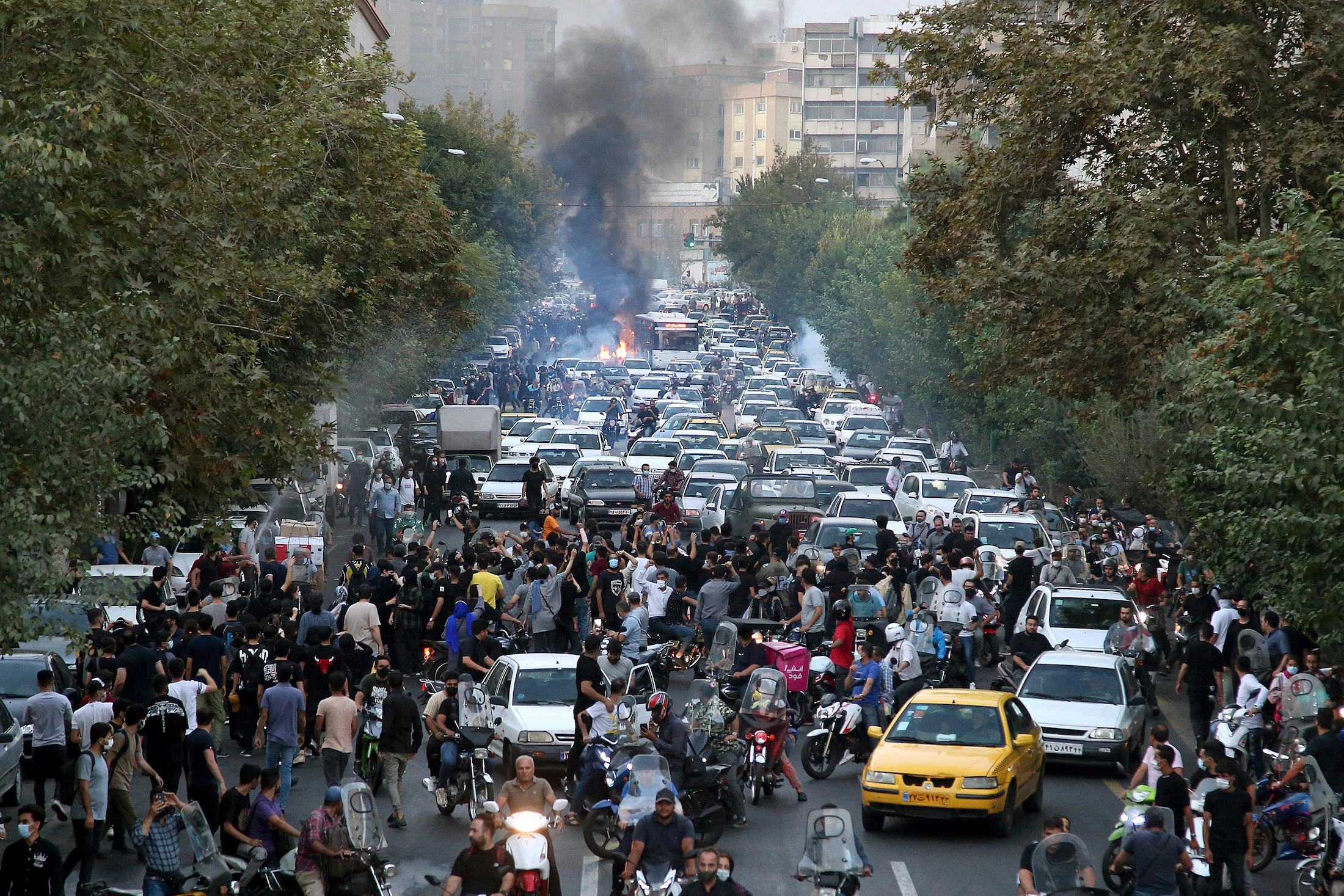
Khamenei, the Bazaar, and Protests

Ayatollah Ali Khamenei’s January 3, 2026 address reflects an Islamic Republic under acute economic and social strain. By validating bazaar grievances while condemning protest tactics, the leadership seeks to divide dissent and preserve regime authority amid a collapsing Rial.

Read More »
A critical reading of Zalmay Khalilzad’s interview reveals strategic bias on ISKP, TTP safe havens, and Pakistan’s role in US–Taliban diplomacy.
Afghanistan
SAT Commentary

Khalilzad on ISKP, TTP, and Pakistan

Zalmay Khalilzad’s Tolo News interview exposes ambiguities in US policy toward Taliban-ruled Afghanistan. His remarks on ISKP, the TTP, and Pakistan reflect an effort to normalize the Taliban while shifting responsibility for regional instability, drawing false equivalences between alleged ISKP cells in Pakistan and the openly operating TTP in Afghanistan.

Read More »
Renewed fighting in Hadramout exposes the collapse of the Riyadh Agreement, fracturing Yemen’s anti-Houthi coalition and threatening regional security.
Commentary
SAT Commentary

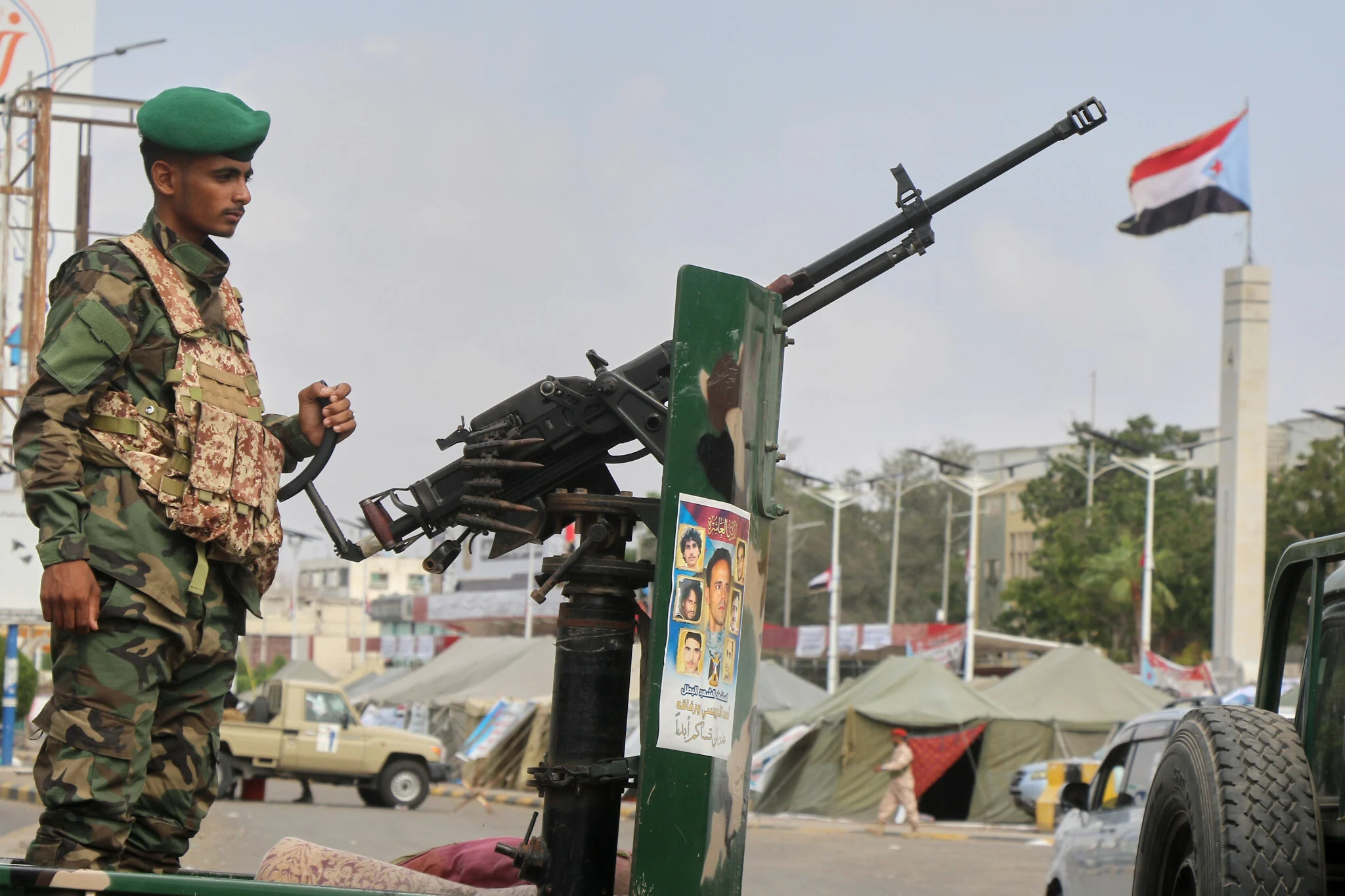
Yemen’s War Within a War

Renewed hostilities in Yemen’s eastern Hadramout governorate signal more than a local power struggle—they reveal a deep structural fracture within the anti-Houthi camp. As UAE-backed Southern Transitional Council forces push into areas held by Saudi-supported government units, the collapse of the Riyadh Agreement risks reviving extremist sanctuaries, destabilizing Red Sea security, and accelerating Yemen’s slide toward permanent partition.

Read More »
Pakistan’s IT sector and Digital Nation Act 2025 offer a scalable path to break the current account deficit and escape chronic economic volatility.
Commentary
SAT Commentary

Pakistan’s Digital Escape Route

Pakistan’s reliance on import-heavy exports has repeatedly triggered balance-of-payments crises. The Digital Nation Pakistan Act 2025 positions IT as a zero-raw-material export capable of delivering scalable growth, fiscal stability, and long-term economic resilience.

Read More »