![Truck traveling along the Makran Coastal Highway in Balochistan, with rugged cliffs and the Arabian Sea coastline in the background [Image via Getty Images].](https://southasiatimes.org/wp-content/uploads/2026/02/Balochistan-2.webp)
Editorial Picks

Deconstructing the Deprivation Myth
For decades, Balochistan’s underdevelopment has been framed as a story of federal neglect. But does the data support that claim?


For decades, Balochistan’s underdevelopment has been framed as a story of federal neglect. But does the data support that claim?

Qatar’s role in South Asia illustrates how mediation and media narratives can quietly converge into instruments of influence. Through Al Jazeera’s selective framing of Pakistan’s security challenges and Doha’s unbalanced facilitation with the Taliban, neutrality risks becoming a performative posture rather than a principled practice. Mediation that avoids accountability does not resolve conflict, it entrenches it.
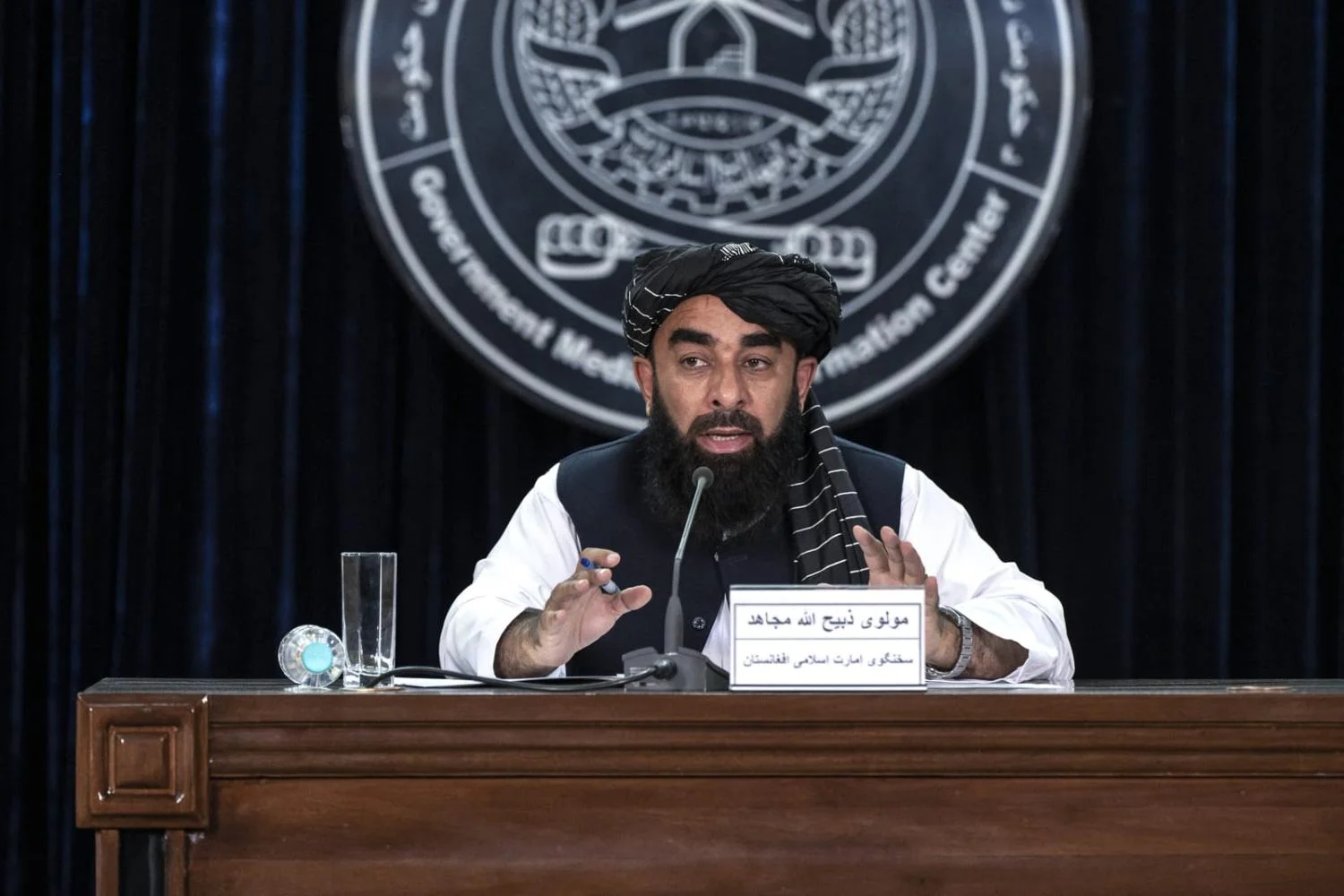
Zabihullah Mujahid’s recent statement dismissing the TTP as Pakistan’s “internal issue” and claiming Pashto lacks the word “terrorist” is a glaring act of evasion. By downplaying a UN-listed militant group hosted on Afghan soil, the Taliban spokesperson attempts to deflect responsibility, despite overwhelming evidence of TTP sanctuaries, leadership, and operations in Afghanistan. His remarks reveal not linguistic nuance, but calculated hypocrisy and political convenience.