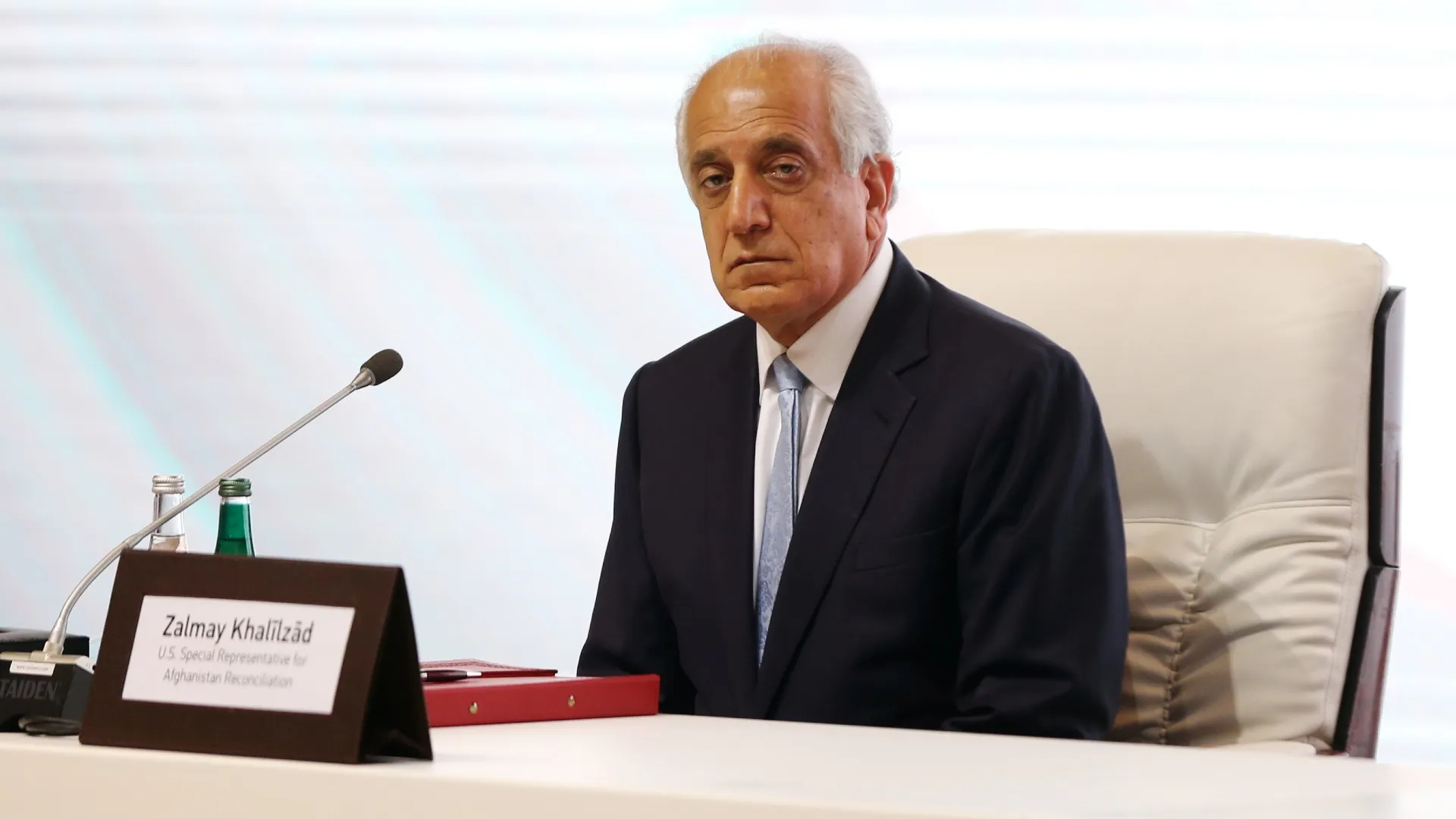
As America has begun to withdraw its troops from Afghanistan after twenty years of its engagement, U.S. Special Representative for Afghanistan Mr Zalmay Khalilzad said to the House Foreign Affairs Committee; that the prediction that the Taliban will overrun Afghanistan’s forces and conquer Kabul after the complete withdrawal of international troops, is based overly on pessimism.
In addition, Khalilzad mentioned, ‘I believe that statements of the disintegration of their forces and the Taliban’s short-term takeover are erroneous.’
Moreover, Mr Khalilzad said that the government of Afghanistan and the Taliban should play their role in the Peace Process. He emphasized Pakistan’s active role in Afghanistan’s peace efforts.
According to the Associated Press, Mr Khalilzad informed the House Foreign Affairs Committee that; ‘We continue to keep in close contact with Pakistani leaders to make a substantial effort to minimize violence. We will utilize Pakistan’s influence over the Taliban. In addition, I think, a prolonged war in Afghanistan is not in the interest of Pakistan.’
Reportedly, the Defense Ministry of Afghanistan informed that after a three-day truce, violence remained high in the country between 12th and 15th May.
Concerns of U.S Legislators About Post-US Withdrawal Afghanistan Future
However, the US legislators have expressed concerns about the country’s future when US troops will leave Afghanistan.
‘It seems very certain that after our withdrawal the Taliban will try to overthrow the country. The Taliban will restore it to a state before 11-September,’ Michael McCaul, a Texas Republican.
Since President Biden’s announcement was made, they (Taliban) beefed up their attacks and have taken over new land and bases. Without a military presence, the US allows them space to deepen their ties with terrorist groups such as al-Qaeda, which could again attempt to launch external attacks against us and our country’s allies. Mr McCaul added.
Rep. Ami Bera considers it an obligation to protect friends in Afghanistan who bravely fought in battle beside the US forces.
We have an obligation to protect our Afghan friends who courageously served alongside our troops in combat.
My remarks at today’s @HouseForeign hearing on #Afghanistan and the need to process the backlog in the Special Immigrant Visa (SIV) program. pic.twitter.com/bvsHzOfnoV
— Ami Bera, M.D. (@RepBera) May 18, 2021
Lastly, speculations concerning the Taliban’s dealing with the minorities and women in Afghanistan after the withdrawal of the US forces are there. However, it is important to note that, over the years Taliban have also transformed. They are relatively flexible in their state of affairs as compared to their demeanor in the 1990s.

Your trusted source for insightful journalism. Stay informed with our compelling coverage of global affairs, business, technology, and more.