We live in a world where tech shapes almost everything, and AI isn’t just making things easier or smarter; it’s also fueling hate. A new study from the U.S. points to something pretty alarming: India now leads the world in AI-generated Islamophobia content. It’s not some random accident, either. People are using AI on purpose to twist online stories and stir up tensions between communities.
The Study: Hate at Scale
The American research looked at millions of social media postings, computer-generated memes, and AI-created commentary over the past year. And the findings were grim: Much of the Islamophobia online is no longer organic, born of individual prejudice; instead, it is actively being systematically engineered with AI tools. These AI tools generate text, images, and even deepfake videos that are meant to induce rage, perpetuate stereotyping, and delegitimize Muslim communities.
India was found to be the top country for this type of content, according to the study. Analysts say it’s a confluence of political ideology, technology adoption, and growing Hindu nationalist sentiment. AI, they point out, acts as a “force multiplier” for extremist and xenophobic movements that are able to access millions of potential supporters almost instantaneously, with little effort or accountability.
From Digital Hate to Real-World Violence
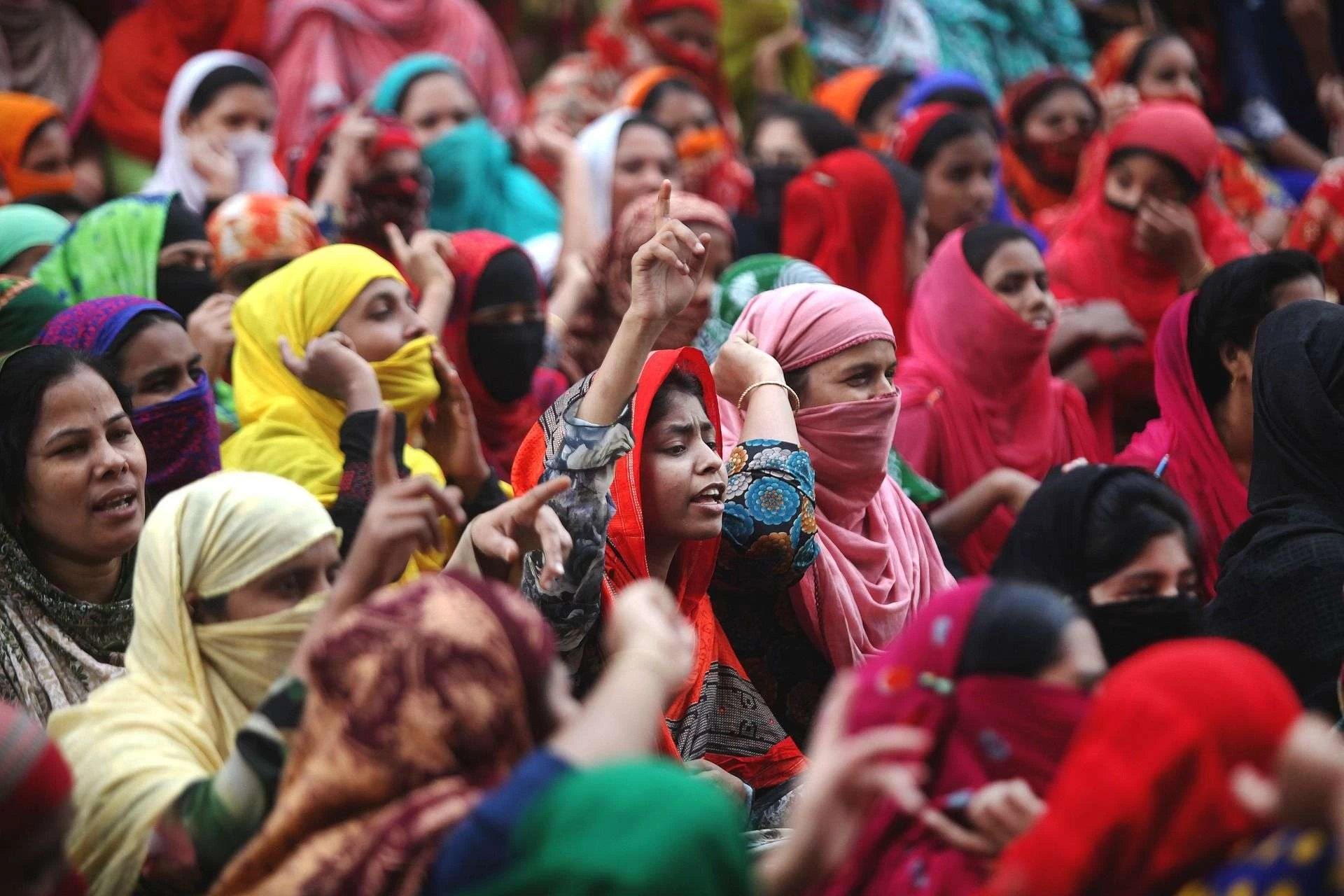
AI-driven Islamophobia doesn’t stay online; it leaks into the real world and causes real harm. Digital hate campaigns often turn into harassment, discrimination, or even violence. Take what happened at a public awards ceremony in India. A BJP supporter named Nitish Kumar yanked the niqab off a Muslim woman right as she accepted her award. Someone filmed it, and the video went viral. People recognized it for what it was: a public stunt meant to fire up hardline Hindutva supporters, basically sending a message that intimidating religious minorities is fair game.
Experts say this isn’t random. When AI churns out Islamophobia content, it gets people used to the idea that harassment is normal, maybe even justified. Then, when something happens in real life, it bounces back online as “evidence” that these beliefs make sense. The result? Tech and extremist ideas keep fueling each other, making Islamophobia seem normal and giving politicians more ways to divide and control.
Hindutva and the Political Context
You can’t really get into AI-driven Islamophobia in India without seeing how it ties into the bigger political game. The Hindutva movement, always about a sharp, exclusive kind of nationalism, now leans hard on digital platforms. They use these tools to fire up their base, shut out minorities, and push their own version of what India should look like, culturally and religiously. With AI on their side, their message doesn’t just move faster; it seeps into places old-school media never reached. Bias isn’t just something you catch in the news anymore. It quietly shows up in daily conversations, almost everywhere.
Analysts point out that people like Nitish Kumar stand right at the spot where online propaganda turns into real-world drama. He doesn’t stop at posting online; he brings those messages out onto the streets, staging intimidation you can’t ignore. So digital hate becomes something you actually see and feel in public life. It all connects like online tactics and street actions feeding off each other and zeroing in on religious minorities, both on the internet and out in the open.
The Role of AI in Modern Extremism
AI isn’t just a background player here; it’s right at the center of things. Unlike old-school content, AI churns out huge amounts of material, tweaks it for different groups, and finds clever ways to slip past what little moderation is around. We’re talking memes, fake videos, endless automated posts these can flood social media in no time. Suddenly, it looks like everyone agrees, and that gives extremists a boost.
Researchers are sounding the alarm. If nothing changes, people will use AI more and more to stir up tensions between communities, twist election results, and even justify violence. The scary thing is how fast and easy it all happens, and how nobody has to put their name on it. AI doesn’t just spread propaganda; it can actually mess with the way society thinks and acts.
Recommendations and Global Implications
A new U.S. study says we need to throw everything we’ve got at AI-driven Islamophobia. For starters, tech needs to get sharper detection tools that actually catch hateful posts before they go viral. But it’s not just about algorithms. We need laws with teeth, so folks posting or spreading this stuff actually get held accountable. And honestly, it comes down to people, too. Community campaigns have to step up and show everyone just how easily fake or twisted online content can mess with what we believe.
Now, the situation in India isn’t just a local issue; it sends ripples worldwide. AI-powered propaganda doesn’t care about borders. The way things are created or cooked in one country can disturb people’s views, influence opinions, and cause unrest in another country. If lawmakers, tech platforms, and global monitoring groups are going to attempt to keep democracy strong and maintain a unified society, then they must understand how this hate originates, develops, and normalizes. This is the only way to effectively combat the spread of hate speech.
A Warning from History
India isn’t going through anything new. If you look back, you’ll see the same old story politicians stoking fear and playing with identity just to grab more power. Now that AI exists, it has really speed things up. In a split second, we can generate a ton of online content that can be turned into viral sensations because of this continuous flow of outrage on social media. For instance, when someone gets assaulted for how they dress. Even if it’s taking their niqab or any other article off in public that isn’t an isolated incident; it’s part of a developing pattern where hatred isn’t just born; it is created, justified, and celebrated.
Conclusion: Technology, Ideology, and Responsibility
AI-driven Islamophobia in India isn’t just some abstract tech problem; it’s a wake-up call. Technology, on its own, doesn’t take sides. However, once extremists seize control of something, everything can go haywire very quickly. Politicians, online trolls, fringe organizations, and many more have discovered the potential of this technology to create discord and unrest among the populace.
Take, for example, Nitish Kumar’s case. A blatant example, but it’s evident that when hate is expressed online, it will eventually come offline as well. Digital hatred spills over into the physical world and further perpetuates a cycle of fear and exclusion that exists in our societies daily.
So, what is the answer? There is no single magic bullet to this issue. It requires a combination of greater technological safeguards, true political accountability, stronger laws, and a clear understanding by all citizens of what is at risk.
In summary, AI and extremism combine to create extreme prejudice, which is not only perpetuated but augmented, leading to coordinated assaults that can disrupt an entire society. If this is ignored, it does not only create chaos on social media; it will likely spill over into mainstream society as well. Pluralism, tolerance, democracy itself, all of that’s on the line. India and the world can’t afford to look away.
Disclaimer: The views expressed in this article are the author’s own. They do not necessarily reflect the editorial policy of the South Asia Times.