Skip to content
![Afghan Twitter revives "Napak Army" rhetoric, attacking Pakistan Army with extremist narratives amid Taliban's governance failures. [Image via SAT Creatives]](https://southasiatimes.org/wp-content/uploads/2025/01/SAT-Web-Banners-31.webp)
January 1, 2025 – Islamabad: A growing trend on Afghan Twitter has seen the Pakistan Army come under attack. Hashtags labeling it the “Napak Army” and “Zionist Army” have been used. This narrative originated from Al-Qaeda in the early 2000s. It has now been revived by groups such as the Tehrik-e-Taliban Pakistan (TTP), Baloch terrorist organizations, and alleged supporters of Pakistan Tehreek-e-Insaf (PTI). PTI is the political party of Pakistan’s former Prime Minister, Imran Khan. Additionally, elements allegedly associated with the Afghan Interim Government are now using this rhetoric.These elements, including the Afghan Taliban’s Intelligence, began using this rhetoric in the last week of December 2024. The accusations equate Pakistan’s military with Israel’s IDF. Afghan Social Media also claims that the Pakistan Army serves foreign agendas, especially that of the United States—a narrative that Pakistan vehemently denies.
The Narrative and Its Origins
The “Napak Army” rhetoric has become a tool for extremist propaganda, framing Pakistan as a collaborator with the West. Ironically, these accusations come at a time when Afghanistan’s interim Taliban government heavily relies on U.S. and international aid for its survival. Representative Brian Mast, the incoming Chair of the U.S. House Foreign Relations Committee, recently revealed staggering figures illustrating Afghanistan’s dependency:
- $75 million allocated for agricultural training for Afghan women.
- $14.9 million for carpet weaving programs aimed at female economic empowerment.
- $280 million in cash transfers for food assistance via the United Nations (UN).
- $3.5 billion funneled into the Afghan Fund for economic stability.
- Over $8 billion contributed by global donors for humanitarian relief.
Despite its vocal anti-U.S. stance, the Afghan Interim Government of the Taliban has yet to address how it utilizes these funds. The Special Inspector General for Afghanistan Reconstruction (SIGAR) has indicated widespread corruption and mismanagement.
Also See: Al Mirsad Playbook: Afghanistan’s Media Strategy Against Pakistan
The Double Standards of the Taliban
While the Afghan Taliban criticizes Pakistan’s strategic alliances and portrays itself as an anti-imperialist force, it continues to harbor groups like Al-Qaeda and the TTP, whose violent ideologies directly contradict Islamic teachings. The TTP’s actions, including the 2014 Peshawar school massacre that killed 141 children, directly violate the Quranic injunction against harming innocent lives. Surah Al-Ma’idah (5:32) states: “Whoever kills a soul unless for a soul or for corruption done in the land – it is as if he had slain mankind entirely.”
Furthermore, the Afghan Taliban has failed to curb the resurgence of Al-Qaeda and other extremist elements, undermining its credibility on the international stage and raising serious concerns about regional stability. The Taliban’s rhetoric against Pakistan, however, diverts attention from their governance failures.
The Revival of the “Napak Army” Narrative
The revival of the “Napak Army” narrative isn’t just a rhetorical attack. It reflects the ideological lineage of Al-Qaeda, now being wielded by factions within Afghanistan. This tactic is not just a distraction from Afghanistan’s dependency on U.S. aid. It also deflects attention from Afghanistan’s inability to deliver governance free from corruption and affiliations with terror groups.
If the Afghan Taliban or their associates continue adopting such divisive narratives, they will only reinforce their allegiance to Al-Qaeda’s ideology—promoting fitna (discord) rather than fostering peace in the region. For Pakistan, these accusations highlight the need to counter not just terrorism but also the propaganda machines fueling such baseless narratives.


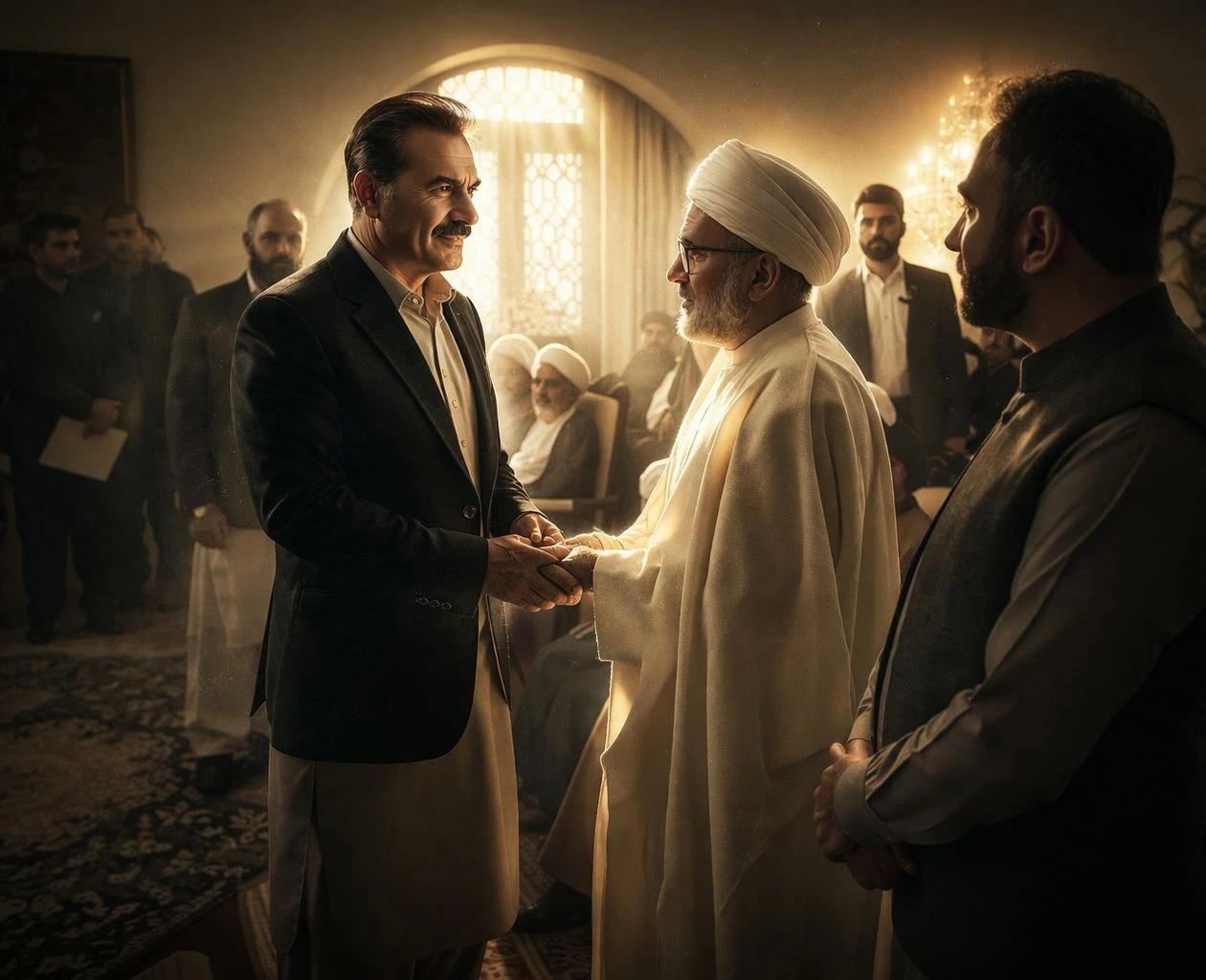
![A view of Islamabad, as evolving regional dynamics reshape Pakistan’s security environment. [Image via Wikimedia].](https://southasiatimes.org/wp-content/uploads/2026/03/Islamabad_top_view.webp)