BJP claim zero indulgence in Adani Controversy

BJP claim zero indulgence in Adani Controversy

 Indian Home Minister defends Modi’s party over Adani controversy amid opposition allegations

India’s home minister Amit Shah makes comments after ruling party accused of favoritism towards embattled conglomerate, while BJP claim zero indulgence.

Indian Prime Minister Narendra Modi’s party has “nothing to hide or be afraid of” on the controversy over the Adani group, the home minister has said, responding to opposition allegations of favoring the conglomerate attacked by an American short seller, while BJP claim zero indulgence.

Led by billionaire Gautam Adani, the business house’s seven listed companies bear his name. Since January 24, following Hindenburg Research’s report on tax havens and stock manipulation, Adani’s seven listed companies lost $120 billion. The Adani group has denied the allegations and threatened legal action against Hindenburg.

“The Supreme Court has taken cognizance of the matter. Amit Shah is widely regarded as the most powerful politician in India after Modi. He told the ANI news agency that commenting on the matter would not be appropriate. This is especially true if the Supreme Court is seized of it.

Shah added, “However, in this, there is nothing for the BJP to hide.” He also mentioned, “Moreover, there is nothing for the BJP to be afraid of.” Shah’s comments were in reference to the ruling Bharatiya Janata Party (BJP).

SEE ALSO:https://southasiatimes.org/bjps-masquerade-about-laddakh-blown-away/

Shares of Adani Enterprises, the group’s flagship, fell nearly 4 percent in early trade. The company, which pulled a $2.5bn share sale earlier this month after the stock rout, will announce quarterly results later in the day.

India’s Economic Times daily reported on Tuesday that Adani group executives had been holding negotiations since last week with Abu Dhabi’s International Holding Company (IHC) for capital infusion into Adani Enterprises or other group entities.
Source: aljazeera

News Desk

Your trusted source for insightful journalism. Stay informed with our compelling coverage of global affairs, business, technology, and more.

Recent

Pakistan-Only? The TTP’s Transnational Reality

Pakistan-Only? The TTP’s Transnational Reality

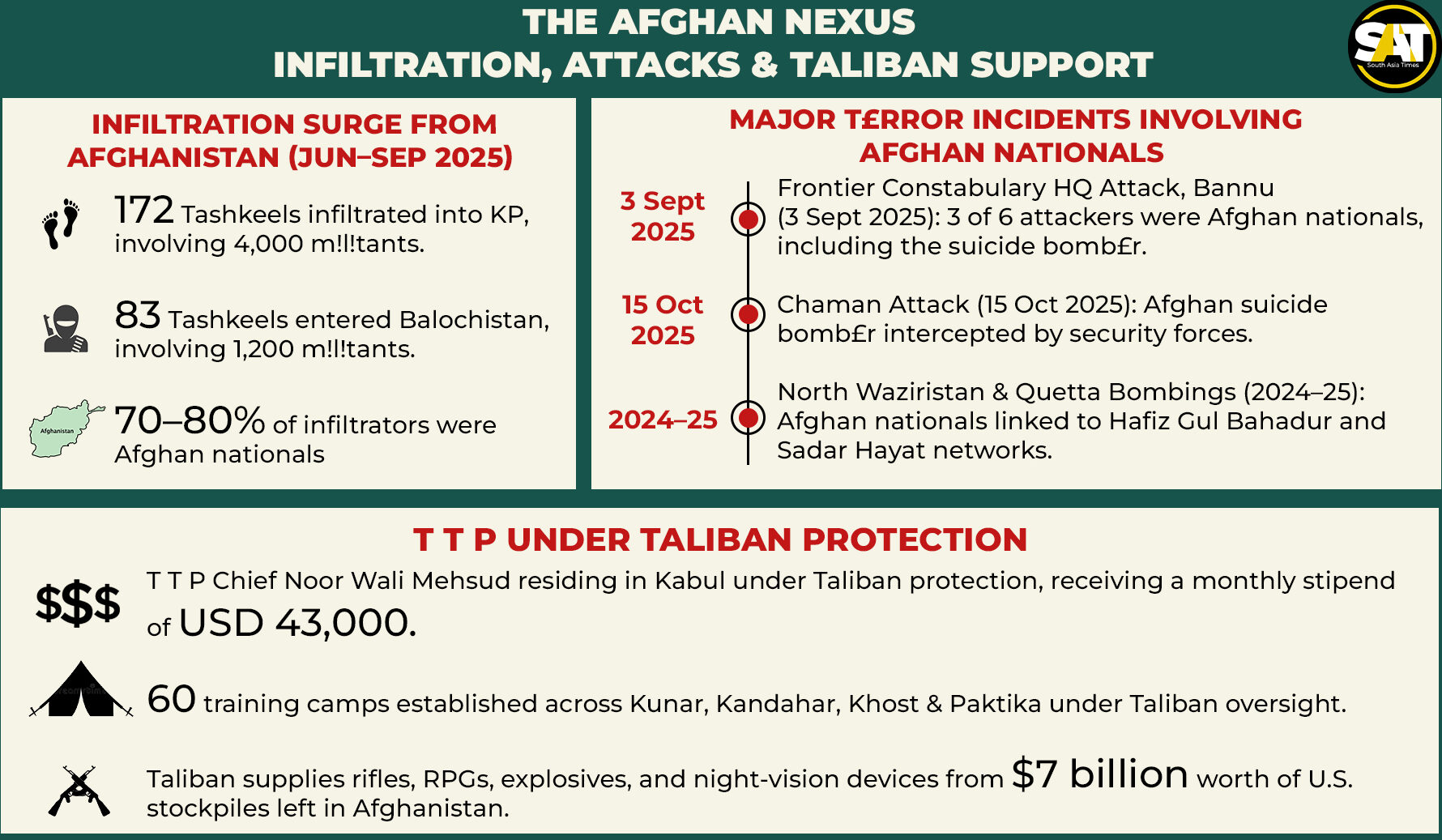
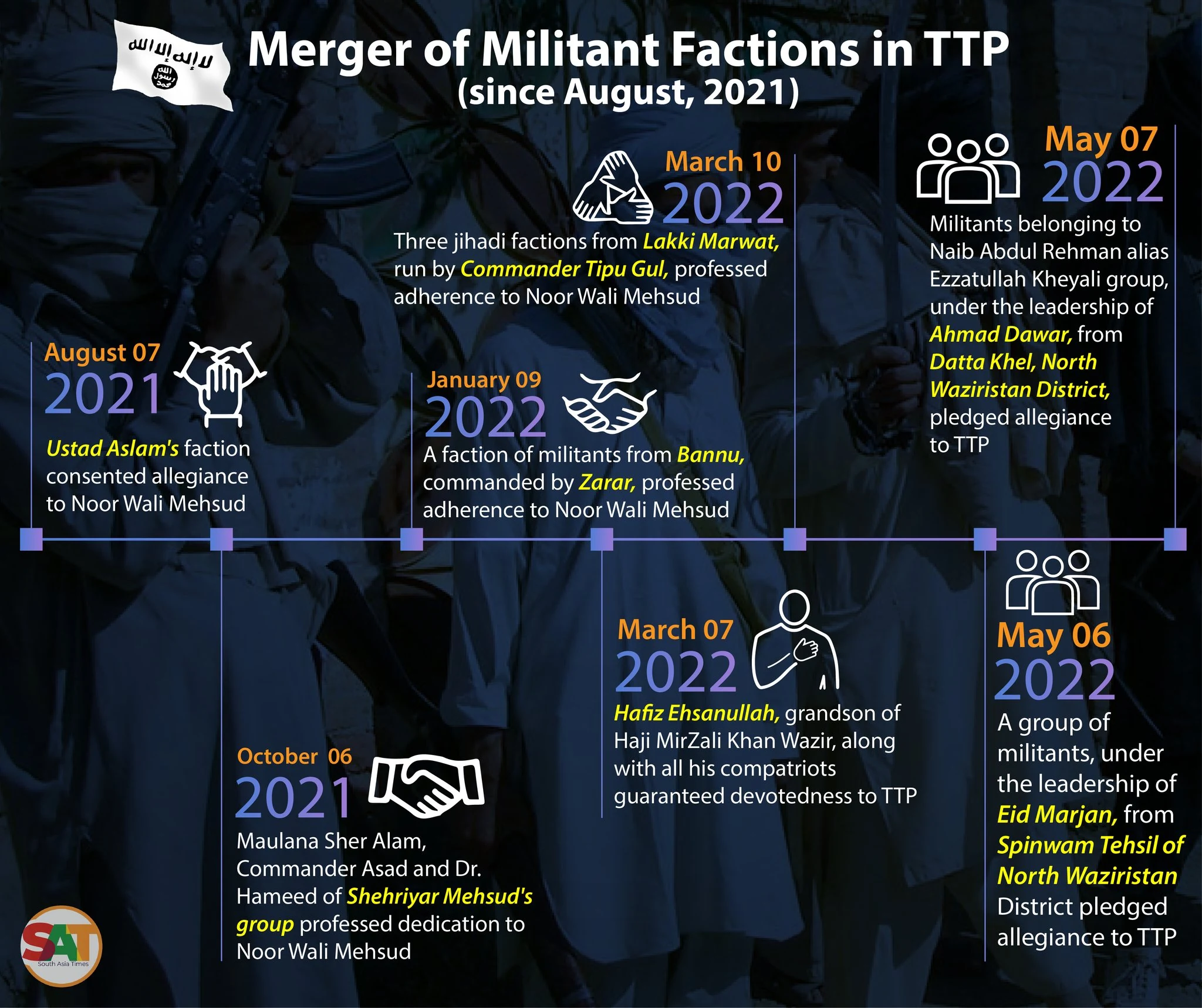
While the TTP publicly claims its insurgency targets only Pakistan, evidence reveals a transnational reality. Supported by Afghan fighters and resources, and shaped by the Afghan Taliban’s strategic interests, the TTP exemplifies cross-border proxy warfare. Understanding its structure, motivations, and operational networks challenges simplistic “Pakistan-only” narratives and underscores the enduring complexities of South Asian security.

Read More »
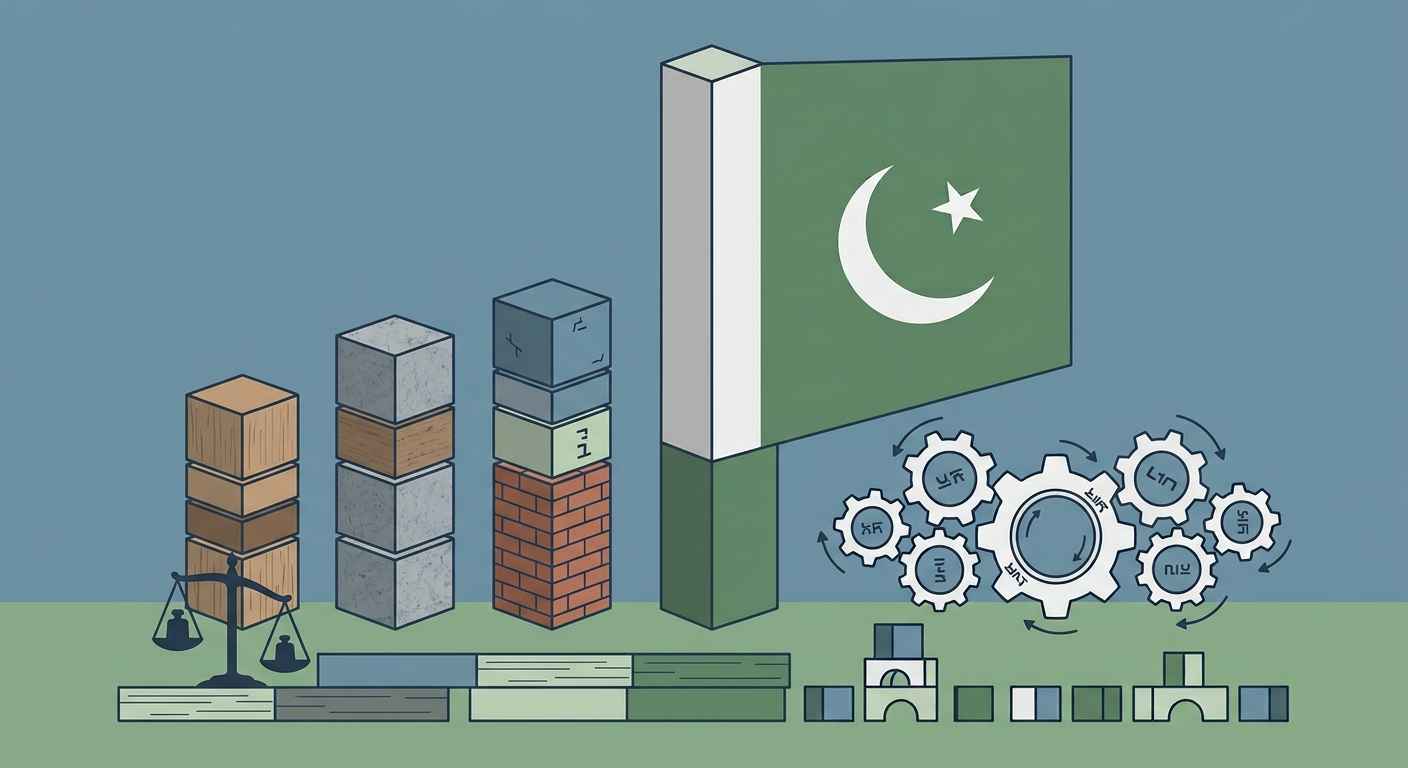
Pakistan’s Heritage and Rights Ethos: Unlocking Cultural Diplomacy

Pakistan’s Heritage and Rights Ethos: Unlocking Cultural Diplomacy

Pakistan’s diverse cultural heritage, from the hospitality of Pashtunwali and Sufi music in Sindh to folk traditions in Punjab, Balochistan, and Gilgit–Baltistan, reflects an enduring rights-based ethos. These living practices promote dignity, justice, and social inclusion. By integrating these traditions into cultural diplomacy, Pakistan can showcase its soft power while supporting custodians of heritage, artisans, and local communities.
Read More »
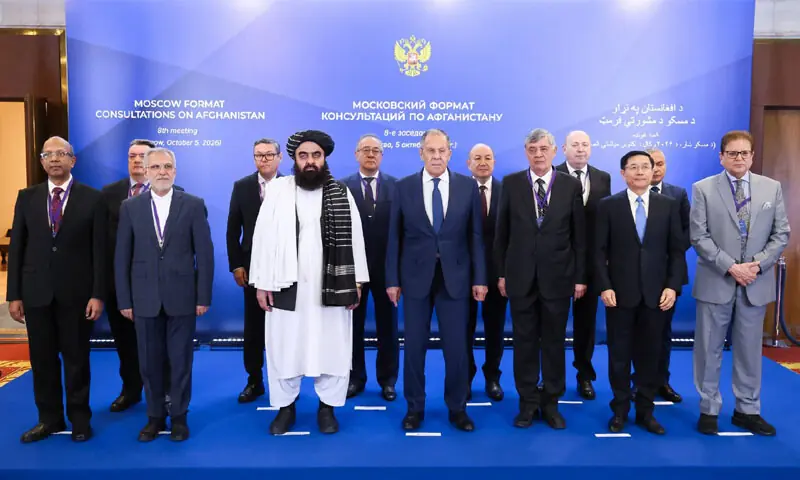
A deep dive into how the Afghan Taliban weaponises anti-Pakistan rhetoric to mask governance failures, rising poverty, and Afghanistan’s growing security meltdown.

The Politics of Blame

Afghanistan’s leadership has responded to recent international backlash by amplifying a narrative that frames Pakistan as the root of all Afghan crises. This rhetoric, pushed by senior Taliban officials, serves as a diversion from Kabul’s own administrative paralysis, economic collapse, and its complicity in enabling militant groups like the TTP. As poverty deepens and Afghanistan becomes a hub for dozens of terrorist outfits, the politics of blame has become the Taliban’s primary tool for deflecting scrutiny.

Read More »
Sanctuary and Sovereignty: The Tribal Ethics Behind the Pakistan–Taliban Rift

Sanctuary and Sovereignty: The Tribal Ethics Behind the Pakistan–Taliban Rift

The piece analyzes the Pakistan–Taliban rift through the lens of Pashtunwali, highlighting how Kabul’s sheltering of the TTP and its revival of Durand Line irredentism conflict with the tribal code’s principles of hospitality, sanctuary, and reciprocity. These choices undermine decades of Pakistani support and have transformed a historically interdependent relationship into one marked by distrust and hostility.

Read More »