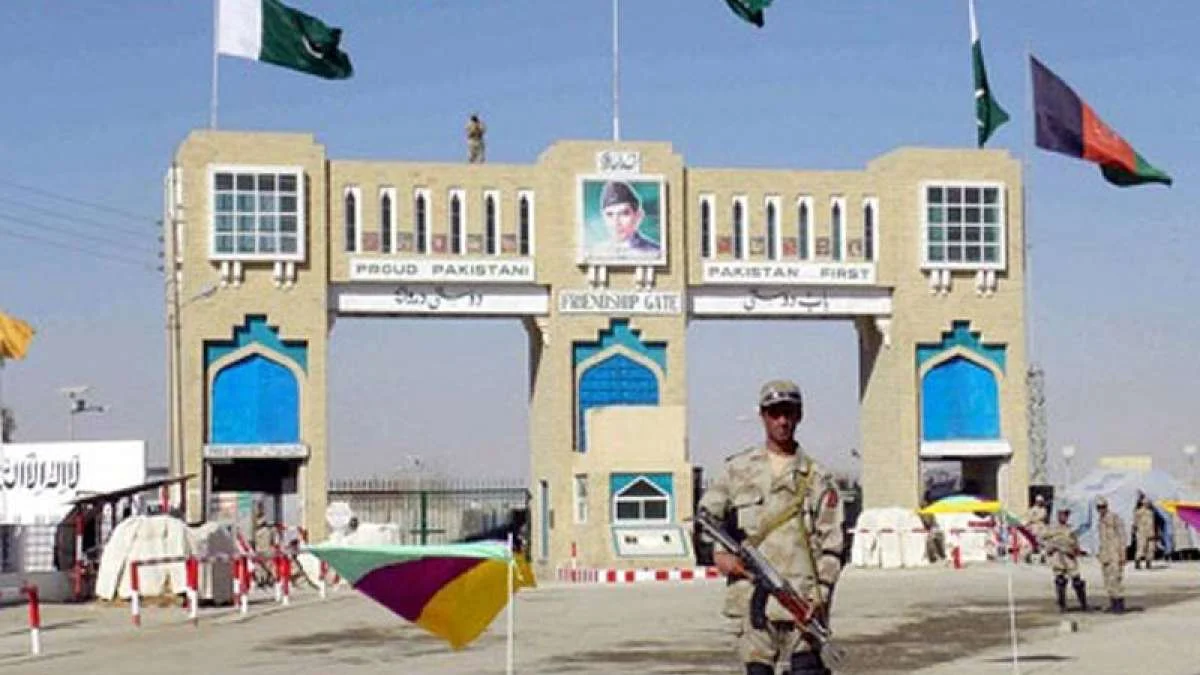
In an ironic twist of fate, the Spin Boldak-Chaman border, dubbed Friendship Gate, which links Afghanistan’s Kandahar province to Pakistan’s Balochistan province, became a locale of heightened tensions between the two countries after it emerged on Sunday that an armed Afghan crossed into Pakistan from the other side of the border and opened fire on security personnel, killing one soldier and injuring two more.
The incident was followed by a prolonged exchange of fire between the two border troops, which led to the closing of the major trading border. Although Pakistan boosted security measures afterward, the Friendship Gate remained closed with all pedestrian movement and commercial activity halted.
Confession in Comfort
In an official statement later issued by the Islamic Emirate of Afghanistan (IEA), the Taliban regime described the event as tragic and has reportedly appointed a high-level committee to investigate the offense and locate the culprit. While this would have been interpreted by many as a supposedly desirable attempt at de-escalation, a video of the perpetrator soon surfaced on social media.
Spreading like wildfire among Afghan and Pakistani accounts alike, the viral video revealed a man at startling ease while conceding his responsibility for the attack.
Emphasizing that the Friendship Gate attack was carried out at no one’s behest but his alone, he cited his motives as the increasing aggression of the Pakistan Armed Forces, particularly against Afghan women. Moreover, he called on the Pashtuns of Afghanistan and Pakistan, as well as the Balochs, to assist him in ‘jihad’ against Pakistan. Besides the blatant incendiary rhetoric directed at the neighboring country, it is noteworthy that the perpetrator made clear his lack of remorse or any effort to elude capture.
Looming Suspicions
Unsurprisingly, the video of the firing incident at the Friendship Gate elicited varied reactions—chiefly suspicion. A comparative inspection of the two video clips ascertained that the man in the latter was indeed the assailant as seen in the former. Yet, he appeared not to be in custody but unfazed and fairly protected. More prominently, the questions posed by the interviewer repeatedly orbited the refutation of any collusion between the attacker and the Taliban. At the outset, the interview seemed to be intended to absolve the Taliban of possible responsibility, widen the prevailing breach between the armed forces and the people of Pakistan, and thereby bolster the popular narrative of the Pashtun Tahaffuz Movement (PTM). It could also be speculated that the Taliban officials are providing the said individual with a safe haven, instead of bringing him to account as proclaimed.
Curious Timing
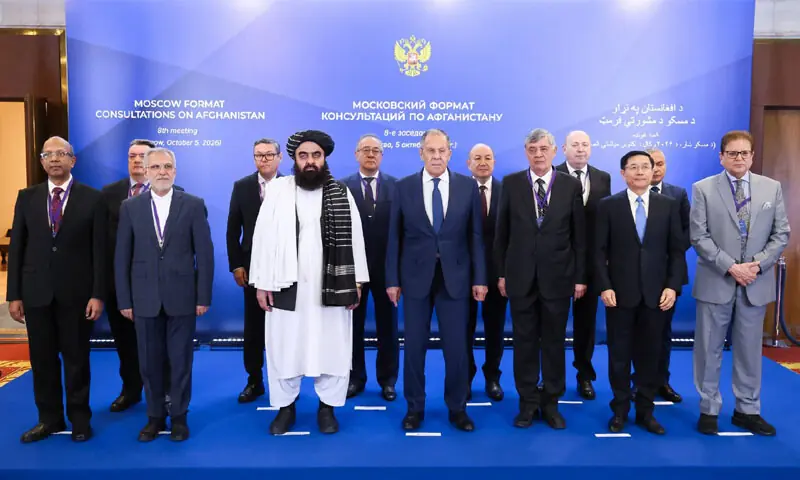
The friction between the two countries, after the Friendship Gate attack, has strangely coincided with the fourth conference of the Moscow Format, conducted in the Russian capital with the participation of special envoys of Russia, Kazakhstan, Tajikistan, Iran, Pakistan, China, Turkmenistan, India, Kyrgyzstan, and Uzbekistan.
Particularly, Ambassador Muhammad Sadiq, Pakistan’s special envoy for Afghanistan, in his address took an uncharacteristically tough stance towards the Afghan Taliban leadership, underscoring Pakistan’s dissatisfaction with the limited progress on certain issues, including the formation of an inclusive political system, protection of women’s rights, or combat against terrorist outfits. Despite these pressing concerns, he made a passionate appeal for providing assistance to millions of Afghans, who he asserted were in desperate need of urgent humanitarian support. The World Food Program has already warned that over half the Afghan population could face a “winter of famine” this year. On top of that, Afghanistan remains isolated from the international banking system and faces serious liquidity challenges. Thus, he called on the international community to find a “new balance” in working with the Afghan authorities and urged them to consider working with them on a “hierarchy of priorities.” He further underlined that countering terrorism and confronting drug trafficking could serve as stepping stones for such cooperation.
Time of Deliverance
In this view, the development can be found in contravention of the Taliban’s persistent assurances that Afghan territory will not be used against any other country, including its neighbors.
Furthermore, the explicit incitement of violence against Pakistan by the Friendship Gate attack perpetrator under the guise of ‘jihad’ without evident fear of arrest indicates either lack of writ or connivance on the part of the Taliban. It is perhaps pertinent to question whether the Sharia, which the Taliban leadership swears by, makes provision for the killing of innocents without repercussions. Unless Afghanistan delivers on its commitments, it will neither earn global recognition nor command respect for the moral high ground it has self-assumed since the takeover of the country.

Your go-to editorial hub for policy perspectives and informed analysis on pressing regional and global issues.