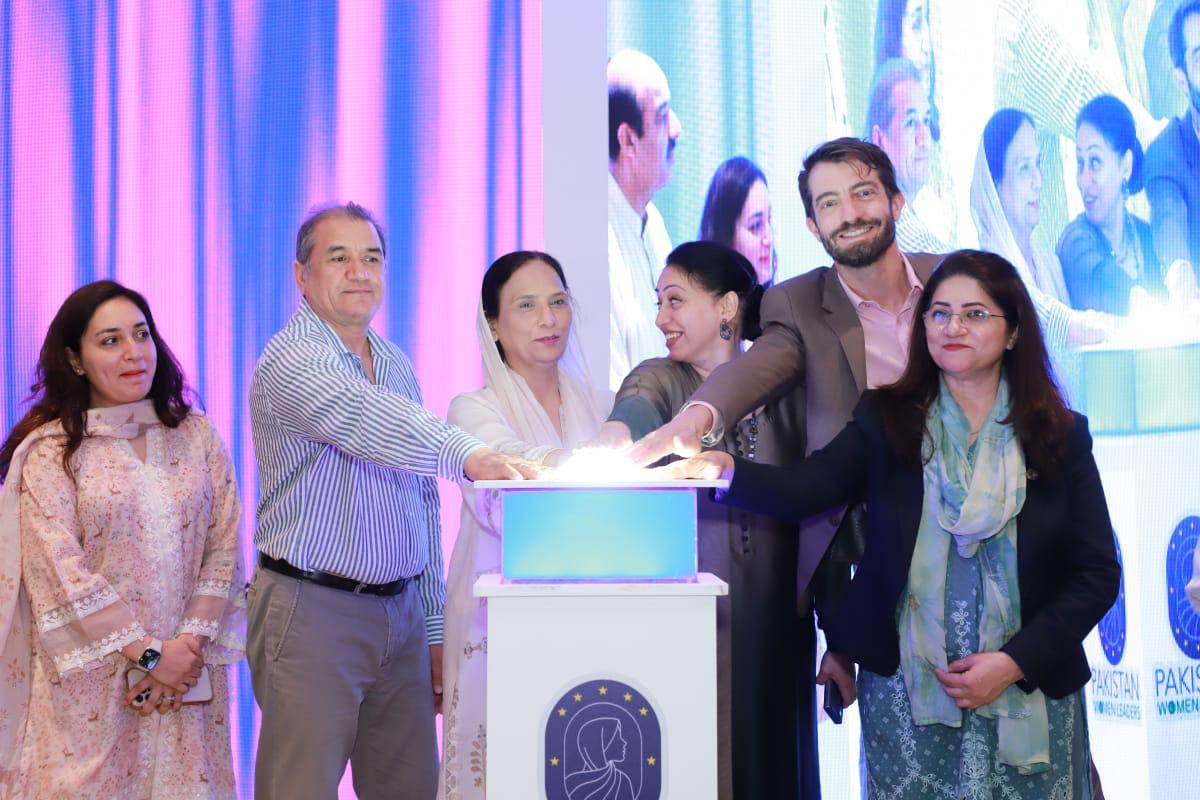
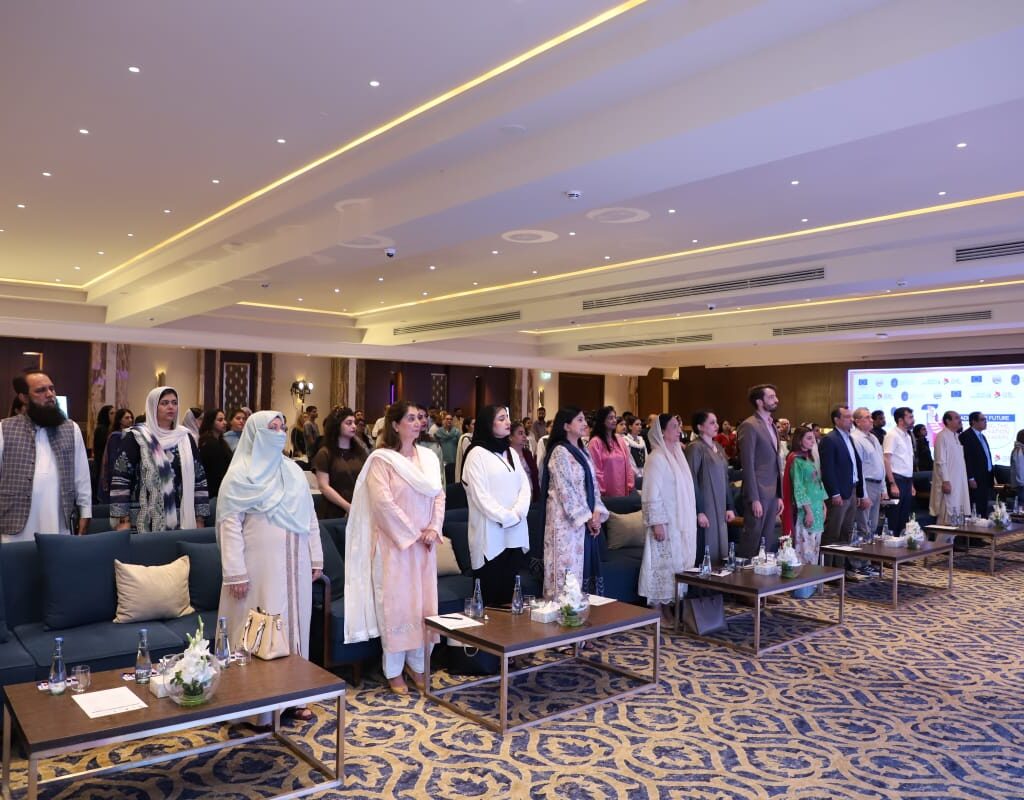
The Pakistan Women Leaders (PWL) project, funded by the European Union and jointly implemented by UN Women and UNDP in partnership with the Trust for Democratic Education and Accountability (TDEA), launched its flagship Mentorship Programme in Islamabad on July 14, 2026, Leading the Future: Empowering Women Through Mentorship in Political Leadership. The launch is a meaningful marker of how far collaboration between Pakistani state institutions and international partners on women’s political inclusion has matured, and a signal of where that collaboration is headed next.
The Scale is Deliberate
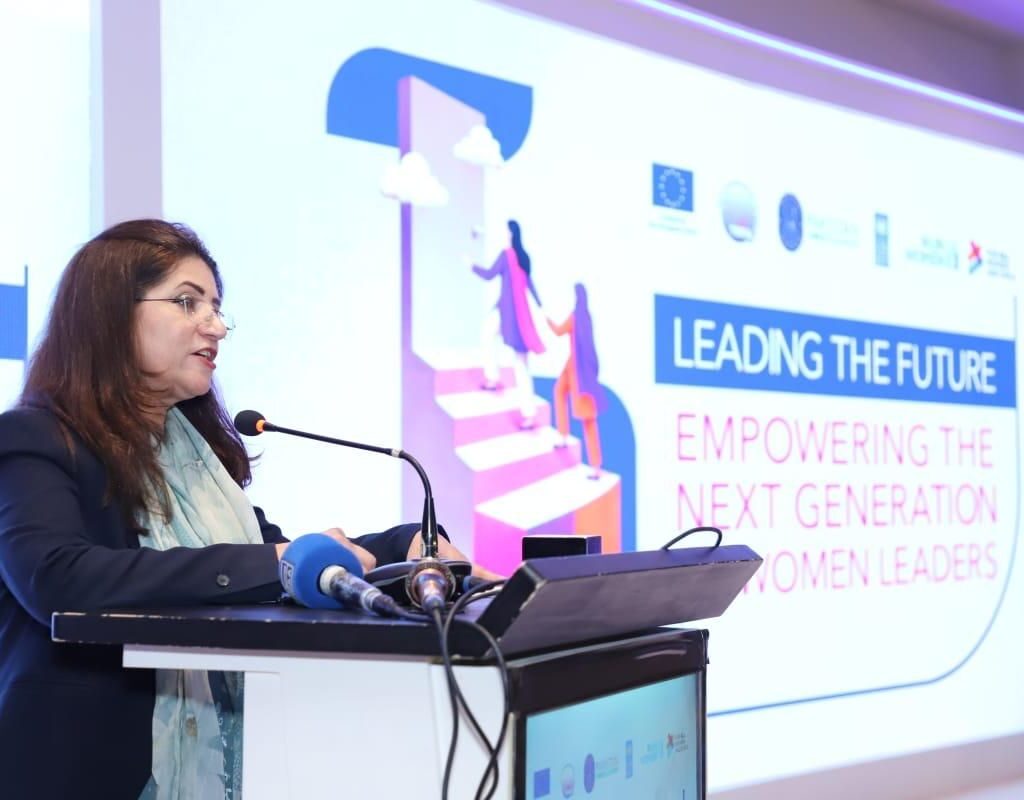
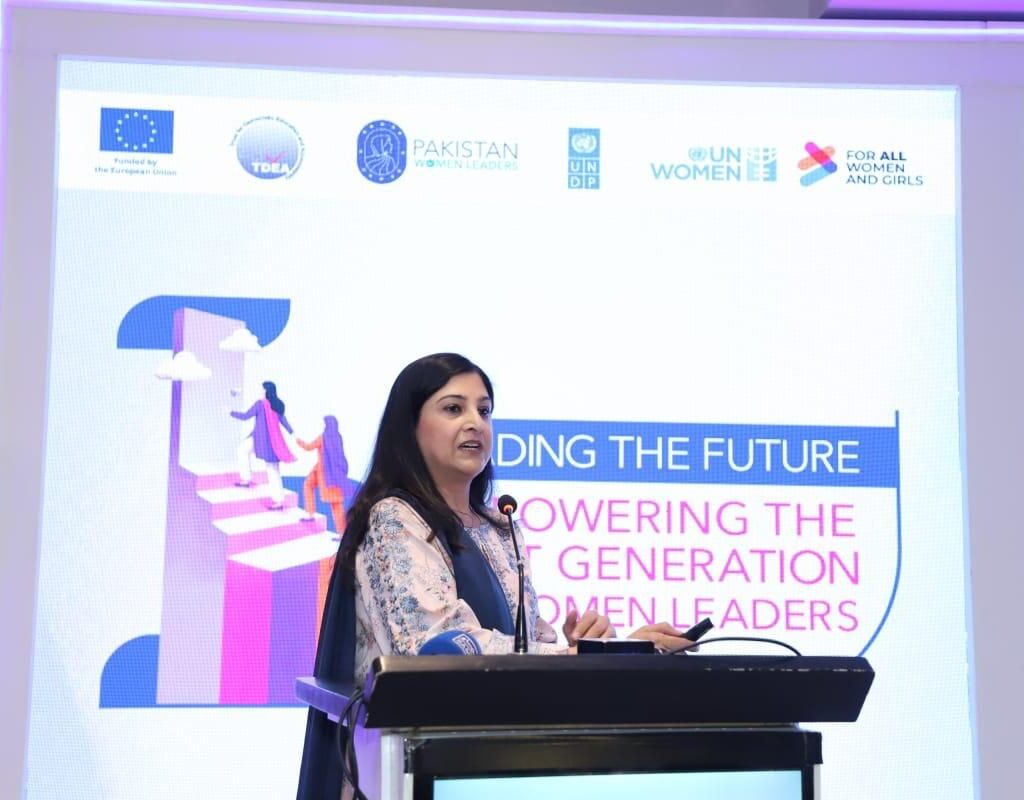
Fahmida Iqbal, UN Women’s Deputy Country Representative, was explicit that this is not a symbolic gesture: over 1,700 aspiring women leaders across 57 districts will pass through leadership bootcamps designed to build knowledge, confidence, and lasting networks. From that cohort, 170 will move into an intensive track of mentorship, peer exchange, and community-action work, paired with women who have already built careers navigating Pakistan’s political institutions. The design, mass outreach funnelling into intensive, sustained investment in a smaller group, is a pipeline model built for scale, and one that reflects a genuinely national ambition: reaching well beyond the major urban centers into 57 districts across the country.
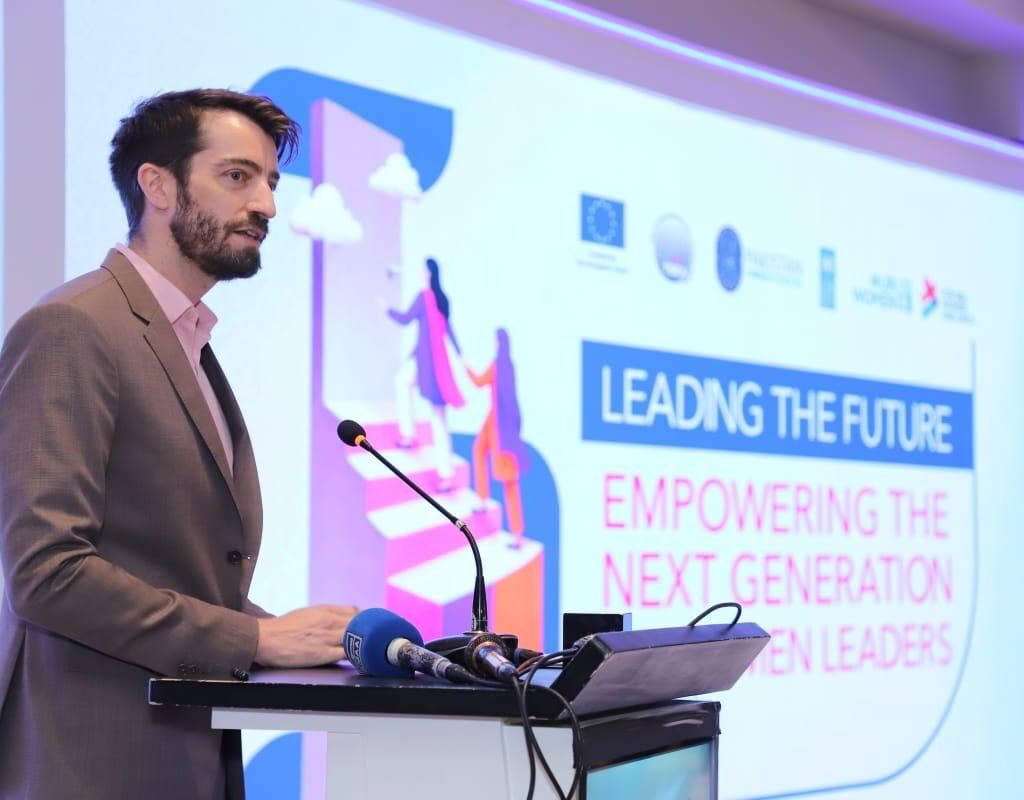
Dr. Sebastien Lorion, Acting Head of Cooperation at the EU Delegation to Pakistan, tied the funding directly to the EU’s governance partnership with Pakistan, framing women’s equal political participation as central to a stronger, more representative democracy.
TDEA’s CEO Shahid Fiaz added that near-parity representation reflects Pakistan’s own demographic reality, women make up roughly half the population, and framed the programme as an investment in the country’s next generation of leadership.
State Ownership is the Story
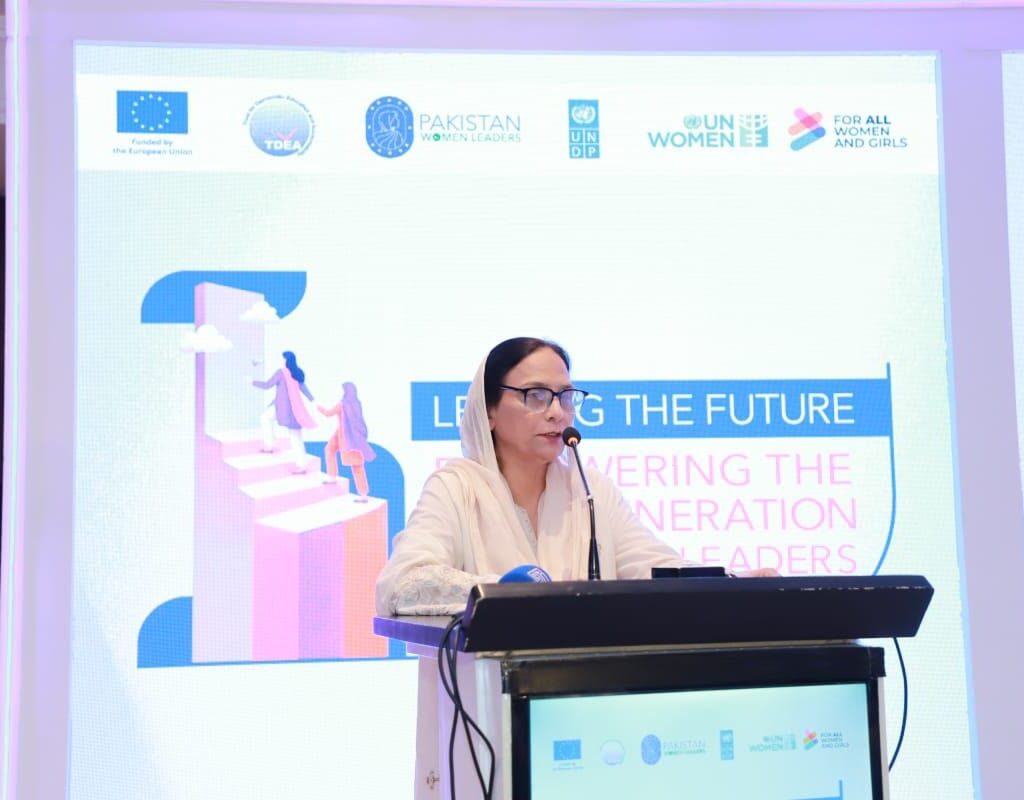
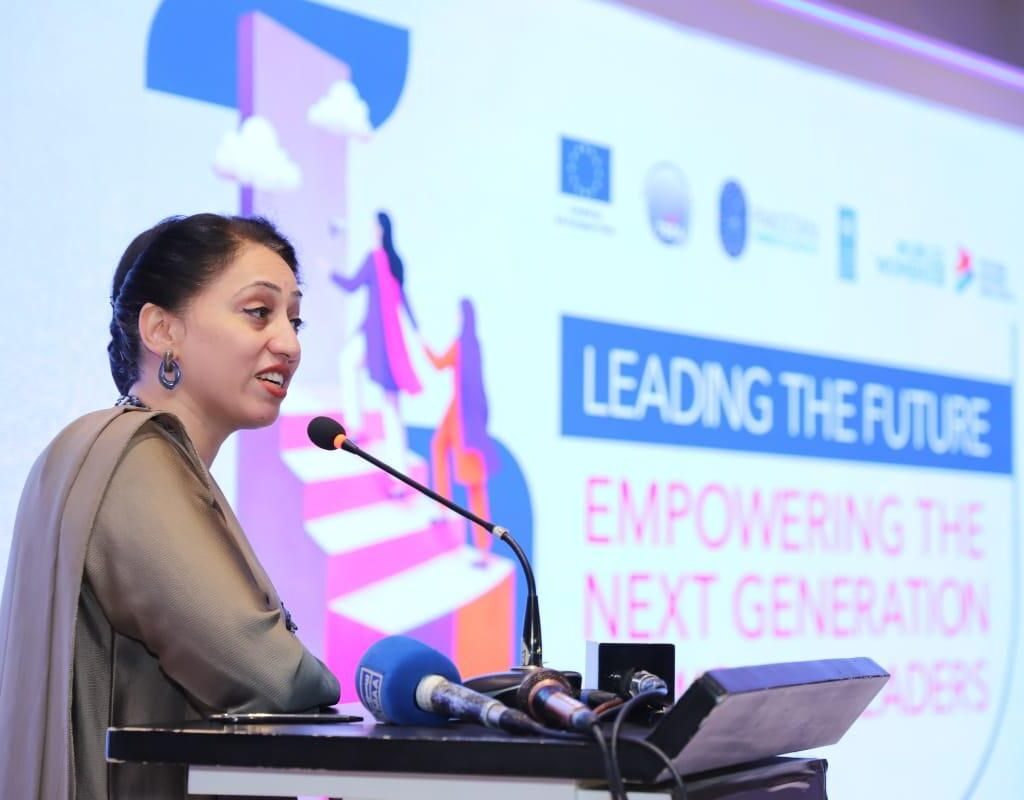
What distinguishes this launch is the level of Pakistani state engagement behind it. Nighat Siddique, Director General for Gender and Social Inclusion at the Election Commission of Pakistan, spoke at the launch and welcomed the programme as building the bridge between the political rights Pakistani women already hold and the structured preparation needed to exercise them fully, converting political aspiration into political preparedness, and political preparedness into public leadership, as she put it.
A regulatory institution of the state actively endorsing and engaging with an internationally funded initiative reflects a deliberate, forward-looking posture. This demonstrates that Pakistan is not merely permitting this kind of programming, it is showing up to help shape it.
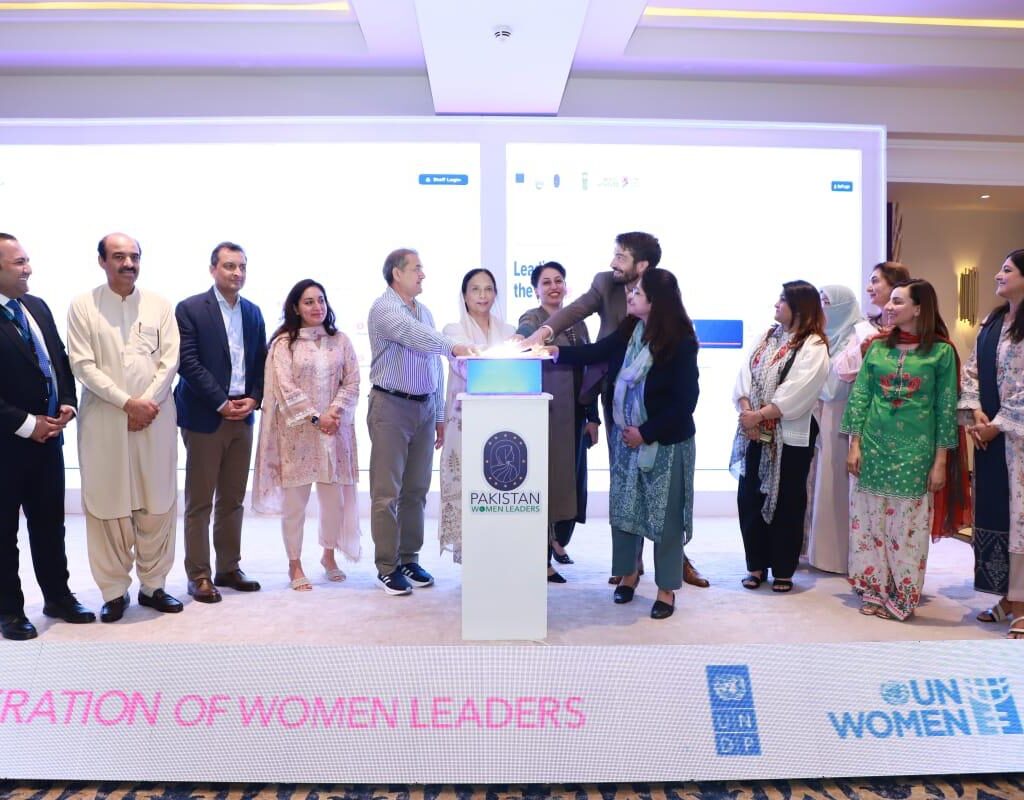
Dr. Shahida Rehmani, Secretary of the Women Parliamentary Caucus, closed the launch addressing the cohort directly, telling them their leadership would be defined by purpose and service. Her presence, alongside sitting parliamentarians and Caucus members, indicates that Pakistan’s own elected women leaders see this as an extension of their work, building the next bench of political talent alongside, not apart from, existing institutions.
Why this Matters
Pakistan has, over successive electoral cycles, steadily expanded formal mechanisms for women’s political representation, from reserved seats to growing party-level engagement. Initiatives like this one build on that trajectory by investing directly in the skills, networks, and confidence that let women translate political rights into sustained public leadership, complementing, rather than substituting for, the institutional mechanisms already in place.
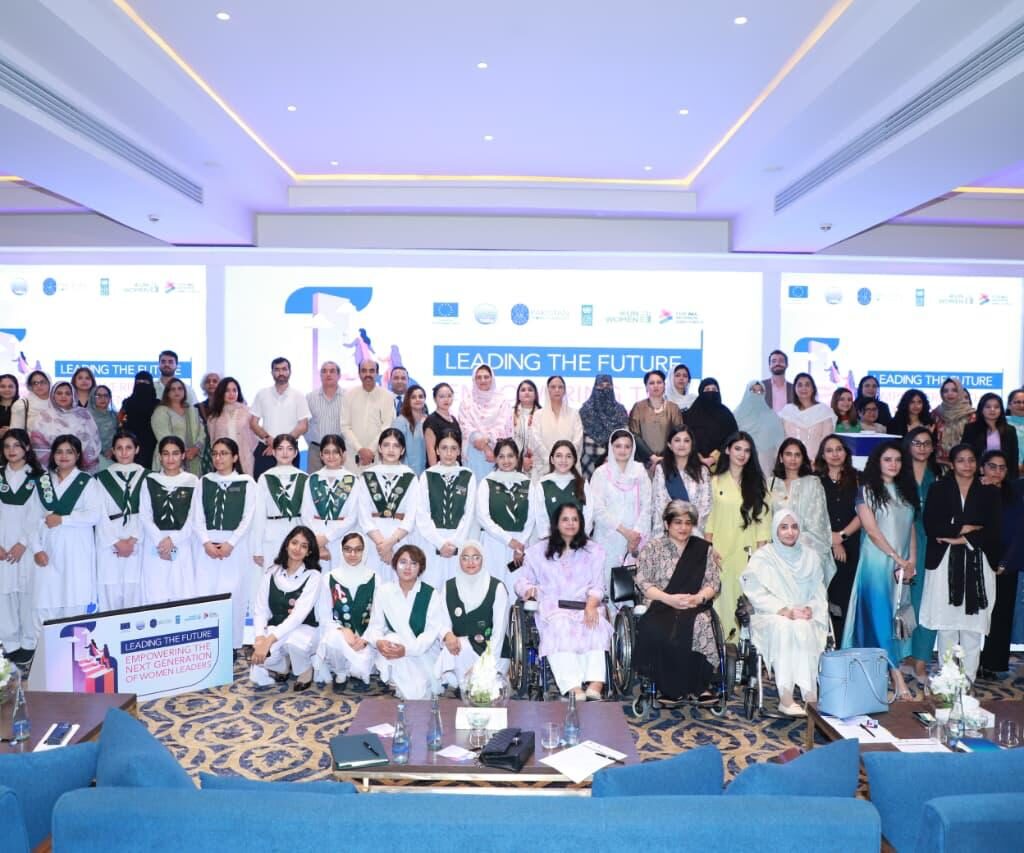
A pipeline reaching 57 districts, with deliberate outreach to religious minorities, women with disabilities, and rural women, extends that inclusion agenda into communities that benefit most from structured support.
The timing is also notable. With local government and the next general election cycle ahead, a cohort of 170 women moving through intensive mentorship now builds a broader bench of prepared, capable candidates, a resource for political parties and institutions alike as they continue widening women’s representation in Pakistan’s political life.
Nominations for the Mentorship Programme are open now. Apply for Pakistan Women Leaders Project here.

SAT Commentaries, a collection of insightful social media threads on current events and social issues, featuring diverse perspectives from various authors.