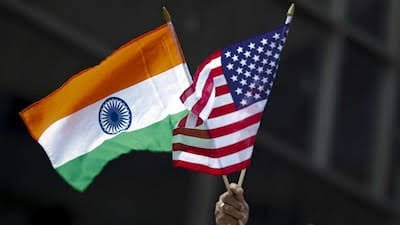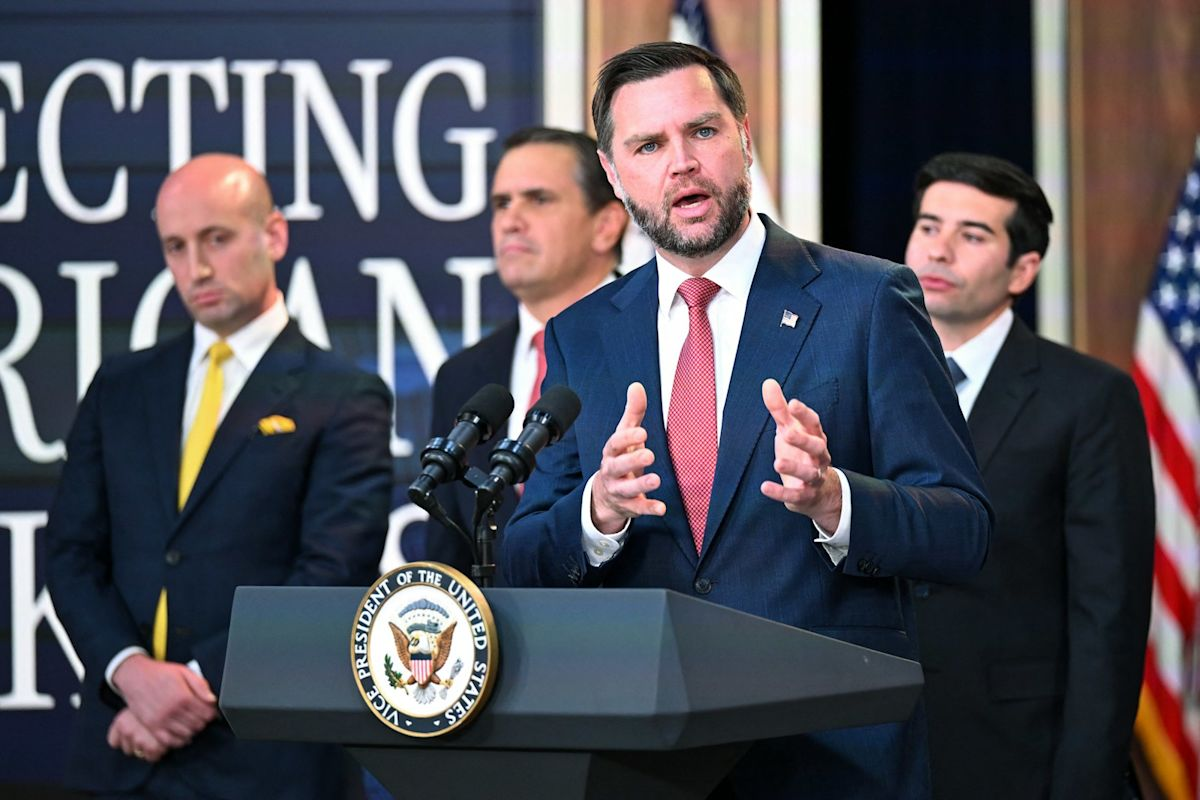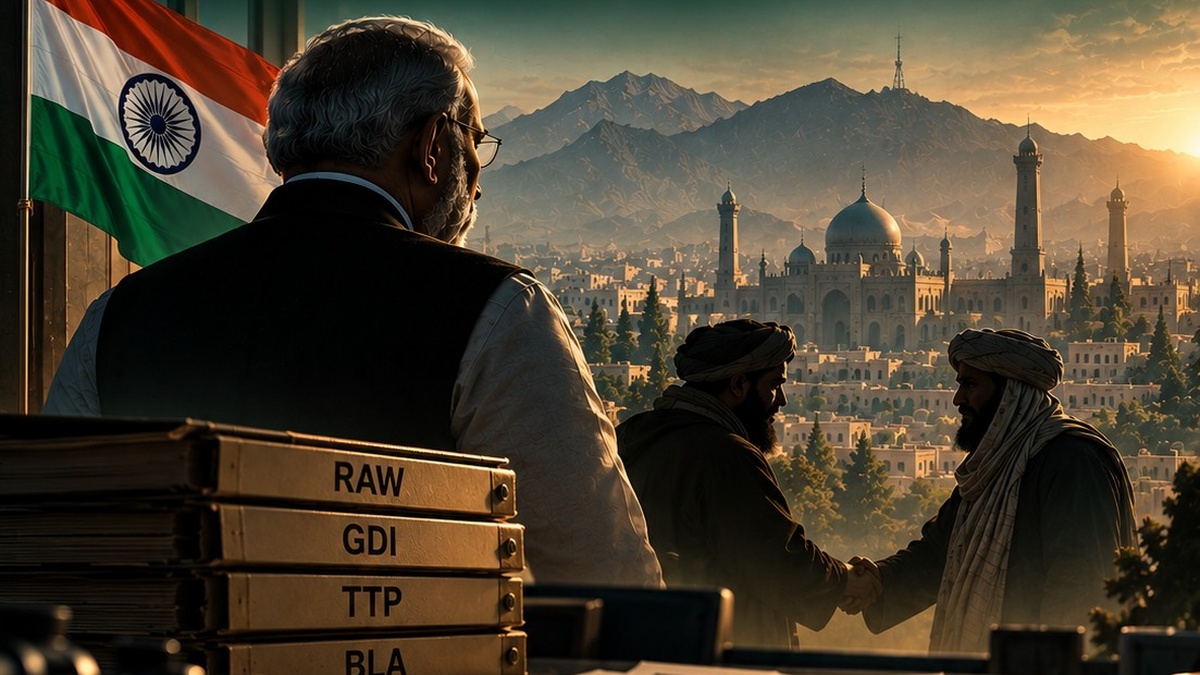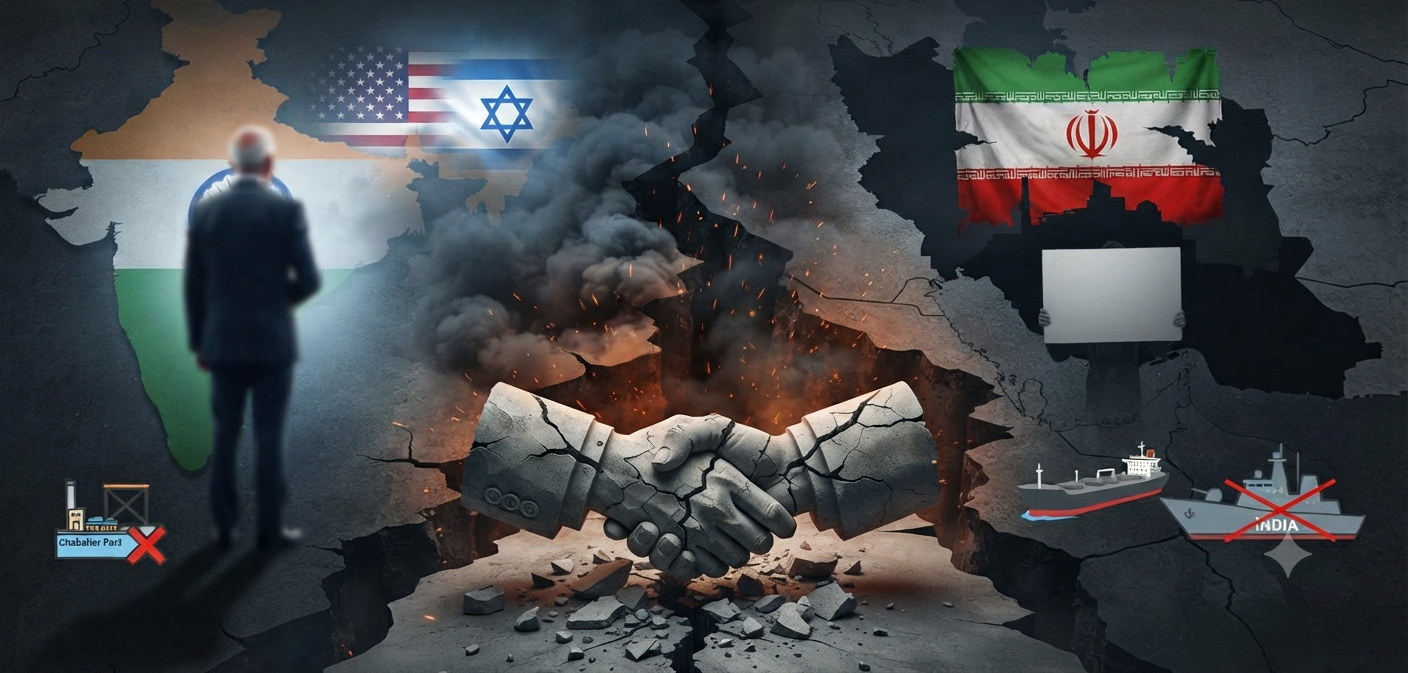
When US and Israel began their war on Iran, the world watched to see how regional powers would position themselves. Iran had complex relationships with its neighbors and regional countries, but one of its few positive ties were with India. Their cooperation on Chabahar and years of mutual diplomatic outreach gave rise to Tehran’s expectation was one of principled neutrality from a long-standing partner.
Instead, India’s conduct during the ensuing war exposed a profound shift: the transformation of a historic friend into an active beneficiary of the US-Israeli campaign against Iran.
The relationship has collapsed into open antagonism. Marked by diplomatic snubs and a media ecosystem that has turned vitriol into a state-sanctioned pastime.
This time, India’s media’s campaign of misinformation regarding Ayatollah Khamanei’s funeral – a highly sensitive and emotional event for the Iranian nation – led to a diplomatic snub from Iran.
The deteriorating relationship between New Delhi and Tehran is fueled by a highly visible and aggressive domestic media campaign. The media’s strategy has relied on a repetitive pattern: the dehumanization of Iranian leadership, the amplification of pro-Israeli narratives, and the direct targeting of Iranian officials with derogatory language.
Figures like Major Gaurav Arya, have used prime-time platforms to openly cheerlead the destruction of Iranian allies in Gaza and Lebanon. These narratives are calculated to strike at the emotional core of the Iranian nation. While official government statements from the Ministry of External Affairs maintain the standard lexicon of “dialogue and diplomacy,” the media outlets provide the “teeth” of the new, hostile policy.
Modi’s absence from the funeral proceedings, despite an invitation from Iran’s President, is a confirmation of the fact that Indian media is saying out loud: that India is a “true friend” of Israel. India has disregarded its geographic and historical ties in pursuit of closer relationship with Iran’s aggressors.
Iran has understood this since the war began. However, it has now shifted from diplomatic patience to calling out India’s positioning. The consistent failure of New Delhi to distance itself from the inflammatory rhetoric permeating its airwaves eventually eroded this patience.
The collapse of the relationship is most tangible in the systematic dismantling of economic and strategic cooperation:
In February 2026, the Indian Coast Guard seized three Iranian-linked oil tankers off the coast of Mumbai. While framed as a “maritime security” operation, it was widely recognized as a move to demonstrate loyalty to Washington’s sanctions regime—a “bend-the-knee” moment that left Tehran questioning India’s integrity.
After years of presenting the Chabahar Port as a cornerstone of regional connectivity, India abruptly reduced its funding to zero in the 2026-27 budget. This effectively abandoned a project central to its own long-term interests, sacrificing regional independence to appease external pressures.
Bilateral trade, once a promising avenue for cooperation, has plummeted to just $1.68 billion, confirming that the “strategic partnership” was little more than a fragile arrangement that vanished the moment New Delhi felt the heat from its Western allies.

SAT Commentaries, a collection of insightful social media threads on current events and social issues, featuring diverse perspectives from various authors.