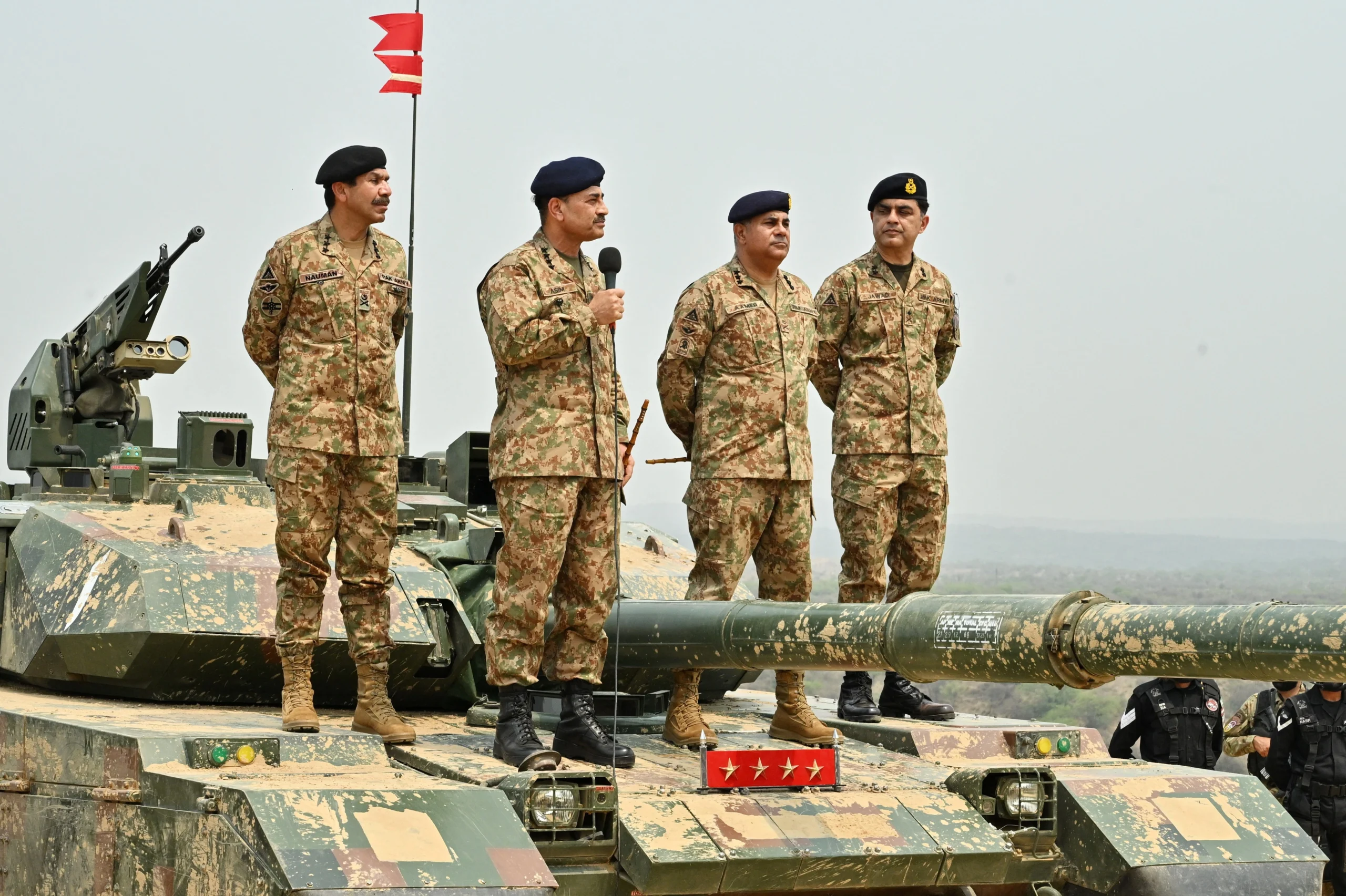
Dr. Tughral Yamin, a retired Brigadier and scholar, while talking with SAT, gave insights on the complex dynamics of South Asian security the effectiveness of Pakistan’s deterrence and the nation’s emerging role as a regional mediator.
The Pattern of “False Flag” Operations
Dr. Yamin began by highlighting a recurring trend where India blames Pakistan and the ISI for any internal security incident without providing proof. He specifically pointed to the Pahalgam incident, describing it as a “false flag” operation designed for political gain ahead of Indian elections. He argued that because Pahalgam is deep within occupied Kashmir and highly guarded, any infiltration would represent a massive Indian security and intelligence failure, as the border is heavily monitored with radars and barbed wire.
The Reality of Nuclear Deterrence
Dr. Yamin emphasized that Pakistan is a “nuclear power” with a highly organized army, unlike other conflict zones such as Gaza. He explained that while the US and USSR had a long “escalation ladder” of 44 steps during the Cold War, the ladder between Pakistan and India is much shorter any small conflict can rapidly move toward a nuclear confrontation. He noted that India backed down within four days after losing several aircraft, proving that Pakistan’s military morale and training provide a crushing response to external aggression.
Deterrence Vs Retaliation
Addressing whether Pakistan’s delayed retaliation via “Operation Bunyan-un- Masoos” was a failure of deterrence, Dr. Yamin clarified that a “knee-jerk reaction” is dangerous in warfare. Instead, military leaders must use “calculated responses” based on pre-prepared contingency plans in war rooms. He asserted that deterrence is not failed if a war is successfully ended within four days rather, it is intact.
Water as a Weapon of War
A critical threat discussed was India’s use of water as a strategic weapon by threatening the suspension of the Indus Water Treaty. Dr. Yamin stated that while Pakistan has sought legal recourse through the International Court of Justice (ICJ), these forums often lack enforcement mechanisms. He warned that Pakistan considers the blocking of its water an “act of war”. As a countermeasure, he suggested that Pakistan could retaliate by blocking their oil supplies or maintaining the closure of air corridors.
Pakistan as a “Net Security Provider”
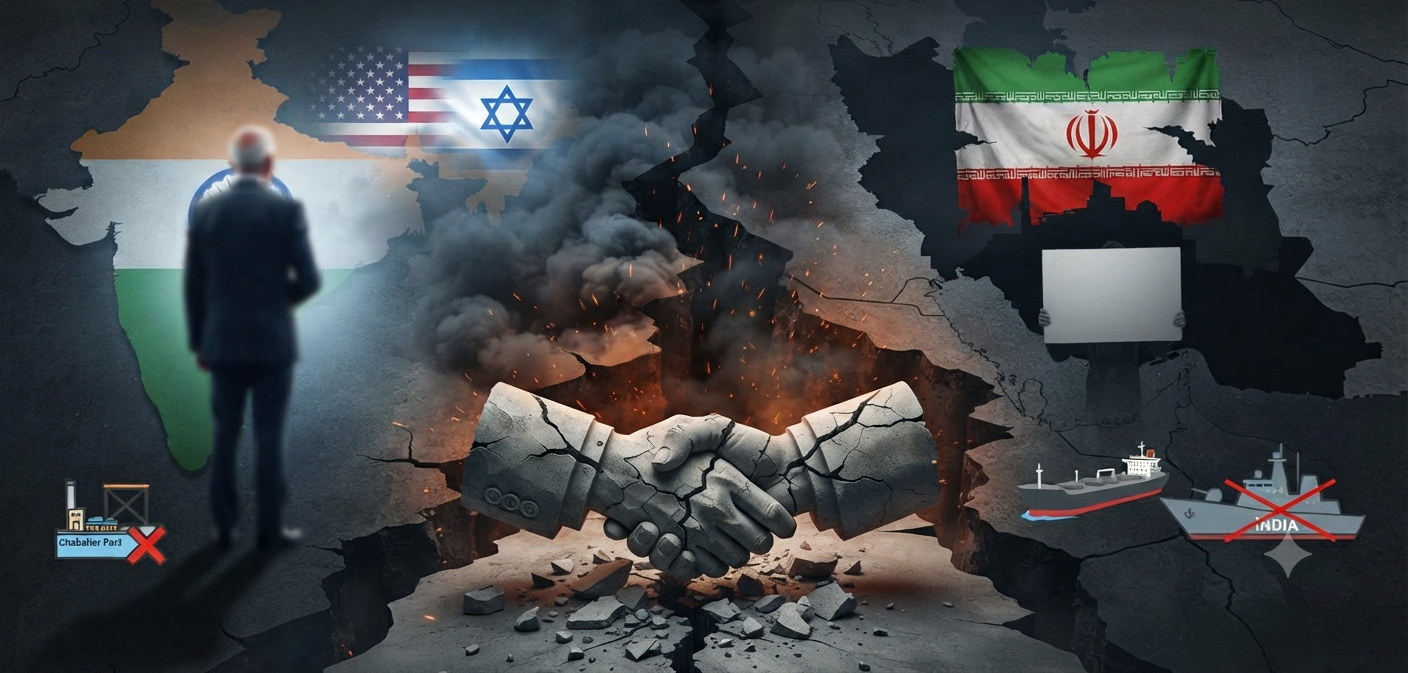
Dr. Yamin highlighted a major diplomatic victory. Pakistan’s role as a “Net Security Provider” and peace broker between the US and Iran. While India attempted to isolate Pakistan internationally, the world instead turned to Islamabad to de-escalate tensions in the Strait of Hormuz. This role facilitated a conducive environment for dialogue that many Western powers were unable to create.
Shifting Alliances and Credibility
The interview concluded with an analysis of Pakistan’s strengthening ties with Gulf nations, including defense pacts with Saudi Arabia and Qatar. Dr. Yamin noted that these countries have realized they can rely on Pakistan more than the United States, as Pakistan remains a “credible” partner that does not betray its allies. He viewed the Islamabad talks between the US and Iran as a historic breakthrough. He maintained that once a ceasefire is initiated, restarting a war becomes difficult because both sides work to fortify the weaknesses exposed during the conflict.