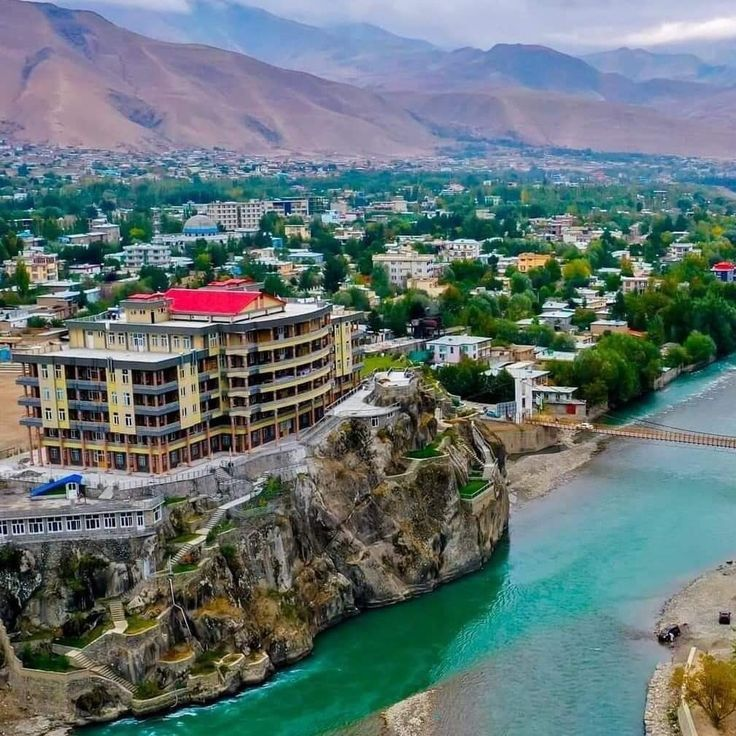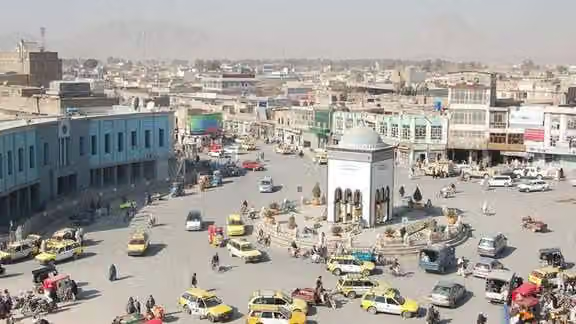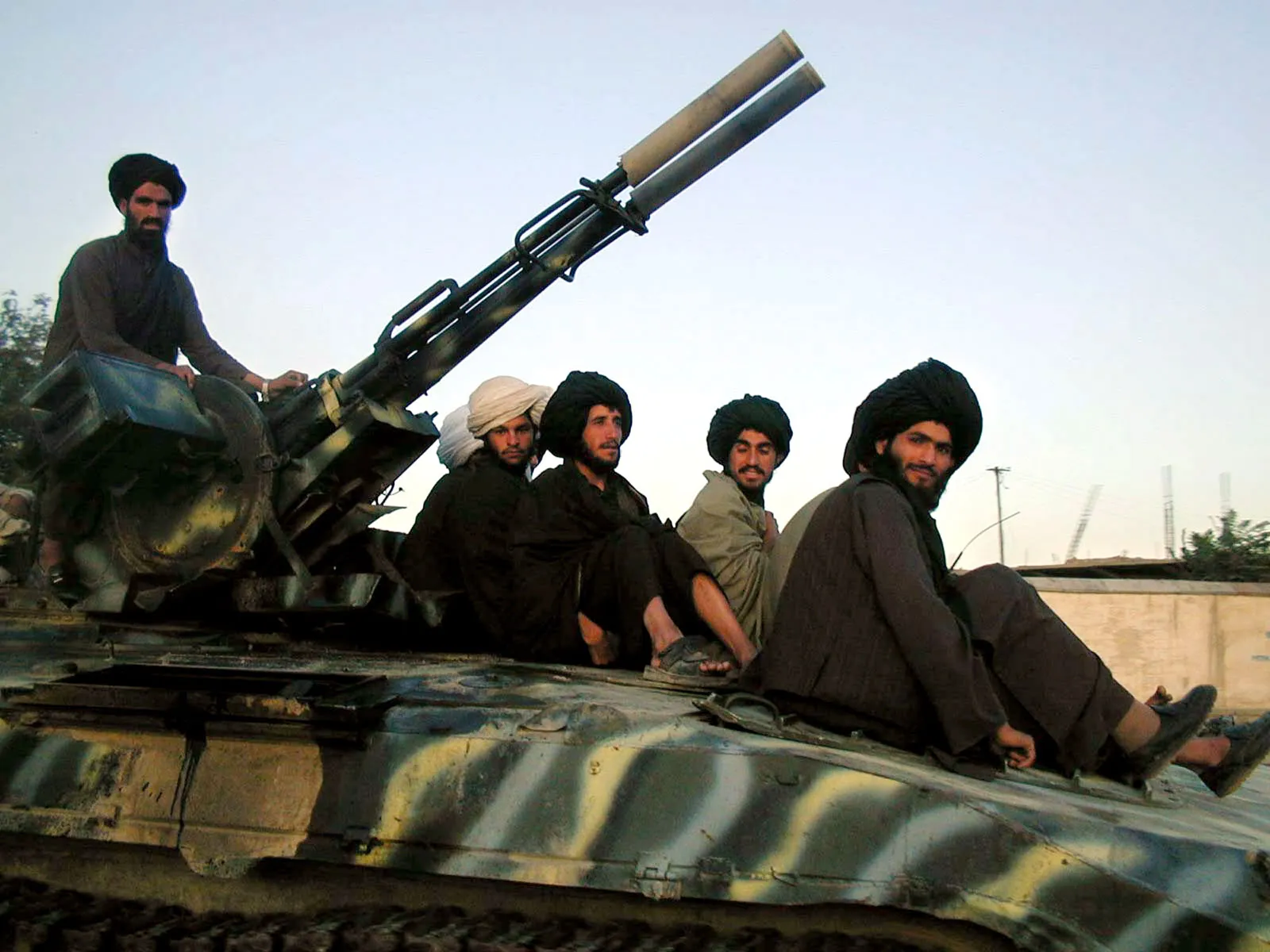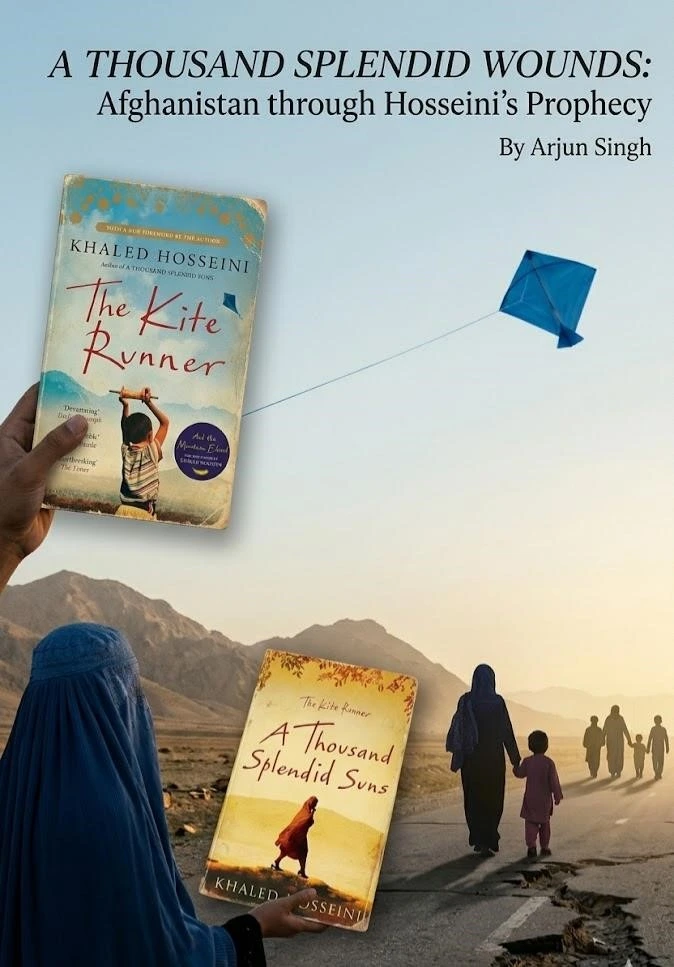
Afghanistan has long been described as the “graveyard of empires,” a phrase that has been inscribed into its history through decades of invasion, conflict, and political upheaval. Few works capture this tragic trajectory as powerfully as Khaled Hosseini’s The Kite Runner and A Thousand Splendid Suns, where personal stories unfold against the backdrop of a nation in perpetual turmoil. Through deeply human narratives, Hosseini chronicles Afghanistan’s descent from the Soviet occupation of the 1980s to the Mujahideen-led civil war of the 1990s, culminating in the rise of the Taliban and the transformation of the country into a fractured and dystopian landscape between 1996 and 2001.
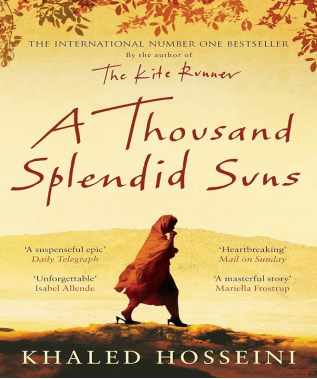
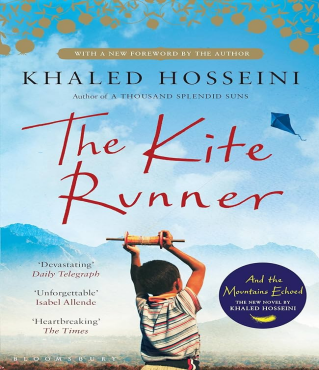
Though written as reflections on Afghanistan’s troubled past, Hosseini’s novels now read less like memories and more like grim prophecies. The suffering, fear, displacement, and quiet resilience embodied by characters such as Amir, Hassan, Mariam, and Laila are no longer confined to fiction; they mirror the lived reality of millions of Afghans today. In many ways, the themes woven throughout The Kite Runner and A Thousand Splendid Suns remain painfully relevant in 2026, as Afghanistan once again grapples with repression, humanitarian crisis, and the erosion of hope under the Taliban rule.
The Burden of Being Hazara
When the Taliban first entered Kabul in 1996, many Afghans, exhausted by years of conflict following the Soviet occupation and the subsequent civil war, viewed their rise as a possible end to chaos and bloodshed. That hope, however, quickly gave way to fear and repression for large segments of Afghan society. Khaled Hosseini captures this painful reality through the fate of Hassan in The Kite Runner, where he and his wife, Farzana, were killed by Taliban officials, leaving their son Sohrab orphaned. Though fictional, the tragedy reflects the insecurity and vulnerability that many Hazaras have historically experienced in Afghanistan.
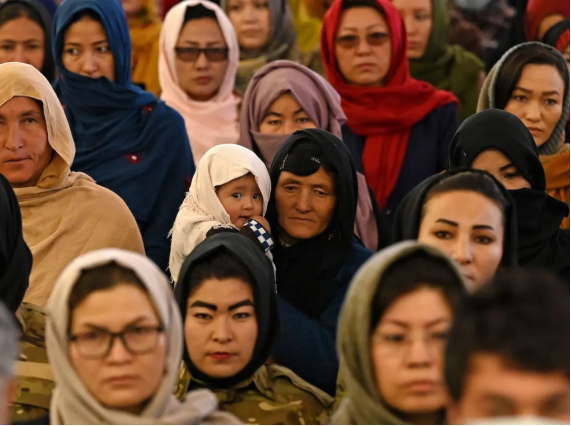
A Hazara woman holds her child as she attends an event on International Women’s Day in Bamiyan province, Afghanistan, on March 8
Beyond literature, concerns surrounding the treatment of the Hazara community continue to persist in contemporary Afghanistan. In Bamyan province, reports have documented the displacement of Hazara-majority communities amid land disputes and local power struggles, including cases where land was reassigned to others, among them Kuchi nomadic groups. A July 2025 Human Rights Watch citation of UN findings highlighted the forced displacement of nearly 25 Hazara families from Rashk village in Bamyan. Similarly, reports released in early 2026 raised concerns over continued restrictions, discrimination, and insecurity faced by ethnic and religious minorities, particularly Shia Hazaras, while calling for greater international attention and protection for vulnerable communities.
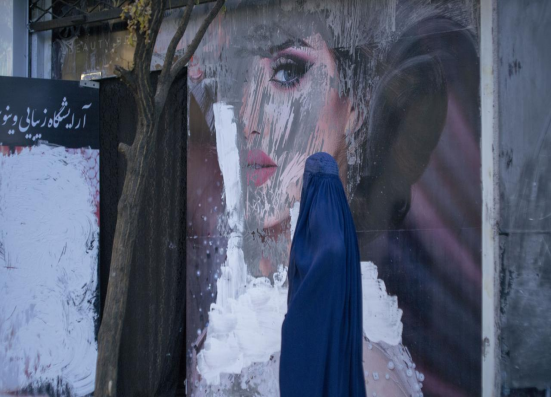
Nang-o-Namoos: The Women of Afghanistan
If The Kite Runner exposes the ethnic and social fractures of Afghan society, A Thousand Splendid Suns lays bare another enduring tragedy: the suffering of Afghan women under deeply entrenched patriarchal structures and authoritarian rule of the Taliban. The concepts of nang and namoos, honour and the protection of female modesty, have long occupied a central place in the social fabric of the region. Under the Taliban’s rigid interpretation of governance, however, these notions have often translated into severe restrictions on the autonomy and freedoms of women.
Since returning to power in 2021, the Taliban administration has imposed sweeping curbs on the lives of Afghan women and girls. Secondary and higher education for girls remains banned, women have been pushed out of most forms of public employment, and strict limitations continue to govern their mobility, healthcare access, and participation in public life. Reports emerging through 2025 and 2026 have further raised concerns regarding punitive regulations targeting women who challenge male guardianship norms or social restrictions imposed by local authorities. According to reporting by The Guardian, several Afghan women were publicly flogged on accusations of so-called “moral crimes,” underscoring the climate of fear and coercion surrounding women’s rights in the country.
Human rights organisations have also voiced alarm over the weakening of legal protections against domestic abuse. Critics argue that the absence of meaningful safeguards has normalised violence within the household, leaving many women with little recourse against abuse. In many ways, this grim reality echoes the world portrayed by Hosseini in A Thousand Splendid Suns.
One of the novel’s most haunting scenes depicts Rasheed violently assaulting both Mariam and Laila, beating Mariam mercilessly before turning his rage on Laila and confining her in darkness. Hosseini’s account was intended to portray the brutality many Afghan women silently endured behind closed doors. Yet, disturbingly, such scenes no longer feel confined to fiction. For countless Afghan women today, the fear, isolation, and powerlessness experienced by Mariam and Laila remain painfully familiar realities.
The Silence of Complicity
One of the most powerful themes running through The Kite Runner is not merely violence, but the burden of silence in the face of violence. Hosseini masterfully portrays Amir’s lifelong guilt after he witnesses Hassan’s assault yet fails to intervene, paralysed by fear and self-preservation. It is this silent complicity, the choice to look away while injustice unfolds, that haunts Amir far more than the event itself.
In many ways, that same moral unease should resonate far beyond the pages of fiction. The international community, despite repeated condemnations and declarations of concern, has largely struggled to translate rhetoric into meaningful action regarding Afghanistan’s humanitarian and human rights crisis. The United Nations Security Council has issued statements expressing alarm over the erosion of women’s rights and the broader repression taking place under Taliban rule, yet critics argue that these responses have remained largely symbolic. More than 200 decrees restricting the freedoms of women and girls have emerged since the Taliban’s return to power, while the global response has often been confined to reports, resolutions, and diplomatic caution.
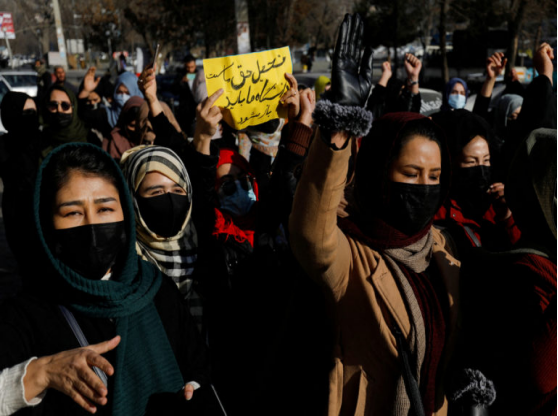
Although the International Criminal Court reportedly moved toward arrest warrants for senior Taliban figures in 2025, questions surrounding implementation and enforcement continue to linger. At the same time, several states have gradually reopened diplomatic channels or expanded engagement with the Taliban administration in pursuit of regional stability and strategic interests. For many Afghans, particularly women and minority communities, such developments reinforce the perception that geopolitical calculations frequently outweigh humanitarian concerns.
Hosseini’s novels remind readers that silence in the face of suffering is never neutral. Like Amir standing in the alleyway, the world today risks becoming a passive witness to a tragedy it acknowledges, condemns, yet ultimately allows to continue.
The Refugee Who Cannot Go Home
In A Thousand Splendid Suns, Laila eventually escapes. After years of war, loss, and domestic brutality, she crosses into Pakistan alongside Tariq, the man she loved before conflict shattered the life they once imagined together. For a fleeting moment, Hosseini offers her something Afghanistan had long denied: the possibility of living rather than merely surviving. Yet even this escape is bittersweet. In Hosseini’s world, exile is not liberation in the fullest sense; it is simply the last refuge available to those whom war has stripped of home, security, and belonging.
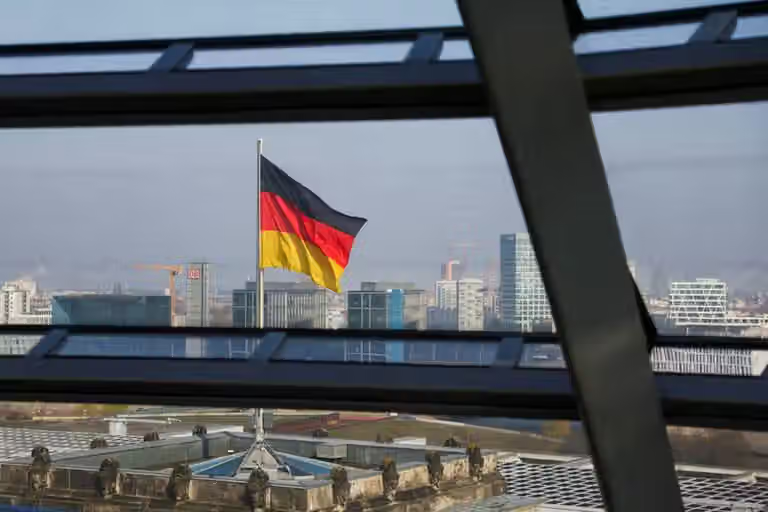
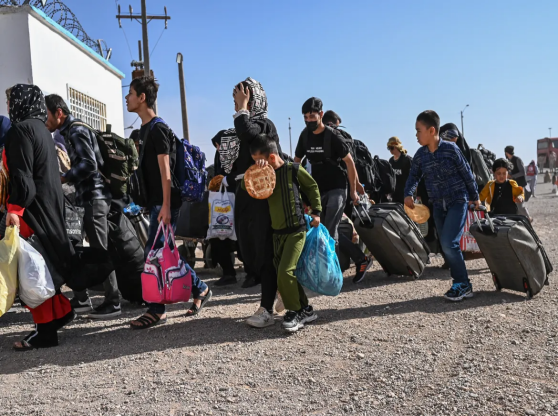
That painful reality has become increasingly visible in contemporary Afghanistan. In 2025 alone, Iran and Pakistan, countries that for decades hosted millions of displaced Afghans, have reportedly facilitated the return of nearly 2.8 million Afghans amid mounting economic pressures and security concerns. Across the broader international landscape, pathways to refuge have become increasingly narrow. The United States ended Temporary Protected Status for many Afghan nationals in 2025, while several European states, including Germany, resumed deportations to Afghanistan despite persistent concerns raised by humanitarian organisations regarding safety and human rights conditions.
Women and children constituted a significant portion of those returned, many arriving in a country where opportunities for education, employment, and public participation for women remain severely restricted. The tragedy lies not merely in displacement itself, but in the absence of any meaningful alternative. Much like Laila, countless Afghan women sought escape not only for themselves, but for the future of their children, hoping to spare them the cycles of violence, repression, and despair that defined previous generations.
It is here that Hosseini’s fiction becomes almost indistinguishable from reality. The women who leave Afghanistan today are not chasing prosperity or ambition in the conventional sense; many are simply searching for the basic right to exist with dignity. And yet, as borders harden and asylum spaces shrink, many find themselves returned to the very conditions they once risked everything to flee. In a tragic irony, the world appears to be sending countless real-life Lailas back into the pages of Hosseini’s novels, back into a landscape he had already warned the world about decades ago.
Conclusion
Khaled Hosseini’s novels were written as works of fiction rooted in Afghanistan’s turbulent past, yet in 2026, they can be read as an unsettling force of contemporary reportage. The shattered innocence of Hassan, the silent endurance of Mariam, the desperation of Laila, and the haunted guilt of Amir no longer belong solely to literature; they echo through the lived experiences of millions of Afghans navigating repression, displacement, violence, and abandonment today under the rule of the Afghan Taliban.
What makes The Kite Runner and A Thousand Splendid Suns so enduring is not merely their portrayal of war, but their understanding of what prolonged conflict does to the human spirit. Hosseini shows how societies fractured by extremism, patriarchy, ethnic division, and foreign intervention eventually produce generations raised not with dreams of prosperity, but with the simple hope of survival. Afghanistan’s tragedy, therefore, is not confined to battlefields or political transitions alone. It lies in the slow normalisation of suffering, in children growing up amidst fear, women being denied personhood, minorities living under perpetual insecurity, and refugees discovering that even exile offers no certainty of refuge.
Equally troubling is the gradual indifference with which the world now observes Afghanistan. Outrage has faded into routine statements, humanitarian concern into diplomatic calculation, and moral responsibility into geopolitical fatigue. The danger of such indifference is precisely what Hosseini’s works warn against: the silence of those who witness suffering yet convince themselves that looking away absolves them of responsibility.
And yet, despite everything, Hosseini never entirely abandons hope. His novels suggest that even in societies consumed by violence, fragments of humanity endure through memory, compassion, sacrifice, and the refusal to surrender one’s conscience completely. It is perhaps in this spirit that the most memorable line from The Kite Runner, “For you, a thousand times over,” acquires a meaning far beyond friendship or personal loyalty. In the context of Afghanistan today, it becomes a reminder of the empathy, solidarity, and moral responsibility the world owes to a people who have endured decades of suffering yet continue to struggle for dignity and survival.
Afghanistan may remain scarred by war and political upheaval, but behind every statistic still exists a Hassan, a Mariam, a Laila, or a Sohrab, ordinary people searching not for heroism, but simply for safety, humanity, and the chance to live without fear.