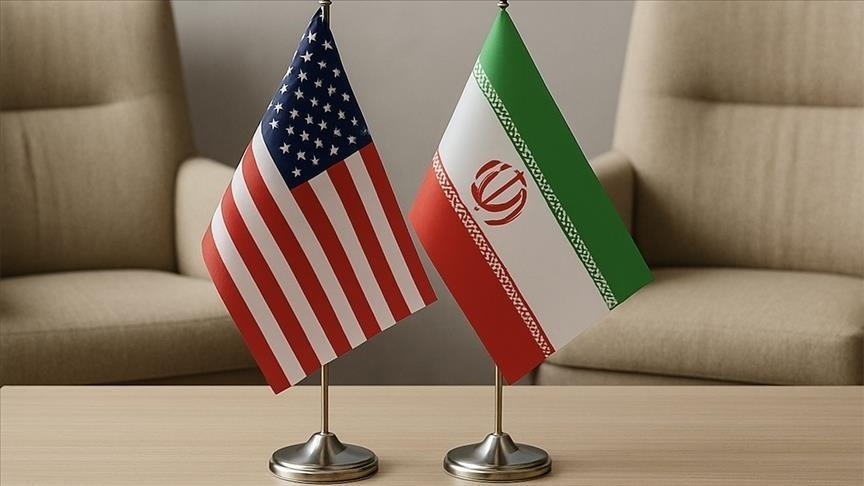
Islamabad is once again in the news headlines, as it is expected to host the second round of the consequential negotiations between the United States and Iran, aimed at halting a war whose repercussions are already reverberating far beyond the immediate theatre of conflict. Yet, less than 48 hours before a fragile ceasefire is set to expire, that opportunity now hangs in the balance.
In recent days, tensions have escalated once again between the two nations. Tehran has signalled that it has no intention of dispatching negotiators to Islamabad. The reasons cited by Iran reflect a deepening mistrust. Esmaeil Baghaei stated on Monday that Washington had “violated the ceasefire from the beginning of its implementation,” pointing specifically to the United States’ naval blockade of the Strait of Hormuz since April 13 and the reported seizure of an Iranian container vessel. For Tehran, these actions constitute not only breaches of the truce but also violations of international law, charges that, whether contested or substantiated, have negatively impacted the already thin basis for engagement.
This hardening of positions is not confined to official statements alone. The rhetoric emanating from influential quarters within Iran has grown markedly more confrontational. A member of the Iranian parliament’s national security and foreign policy committee recently invoked the doctrine of Qisas—retributive justice—declaring that Iran would retaliate against any American it captures. Such pronouncements, laden with both symbolic and strategic weight, signal a diminishing appetite for compromise and amplify the risks of further escalation.
Against this backdrop, Pakistan’s role as a facilitator has become both more challenging and more consequential. Officials in Islamabad have expressed hope that both sides can still be brought back to the negotiating table. Yet even they acknowledge that the deteriorating environment can potentially cast a shadow over the prospects of meaningful dialogue.
Should negotiations collapse, the consequences would extend far beyond a diplomatic setback. The Strait of Hormuz, through which a significant proportion of the world’s oil supply transits, has already emerged as a focal point of disruption. The restriction of this critical chokepoint has sent global energy markets into turmoil, with fuel prices surging and inflationary pressures intensifying across economies. A prolonged impasse, or worse, a resumption of hostilities, could push an already fragile global economy toward recession, with disproportionate impacts on energy-importing and developing countries.
The environmental costs of renewed conflict are equally alarming, though often underappreciated. Warfare, by and large, is an inherently carbon-intensive enterprise, and in a region already warming at a rate faster than the global average, the cumulative effects could be severe. Increased greenhouse gas emissions, combined with existing anthropogenic pressures, risk accelerating a cascade of climate-related challenges across the Middle East, ranging from extreme heatwaves and prolonged droughts to ecological degradation and water scarcity. These dynamics, in turn, are likely to exacerbate public health crises and trigger new waves of displacement, adding further strain to an already volatile region.
The stakes are simply too high for continued brinkmanship. For the greater good of humanity, both Washington and Tehran must step back from the precipice and give diplomacy a genuine chance. The immediate, non-negotiable first step must be a mutual agreement to extend the current two-week ceasefire before the 48-hour clock runs out. This vital breathing room is necessary to de-escalate military posturing and allow mediators to salvage the Islamabad summit.
In the long term, both nations must commit to the arduous but essential task of resolving their outstanding grievances through sustained dialogue. The alternative, a global economic crash paired with an accelerated environmental catastrophe, is a price the world cannot afford to pay.

Your go-to editorial hub for policy perspectives and informed analysis on pressing regional and global issues.