The United States’ decision to impose a naval blockade on maritime traffic entering and leaving Iranian ports, and particularly the Strait of Hormuz, marks another significant event in the US-Israel War that began on 28 February and is presently under a fragile two-week truce, which was brokered by Pakistan. The blockade was announced by President Donald Trump via social media. The move reflects Washington’s growing frustration with stalled negotiations and Tehran’s continued use of the Strait of Hormuz as a strategic lever in the war.
To understand how such a blockade would manifest in practice, it is necessary to turn to its operational definition laid in the US Navy Commander’s Handbook on Naval Operations Law (2022). According to the book, a blockade is a belligerent act aimed at preventing all vessels, neutral and enemy alike, from accessing specified coastal areas under an adversary’s control. In practical terms, this implies a sustained naval presence designed not merely for deterrence but for active enforcement. It was in line with this definition that US Central Command (CENTCOM) has indicated that the blockade will extend across the entirety of Iran’s coastline, encompassing its ports and oil terminals, and will apply indiscriminately to vessels of all flags.
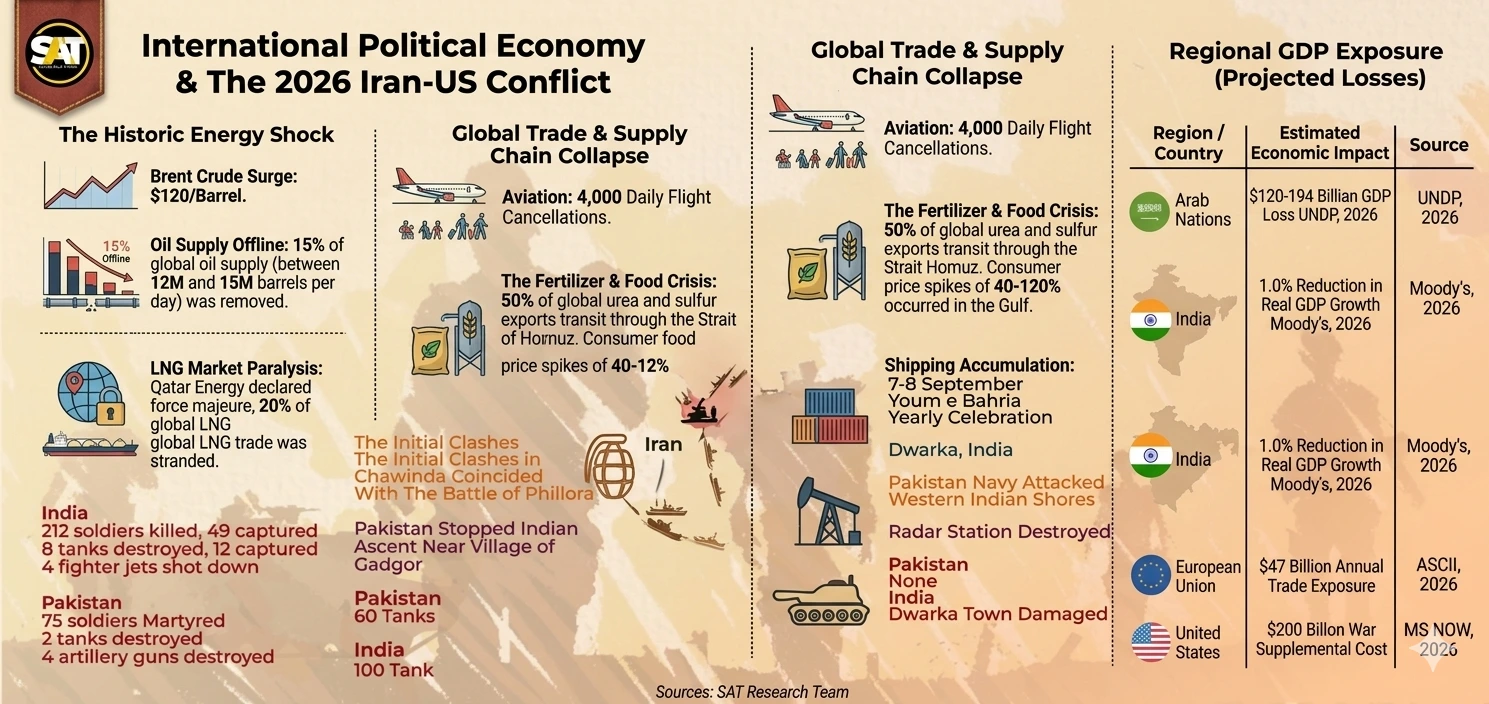
The US’ decision to impose the blockade is largely shaped by the evolving trajectory of the conflict, particularly Iran’s calculated use of the Strait of Hormuz as a strategic instrument. Due to its narrow geography, the strait remains one of the world’s most vital maritime chokepoints, historically enabling the passage of nearly 20 per cent of global oil and gas supplies. During the ongoing war, Tehran has capitalised on this advantage by intermittently restricting maritime traffic, thereby heightening uncertainty in global energy markets and driving up oil and gas prices. In certain instances, reports indicate that Iran has also levied exorbitant transit fees on vessels seeking secure passage, further underscoring its attempt to convert geographic leverage into economic and strategic gain.
This gradual weaponisation of geography has effectively elevated the strait into Iran’s most potent asymmetric tool against its adversaries. Faced with this reality, Washington’s decision to impose a blockade appears aimed at reversing that leverage. By denying Iran the ability to control or monetise maritime flows through the region, the US seeks not only to secure freedom of navigation but also to cut off a significant stream of revenue sustaining Tehran’s war effort. In this sense, the blockade represents both a military and economic instrument—an attempt to neutralise Iran’s strategic advantage while reshaping the dynamics of the conflict in Washington’s favour.
Whether this strategy will work or not is deeply uncertain. As Dana Stroul, a former senior Pentagon official, has noted, such an operation is inherently complex and unlikely to be sustainable over the medium to long term without broad-based international support. A largely unilateral enforcement effort risks overstretching US naval capabilities while simultaneously exposing Washington to legal contestation and political pushback from neutral states whose commercial interests are directly affected. Moreover, implementing a blockade in a congested and strategically sensitive waterway such as the Strait of Hormuz entails considerable operational risks, including the possibility of miscalculation, unintended confrontation, and rapid escalation.
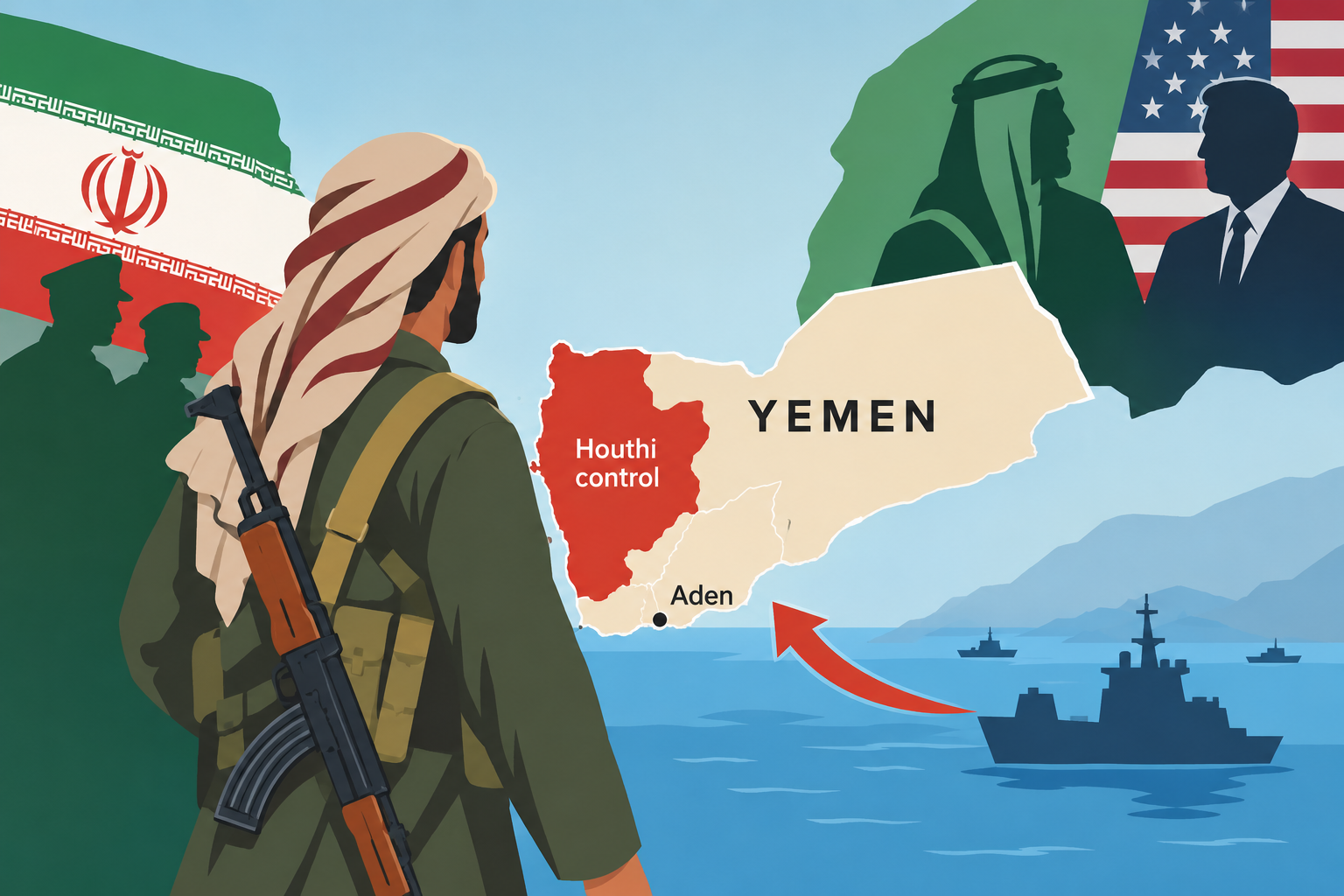
Moreover, the blockade could also have potential global economic ramifications. As we have seen in recent days, especially since the beginning of the war, energy markets are acutely sensitive to supply disruptions, and even the perception of constrained flows can trigger significant price volatility. As Kevin Book of ClearView Energy Partners observes, reduced volumes typically translate into tighter markets and higher prices. Should Iran, or its regional proxies, such as the Houthis, respond by targeting alternative export routes used by Gulf producers, the resulting supply shocks could intensify inflationary pressures across the global economy. Paradoxically, while the blockade is intended to curtail Tehran’s oil revenues, it may simultaneously drive up global oil prices, partially offsetting Iran’s financial losses.
Furthermore, the blockade risks undermining the very stability it seeks to restore. Despite ongoing hostilities, a significant number of tankers have continued to transit the strait, many carrying Iranian oil to key consumers such as China, Pakistan, and India. Any disruption to these flows could strain relations with major global actors and complicate already fragile diplomatic efforts aimed at de-escalation. In this context, the blockade emerges not as a decisive solution, but as a high-stakes gamble, one whose strategic gains remain uncertain, and whose broader consequences may prove difficult to contain.