Since the Taliban came took over Kabul in August 2021, Afghanistan has been in the center of international attention in this case as a possible safe haven of terrorist groups. These groups, the Islamic State in Iraq and the Levant – Khorasan Province (ISIL-K or ISKP), Al-Qaeda, the East Turkestan Islamic Movement, Tehrik-i-Taliban Pakistan, and the Balochistan Liberation Army, have repeatedly been mentioned by the United Nations in reports and diplomatic statements as continuing to operate out of Afghanistan with the de facto government largely permissive.
This concern prominently in early 2026 amid escalating cross-border tensions between Afghanistan and Pakistan, including retaliatory airstrikes and clashes that Pakistani officials described as an “open war.” On March 9–10, 2026, during a United Nations Security Council briefing and meeting on the situation in Afghanistan, China’s Permanent Representative, Ambassador Fu Cong, delivered a pointed intervention. He emphasized that terrorist groups including ISIL-K, Al-Qaeda, ETIM, TTP, and BLA remained active in Afghanistan, posing serious threats to the country itself and its neighbors.
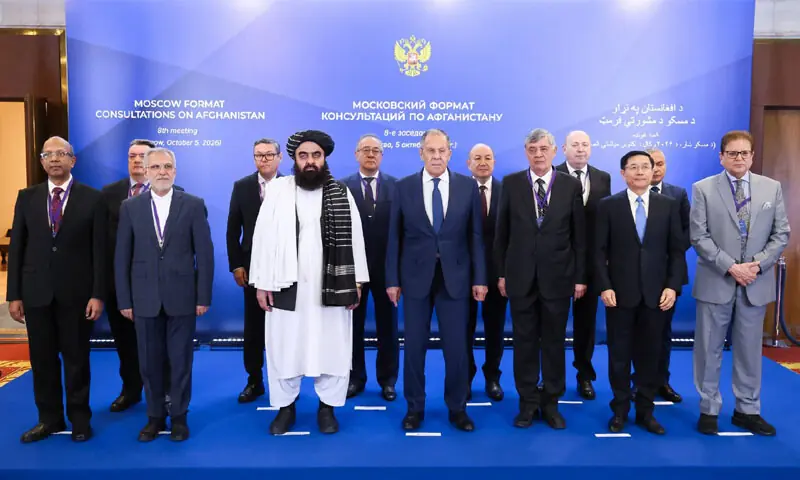
This statement shows a broader, escalating pattern of alarmed expressions internationally, grounded in successive UN sanctions Monitoring Team reports (e.g., the February 3, 2026, report S/2026/44, which highlighted the Taliban’s permissive environment for groups like TTP and Al-Qaeda’s continued facilitation role). European Union, in its February 2026 communique regarding the Afghanistan-Pakistan escalation, condemned the Taliban against supporting terrorist groups and also to prevent the use of Afghanistan soil to carry out any hostile activities against external states. At the United Nations Security Council, the United Kingdom expressed concerns over Taliban oppression and the current danger of the Islamic State of Khorasan Province. Other European countries, such as Denmark, France, Greece, Latvia, Germany, Italy, Spain and Sweden also condemned Taliban imposed restrictions, and also stressed on the necessity that Afghanistan has to hinder the spread of terrorism.
Pakistan has consistently raised concerns for years dating back to the immediate post-2021 period, and intensifying with surges in TTP attacks the 2025–2026 period saw wider convergence among regional and global actors. The Pakistan advocacy on this specific issue goes further than a decade since its bases lie deep in ancient resentments of cross-border militancy. After the Taliban came to power in 2021, the Islamabad government has persistently claimed that the de facto government is providing shelter to the TTP leadership and operatives and this has enabled the recruitment, organizational, and execution of attacks resulting in the deaths of thousands of Pakistanis. Pakistan has described Afghanistan as a main regional hub of terrorism and often cites the conclusions of the UN Monitoring Team to support assertions of Taliban cooperation or inaction. The story gained new urgency of 2025-2026, following the outbreak of increased violence, this led to the Pakistani military interventions which were necessary self-defense against threats posed by Afghanistan soil.
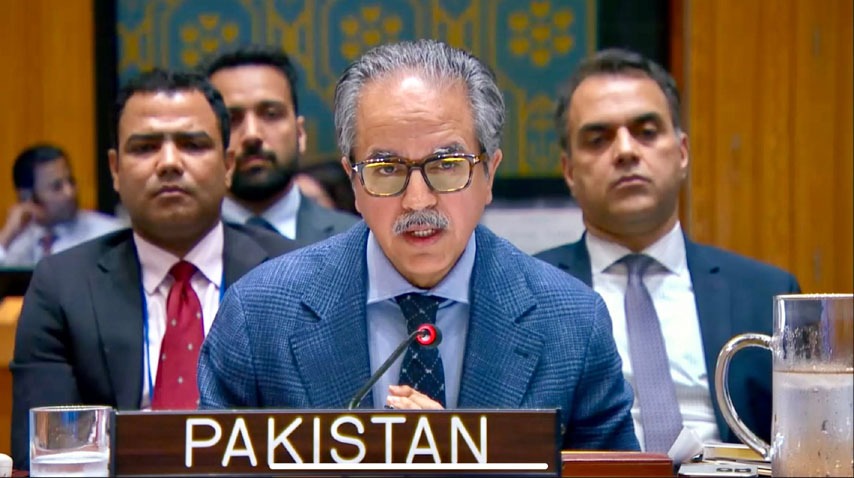
This stance was illustrated by the United Nations Security Council in March 2026. The Permanent Representative of Pakistan, Ambassador Asim Iftikhar Ahmad, gave a speech stating that any government that accommodates the terrorists, denies their residency or does not play their part in dealing with world counter-terrorism lacks the international legitimacy. He emphasized continuous TTP and BLA attacking operating from Afghan territory as direct threats to regional and international security, and justified Pakistan counter-terrorist actions as being aimed at eliminating militant capabilities not at the people of Afghanistan.
Over the past few months, the world has been focusing more on the security threats posed by Afghanistan, a factor that Pakistan has reiterated severally on the international fronts. The warning has been issued over the years that militant groups that operate through the Afghan soil are a major threat within the region especially the Islamic State -Khorasan Province and the Tehrik-i-Taliban Pakistan. Though these issues did not receive much urgency attention in the international community, the recent declarations by international actors and debates in the United Nations Security Council indicate that the international community is finally realizing the severity of the condition. This increased recognition is a pointer that the cautions that have been long voiced by Pakistan that relate to transnational terrorism and the security obligations of Afghanistan are slowly getting wider recognition on the international stage.

Your go-to editorial hub for policy perspectives and informed analysis on pressing regional and global issues.