Misframing Militancy: Al Jazeera’s Policy Tilt Against Pakistan

Al Jazeera policy tilt against Pakistan

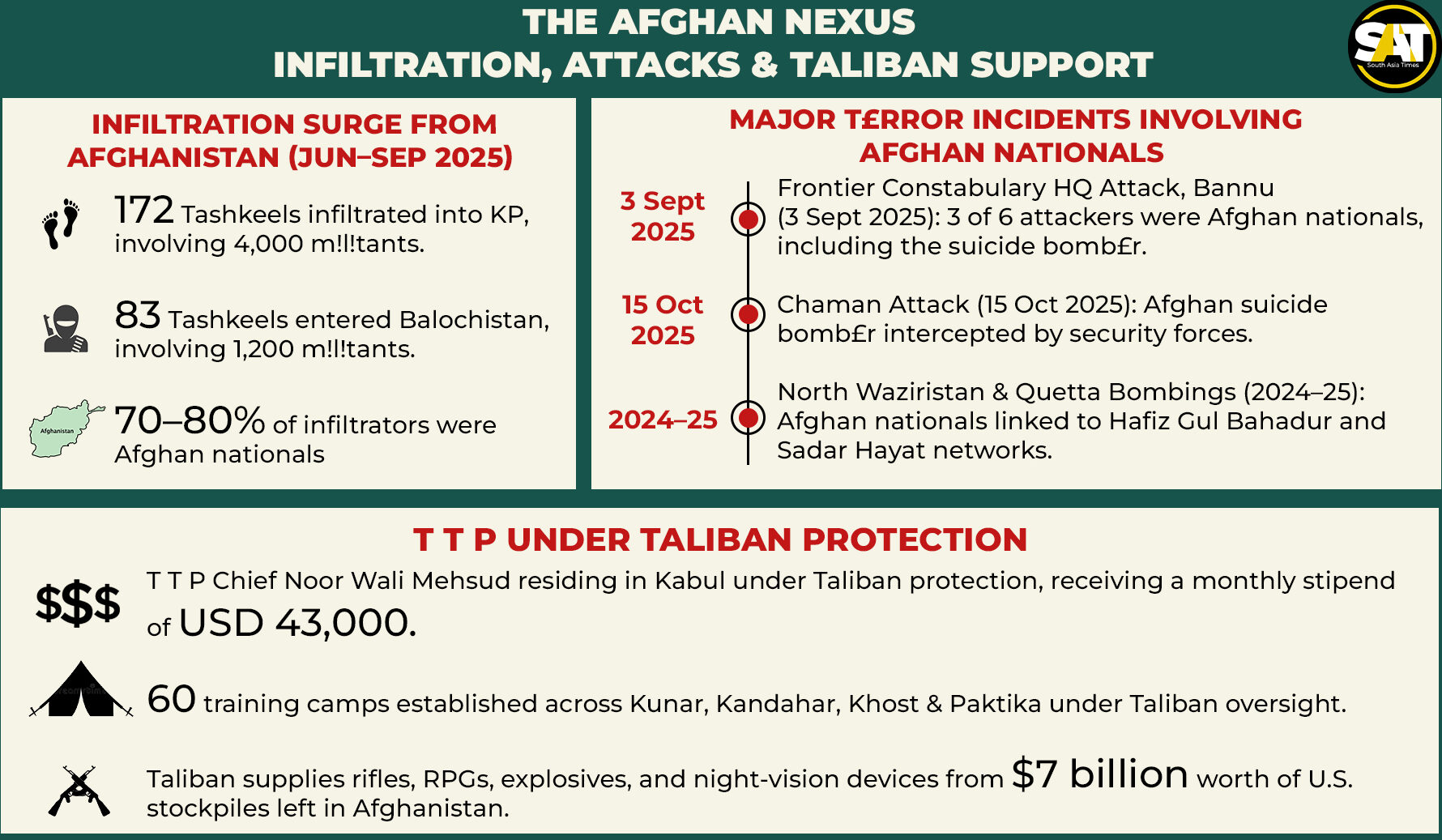
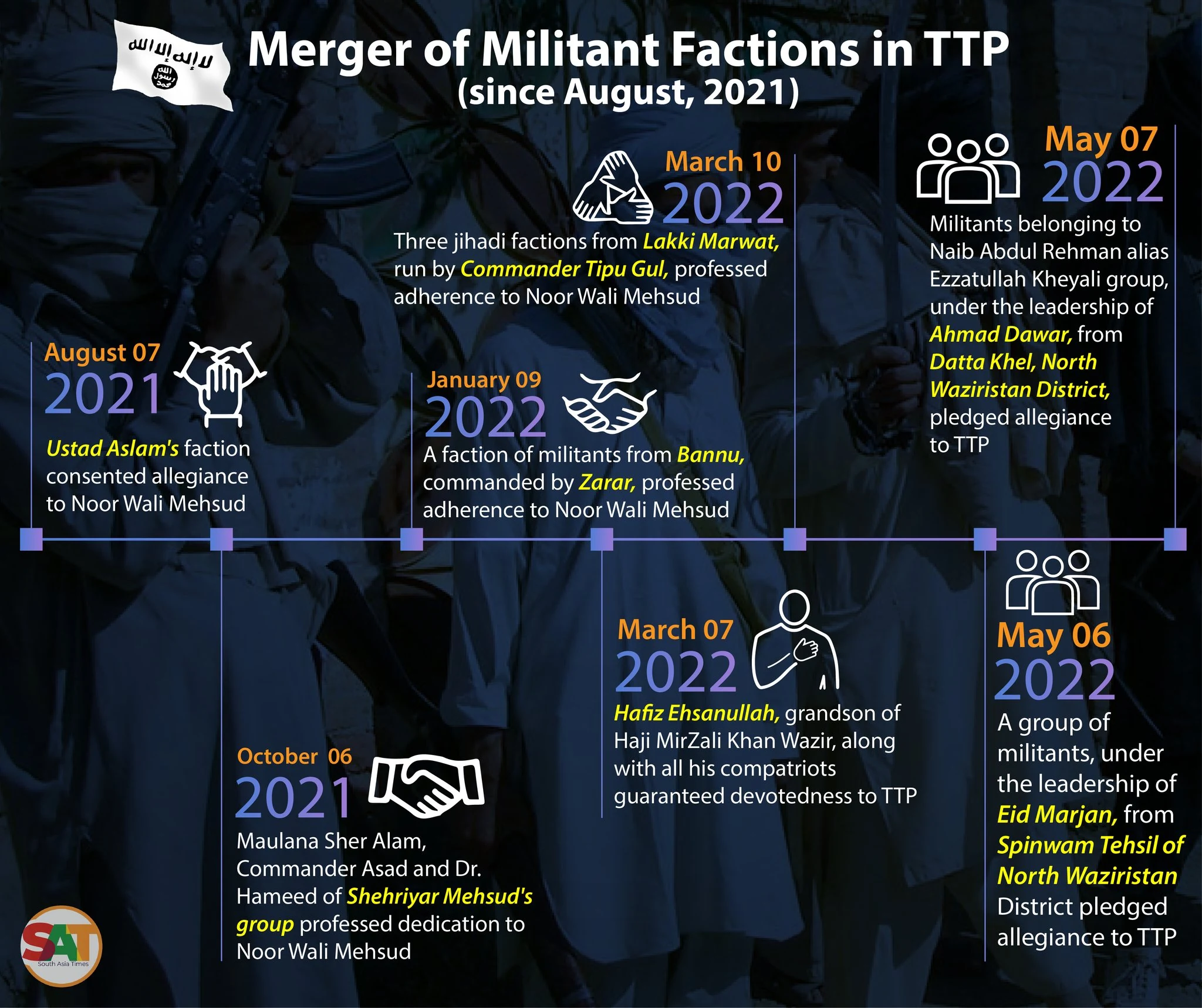
Al Jazeera’s coverage of Pakistan, whether concerning the Balochistan Liberation Army (BLA) or the Tehreek-e-Taliban Pakistan (TTP), has shifted decisively over the years, reflecting a clear policy tilt against Pakistan. In both the TTP conflict in Pakistan and Afghanistan and in Balochistan, AJ has consistently framed militant violence as political grievance or insurgency, downplaying the groups’ designation as terrorist organizations. In Balochistan, this shift is particularly evident in its portrayal of the Balochistan Liberation Army (BLA). Despite being formally designated as a terrorist organization by Pakistan, the US, and the UK, AJ repeatedly refers to the BLA as a “separatist movement” or “armed political group,” emphasizing socio-economic grievances while minimizing its deliberate targeting of civilians, laborers, and security personnel.

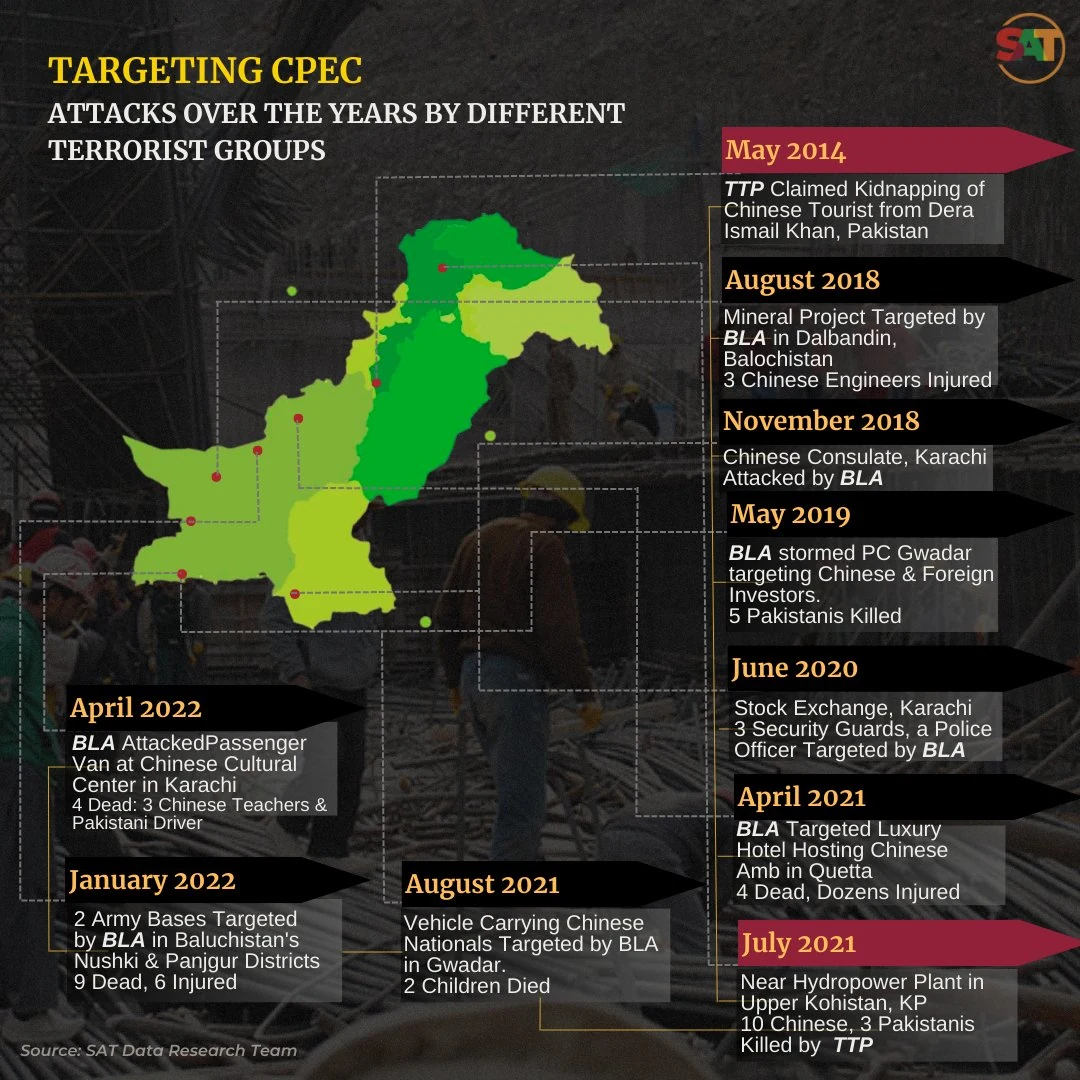
The BLA’s operational record is unambiguous. It engages in suicide attacks, targeted killings, and assaults on critical infrastructure, all aimed at spreading fear and destabilizing the region. By framing such activities as political struggle or separatist action, AJ misrepresents established facts and undermines international counter-terrorism standards. This misframing creates a false equivalence between Pakistan’s legitimate counter-terrorism efforts and outlawed militant actions, normalizing violence against civilians in the process.

Separatism implies political mobilization, negotiation, and dialogue. Terrorism, by contrast, is defined by the intentional targeting of civilians and state institutions to achieve ideological or strategic objectives. AJ’s language, frequently highlighting socio-economic grievances or political claims, obscures the BLA’s violent behavior and grants it symbolic legitimacy. Such reporting blurs the moral and legal accountability required for understanding the difference between lawful state defense and insurgent violence.
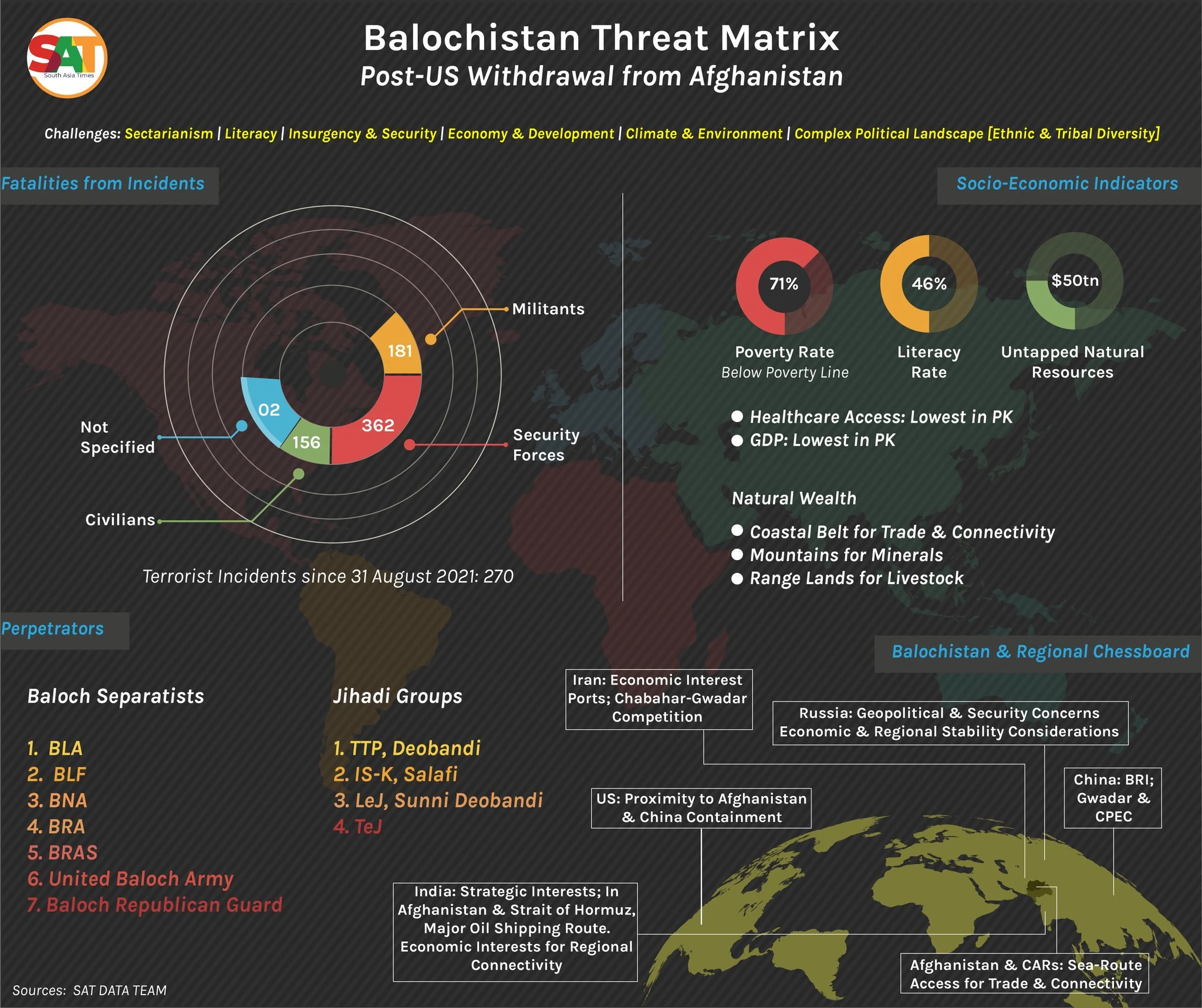
Editorial patterns in AJ coverage reveal consistency over time. The network emphasizes political claims and grievances while downplaying formal terrorist designations. Phrases like “Baloch fighters” or “armed groups” recast militants as legitimate political actors, echoing AJ’s coverage of TTP violence in Pakistan and Afghanistan, where attacks were often contextualized as predictable outcomes of state policy rather than acts of terrorism. This editorial choice implicitly validates groups responsible for civilian casualties and undermines Pakistan’s security narrative.
The consequences of such misframing are significant. Civilian deaths in Balochistan are not abstract, they are the direct result of BLA operations. Neutral or sympathetic reporting grants the perpetrators symbolic legitimacy and weakens the international understanding of Pakistan’s security challenges. By softening the reality of terrorist violence, media coverage risks creating an environment in which armed militancy is normalized under the guise of political struggle.

The BLA’s operational tactics further underscore its terrorist nature. The use of women in attacks, targeting of laborers, and assaults on infrastructure illustrate a deliberate strategy of terror. AJ’s focus on grievances rather than violent tactics exposes a persistent editorial bias, reflecting a pattern established during its coverage of the TTP in previous years. By framing terrorism as political insurgency, AJ privileges militant narratives over state security and justice.

No international law, humanitarian norm, or journalistic standard allows the reclassification of armed attacks on civilians as political separatism. Euphemistic framing does not change the nature of terrorism, nor does it negate the global counter-terrorism designations the BLA holds. Ignoring these frameworks risks normalizing armed militancy on a global scale and sending a dangerous signal to other violent actors.

Accurate reporting is essential for preserving credibility, accountability, and public understanding. The BLA is a terrorist organization, not a political movement. Al Jazeera’s long-standing editorial bias mirrors its previous coverage of the TTP, revealing a systemic policy tilt against Pakistan. Violence against civilians cannot be legitimized through euphemisms, selective framing, or media sympathy. Upholding journalistic precision is critical not only for global audiences but also for ensuring that Pakistan’s counter-terrorism efforts are accurately represented and understood.

SAT Commentary

SAT Commentaries, a collection of insightful social media threads on current events and social issues, featuring diverse perspectives from various authors.

Recent

Examining the renewed wave of BLA

Operation Herof II and the Reality of Terrorism in Balochistan

The Balochistan Liberation Army (BLA) has launched Operation Herof II, attempting to destabilize Pakistan’s southwestern region. Despite heavy militant losses and civilian targeting, Pakistan’s security forces maintain operational control, demonstrating preparedness and resilience.

Read More »
An analysis of how India’s recurring Nipah virus cases expose transparency gaps, cross-border risks, and the mechanisms through which neighbouring states like Pakistan adopt preventive surveillance measures.

Nipah Virus and the Dynamics of Regional Biosecurity

The 2025–2026 Nipah virus cases in India illustrate that high-risk pathogens are not confined by national borders. Through selective disclosure, delayed reporting, and episodic containment, outbreaks compel neighbouring states to implement proactive biosecurity measures, highlighting the strategic significance of regional health governance.

Read More »